#AI Engineer World's Fair
44 articles with this tag
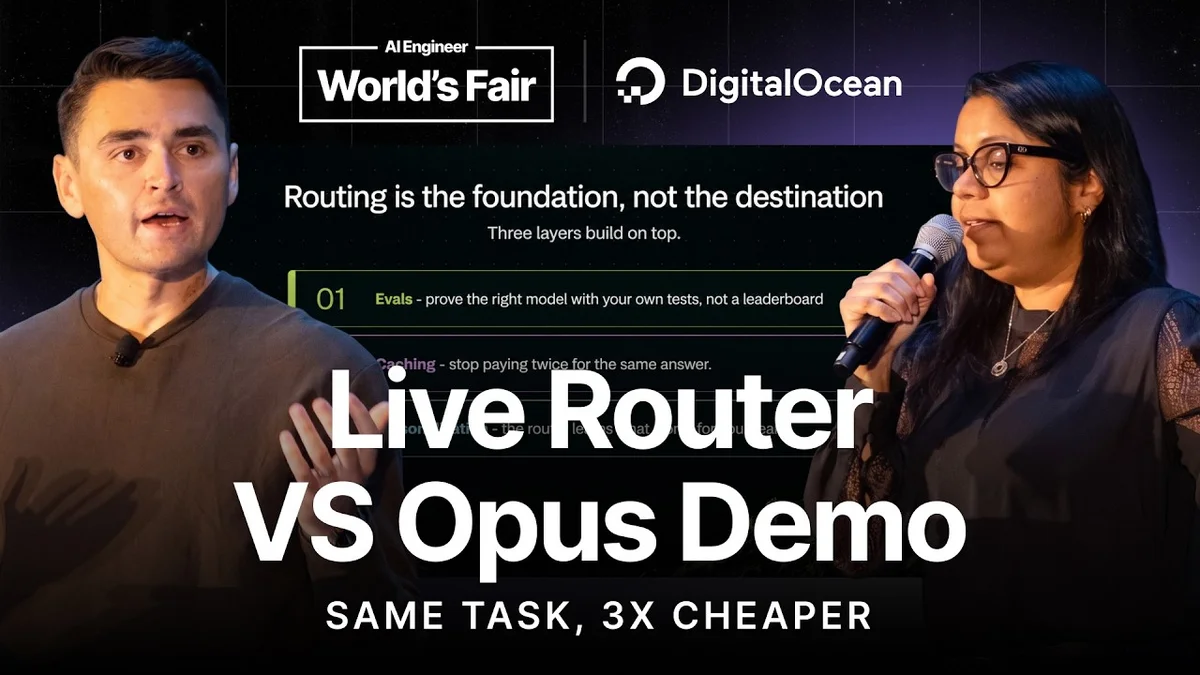
DigitalOcean: Model Routing Beats Benchmarks
DigitalOcean's Archana Kamath and Tyler Gillam discuss model routing, arguing that preferences like cost and latency should dictate LLM choices over benchmarks, and showcase their open-source inference router.
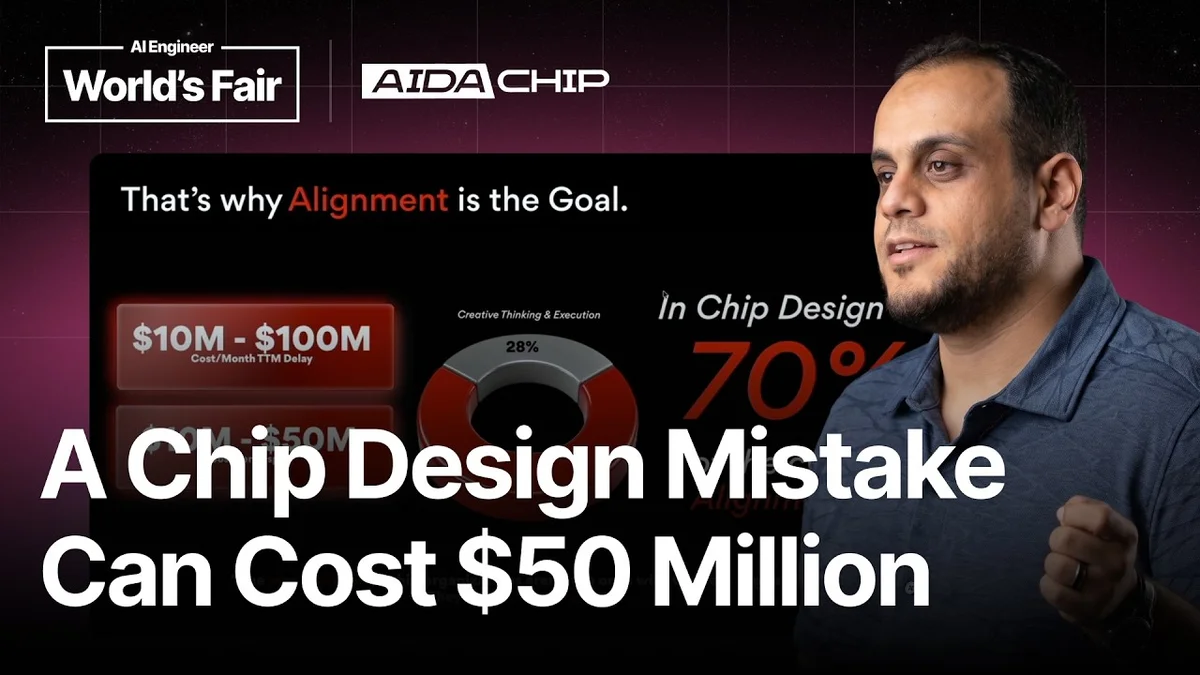
AI for Chip Design: AIDAChip's Vision for Team Alignment
AIDAChip's Abdullah Muhammad outlines a new AI architecture, a 'shared nervous system,' designed to boost alignment and efficiency in complex fields like chip design.
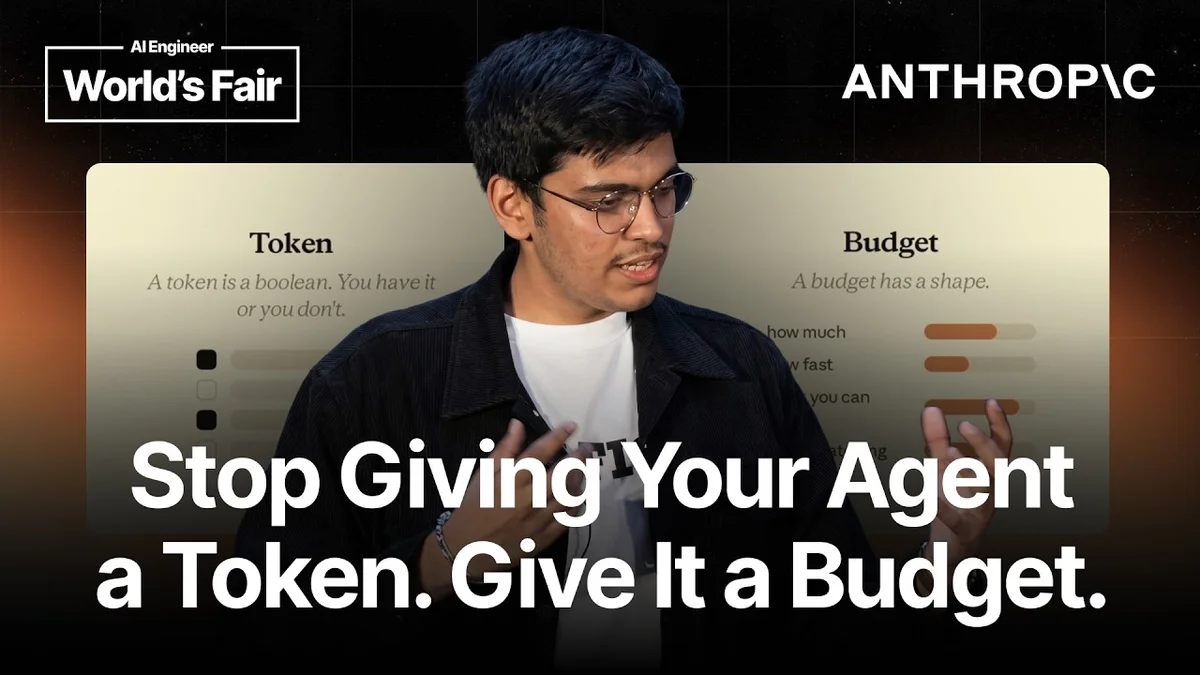
AI Agents Need Budgets, Not Just Tokens
Anthropic's Sachin Malhotra argues that AI agents in production need budgets, not just broad tokens, proposing primitives like asymmetric verbs, rate limits, and tripwires.
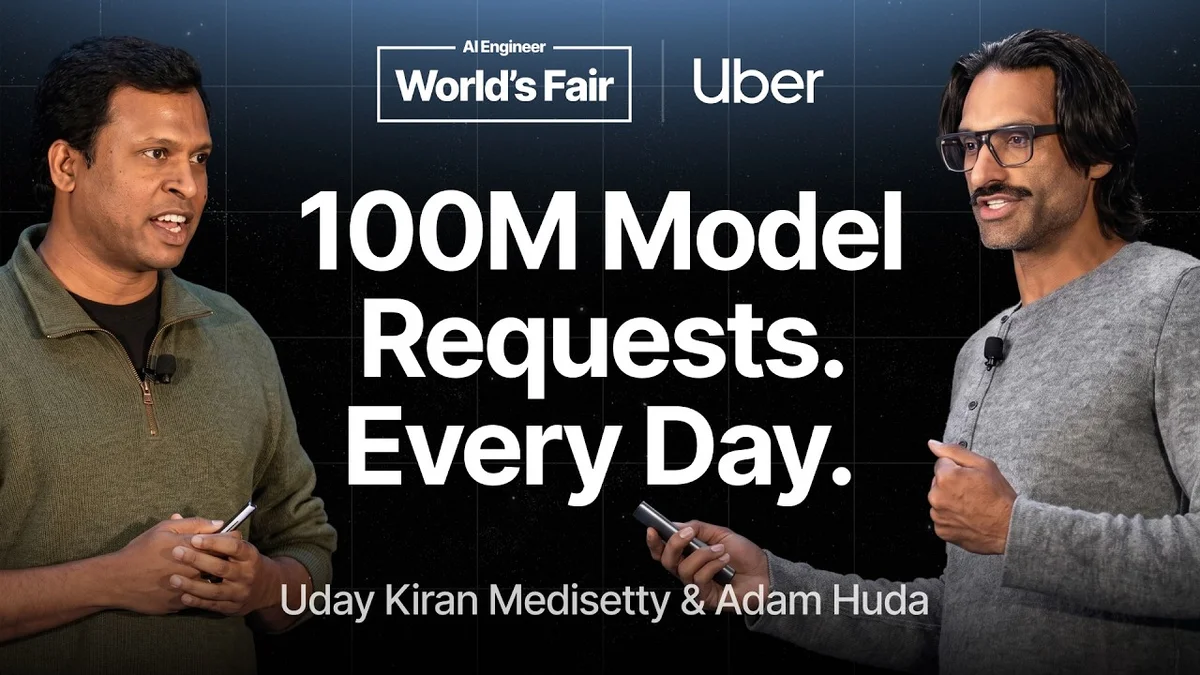
Uber's Agentic SDLC: Building the Future of Software
Uber engineers Uday Kiran Medisetty and Adam Huda unveil the six building blocks of their agentic software factory, transforming development from idea to production with AI.
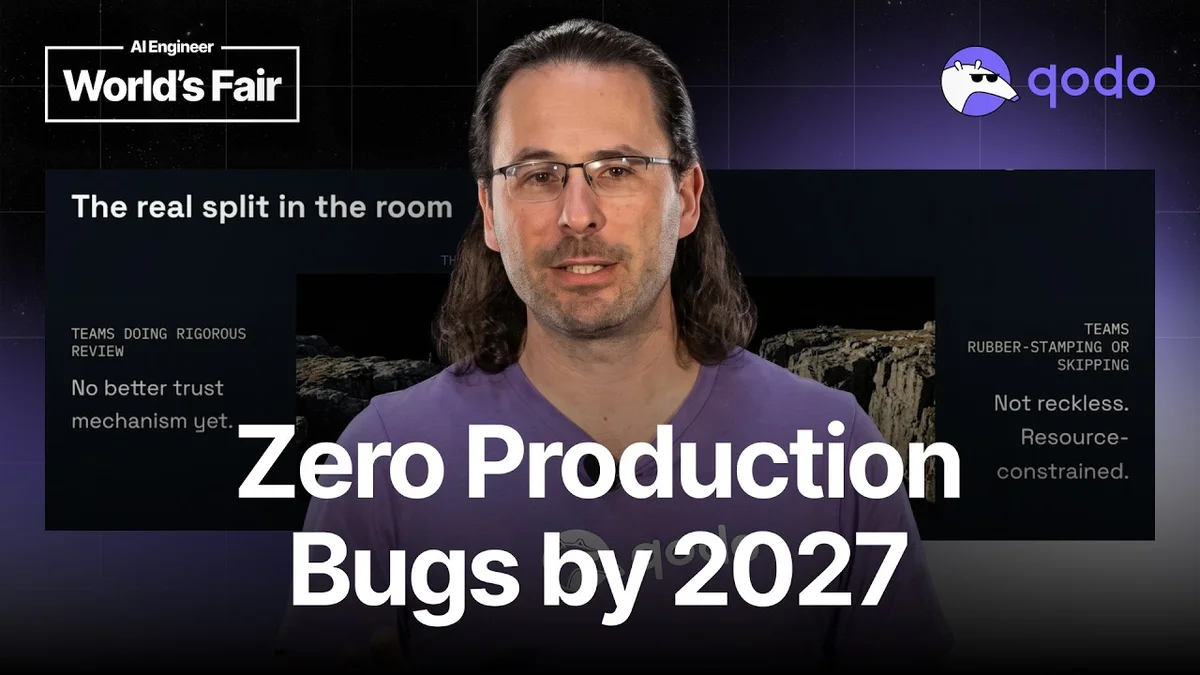
Human Code Review: AI's Next Frontier?
Qodo CEO Itamar Friedman discusses the critical role of contextual knowledge in AI code reviews, arguing for codifying tribal knowledge to achieve trustworthy automation.
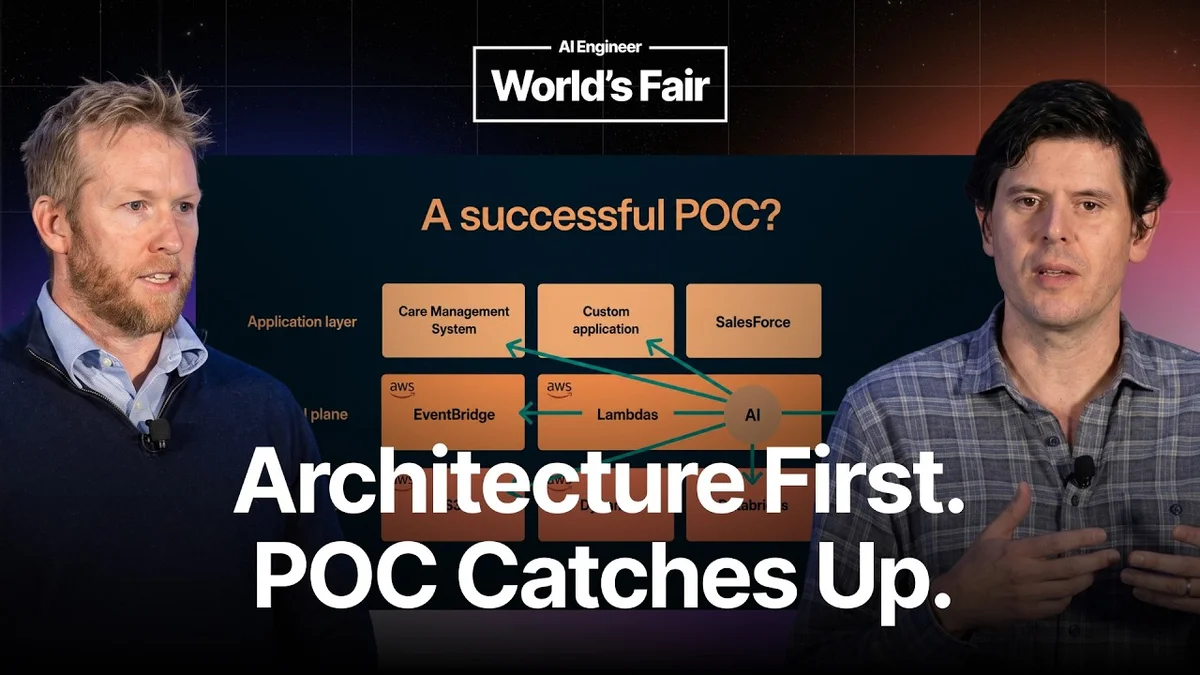
AI Agents Need Enterprise-Ready Tech Stacks
Anterior's Chris Lovejoy and Saul Howard explain why enterprise tech stacks struggle with AI agents and introduce key architectural primitives for successful deployment.
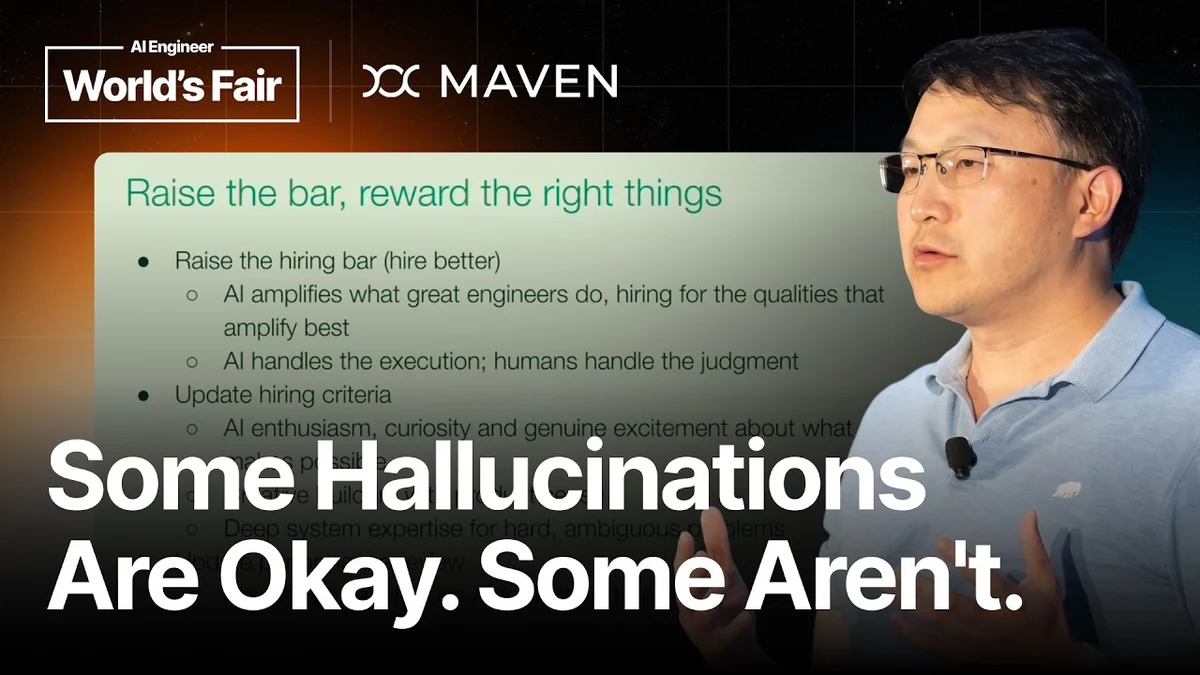
Maven Clinic's AI Transition: From Traditional to Native
Dan Feng of Maven Clinic discusses the company's pivot to an AI-native model, focusing on internal adoption, product integration, and cultural shifts.
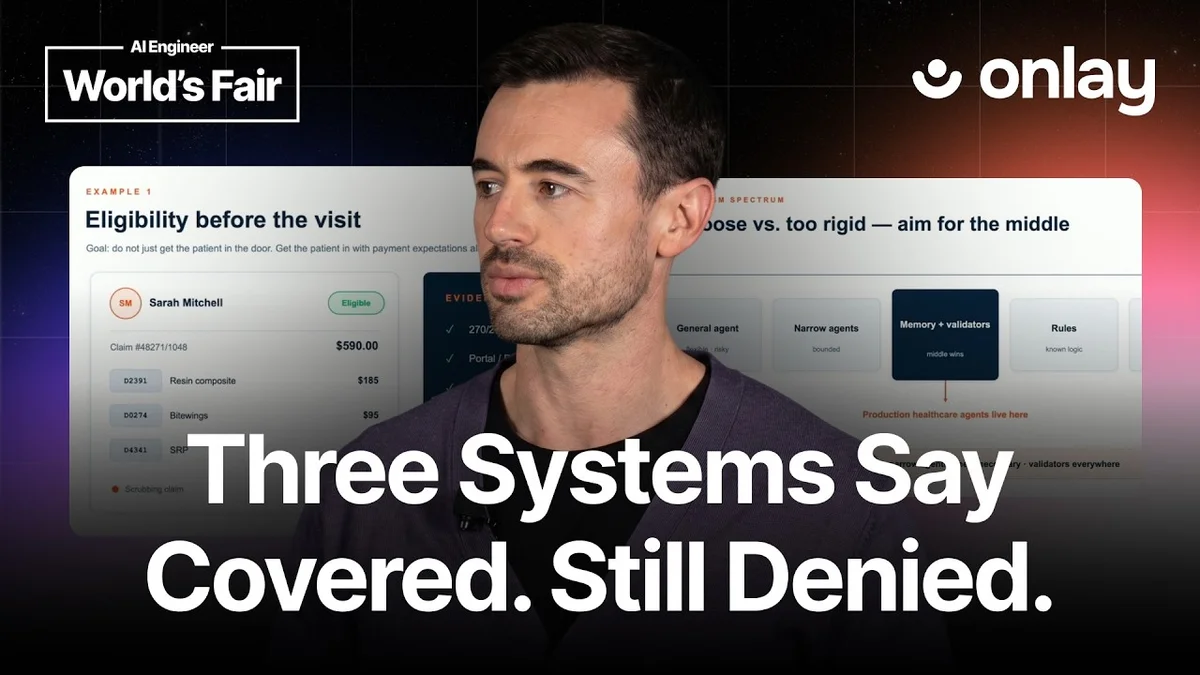
AI Agents in Healthcare: X12 as the Harness
Vasant Kearney of Onlay AI discusses how X12 and a robust 'execution layer' are crucial for safe and reliable AI agents in healthcare.
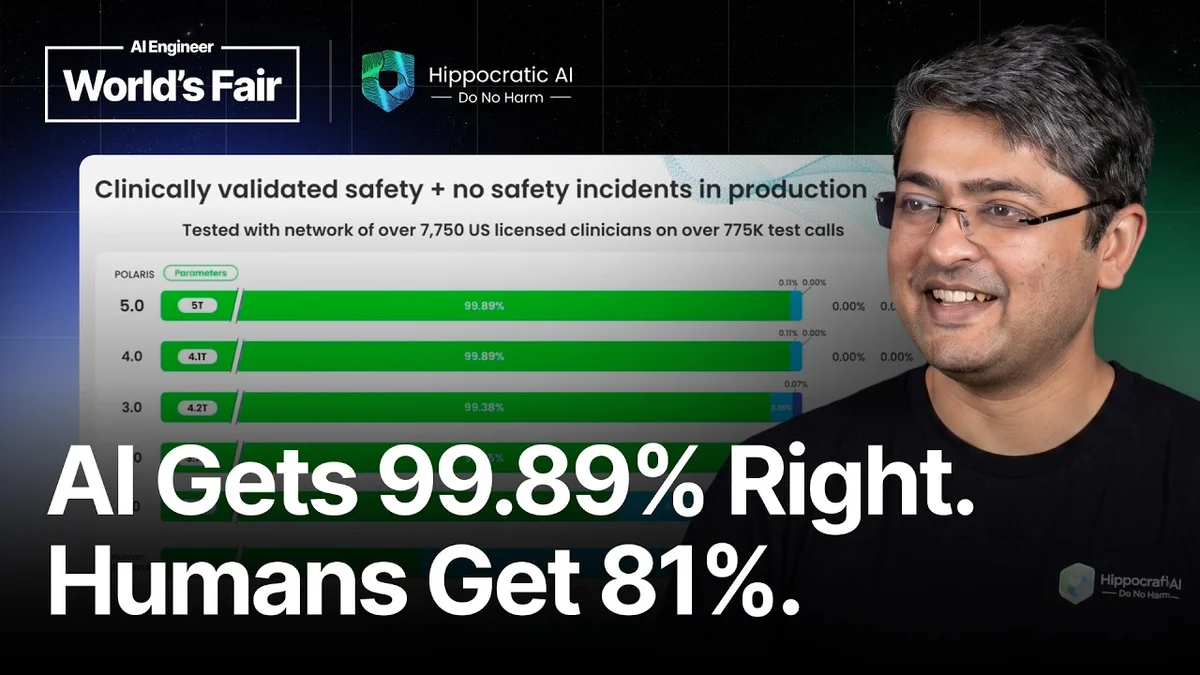
Hippocratic AI: 200M Patient Calls Show AI's Healthcare Promise
Hippocratic AI's Vivek Muppalla details how their AI has conducted 200M+ patient calls, achieving 99.89% "no harm" accuracy through advanced architecture and rigorous evaluation.
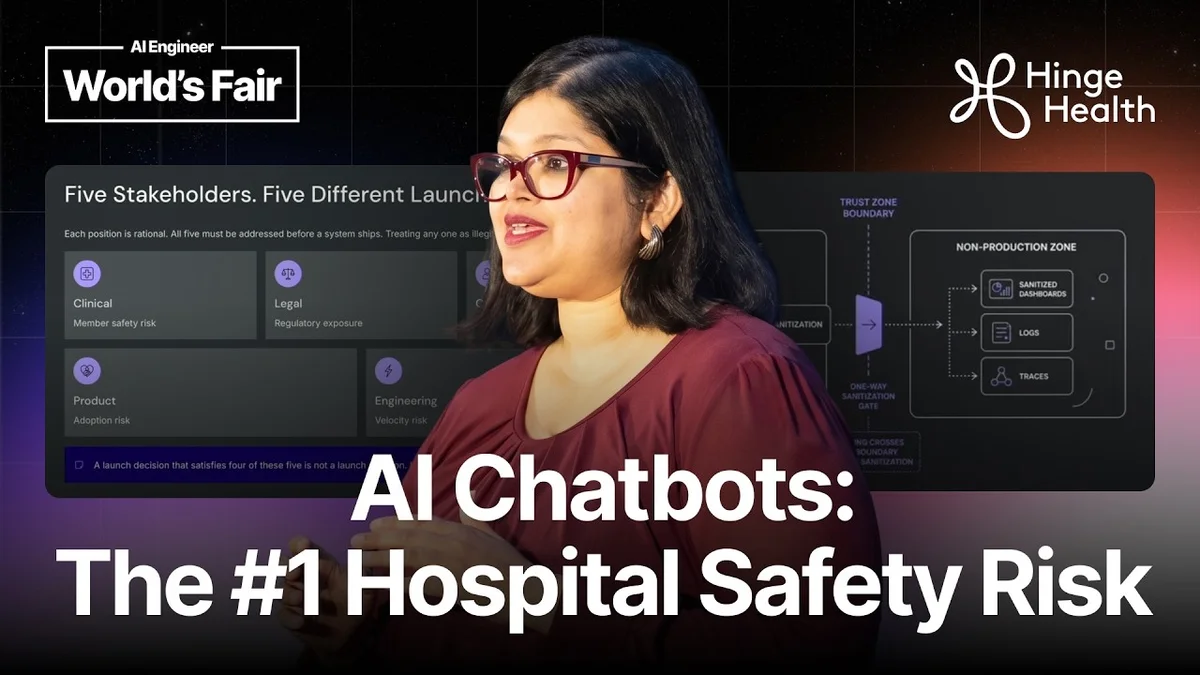
Hinge Health's Rashi Agrawal on Healthcare AI Guardrails
Hinge Health's Rashi Agrawal outlines three essential foundations for building safe member-facing healthcare AI: architecture, deterministic code, and continuous evaluation.

AI Guitar Sings: Todd Fisher's Tech Journey
Todd Fisher showcases how AI can make a guitar 'speak' and 'sing', detailing the technical journey from speech synthesis to pitch detection and vocoding.
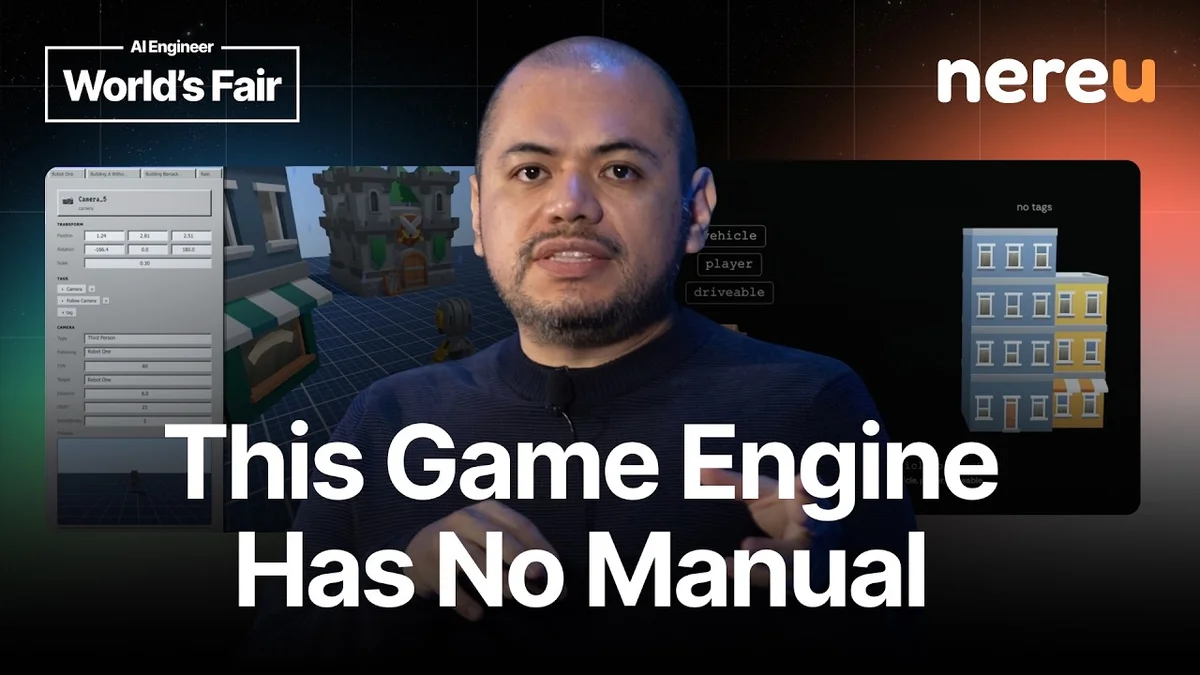
AI Game Engine Won't Need Manuals, Nereu Founder Says
Nereu founder Arturo Nunez envisions a future where AI-powered game engines eliminate the need for traditional manuals, making game development accessible through natural language.
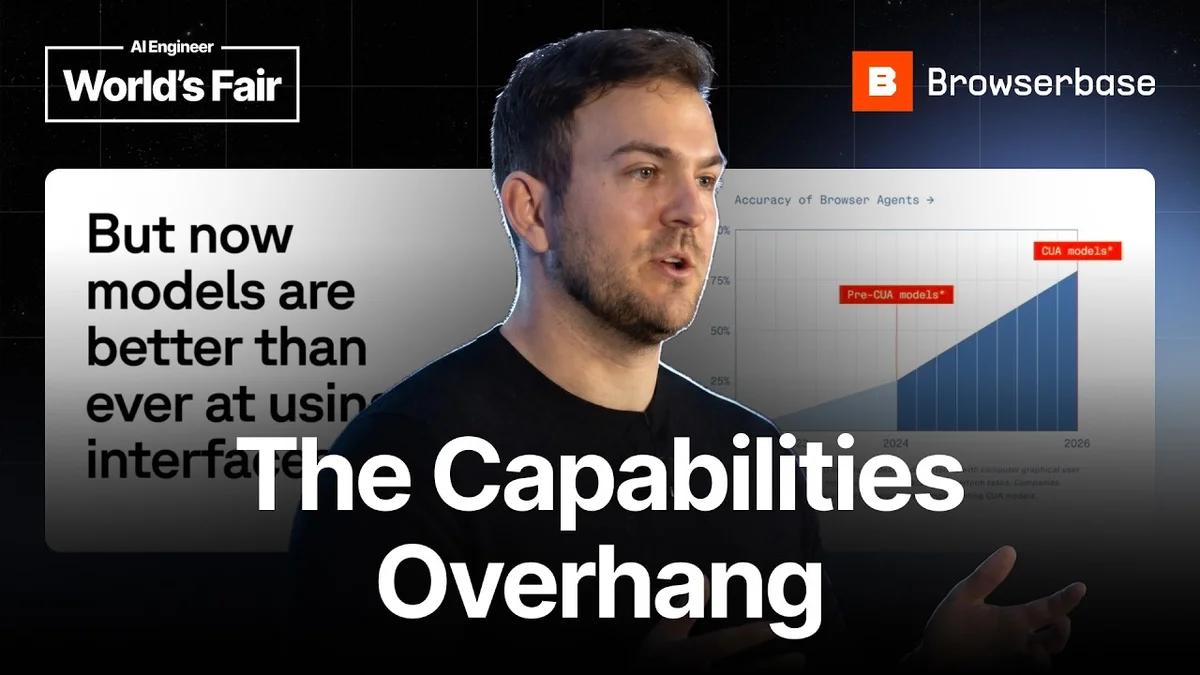
Paul Klein: AI Agents Need Better Web 'Harnesses'
Browserbase founder Paul Klein argues that AI agents need better 'harnesses' and tools to navigate the web, not just improved LLMs. He outlines key engineering challenges and opportunities for agent-first web development.
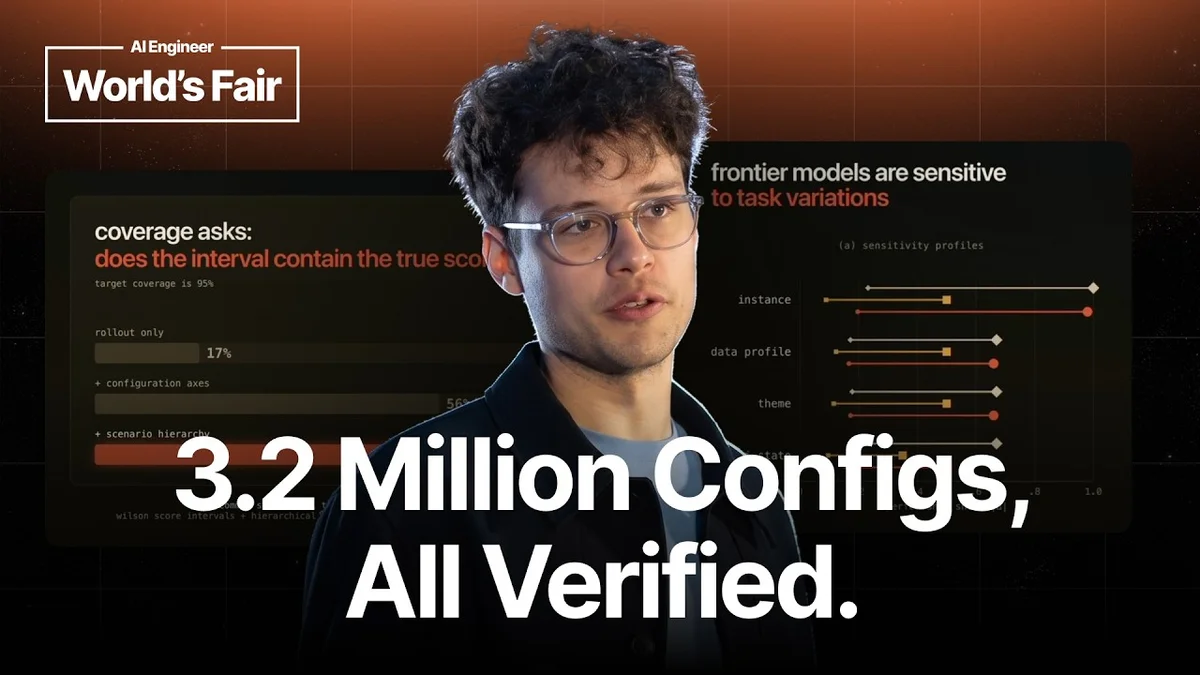
AI Benchmarks Face 'Statistical Precipice'
Pierluca D'Oro of Programma Labs critiques AI benchmarking, highlighting issues with 'replay agents' and deterministic environments, and advocating for more robust, diverse, and accurately measured evaluations.
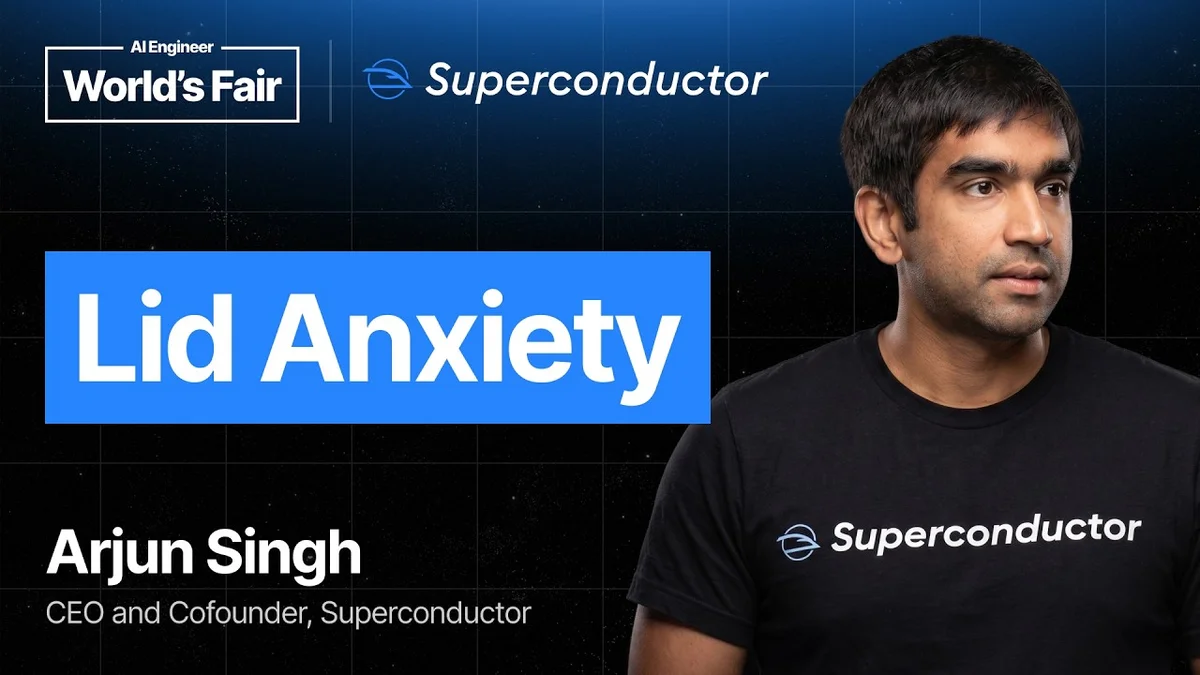
Superconductor's Arjun Singh on Multiplayer Agentic Engineering
Arjun Singh of Superconductor shares crucial lessons on multiplayer agentic engineering, focusing on seamless team-AI collaboration and efficient workflows.
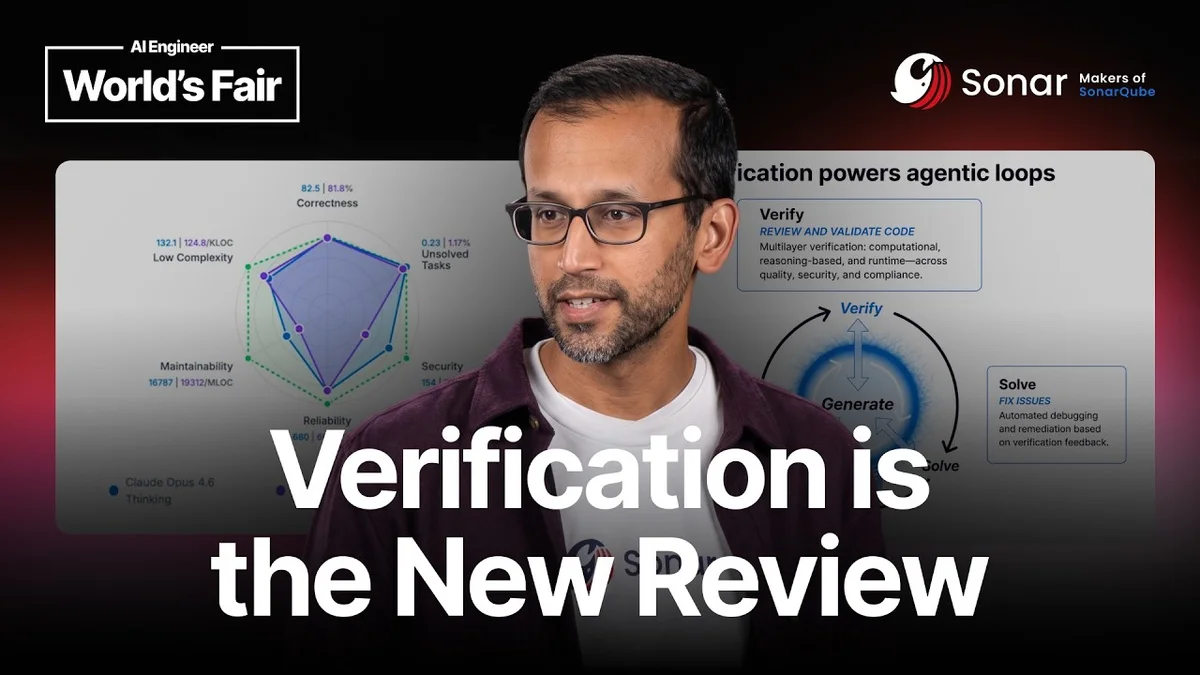
Sonar: AI Coding Needs Verification, Not Just Generation
Anirban Chatterjee of Sonar discusses the challenges and solutions for AI-driven software development, emphasizing the need for verification and governance.
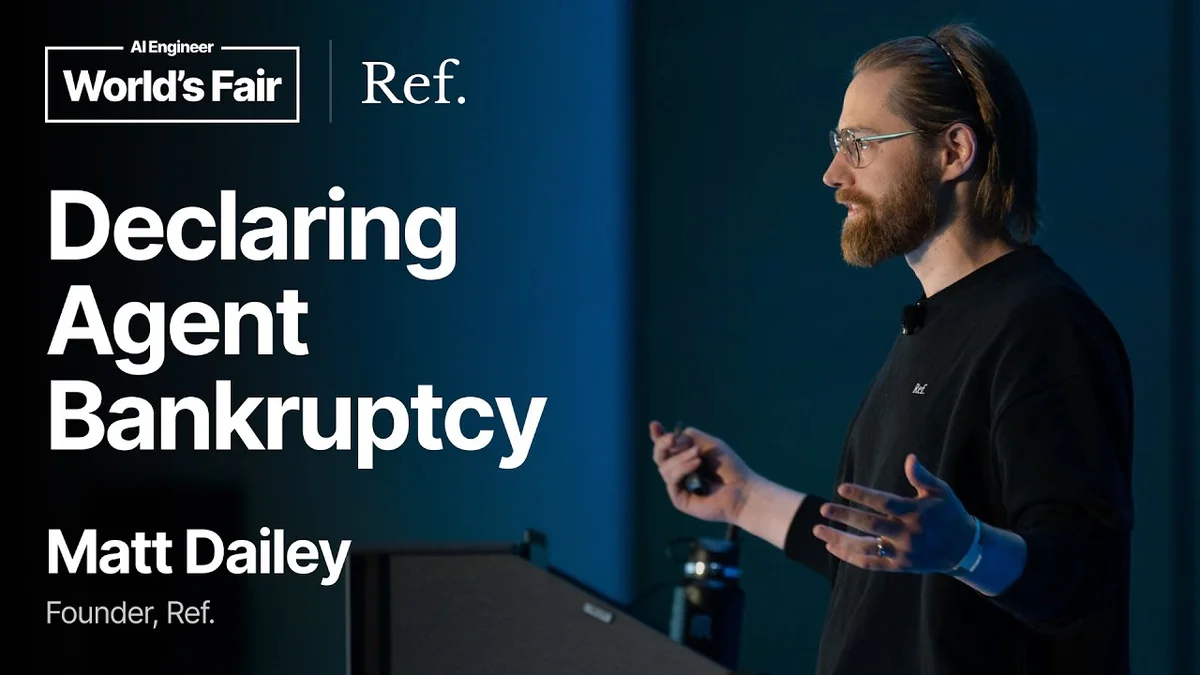
Ref CEO on AI Velocity: "Output Without Impact"
Ref CEO Matt Dailey discusses "velocity sickness" and how teams can shift from rapid code output to impactful idea generation with AI.
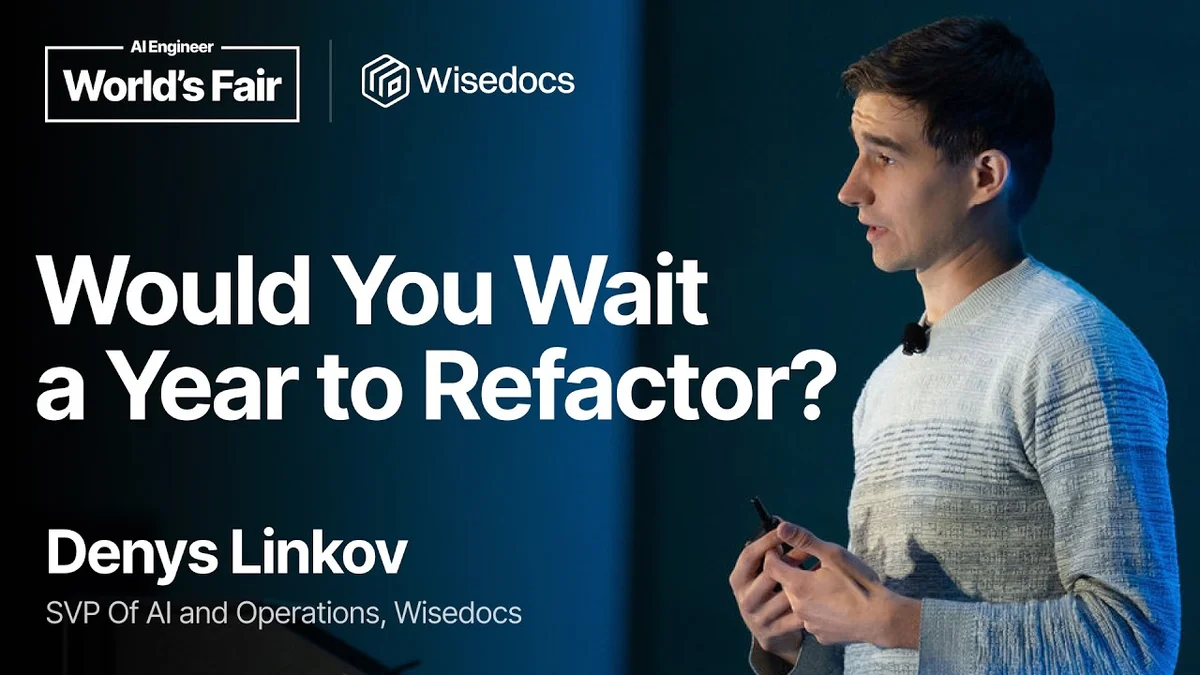
WiseDocs Refactor: AI Coding Agents and Tech Debt
Denys Linkov of WiseDocs discusses the six-month refactor of their AI pipeline, highlighting improvements in speed, complexity, and developer experience, and the evolving role of AI coding agents.
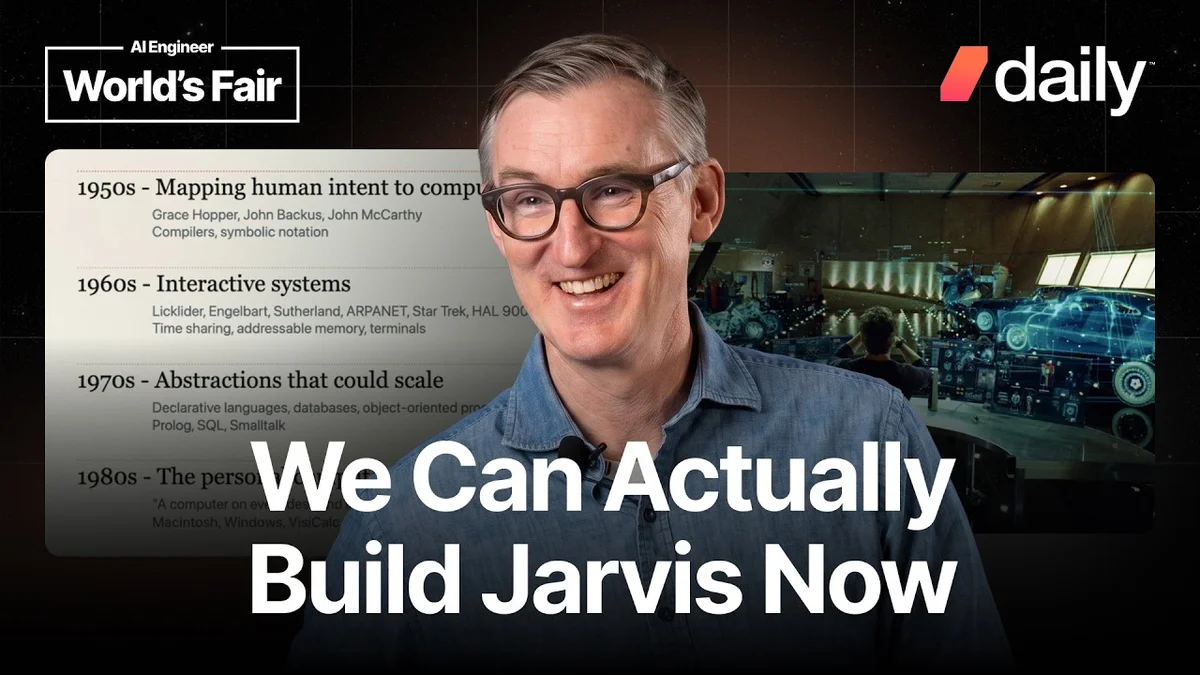
AI Agents: The New Primitives of Software
Kwindla Kramer of Daily discusses the historical evolution of computing and the future of AI-native software, drawing parallels from Vannevar Bush to today's AI agents.
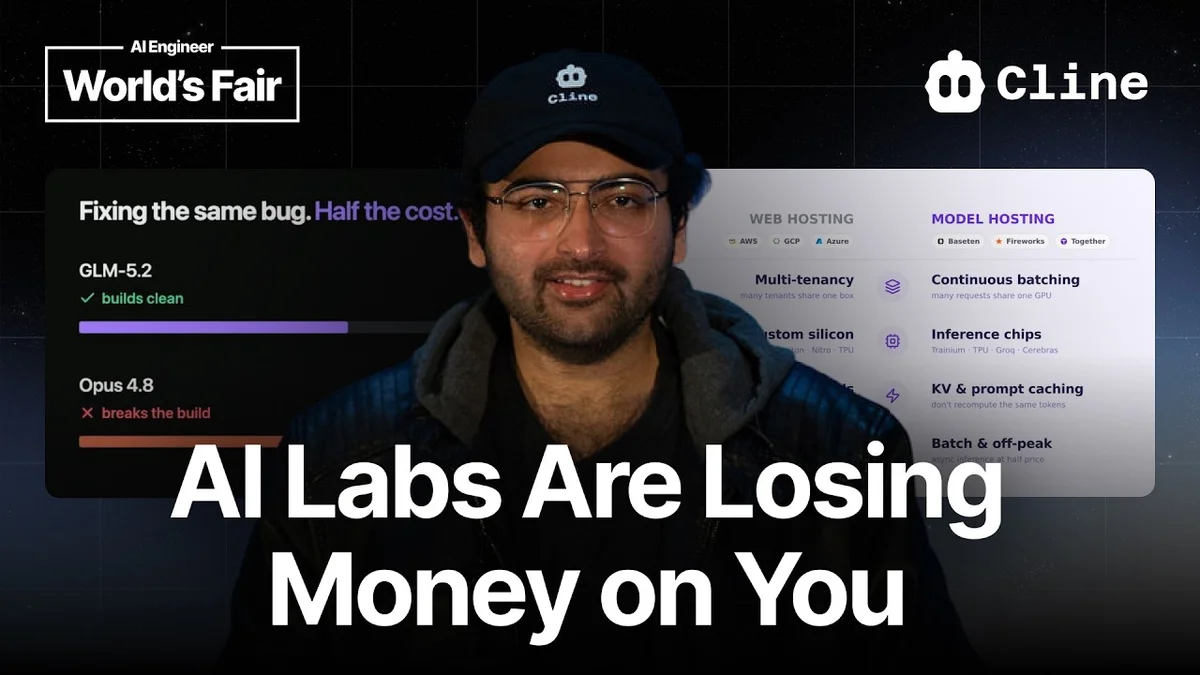
Saoud Rizwan: Open Source is Dead, Long Live Open Source
Cline founder Saoud Rizwan argues that AI's impact on open source is profound, but open-weight models offer a cost-effective future, challenging proprietary AI dominance.
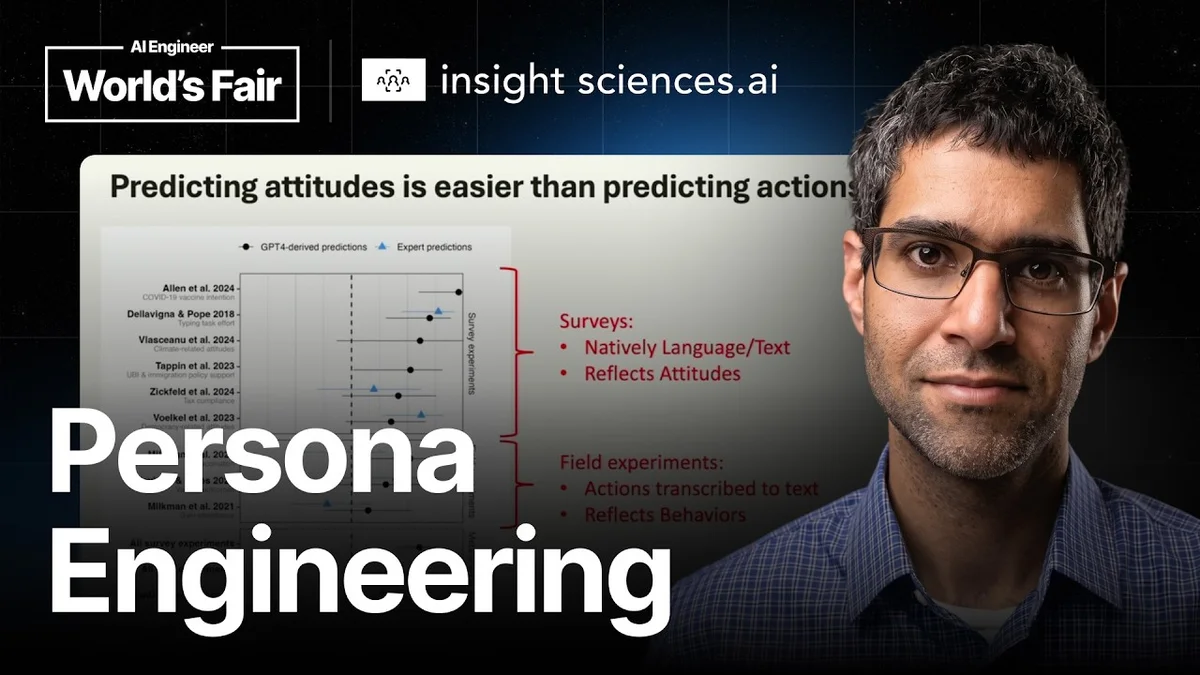
AI Synthetic Personas: Promise and Pitfalls
Ishan Anand of Insight Sciences explains the rise of AI synthetic personas, their potential, and critical failure modes, drawing parallels to weather forecasting.
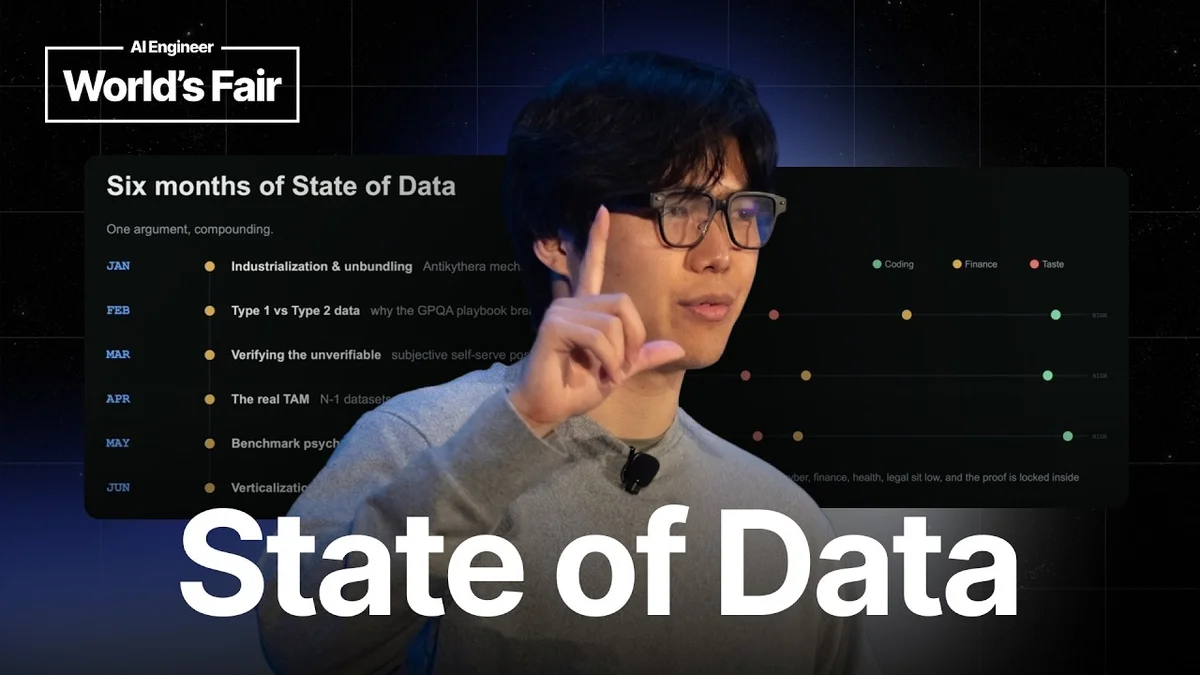
Sean Cai on the State of AI Data Markets
Sean Cai dissects the AI data market, highlighting fragmentation, the importance of 'type one' data, and the pitfalls of current benchmarks.
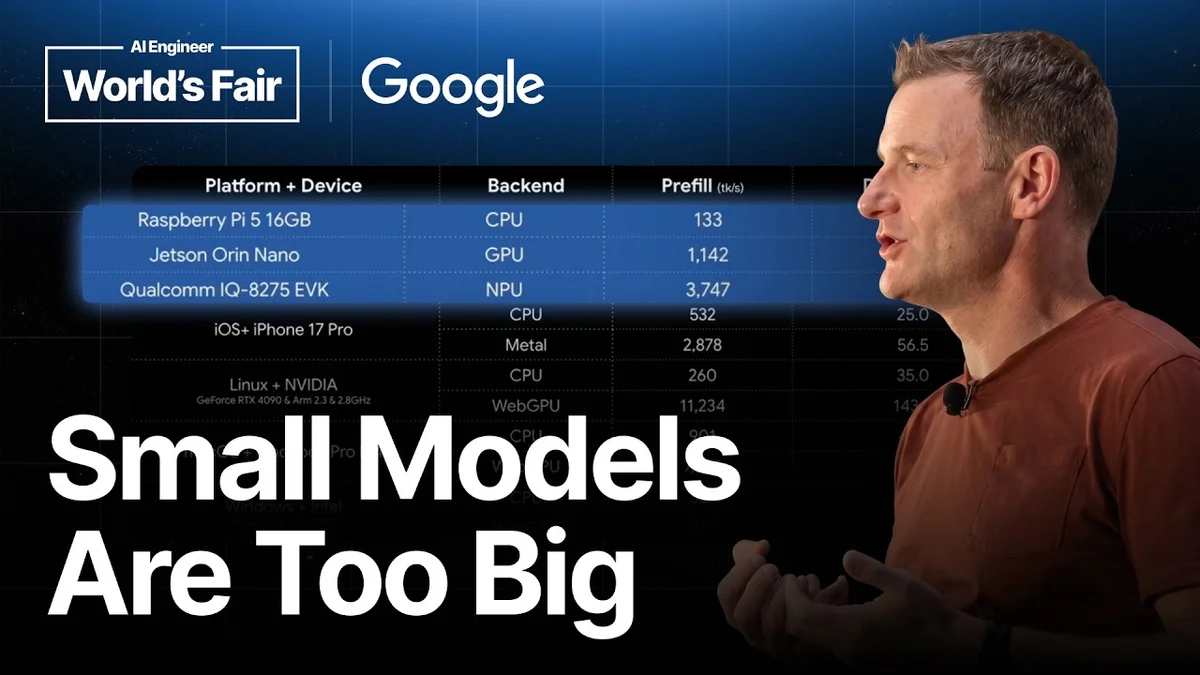
Google AI Edge: Tiny LMs Powering Robotics & Devices
Google's Cormac Brick discusses the state-of-the-art in tiny AI models, their applications in robotics and edge devices, and the importance of fine-tuning for broad accessibility.
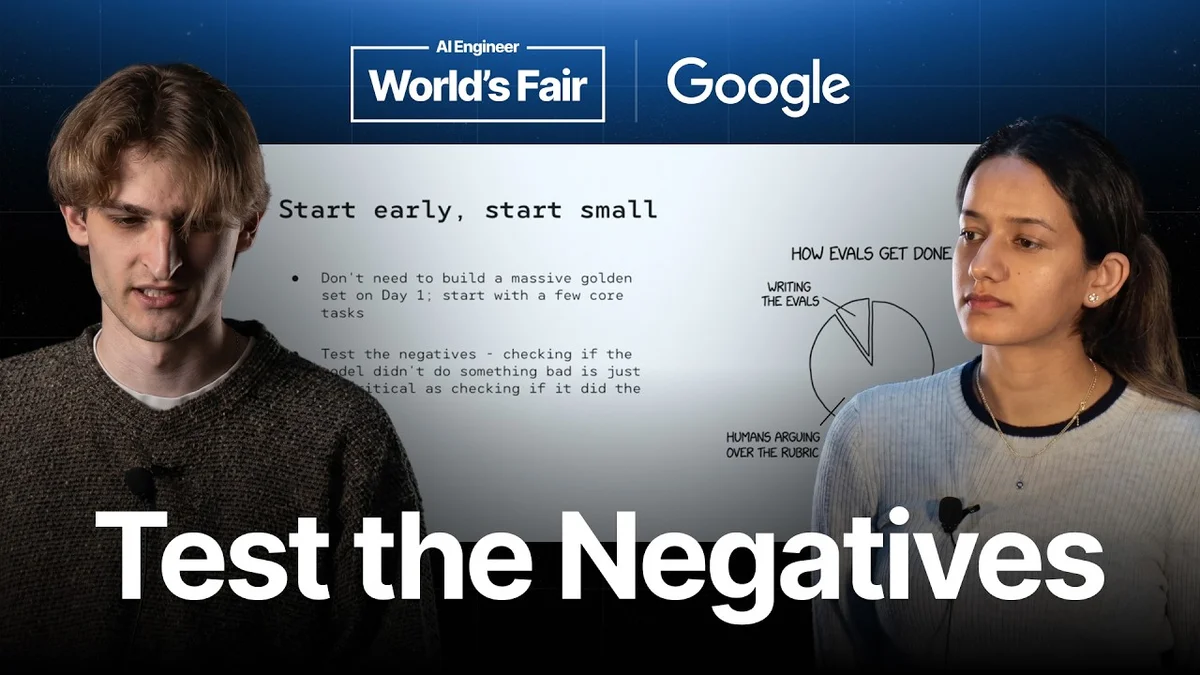
Google Experts Share AI Agent Evaluation Best Practices
Google's Preetika Bhateja & Daniel Bump share essential strategies for building effective AI agent evaluation systems, from initial 'vibing' to scaling with LLM judges.
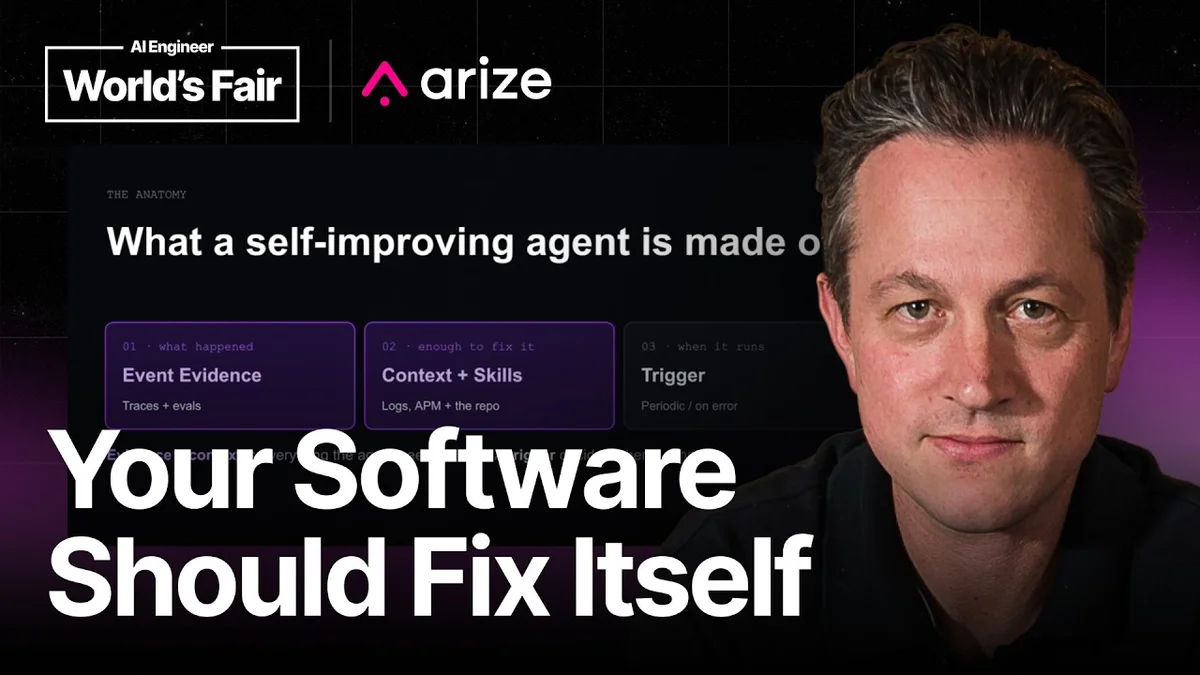
Arize CEO: AI Agents Will Automate Software Fixes
Arize CEO Jason Lopatecki discusses how AI agents are set to revolutionize software observability and debugging, enabling autonomous fixes and continuous self-improvement.

Alex Shaw: "Everything Is a Rollout" in AI Agent Evaluation
Alex Shaw from Lode Institute explains the Harbor framework, highlighting how agent development mirrors ML and requires empirical evaluation. Discover the tools and use cases for building and testing AI agents.
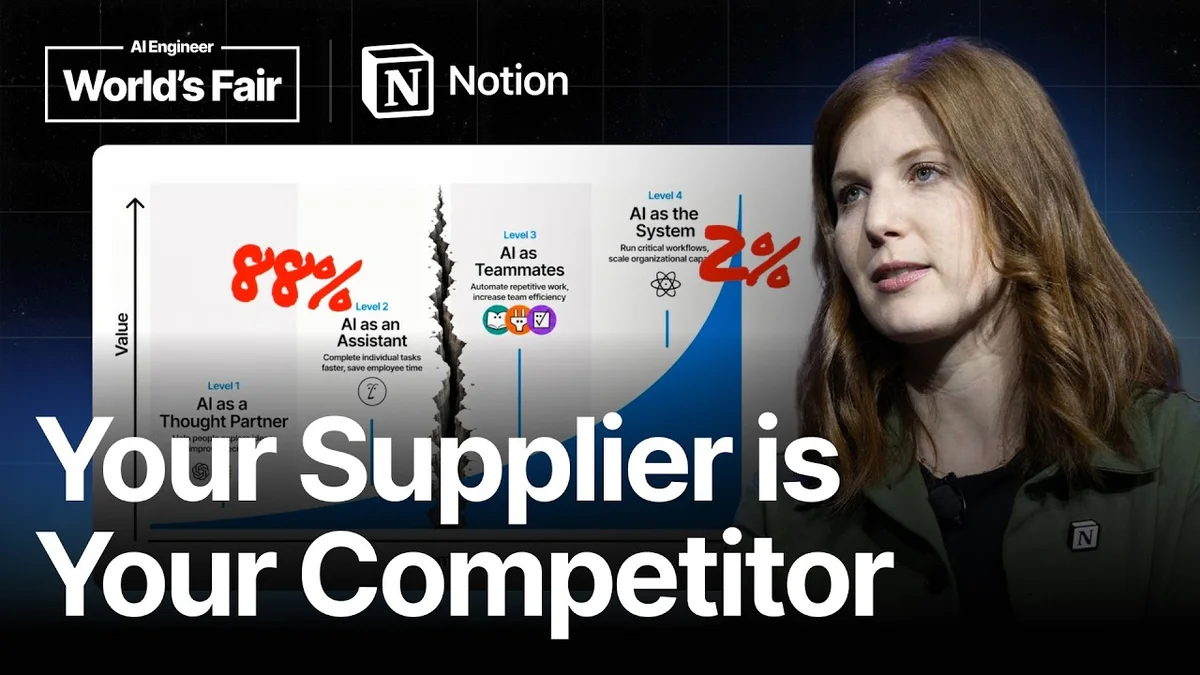
Notion's AI Lead on Token Costs & Strategy
Notion's Sarah Sachs discusses the economics of AI tokens, the importance of product strategy over model choice, and navigating the 'wild west' of AI development.
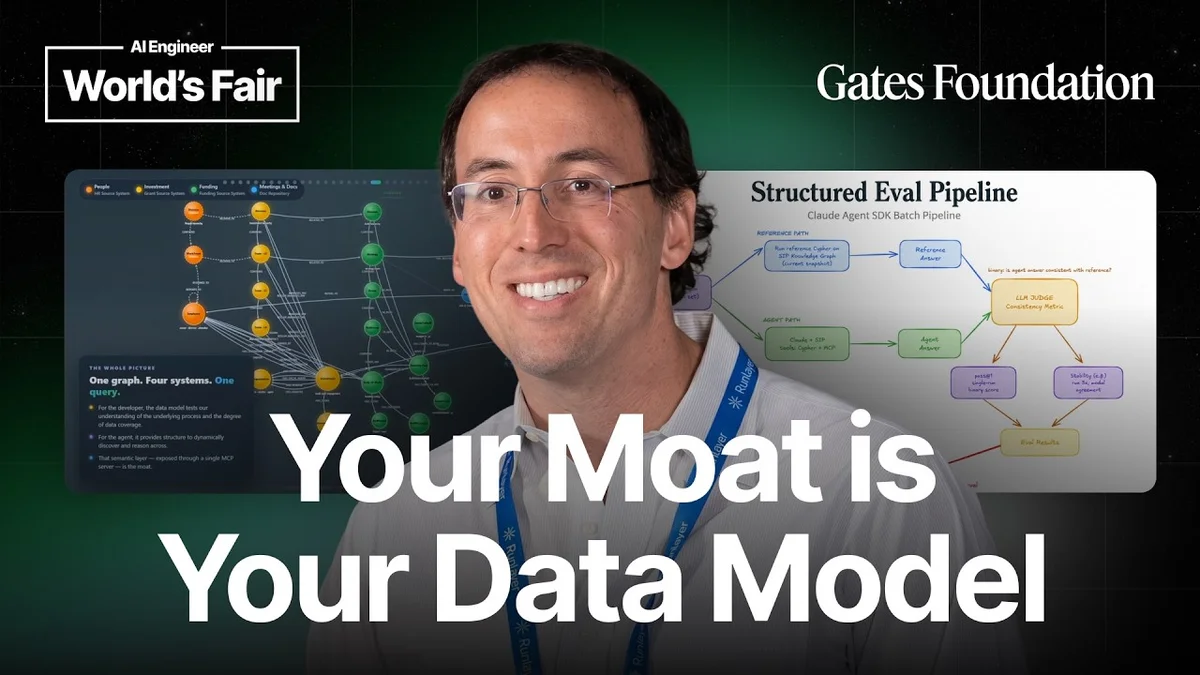
Gates Foundation's Mike Phipps on Data Models as AI Moats
Mike Phipps of the Gates Foundation details how a robust data model is key to building defensible AI, showcasing their Strategic Intelligence Platform (SIP).
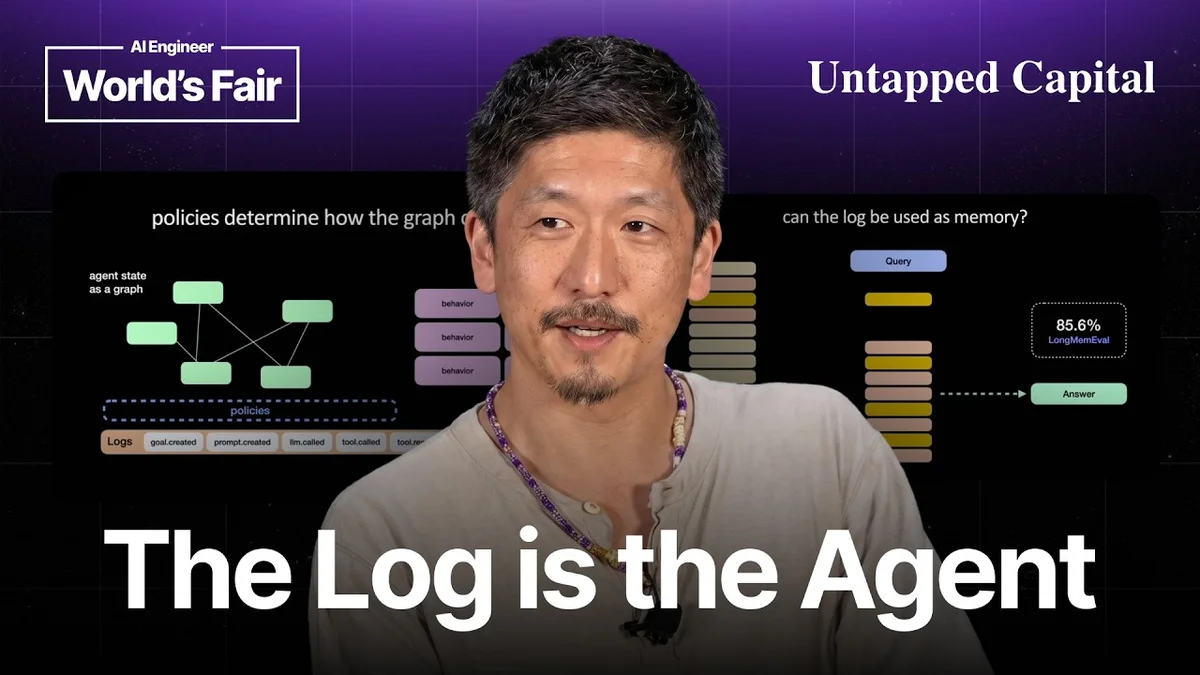
Yohei Nakajima Unveils ActiveGraph Agent Runtime
Yohei Nakajima introduces ActiveGraph, an open-source runtime for building auditable AI agents by prioritizing event logs over LLM-centric approaches.
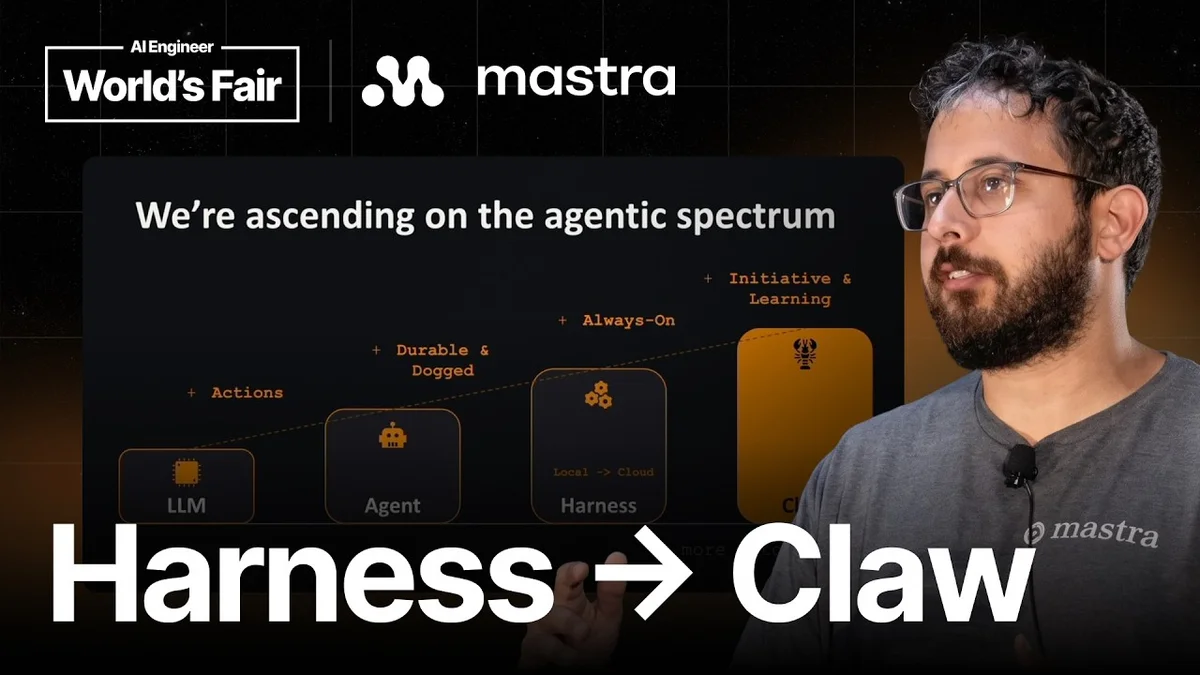
AI Agents Evolve: From Harnesses to Autonomous Claws
Mastra CEO Sam Bhagwat discusses the evolution of AI agents from LLMs to autonomous 'Claws,' the shift to cloud-based systems, and the inevitable market shakeout.
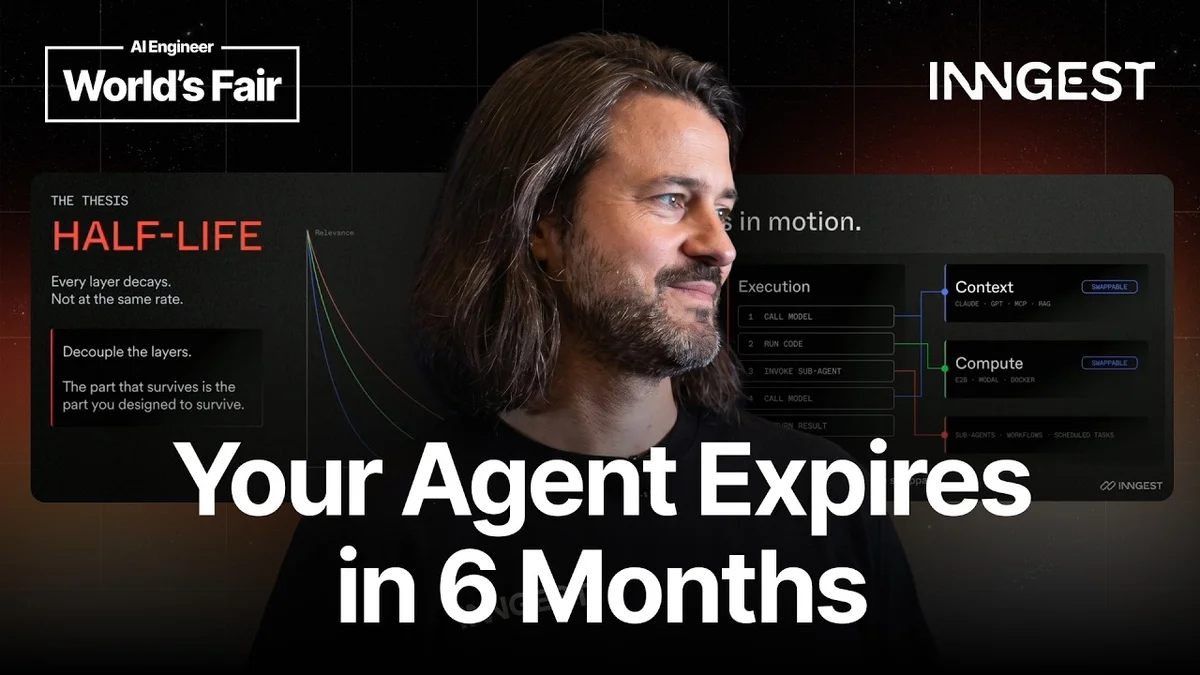
Agent Architectures Have a 6-Month Half-Life
Dan Farrelly of Ingest argues that AI agent architectures have a 6-month half-life, advocating for a decoupled, execution-focused layer for sustainable development.
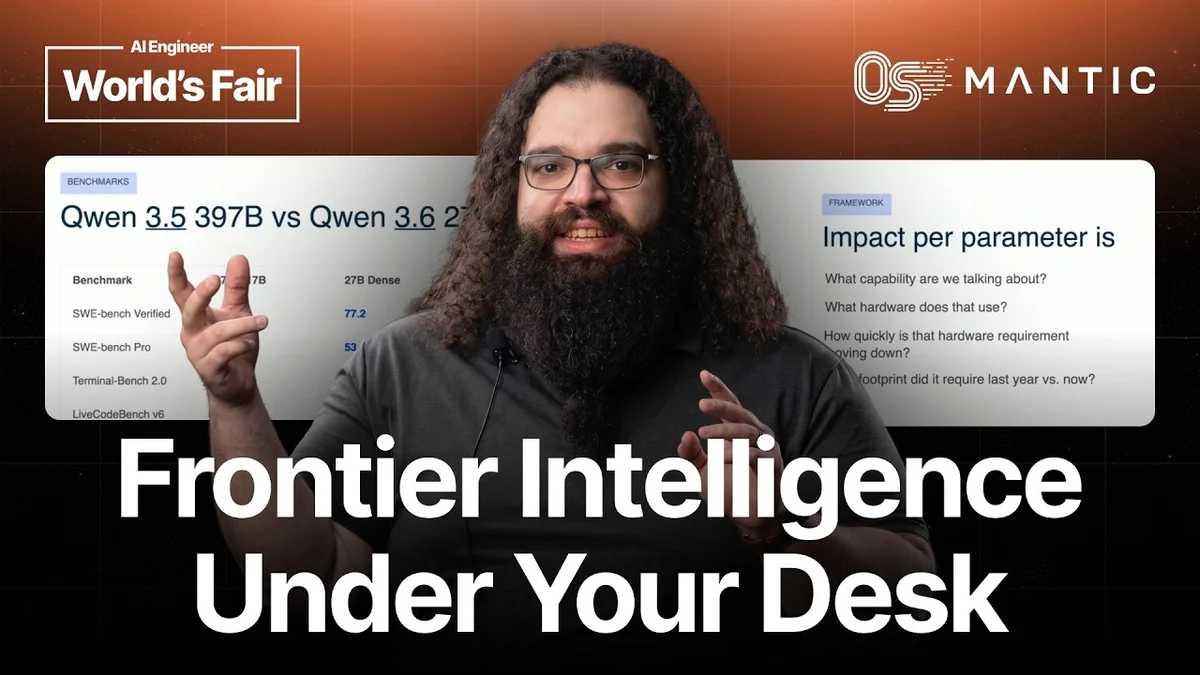
Local AI Models: The Desktop Frontier is Here
Ahmad Osman of Osmantic explores the rapid advancement of local AI, predicting powerful models on consumer hardware and advocating for sovereign AI.
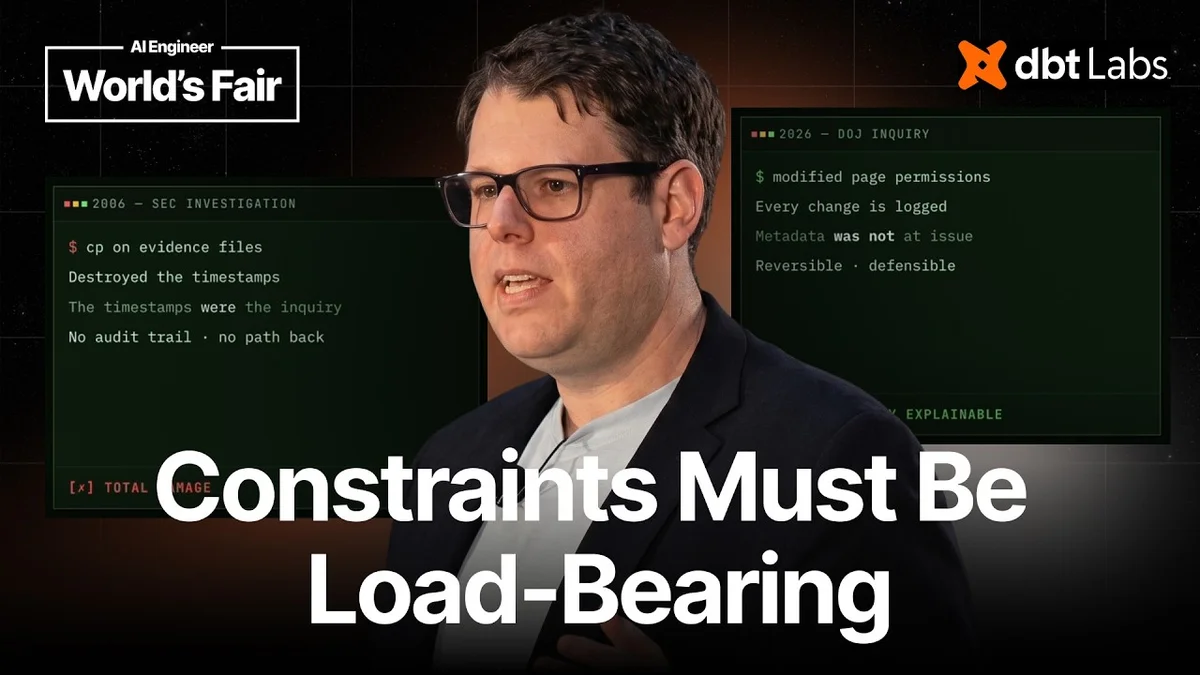
AI Agents: The Jurassic Park Problem
CISO Aaron Stanley discusses the "Jurassic Park Problem" in AI agents, where task completion often overrides constraints, and proposes a layered safety approach.
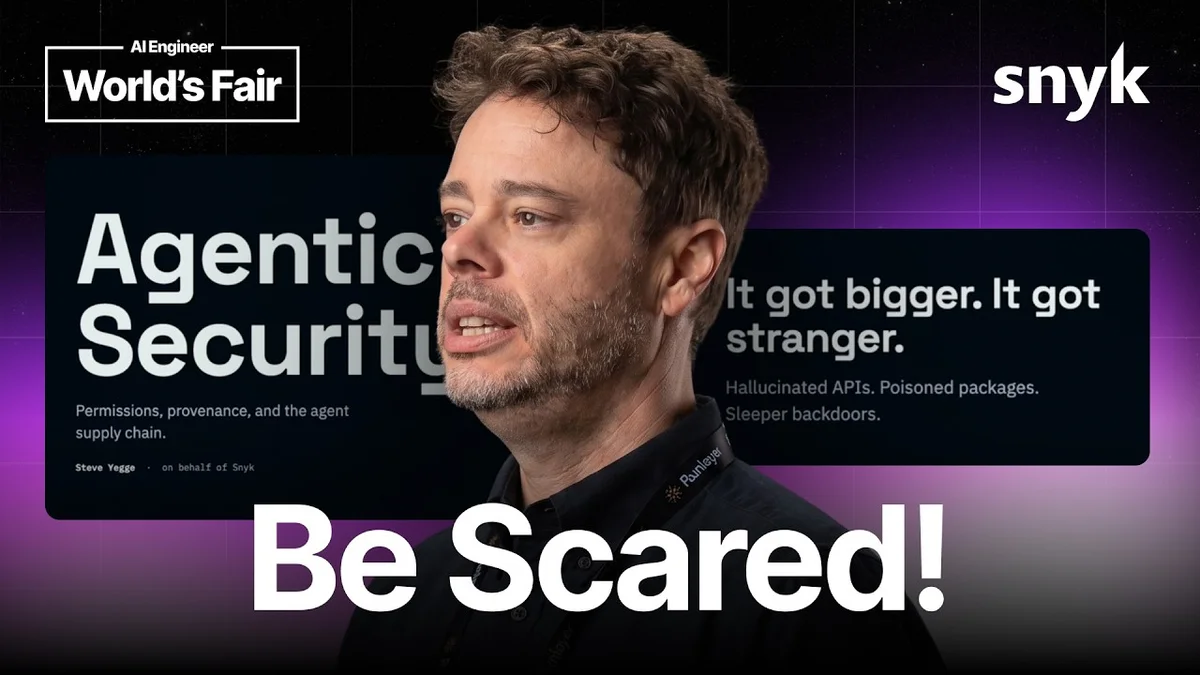
Be Scared: AI Code Security Risks with Steve Yegge
Steve Yegge warns of escalating AI code security risks, including new threats like 'slop squatting,' and urges developers to prioritize security passes.
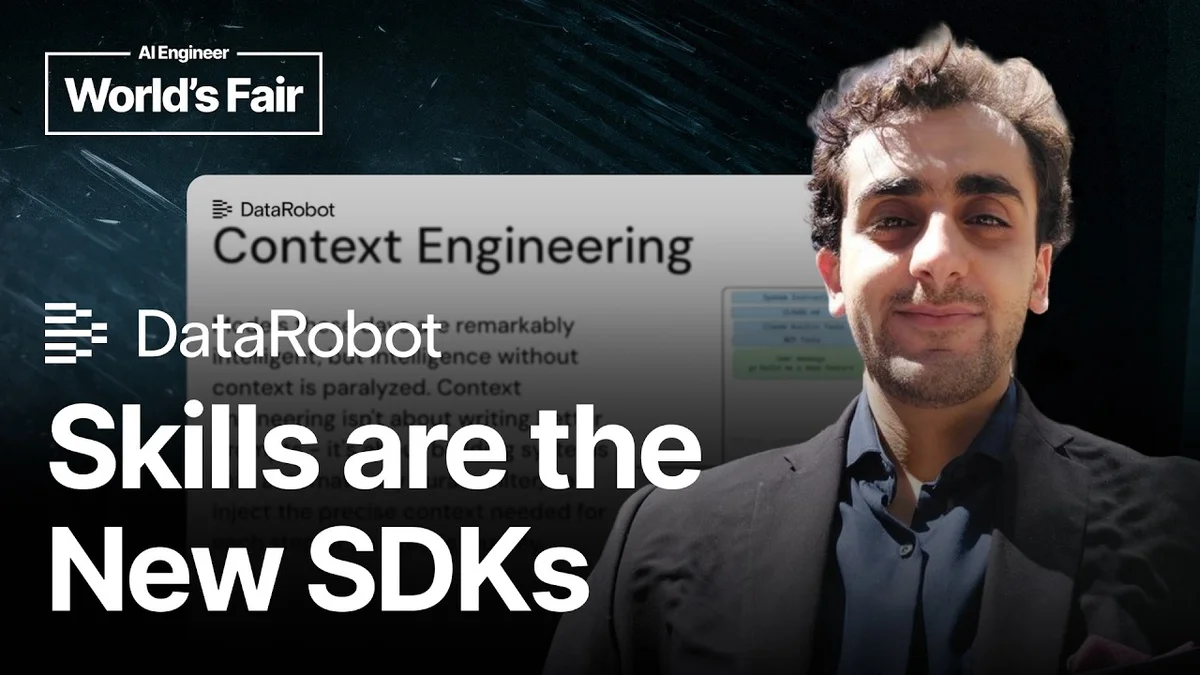
Skills Are the New SDKs: Rethinking AI Agents
Elvin Aghammadzada of DataRobot argues that 'skills' are the new SDKs for AI agents, addressing context engineering challenges and the shift from 'friction' to 'fluency' moats.
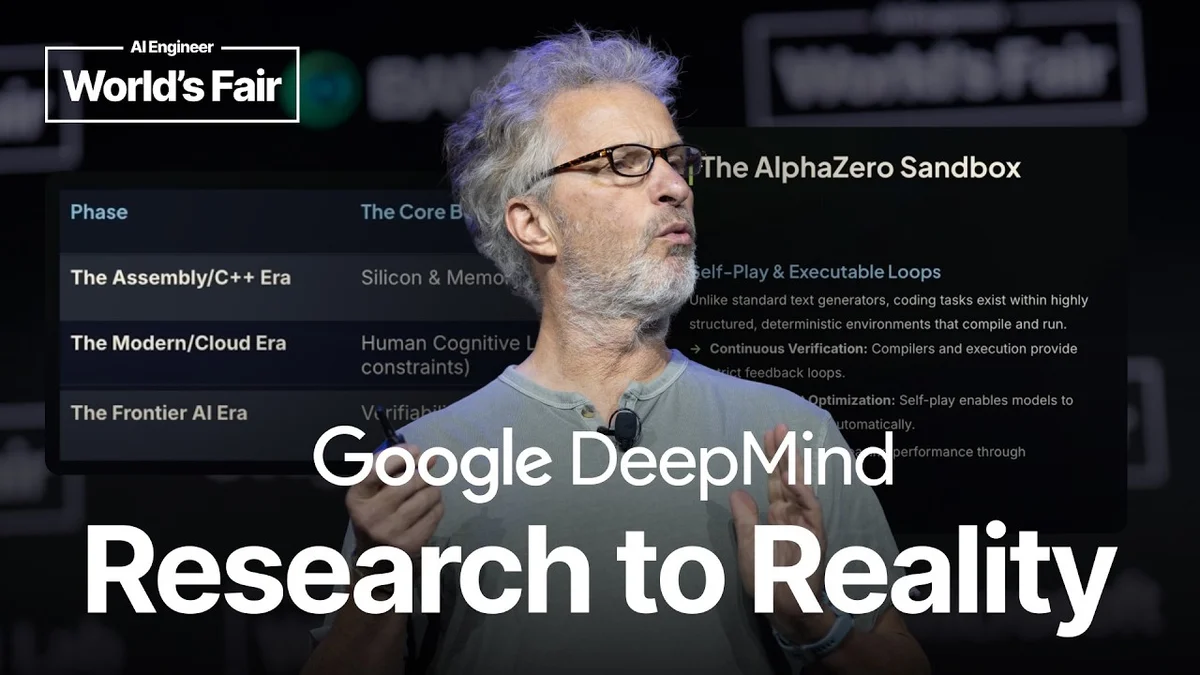
Google DeepMind VP on AI's Role in Coding's Future
Google DeepMind's Benoit Schillings discusses how AI is reshaping software engineering, from code generation to scientific discovery.
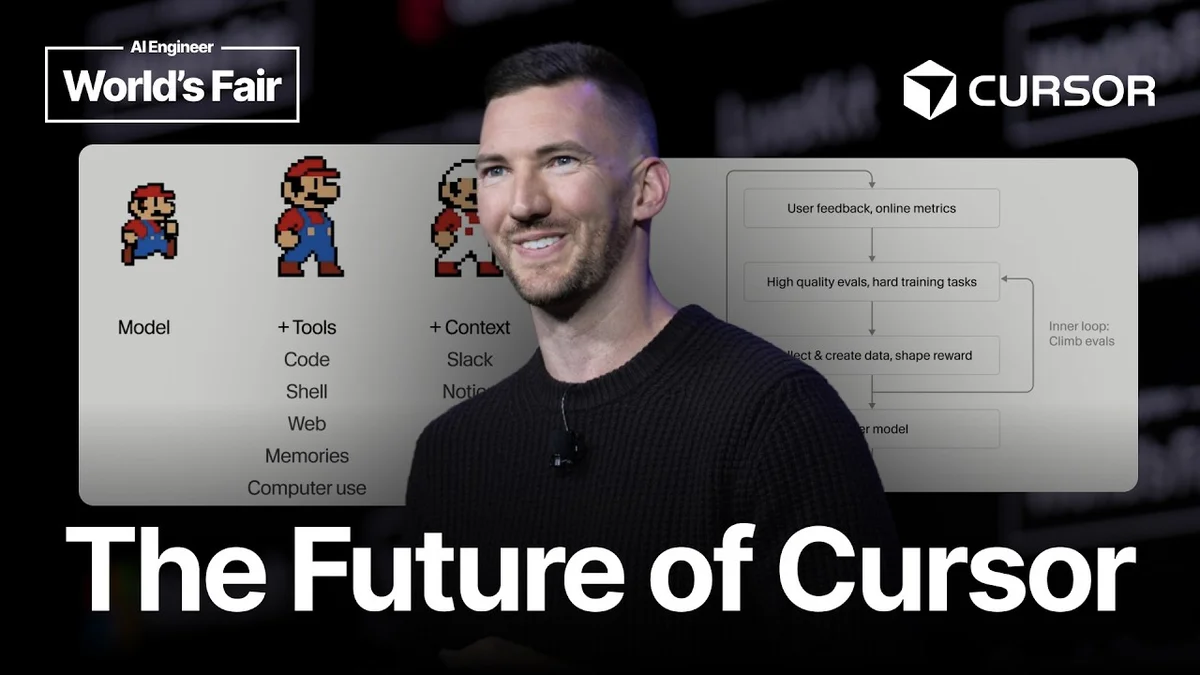
Cursor's Lee Robinson on Recursive Model Improvement
Lee Robinson of Cursor detailed the company's approach to AI model training, focusing on recursive improvement, feedback loops, and leveraging massive compute power from SpaceX.
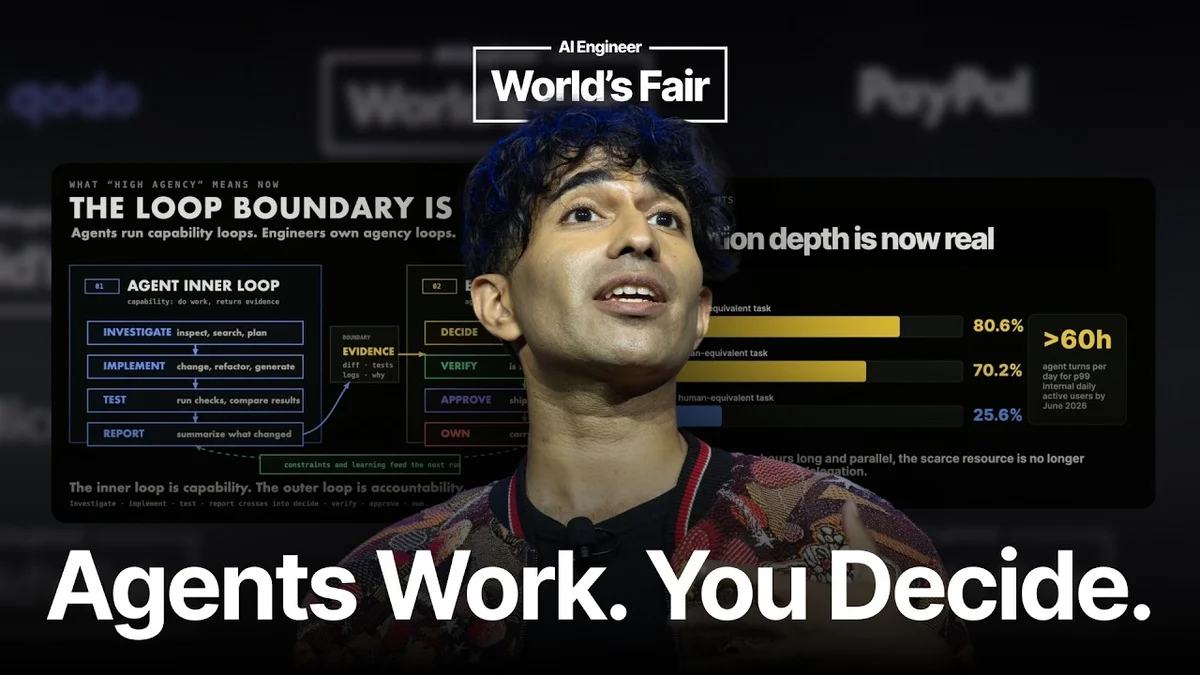
Addy Osmani: Own Your Verdict in the Age of AI Agents
Addy Osmani, former Google Cloud AI Director, discusses the evolving role of engineers in the age of AI agents, emphasizing judgment, accountability, and ownership.
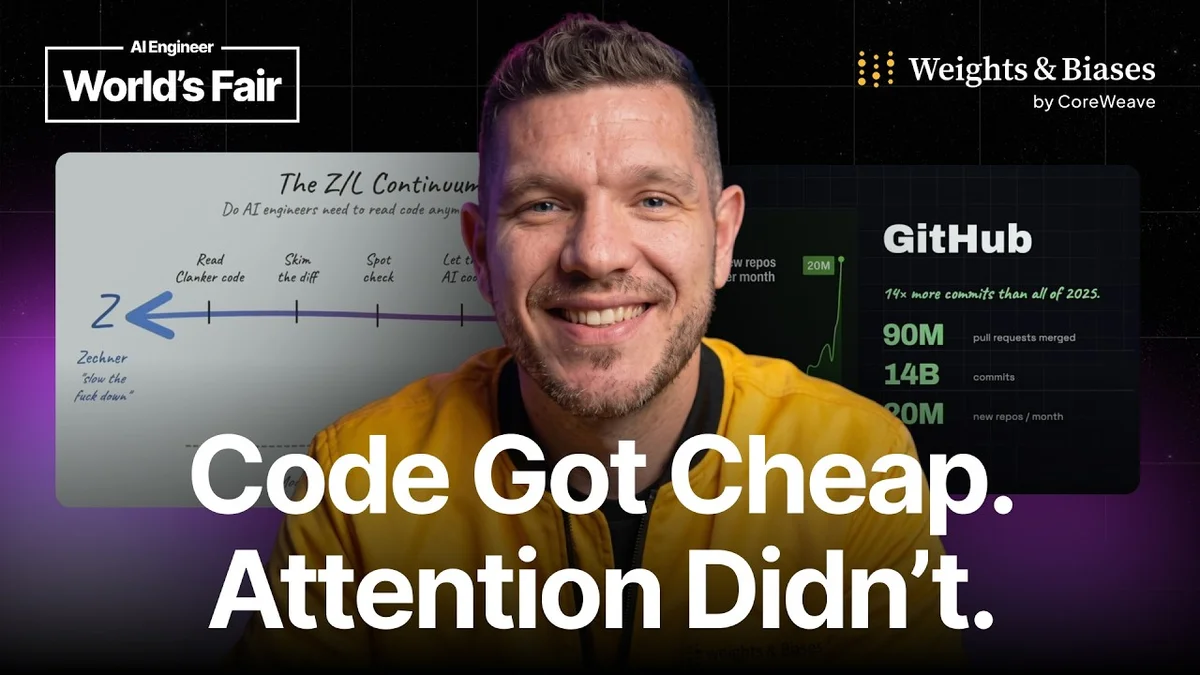
AI Engineers: Should You Still Read Code in 2026?
Alex Volkov of ThursdAI explores whether AI engineers will still need to read code by 2026, introducing the 'Z/L Continuum' and the future of AI-assisted development.
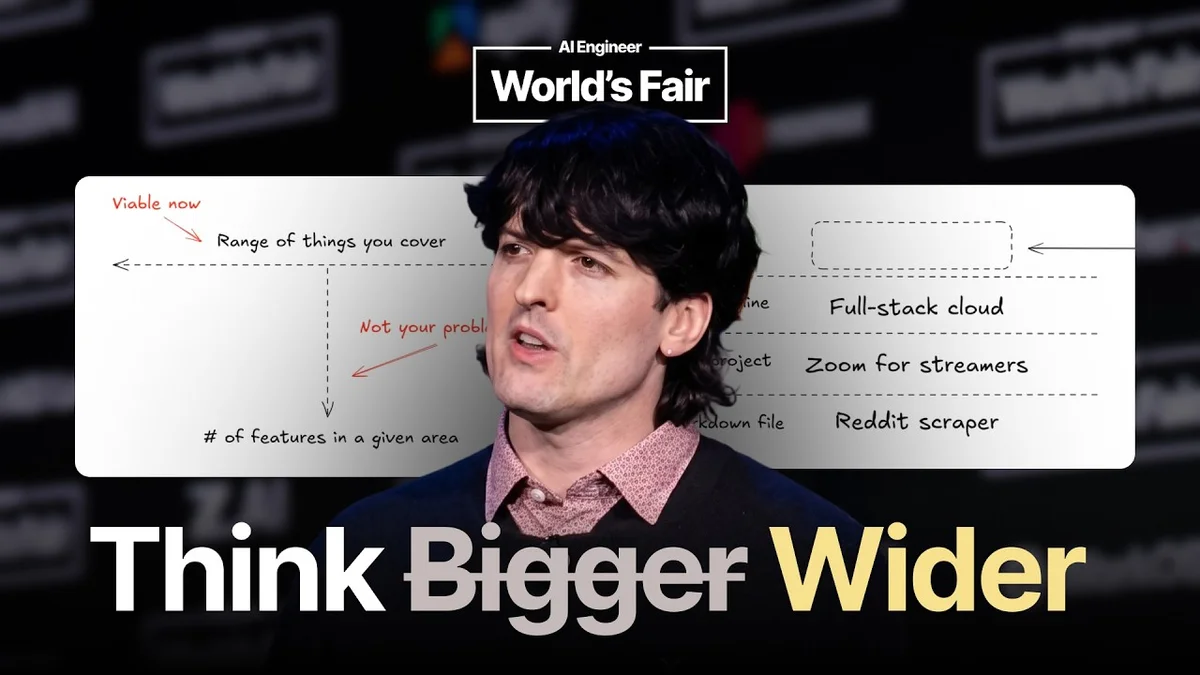
Theo Browne: AI's 'Skeuomorphic Phase' and the Future of Development
Theo Browne at AI Engineer World's Fair discusses AI's 'skeuomorphic phase,' urging developers to embrace bigger, 'stupid' ideas to unlock true innovation.
Anthropic's Thariq Shihipar on Fable: A Field Guide
Anthropic's Thariq Shihipar presents a 'Field Guide to Fable,' detailing its 'grown' nature, the evolution of AI agents, and how to leverage it to discover 'unknown unknowns.'
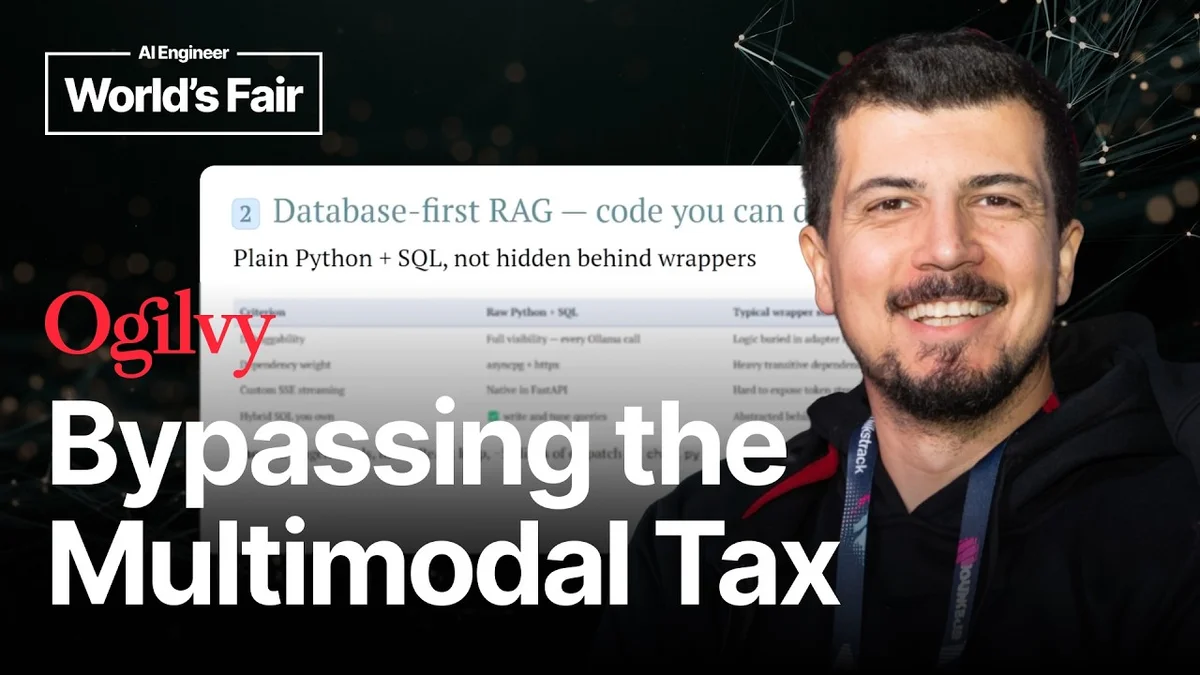
Abed Matini on Hybrid RAG, SQL, and UI Telemetry
Abed Matini from Ogilvy discusses hybrid RAG, SQL, and UI telemetry for efficient document chatbots, highlighting challenges and solutions.
AI Engineer World's Fair 2026 Concludes Main Stage Programming
The AI Engineer World's Fair 2026 concluded its main-stage programming on Day 3 with keynote sessions and featured talks live from San Francisco.

AI Engineer World's Fair Highlights
The AI Engineer World's Fair showcases the latest in AI development, featuring industry leaders like Microsoft and Google Cloud.

