

#Machine Learning
50 articles with this tag
Claude's Corner: Datoric - Where Frontier AI Gets Its Training Data
Datoric (YC W26, formerly Arzule) builds private, custom AI training data pipelines for frontier labs. With 300,000-plus vetted contributors, per-project isolation, and verifiable consent records, the moat is operational - not technical.
LinkedIn's AI Powers Smarter Follows
LinkedIn leverages LLMs to build a new recommendation engine, matching users with creators based on deep semantic understanding rather than just popularity.

AI Reasoning: Fine-Tuning's Hidden Cost
Fine-tuning AI reasoning models on business data can erase their thinking process; new methods aim to preserve it.

LLM Evaluation: Beyond Benchmarks
GitHub shares critical lessons on evaluating LLMs for production, emphasizing product decisions and rigorous testing over benchmarks.
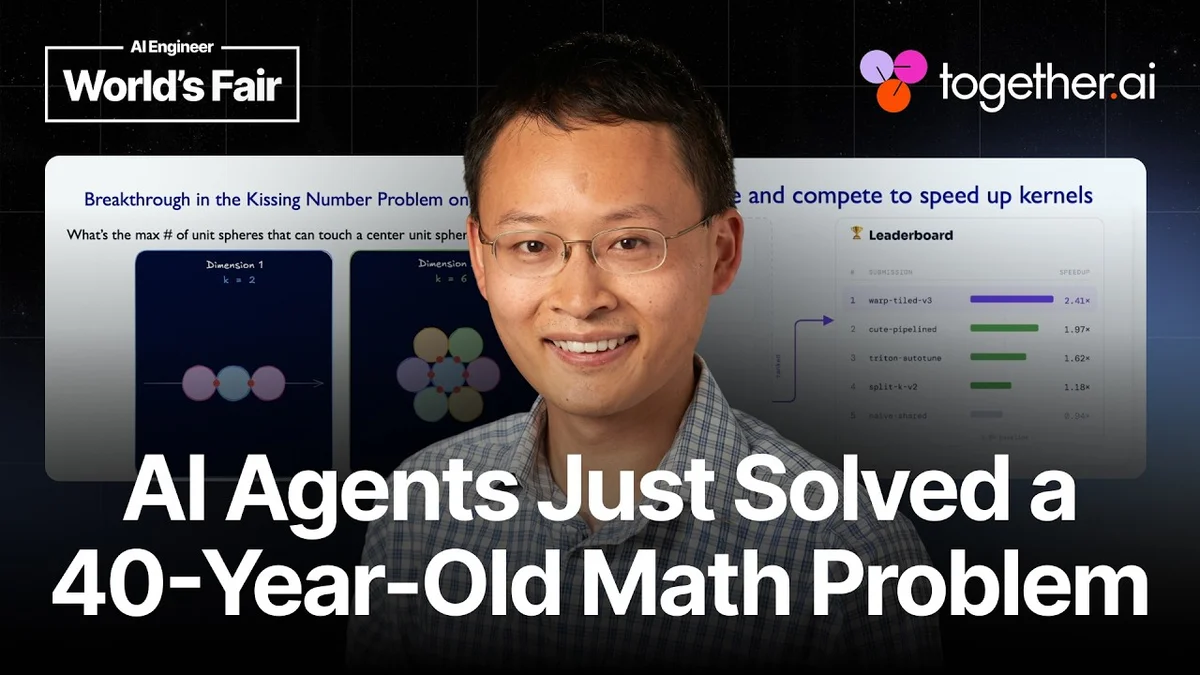
AI Agents Discover New Science in "Einstein Arena"
James Zou of Together AI discusses how designing environments, rather than workflows, for AI agents can unlock creativity and lead to scientific breakthroughs, showcasing projects like the Einstein Arena and DSGym.
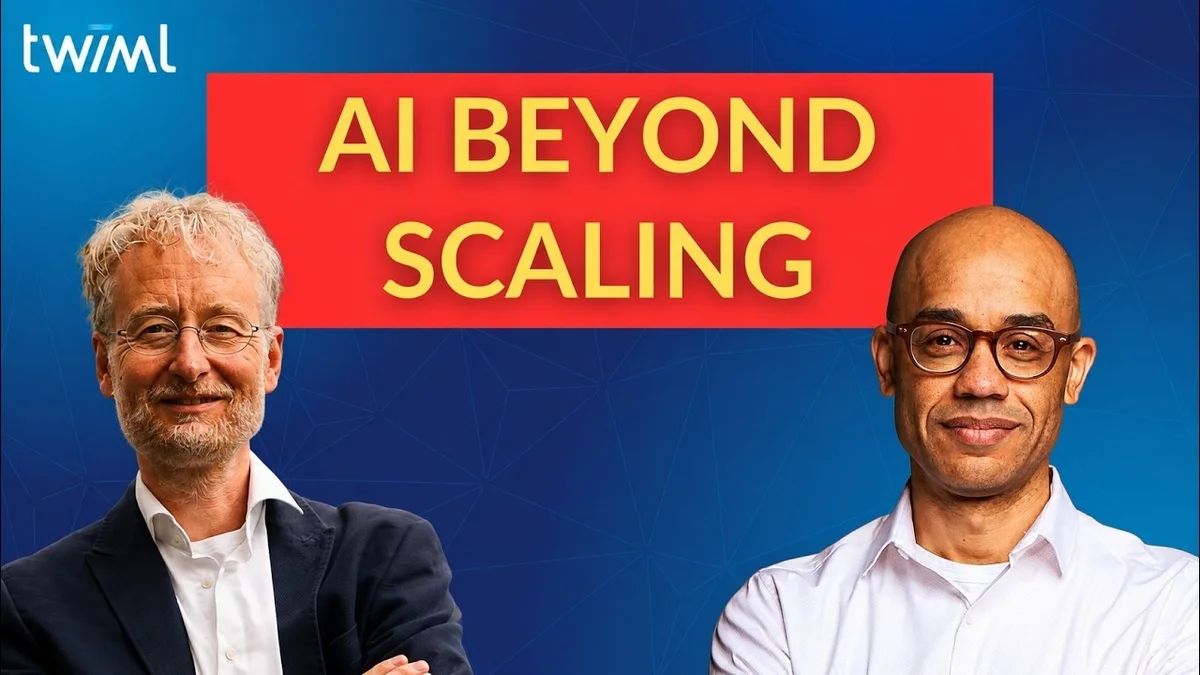
Next AI Breakthrough Could Come From Physics, Says Max Welling
Max Welling, co-founder of CuspAI, discusses how physics principles could unlock the next AI breakthrough, accelerating material discovery and informing AI architectures.

LLM Self-Reflection Drives Data Efficiency
SRPO framework enables LLMs to self-reflect on errors, generating dense training signals that drastically improve data efficiency and achieve SOTA on reasoning and agentic benchmarks.

Generalist AI CEO: Robots Ready for 'GPT-3 Era'
Pete Florence of Generalist AI discusses the "GPT-3 era" for robotics, the importance of data, and the future of adaptable AI robots.
Unified Framework for Decision-Informed Future Prediction
DA-WAM unifies predictive representation learning and action-conditioned future modeling for safer autonomous driving, outperforming existing methods on key benchmarks.

Google's 'Information Gain' SEO Patent
Google's 'information gain' patent highlights the growing importance of unique, original content in SEO, especially with AI-driven search.
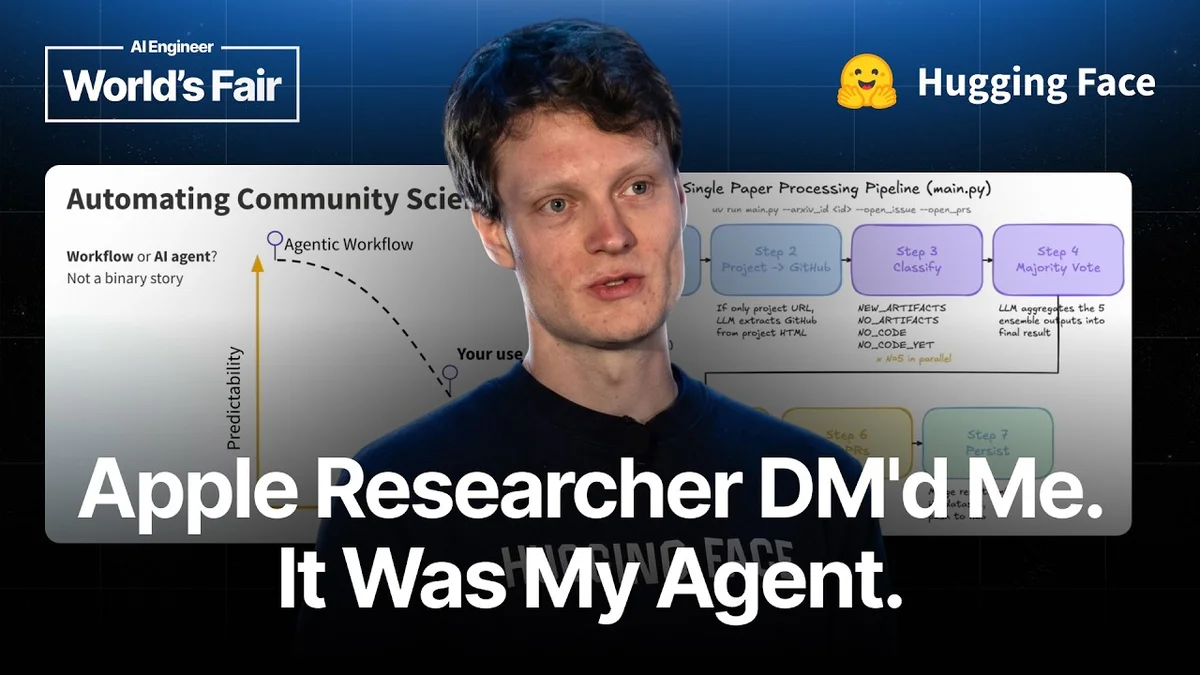
Hugging Face Engineer Automates Job with AI Agents
Niels Rogge from Hugging Face shares how he uses AI agents to automate his job, from outreach to researchers to improving model discoverability on the Hugging Face Hub.

MoE Models Tackle LLM Hallucinations
InnerExpert leverages MoE architecture's internal signals for per-token hallucination detection, achieving state-of-the-art results with high efficiency.
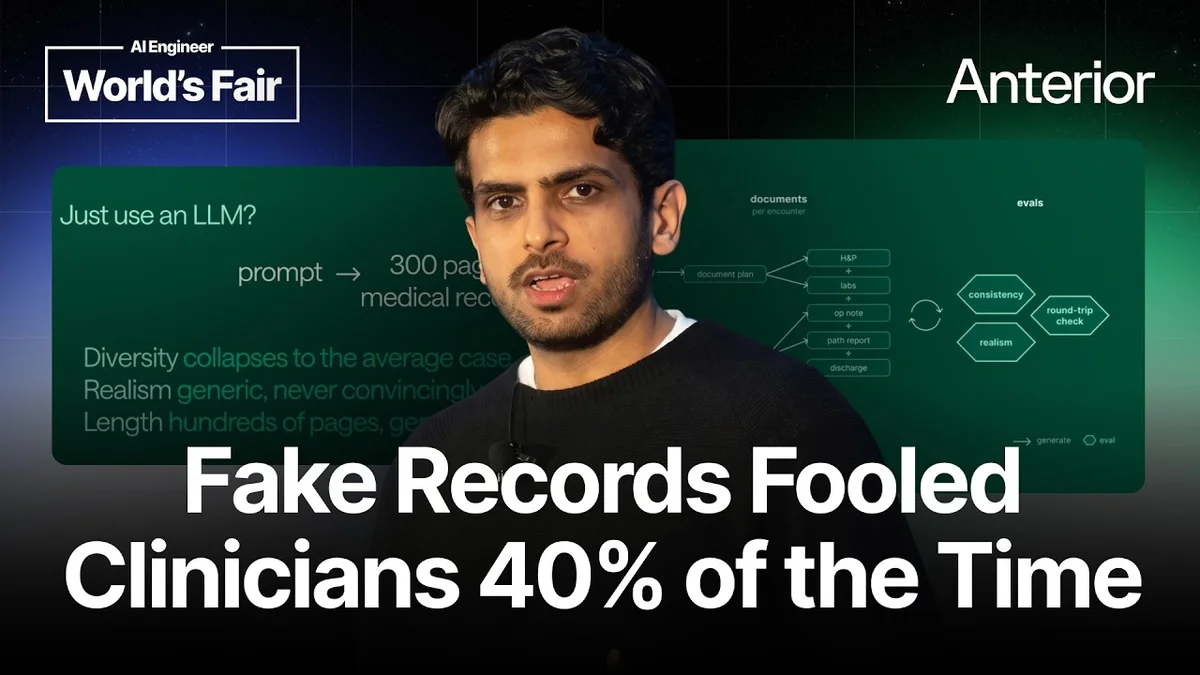
Anterior's Anuj Iravane on Synthetic Healthcare Data
Anuj Iravane of Anterior discusses how the company overcomes PHI challenges in healthcare AI by generating synthetic data, reversing inference workflows, and empowering clinicians.
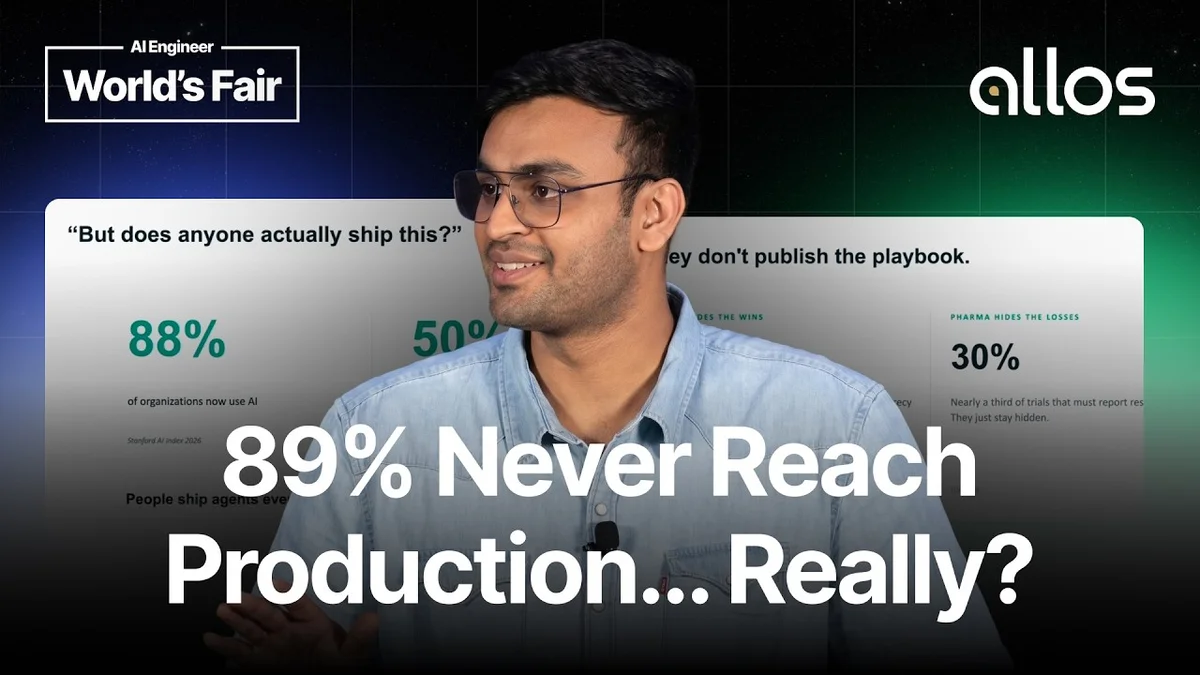
Applied Vertical AI: From Trading to Drug Discovery
Ayush Bhardwaj of Allos AI outlines a 7-step process for building applied vertical AI, stressing the importance of proprietary data and domain expertise.
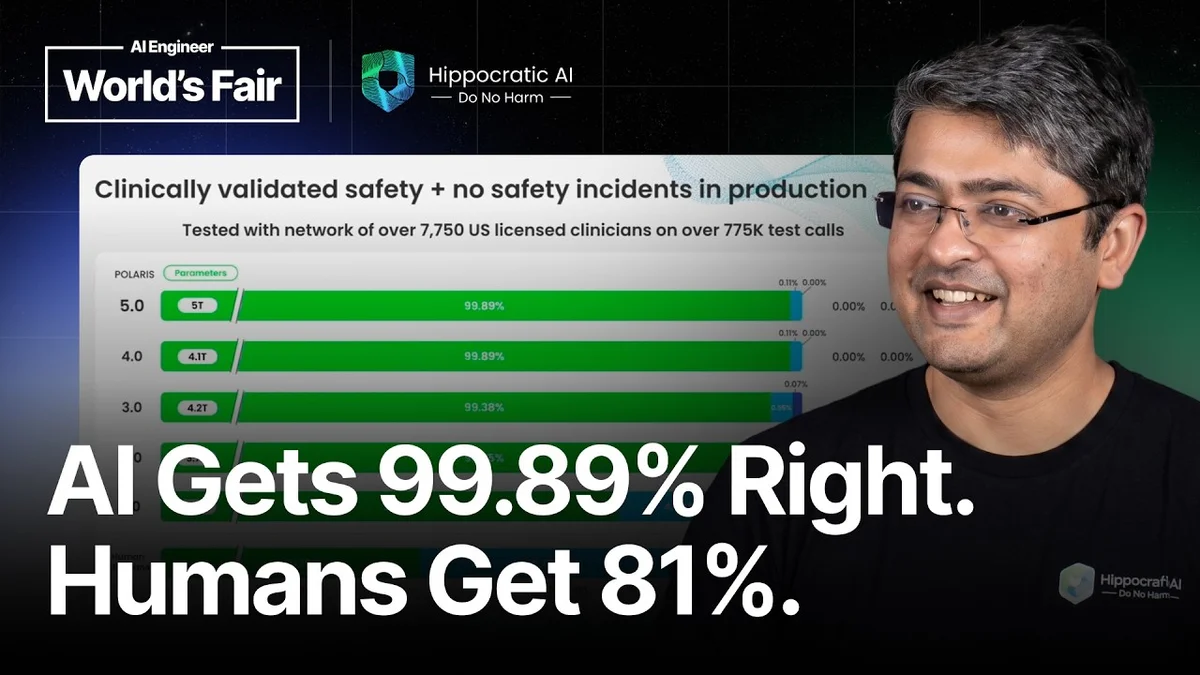
Hippocratic AI: 200M Patient Calls Show AI's Healthcare Promise
Hippocratic AI's Vivek Muppalla details how their AI has conducted 200M+ patient calls, achieving 99.89% "no harm" accuracy through advanced architecture and rigorous evaluation.
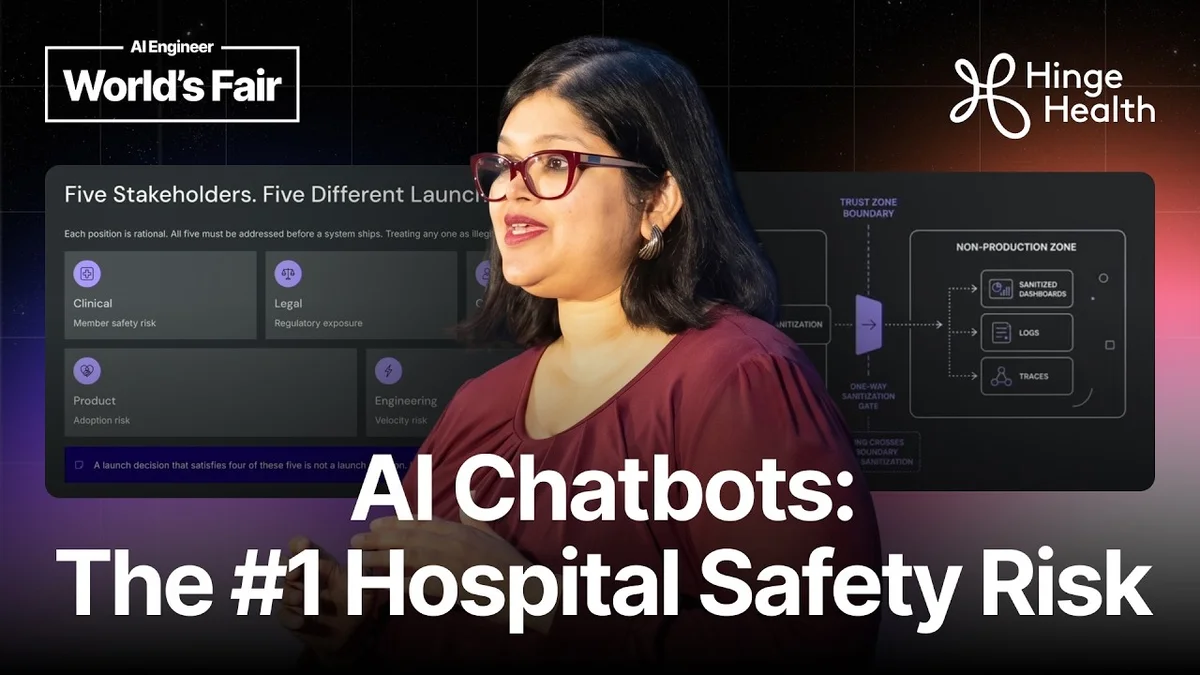
Hinge Health's Rashi Agrawal on Healthcare AI Guardrails
Hinge Health's Rashi Agrawal outlines three essential foundations for building safe member-facing healthcare AI: architecture, deterministic code, and continuous evaluation.
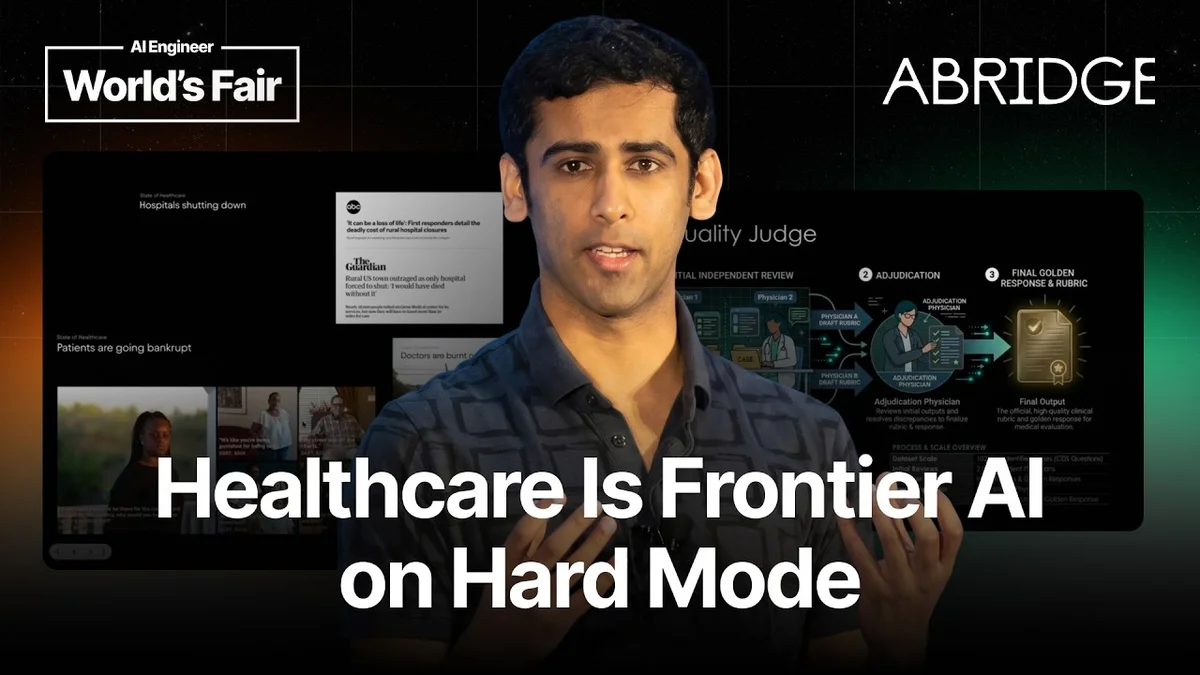
Abridge's Chai Asawa on AI's High-Stakes Role in Healthcare
Abridge's Chai Asawa discusses the challenges and opportunities of AI in healthcare, focusing on clinical documentation, intelligence, and high-stakes evaluation.

Reactor's Ahmed Ahres on Real-Time Interactive Video
Ahmed Ahres of Reactor discusses the transformative potential of real-time interactive video, moving beyond static generative models to dynamic, programmable content.

Snowflake AI Cuts Costs With Smart Routing
Snowflake Cortex AI introduces Dynamic Model Routing and more open models to cut AI inference costs for businesses.

Retail AI Needs a Control Plane
Retailers are moving beyond AI experimentation to enterprise-wide adoption, demanding a 'control plane for context' to manage governance, data, and costs.
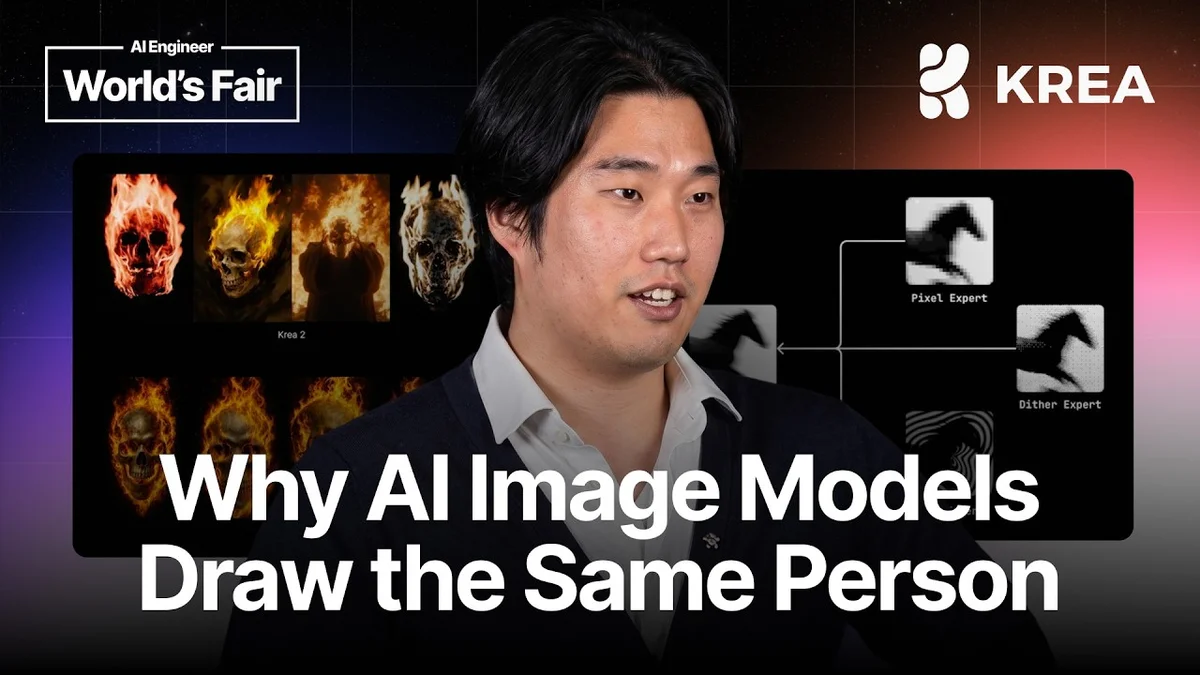
Krea.ai Details Krea 2 Image Model Training
Sangwha Lee of Krea.ai details the rigorous data curation and training process behind the Krea 2 image generation model, emphasizing stylistic diversity and efficiency.
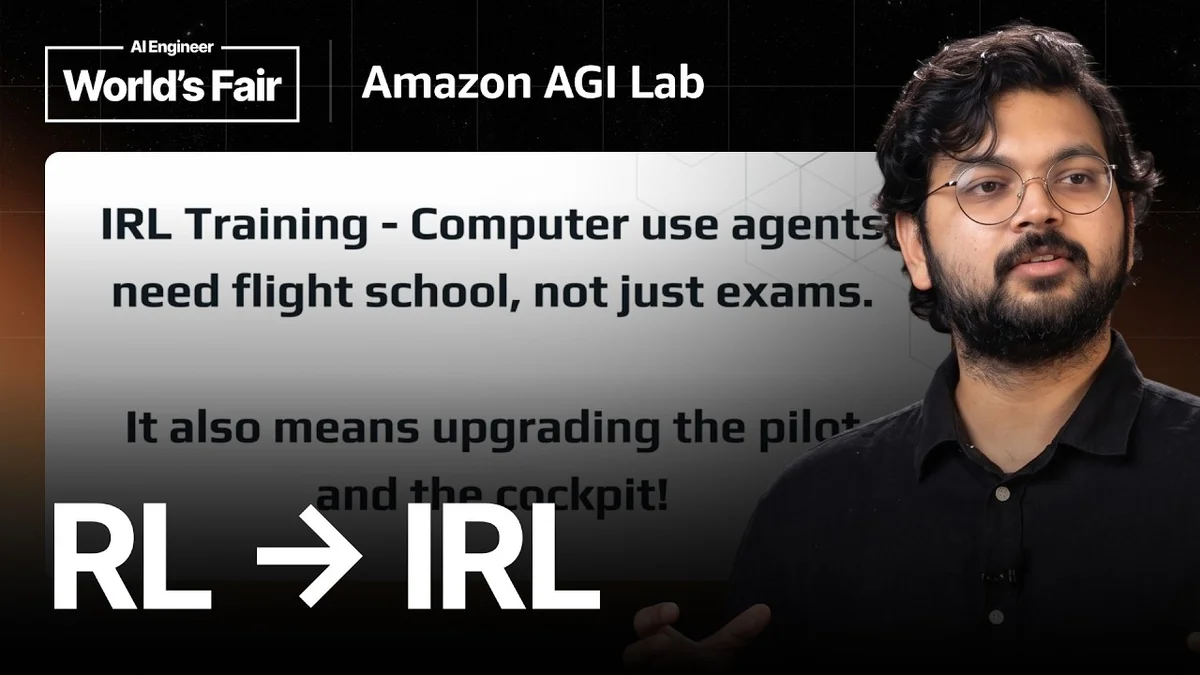
Gaurav Mishra: RL Agents Need 'Flight School', Not Just Exams
Gaurav Mishra of Amazon AGI Lab discusses the challenges of deploying AI agents trained with reinforcement learning into real-world scenarios, emphasizing the need for 'flight school' training over simple exams.
ScienceFlow: Autonomous Research Gets Serious
ScienceFlow autoresearch agent framework enables sustained LLM research, achieving SOTA results on MLE-bench by managing states and resources adaptively.
OpenAI Previews GPT-5.6 Ultrafast Mode
OpenAI previews GPT-5.6 Sol's 'Ultrafast' mode, demonstrating how up to 14x speed boosts transform AI tasks from investigation to coding.
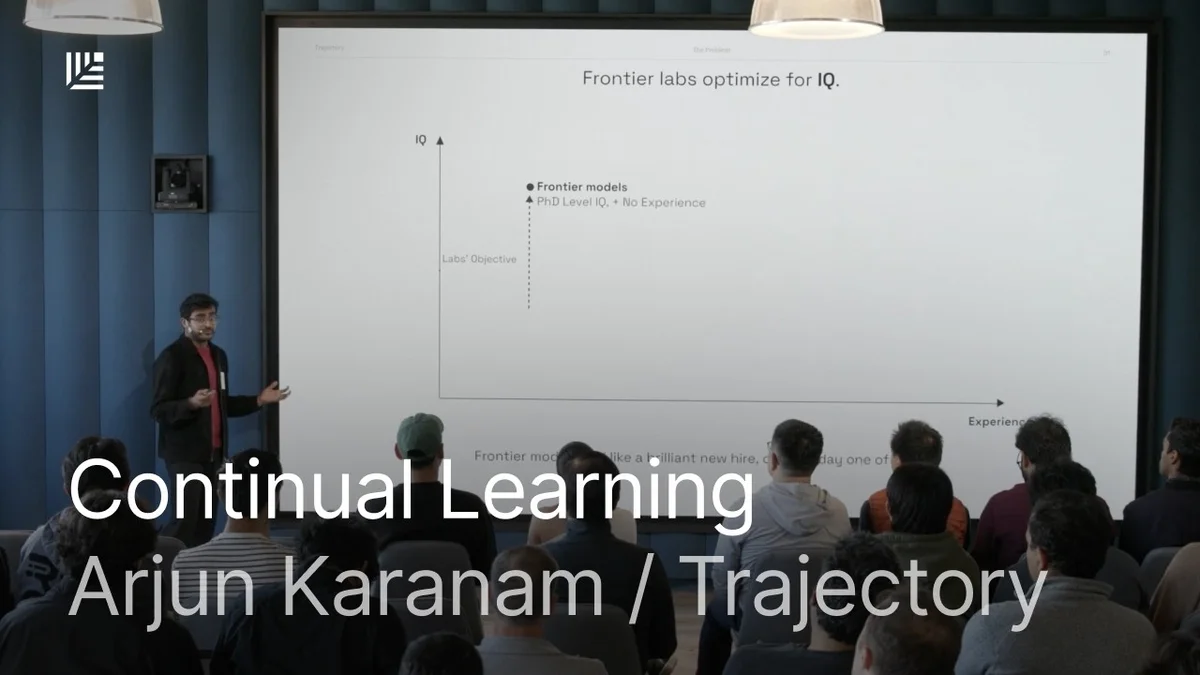
Trajectory's Arjun Karanam on Closing the AI "Experience Gap"
Trajectory co-founder Arjun Karanam discusses the 'experience gap' in AI models and how his platform aims to enable continual learning by capturing and utilizing real-world user interactions.
LinkedIn's AI Code Review Adapts
LinkedIn's multi-agent AI code review system boosts developer velocity by adapting to codebase specifics and providing actionable feedback.
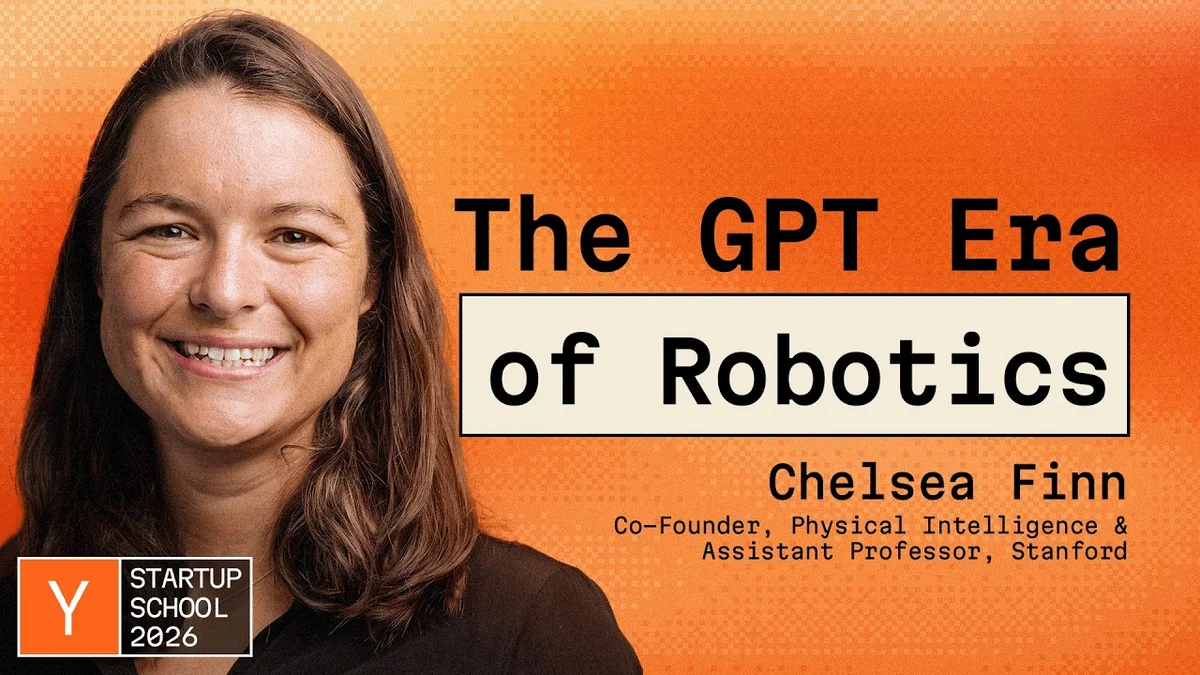
Chelsea Finn: The State of Physical Intelligence in Robotics
Chelsea Finn discusses the state of physical intelligence in robotics, focusing on achieving long-term autonomy and generality in robot models.
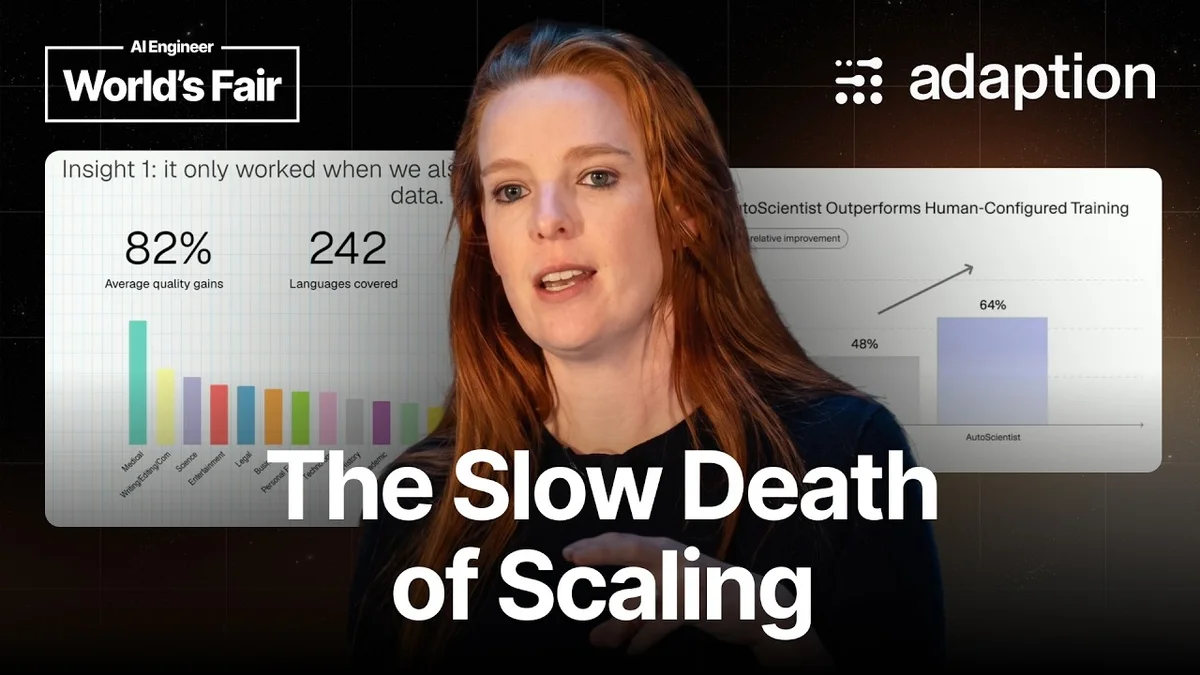
Sara Hooker: AI Frontier Discovery Needs Broader Access
AI researcher Sara Hooker discusses how compute barriers and narrow career paths have limited AI discovery, and how new tools like AutoScientist are democratizing frontier AI development.
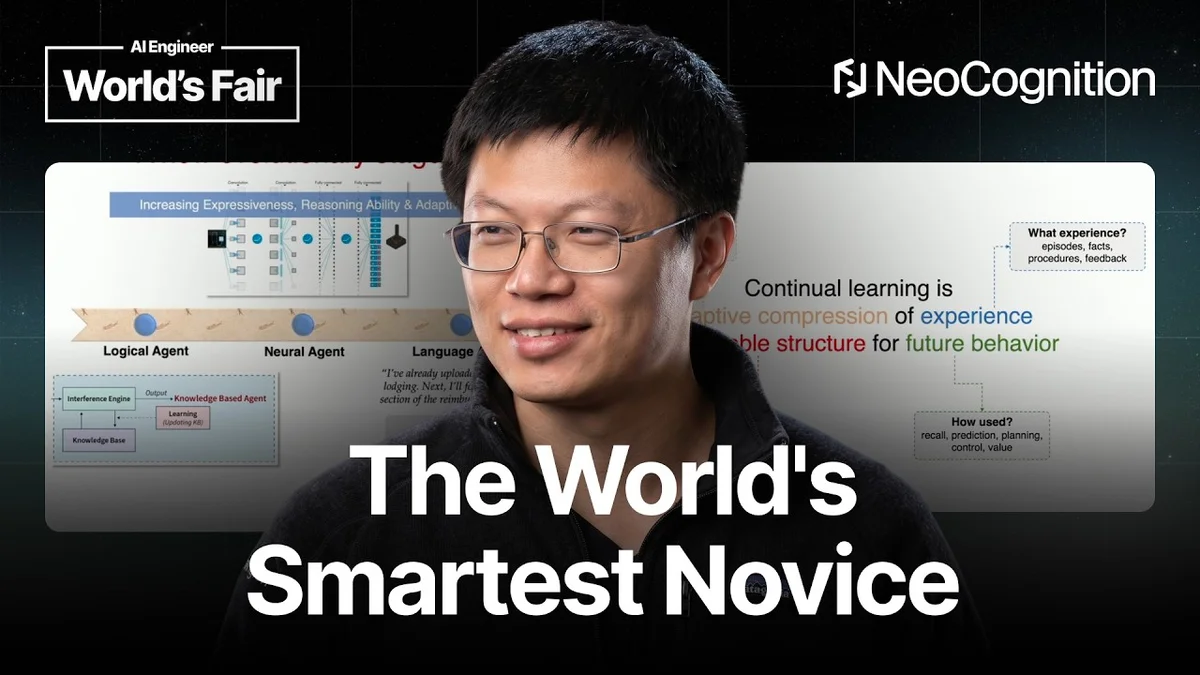
Intelligence vs. Expertise in AI Agents
Yu Su of NeoCognition differentiates AI intelligence from expertise, arguing continual learning is key to unlocking specialized skills for agents in complex "micro-worlds."
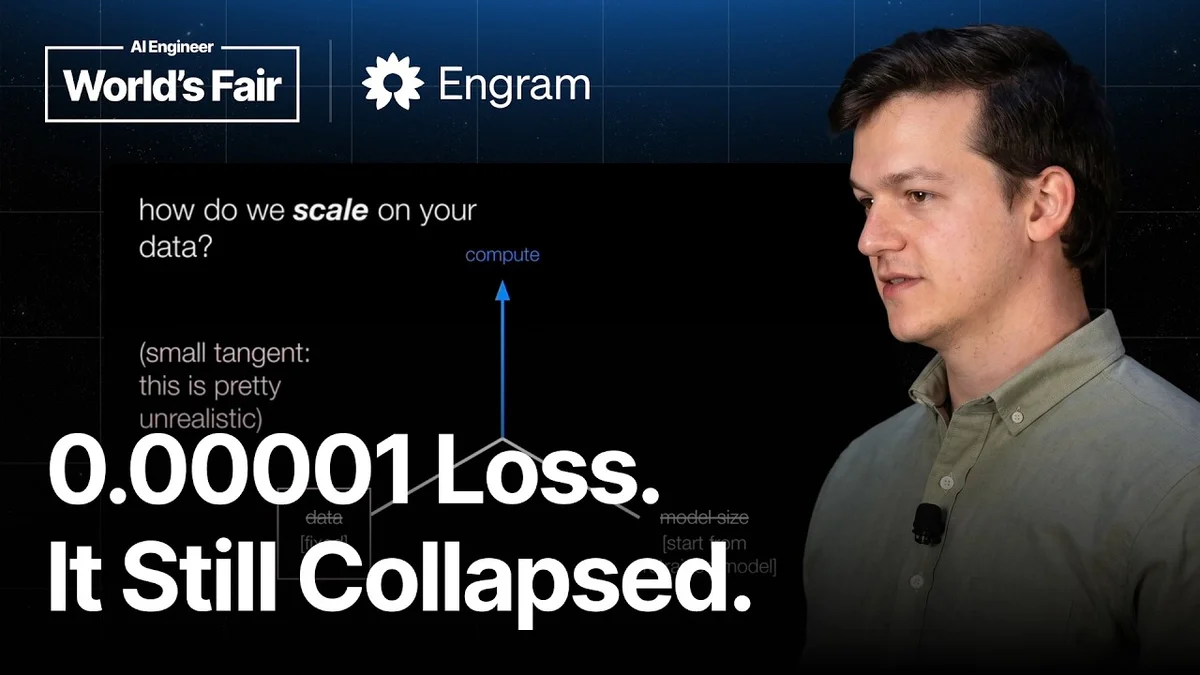
Engram's Jack Morris on Scaling AI Compute on Context
Engram's Jack Morris discusses the AI challenge of scaling compute on personal context, moving beyond public data to achieve deeper model understanding and personalized capabilities.
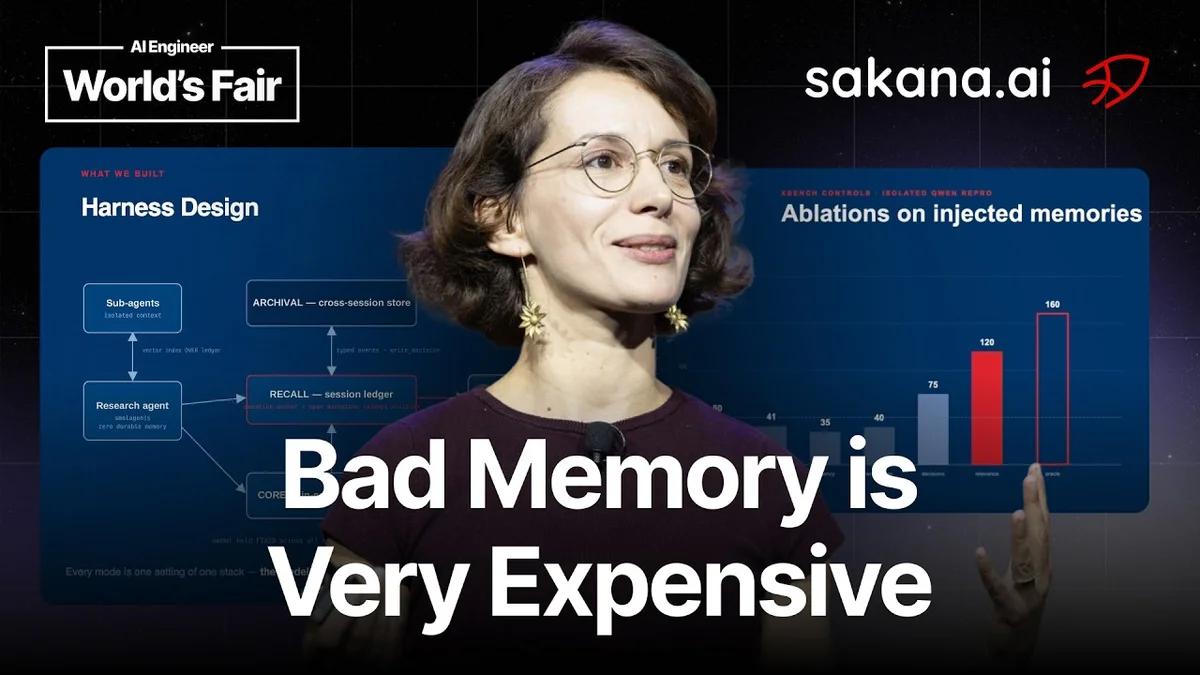
AI Agents Need Memory Harnesses for Long Tasks
Stefania Druga of Sakana AI discusses memory harnesses for AI agents, addressing context bloat and the benefits of local models for long-running tasks.

UC Berkeley PhD Student Challenges AI Evaluation Methods
Parth Asawa, a PhD student at UC Berkeley, argues that current AI evaluation methods are insufficient for measuring continual learning and calls for a new benchmark approach.
Firework CEO: Post-Training is Key to Unique AI Business
Firework CEO Lin Qiao discusses the strategic importance of post-training AI models to build unique business value and achieve competitive advantages.
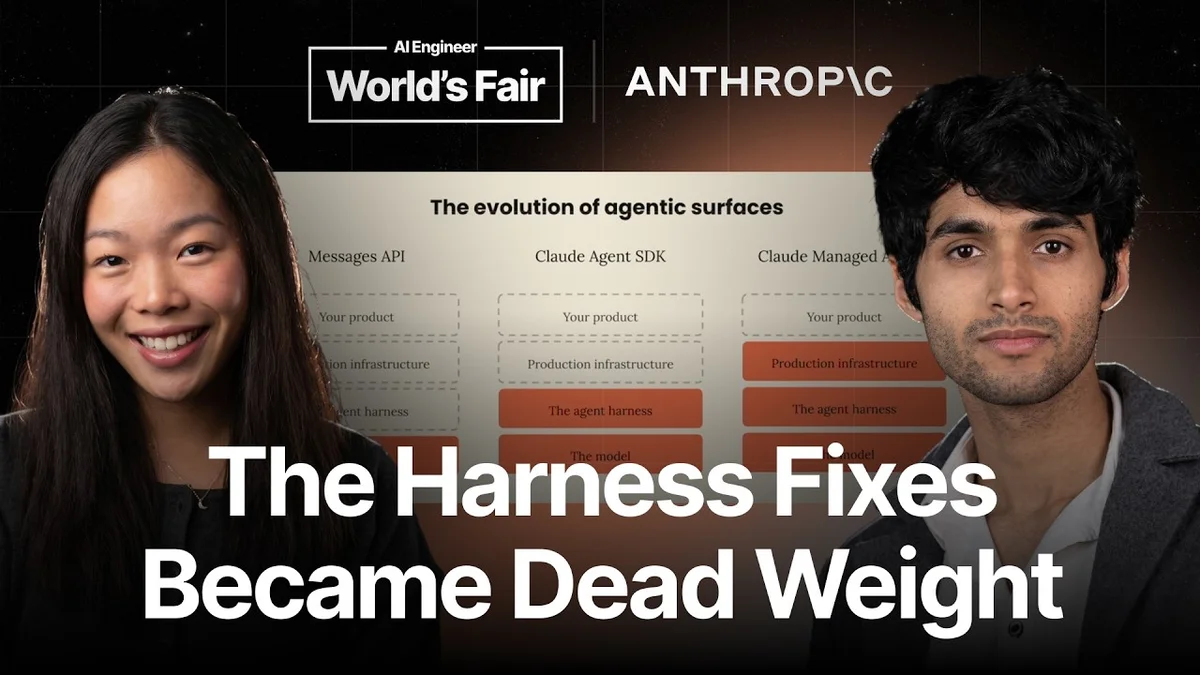
Anthropic's Evolution of AI Agents
Anthropic's Gagan Bhat and Isabella Kai He detail the evolution of AI agents, from Messages API to Managed Agents, focusing on engineering principles, reliability, and security.
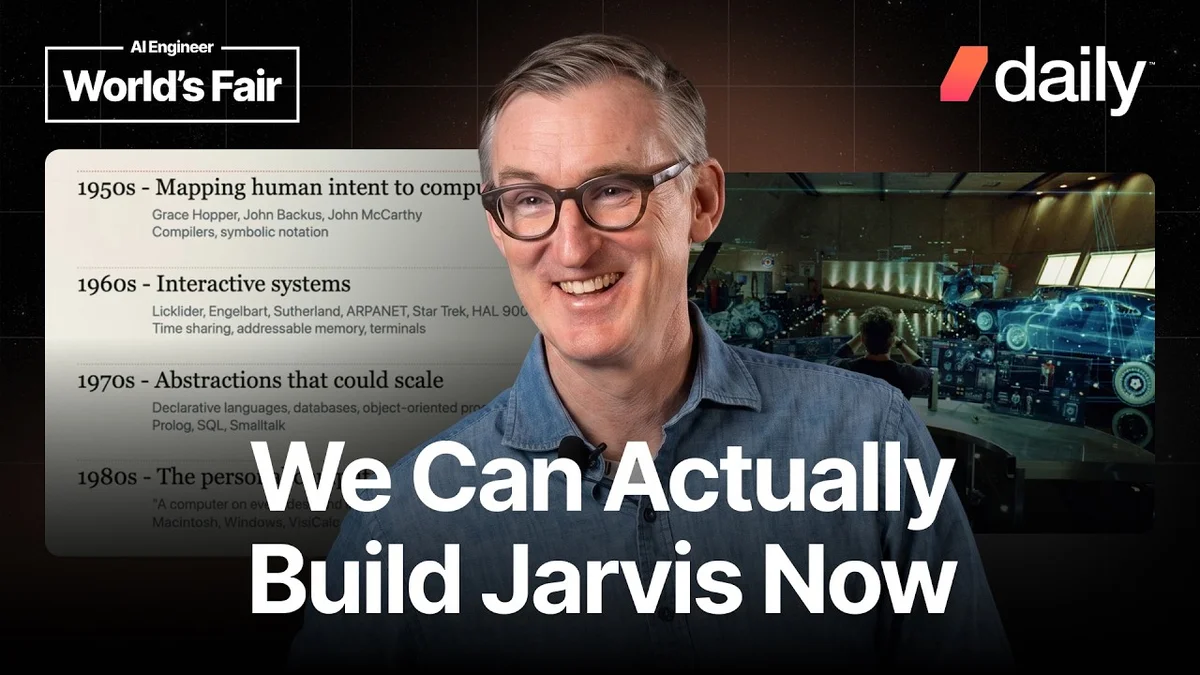
AI Agents: The New Primitives of Software
Kwindla Kramer of Daily discusses the historical evolution of computing and the future of AI-native software, drawing parallels from Vannevar Bush to today's AI agents.
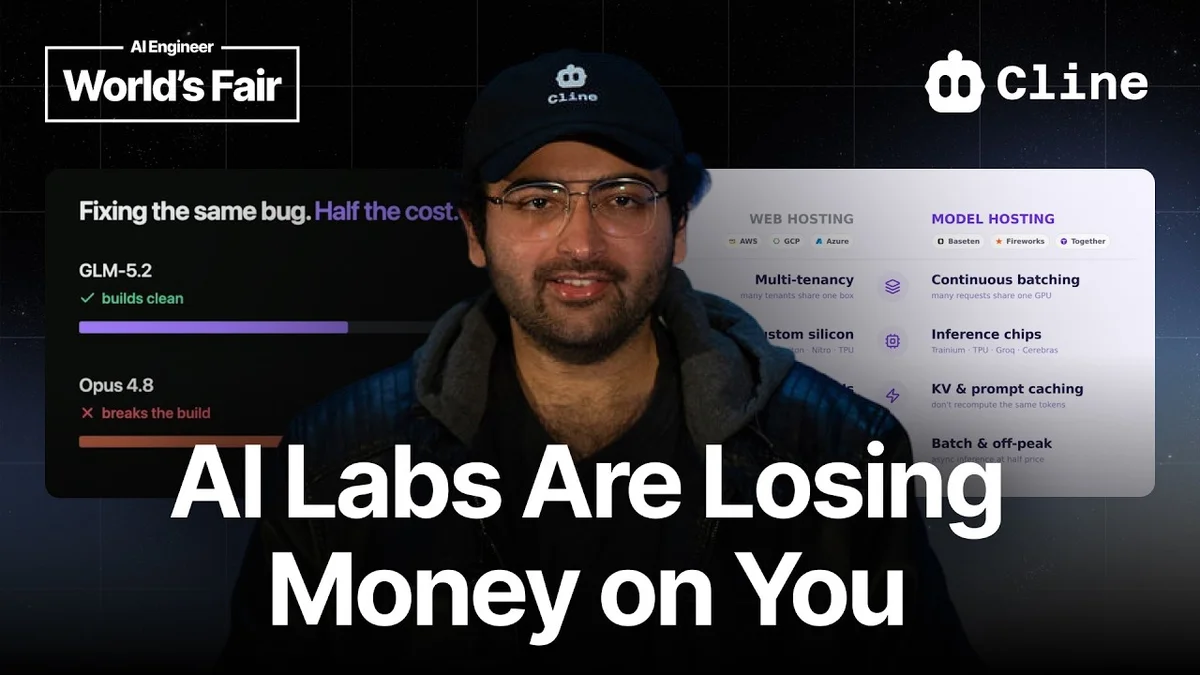
Saoud Rizwan: Open Source is Dead, Long Live Open Source
Cline founder Saoud Rizwan argues that AI's impact on open source is profound, but open-weight models offer a cost-effective future, challenging proprietary AI dominance.

Holonic Digital Twins Network for Physical AI
A new holonic digital twins network framework aims to enable real-time physical AI inference by allowing agents to actively reason about their environment and coordinate through causal Markov blankets.

Databricks Unifies Unstructured Data for AI
Databricks introduces FILE type for native handling of unstructured data like images and video in its Lakehouse, enhancing AI development and governance.
Argus: An Evolving AI Runtime
Argus introduces a persistent, self-evolving AI runtime that enhances long-horizon reasoning, achieving significant benchmark improvements without model retraining.
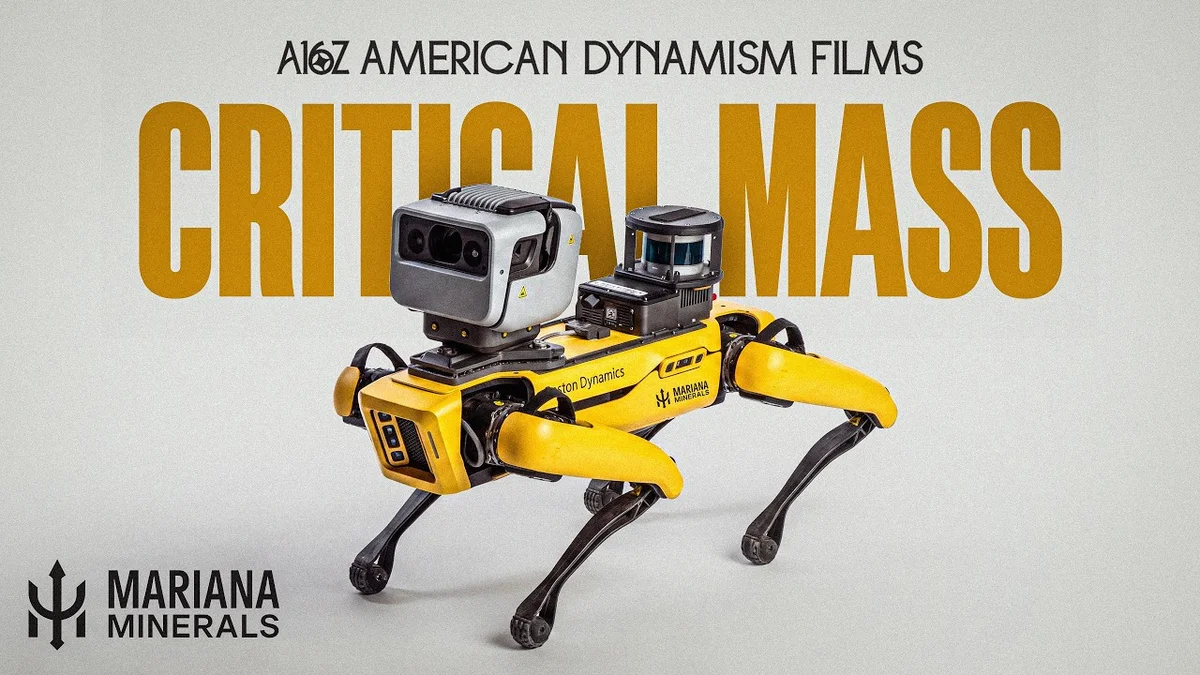
Mariana Minerals: The Future of US Mining with AI
Mariana Minerals, backed by a16z, is set to transform the US mining industry by integrating AI and software to address critical mineral supply chain vulnerabilities.
AI Helps Solve Rare Disease Mysteries
AI is revolutionizing rare disease diagnosis by accelerating the identification of genetic links, aiding researchers and clinicians.
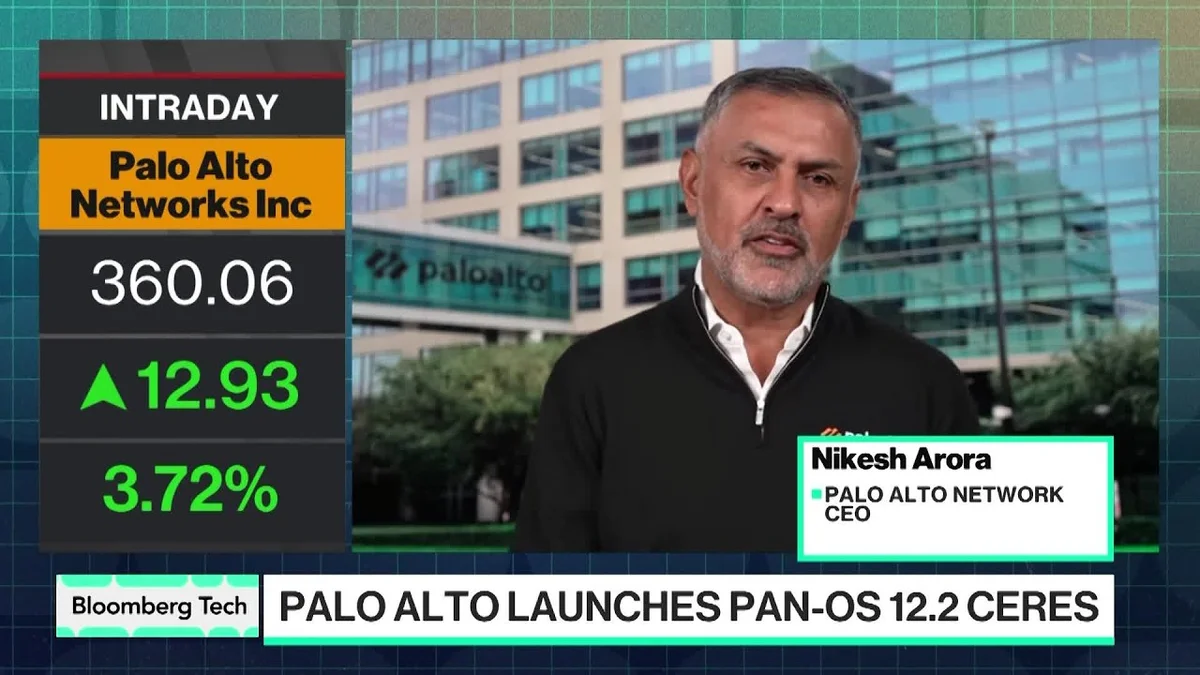
Palo Alto CEO: AI to Patch Cyber Threats in Hours
Palo Alto Networks CEO Nikesh Arora discusses the company's AI-driven approach to cybersecurity, aiming to slash vulnerability patching times from 55 days to hours, and touches on AI token economics and an NBA London bid.

AI Agents Simulate A/B Tests, Cut Costs
AI agents can now simulate A/B tests, drastically reducing costs and time. A new framework decomposes errors, enabling targeted improvements and making AI agent A/B testing simulation a powerful tool.
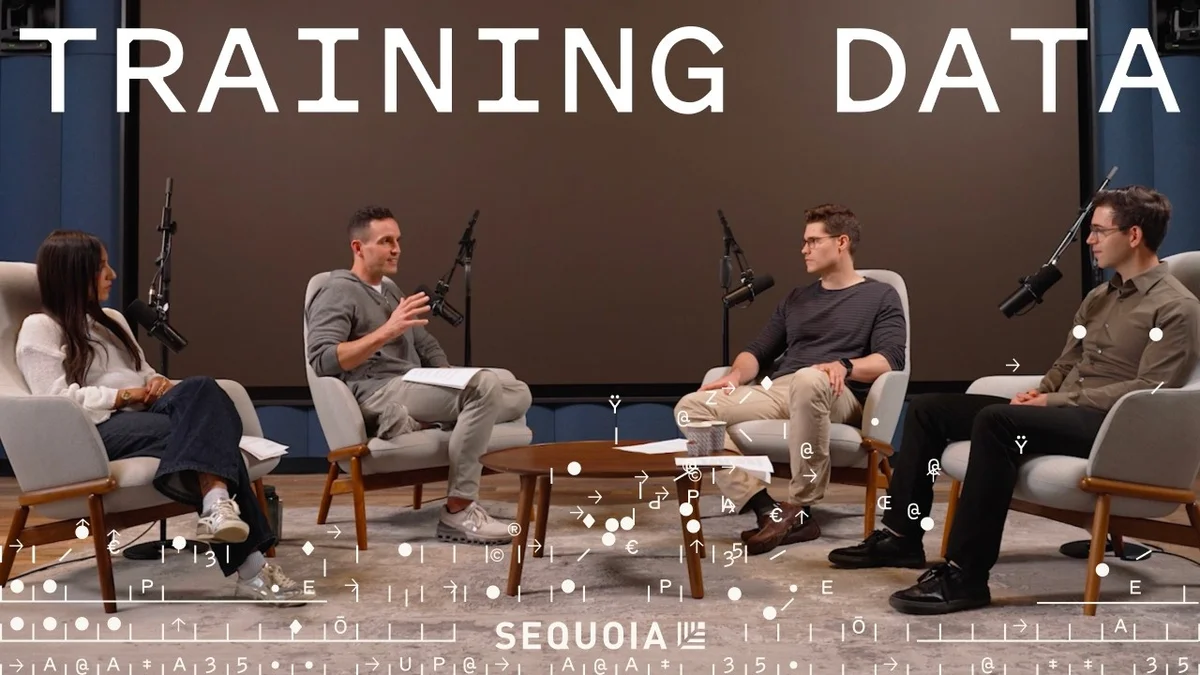
Chai Discovery: Scaling Drug Design as a Software Problem
Chai Discovery's co-founders discuss their approach to AI-driven drug design, emphasizing simplicity, scaling laws, and the transformation of biology into an engineering discipline.
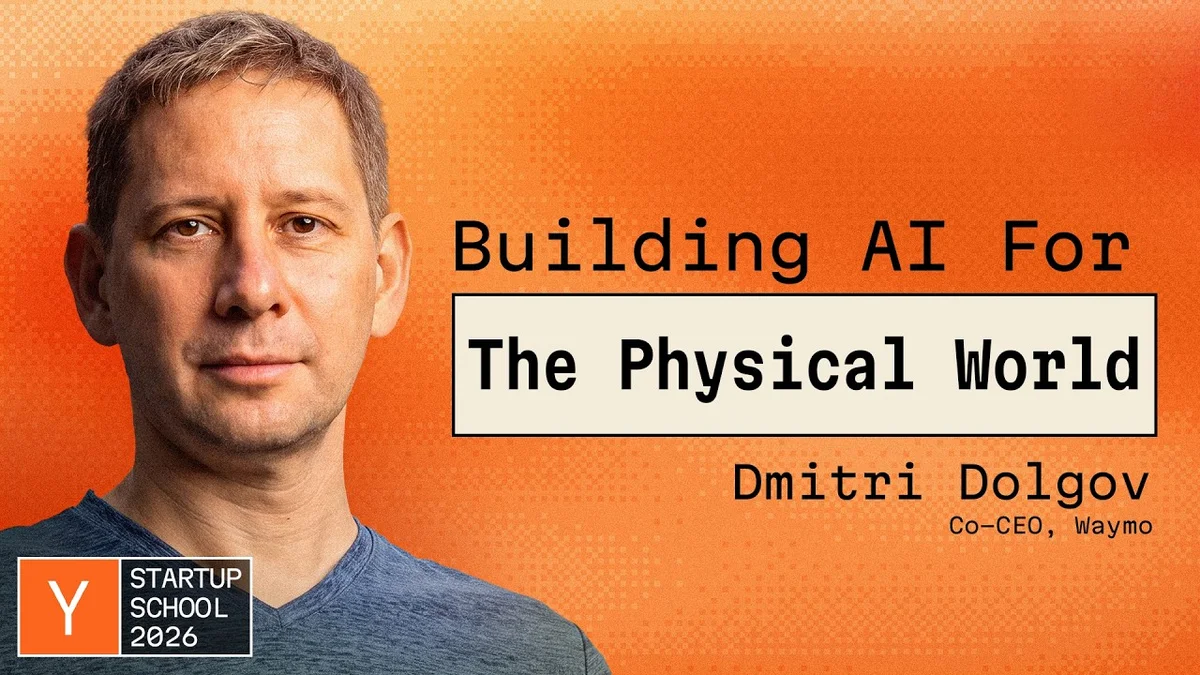
Waymo CEO on AI's Real-World Challenges
Waymo Co-CEO Dmitri Dolgov shares 7 lessons learned from building and scaling autonomous driving technology, emphasizing the difference between demos and products.

CoreWeave ARIA: AI's New Research Assistant
CoreWeave launches ARIA, an AI agent that automates experiment data analysis to speed up AI model and agent development.
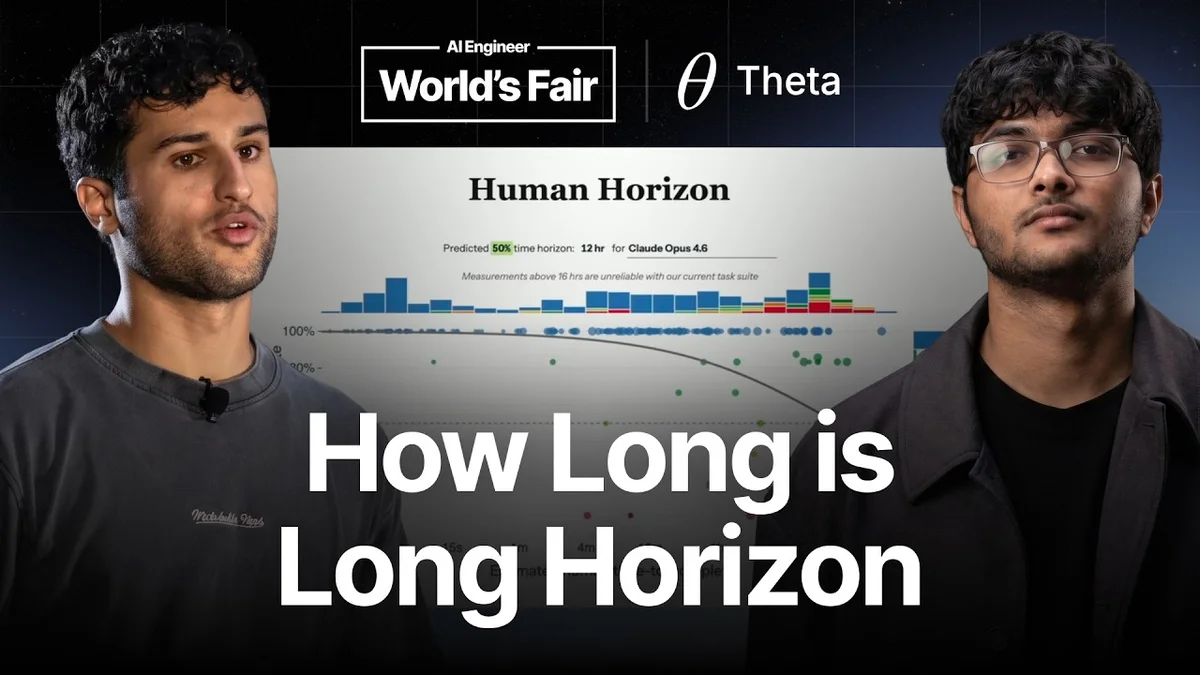
Rayan Garg on Why Long Horizon AI Agents Need Better Verifiers
Rayan Garg from Theta Software explains why long horizon AI agent benchmarks need accurate environment design and final-state verifiers.

Thinking Machines Lab cuts costs with Inkling-Small
Thinking Machines Lab launches Inkling-Small, a 276B parameter model that delivers comparable performance to its larger predecessor at a fraction of the cost.
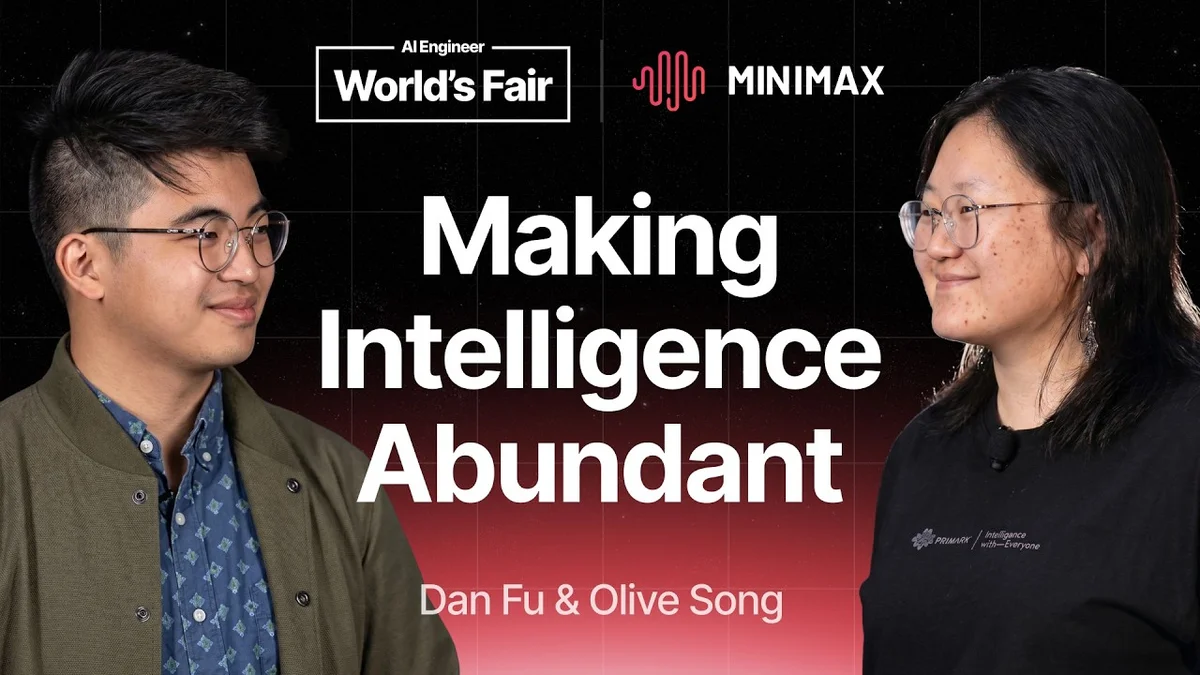
MiniMax M3: Open Source AI Model Deep Dive
Dan from Together AI and Olive from MiniMax discuss the open-sourcing of the M3 multimodal AI model, its capabilities, and the infrastructure behind scaling AI.
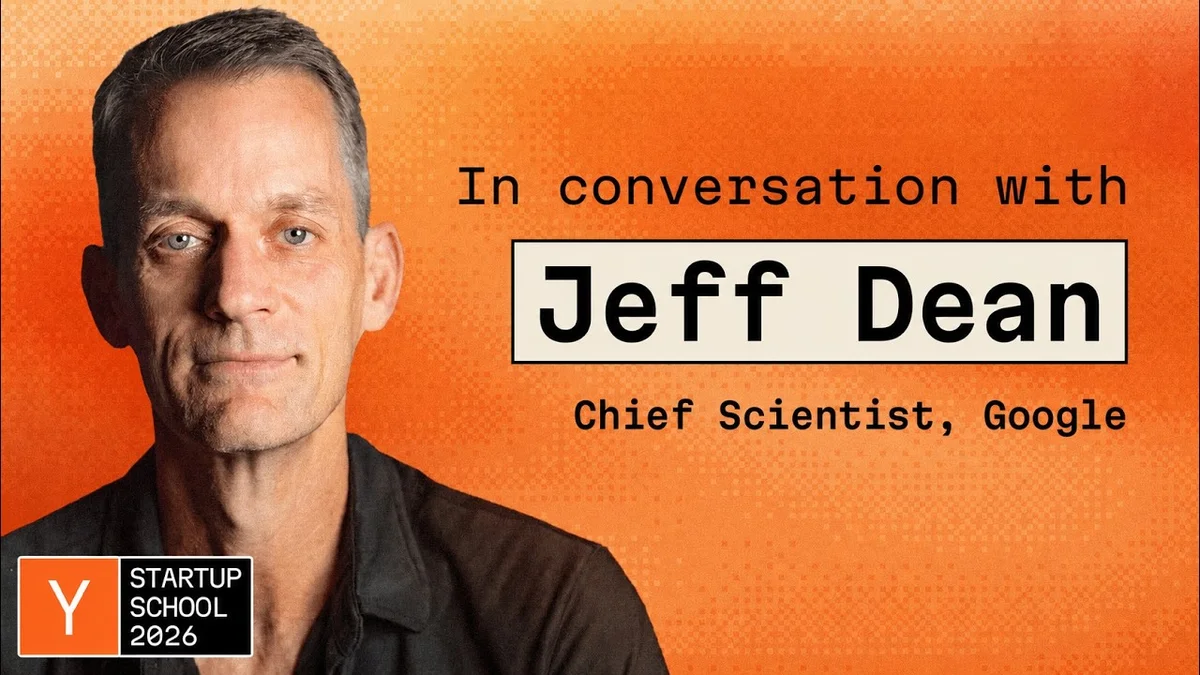
Jeff Dean: AI is a 'compression problem'
Google's Jeff Dean discusses AI's progress, future predictions, and the importance of specialized hardware and context engineering.