#Foundation Models
50 articles with this tag
Most read in #Foundation Models, last 30 days
Next AI Breakthrough Could Come From Physics, Says Max Welling
Max Welling, co-founder of CuspAI, discusses how physics principles could unlock the next AI breakthrough, accelerating material discovery and informing AI architectures.

Claude's Corner: Mango Medical - Surgical Planning in Seconds, Not Days
Mango Medical uses foundation models and agentic AI to turn orthopedic CT scans into complete surgical plans in seconds. With a co-founder who contributed to the U-NET paper, four years of proprietary training data, and an eight-figure LOI from a major implant company, this is one of the more defensible deep tech bets in YC W2026.
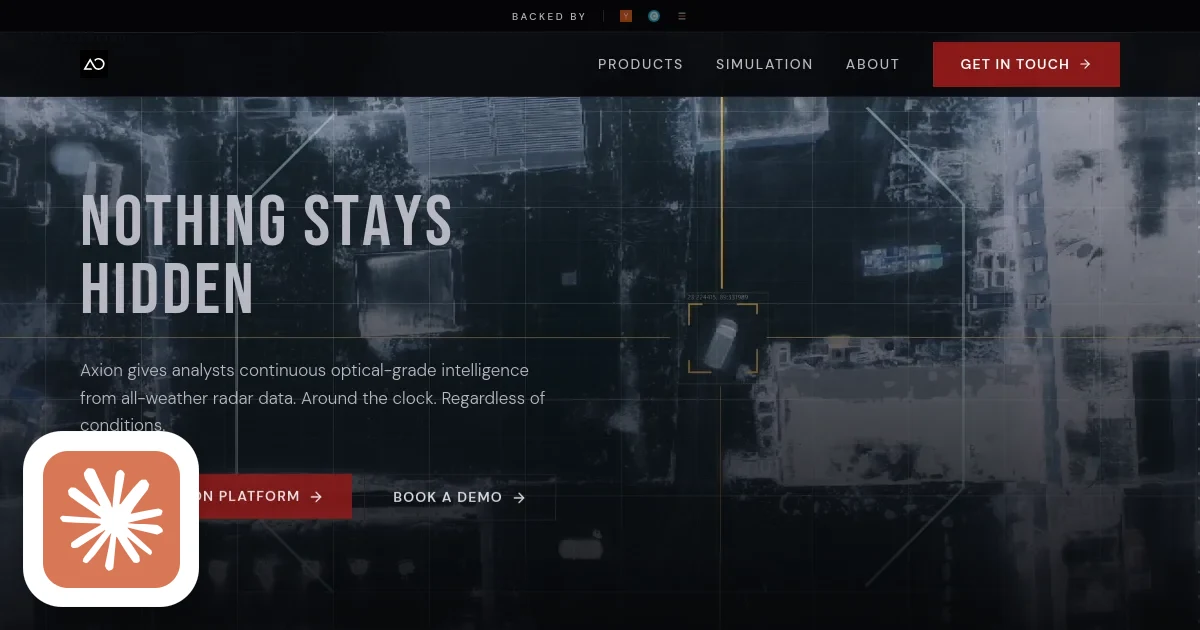
Claude's Corner: AxionOrbital Space - Seeing Through the Clouds
AxionOrbital Space translates raw SAR satellite data into photorealistic optical imagery in 0.06 seconds, making Earth observation useful regardless of clouds or darkness. Their one-step diffusion model outperforms every published benchmark on MSAW, and they occupy a competitive category with no other commercial entrant.
Claude's Corner: Envariant - The Control Plane Foundation Models Never Had
Envariant (YC W2026) is building an interpretability SDK that operates inside foundation models, at the level of activations and latent representations, to detect, trace, and steer model behaviors before they become visible failures. It's what the AI observability stack has been missing.
Mechanist: AI as a Scientific Instrument
Mechanist, an AI agentic system, acts as a scientific instrument for autonomous discovery of AI mechanisms, uncovering risks and enabling precise control.
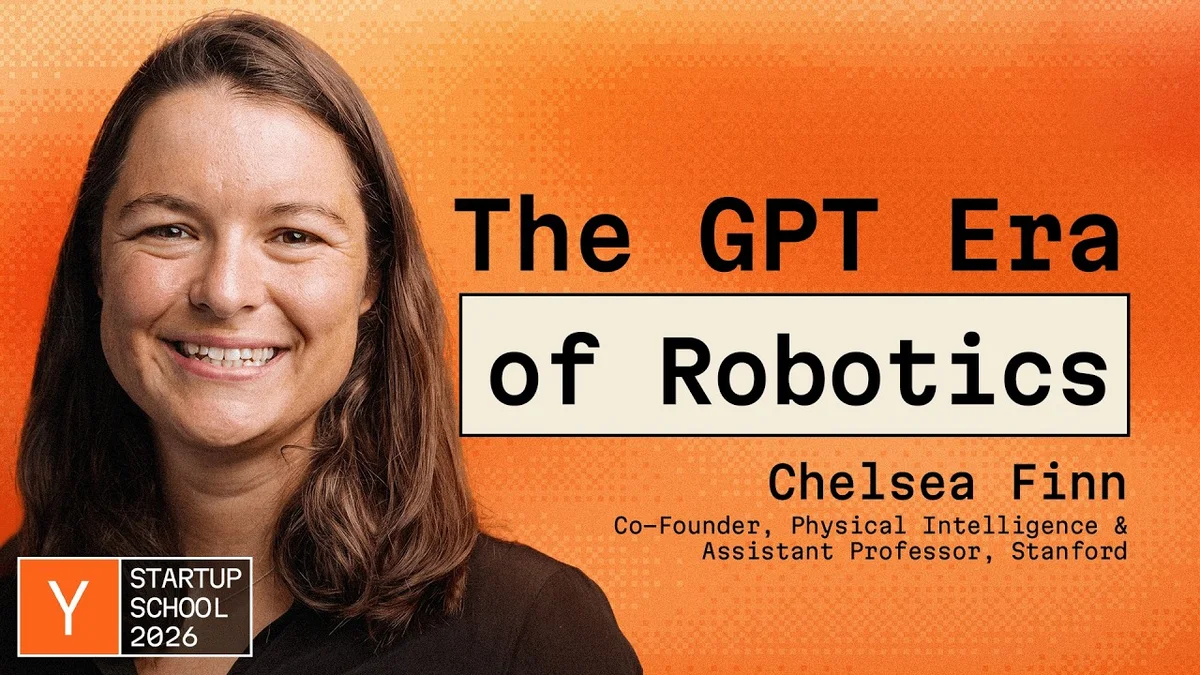
Chelsea Finn: The State of Physical Intelligence in Robotics
Chelsea Finn discusses the state of physical intelligence in robotics, focusing on achieving long-term autonomy and generality in robot models.

Flow Traders Bets on CoreWeave for AI Trading
Flow Traders partners with CoreWeave for high-intensity AI model training, signaling a major shift towards specialized AI infrastructure in finance.
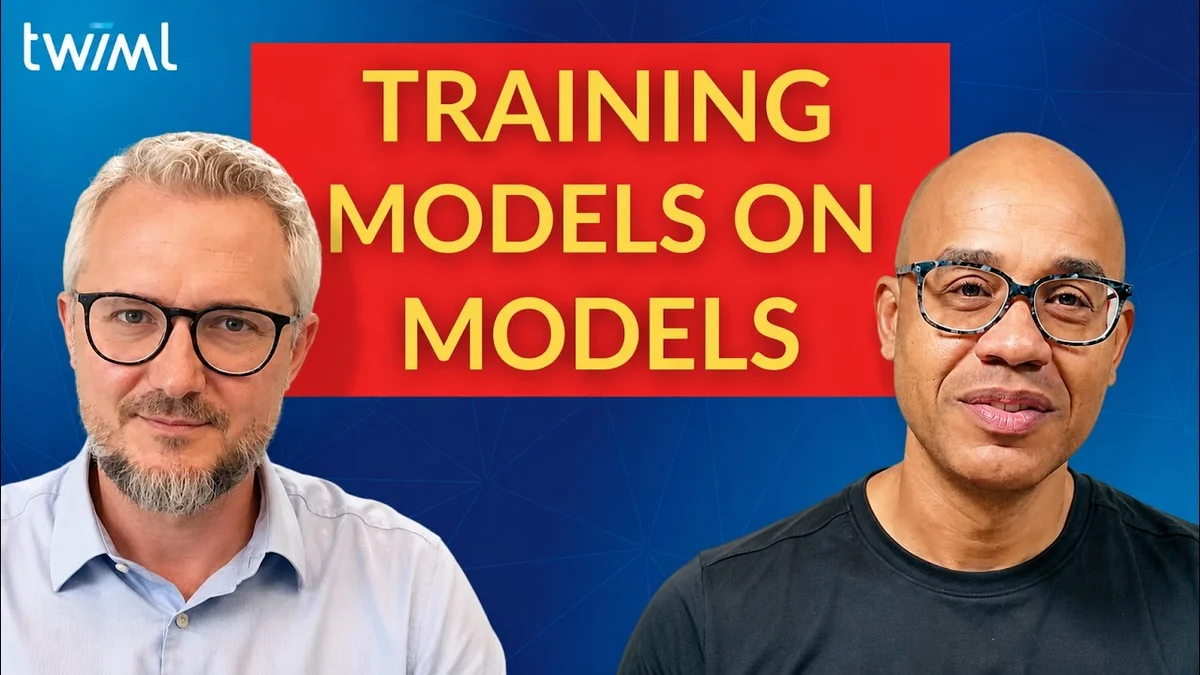
AI Models as Training Data: Weight Space Learning
Professor Damian Borth discusses 'weight space learning,' a novel approach to AI model development that treats trained model weights as data.
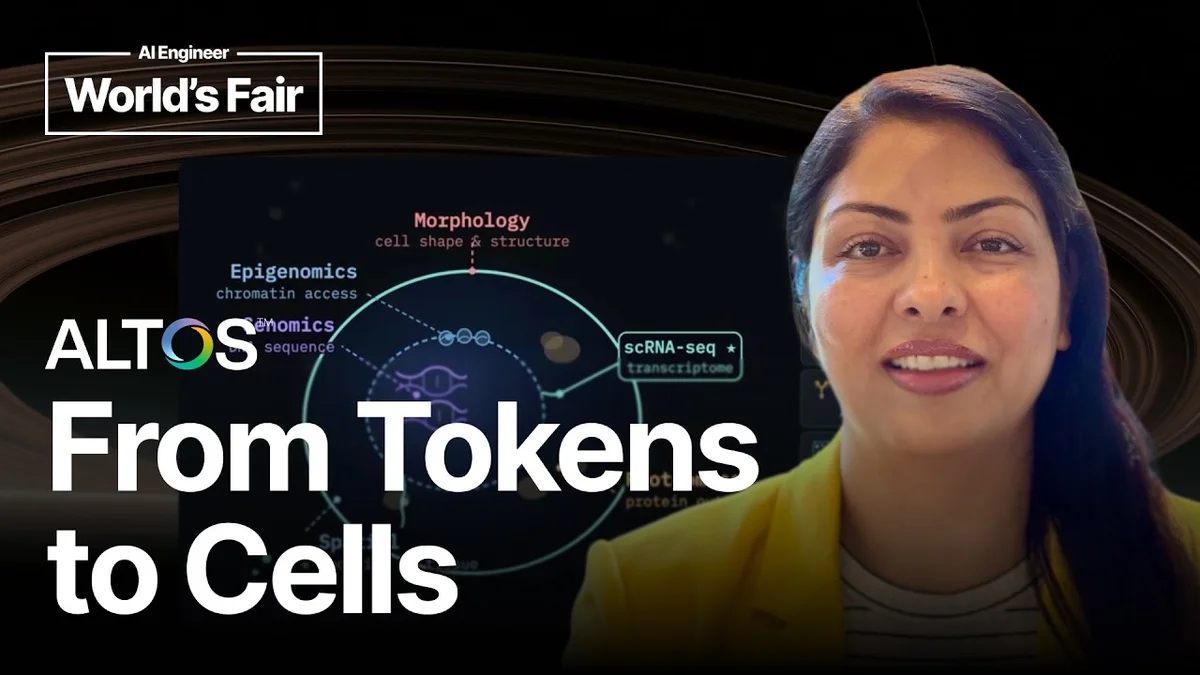
AI in Biology: From Tokens to Cells at Altos Labs
Altos Labs' Akram Baharlouei discusses the engineering challenges of applying foundation models to single-cell biology, highlighting breakthroughs and future directions in cellular rejuvenation and drug discovery.

RoboTTT: Scaling Robot Context 1000x
RoboTTT shatters robot policy context limits, enabling one-shot imitation and long-horizon task mastery through Test-Time Training.

Unified Embodied Synthesis
Xiaomi-Robotics-U0 unifies embodied generation tasks, bridging foundation models with robotics and achieving state-of-the-art performance.
ELSA3D: Structured Text-3D Reasoning
ELSA3D revolutionizes unified 3D models with elastic semantic anchoring, achieving SOTA performance in 3D generation and captioning while halving computational costs.

Sakana AI's Fugu Orchestrates Frontier Models
Sakana AI launches Fugu, a unified foundation model that orchestrates multiple AI agents, offering frontier performance while mitigating geopolitical risks.

ActiveSAM: Efficient Open-Vocabulary Segmentation
ActiveSAM revolutionizes open-vocabulary semantic segmentation with a training-free framework that dynamically identifies relevant classes, boosting speed and accuracy while enhancing robustness for real-world AI.
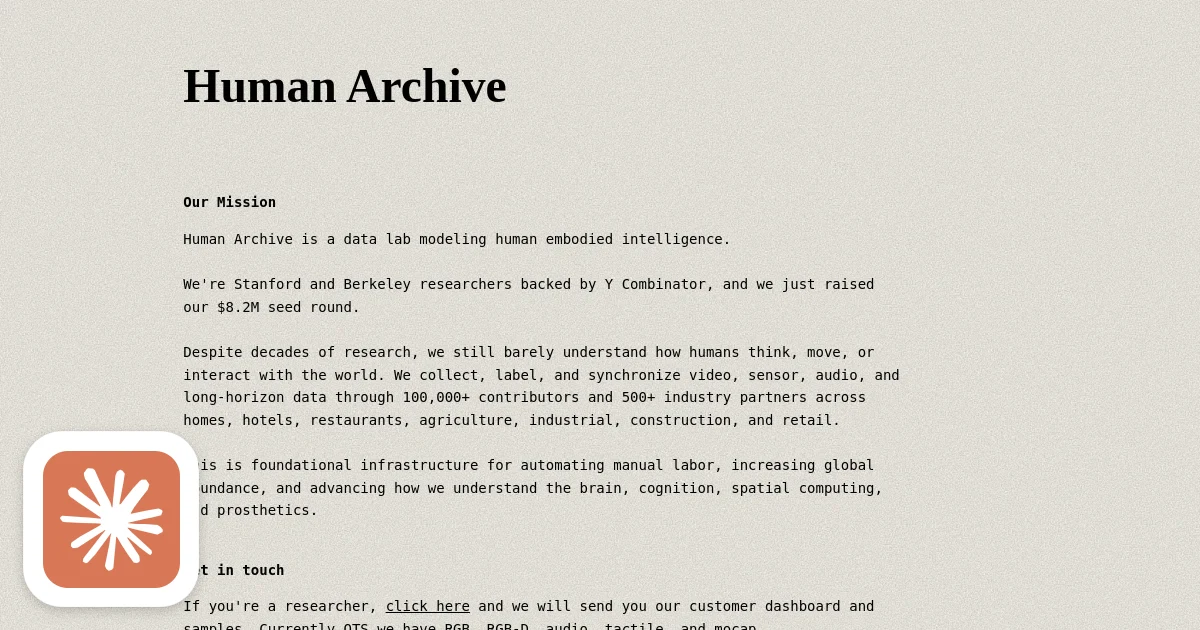
Claude's Corner: Human Archive, Building Common Crawl for Robot Hands
Human Archive is building the Common Crawl for robot hands, a multimodal dataset company collecting synchronized tactile, depth, IMU, and vision data at scale to feed the physical AI training famine. Here's how it works and how hard it is to clone.
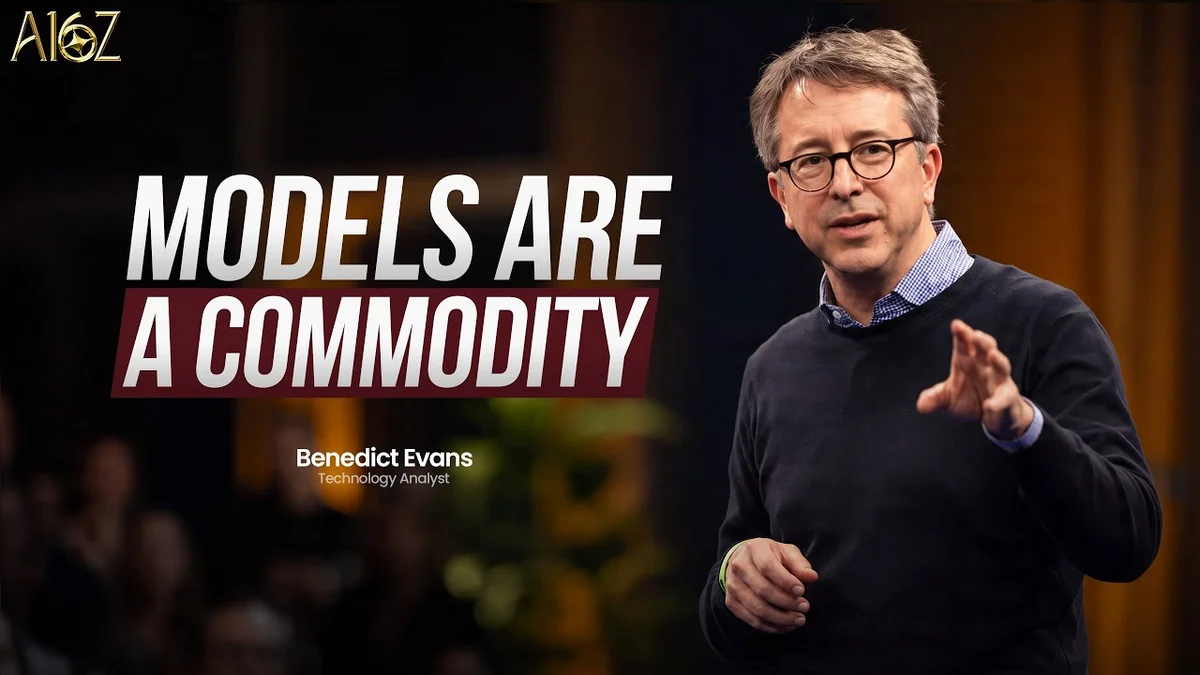
Foundation Models: A Commodity, Says Benedict Evans
Tech analyst Benedict Evans argues that foundation models are becoming commoditized, shifting the focus from model ownership to application development.
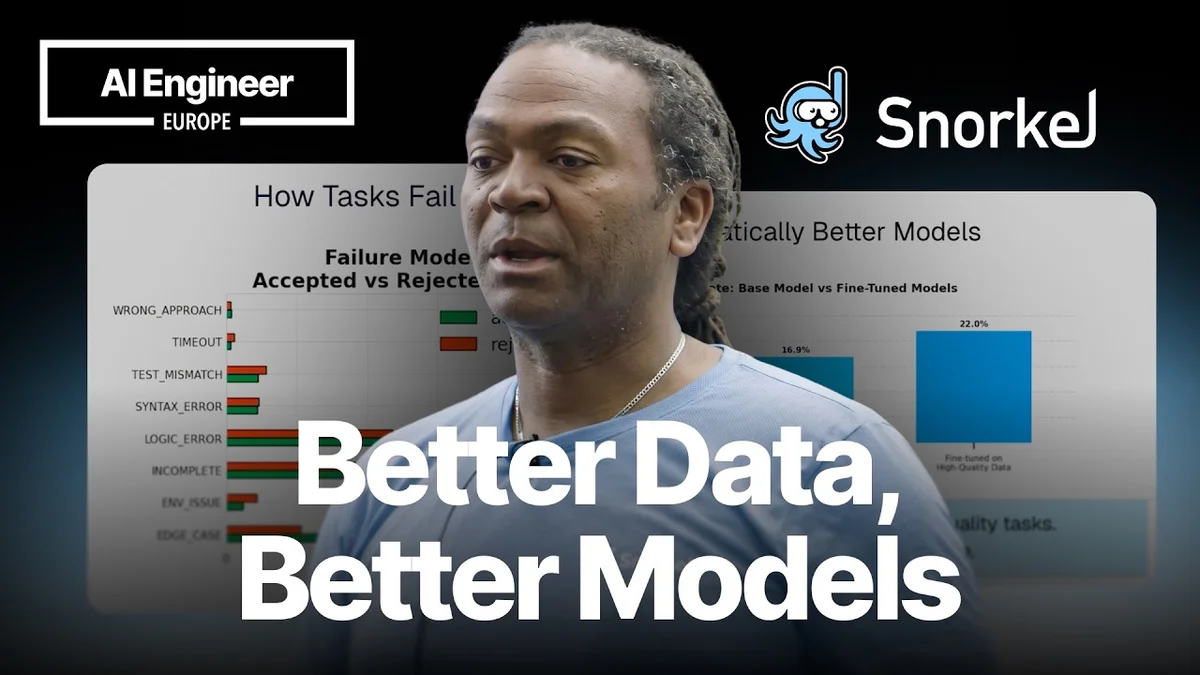
Task Fidelity Scaling Laws: Kobie Crawford on AI Data Quality
Kobie Crawford of Snorkel discusses 'Task Fidelity Scaling Laws,' emphasizing how data quality impacts AI model performance and outlining Snorkel's approach to creating verifiable datasets.

Unlocking LLM 'Digital DNA' Audit
New framework LLMSurgeon enables post-hoc analysis of LLM pretraining data mixtures using only generated text, addressing the critical need for auditing foundation models.

Unified Embodied AI with Qwen-VLA
Qwen-VLA emerges as a unified embodied foundation model, breaking down task silos and demonstrating remarkable generalization across diverse robots and environments.

Symbolic Meta-Verification Boosts Multimodal AI
New research on multimodal meta-verification shows symbolic rationales and decoupled RL significantly enhance AI verifier performance and enable agentic self-correction.
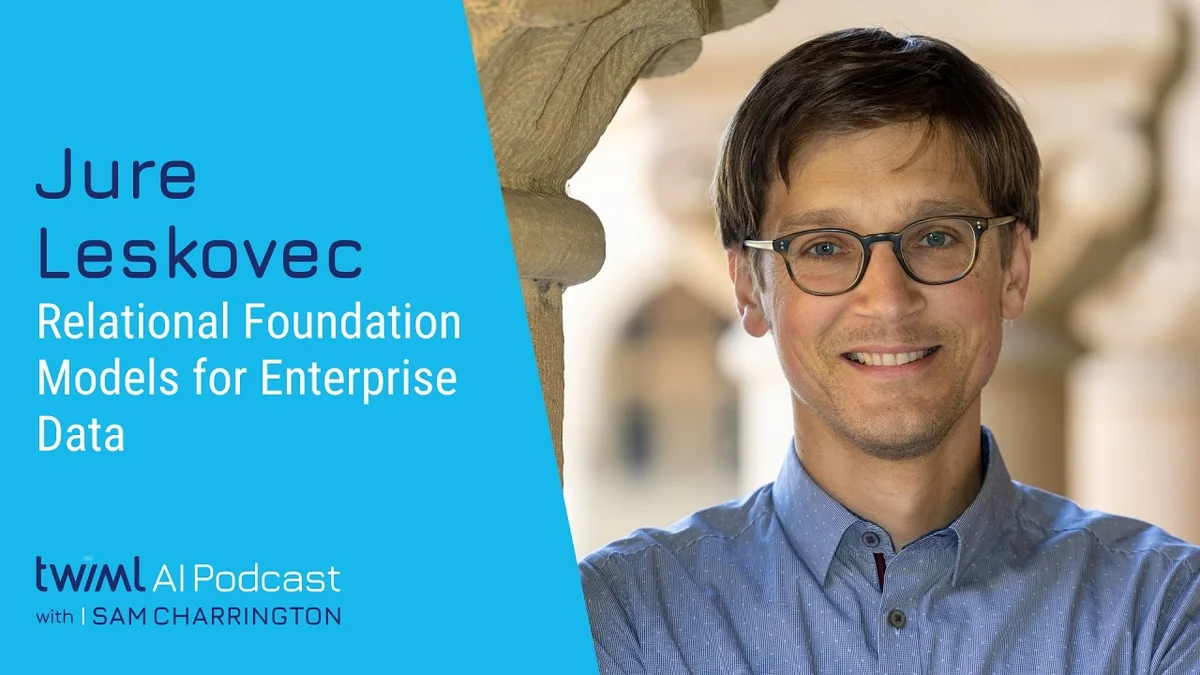
Jure Leskovec on Relational Foundation Models
Jure Leskovec, AI researcher and Stanford professor, discusses Relational Foundation Models, a new AI approach for understanding complex enterprise data and its applications.

Foundation Models Unlock Time Series Scaling
Toto 2.0 foundation models demonstrate remarkable scaling, achieving state-of-the-art forecasting performance across multiple benchmarks with a unified training approach.

Shodh-MoE: Unlocking Universal SciML
Shodh-MoE's sparse activation architecture resolves multi-physics interference in SciML, enabling universal foundation models with guaranteed physical properties.

Unified Embodied AI: Pelican-Unified 1.0
Pelican-Unified 1.0, the first unified embodied foundation model, achieves SOTA performance by integrating VLM, reasoning, and generation, proving unification enhances rather than compromises specialist strengths.

Beyond Model Capability: The Harness for SE Agents
Autonomous software engineering agents' reliability hinges on a novel 'AI Harness' system, not just model capability, enabling verifiably correct changes.

Microsoft's GridSFM: AI for the Power Grid
Microsoft's new GridSFM AI model drastically speeds up power grid analysis, promising efficiency gains and cost savings.
Claude's Corner: CellType, Teaching LLMs to Speak Biology
CellType is the two-person YC W2026 company building an agentic drug discovery platform on top of a 27B biological foundation model. Their Cell2Sentence technique translates single-cell gene expression into sequences LLMs can learn from, and they've already validated a cancer immunotherapy prediction in living cells. Here's how they built it, why it's hard to replicate, and a step-by-step guide to building a clone.

ReClaim: Unlocking Healthcare Insights from Claims Data
ReClaim, a 1.7B parameter foundation model trained on 43.8B medical events, leverages administrative claims data to achieve state-of-the-art performance in disease prediction and RWE analysis.
Claude's Corner: Strand AI, The Foundation Model Pharma Cannot Build Itself
YC W2026: Strand AI builds multimodal foundation models that predict missing patient biology data, letting pharma stratify clinical trial cohorts without paying $8K per patient for full omics panels. The data, the team, and the trust ladder are the moat. The architecture is not.

Biology's Multimodal AI Unifier
MIMIC foundation model unifies biological data modalities, enabling advanced prediction and constrained molecular design.

Sakana Fugu Beta Opens
Sakana AI is opening applications for the beta test of Sakana Fugu, its advanced multi-agent orchestration system for foundation models.

UniT: Bridging Human Data to Humanoids
UniT tackles humanoid foundation model data scarcity by creating a universal physical language from human data, enabling efficient transfer and zero-shot capabilities.

Apollo: Unifying Clinical Data for Predictive Medicine
Apollo, a new multimodal temporal foundation model, unifies vast clinical data to create virtual patient representations, enabling advanced forecasting and multimodal search for computable medicine.
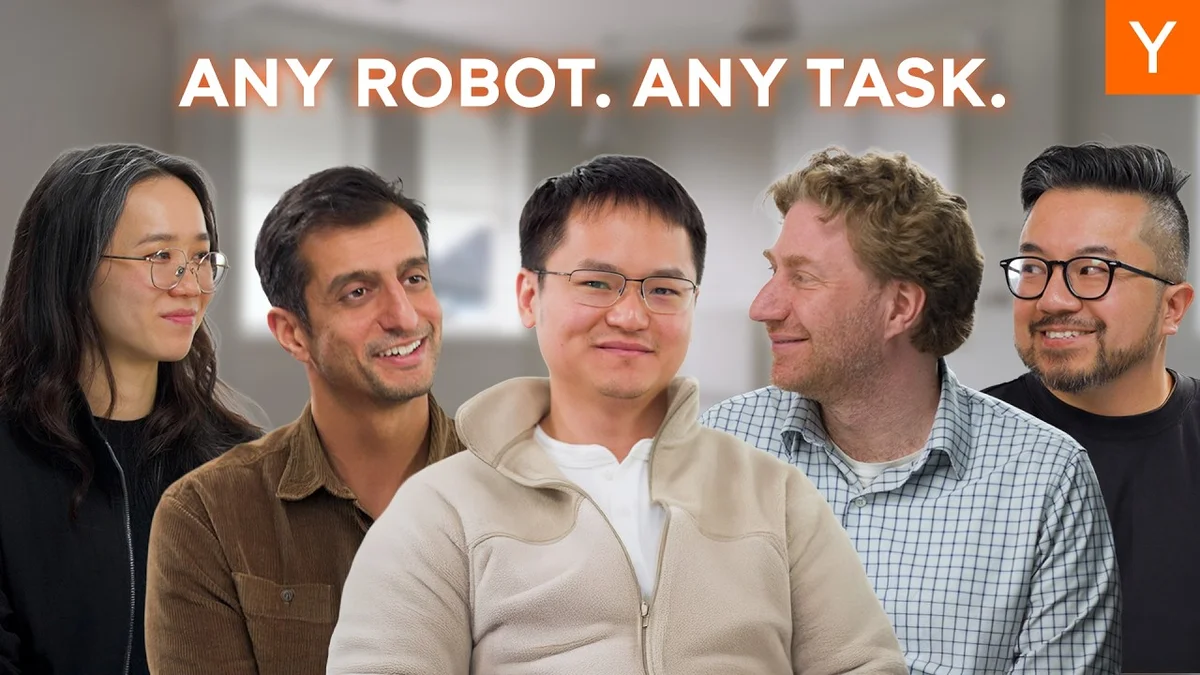
Robotics Startup Leans on LLMs for General-Purpose Robots
Quan Vuong of Physical Intelligence discusses how LLMs are revolutionizing robotics, enabling general-purpose AI for robots and overcoming data challenges. Learn about their 'GPT-1 moment' for robotics.
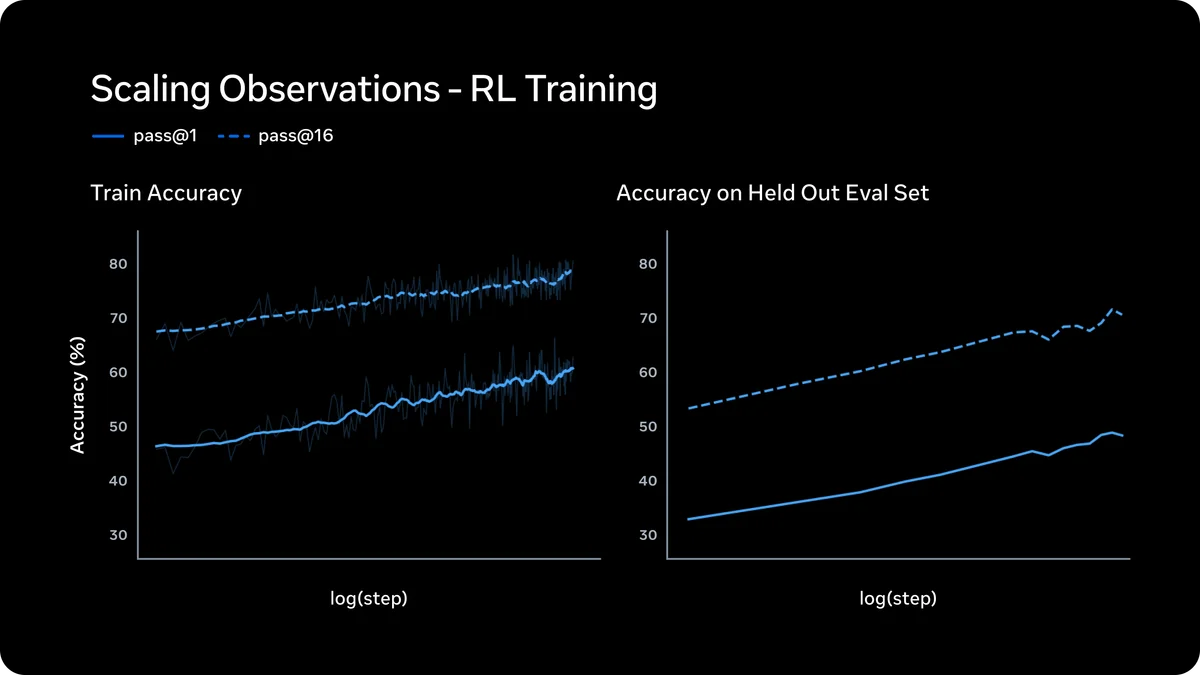
Meta's Muse Spark: AI's Next Act?
Meta unveils Muse Spark, a new multimodal AI model targeting 'personal superintelligence' with advanced reasoning and agent capabilities.
AI Scientist Now Published in Nature
The AI Scientist, an autonomous AI research agent, is now detailed in a Nature publication, showcasing its ability to generate papers that pass human peer review.

Gaussian Masking Unlocks Deeper EEG Insights
Novel Gaussian masking and SpecMoE architecture enhance foundation models for robust, generalized EEG decoding across diverse tasks and species.

Bayesian Uncertainty for Foundation Models
Variational Mixture-of-Experts Routing (VMoER) offers a scalable Bayesian approach to uncertainty quantification in foundation models, achieving significant improvements with minimal computational overhead.
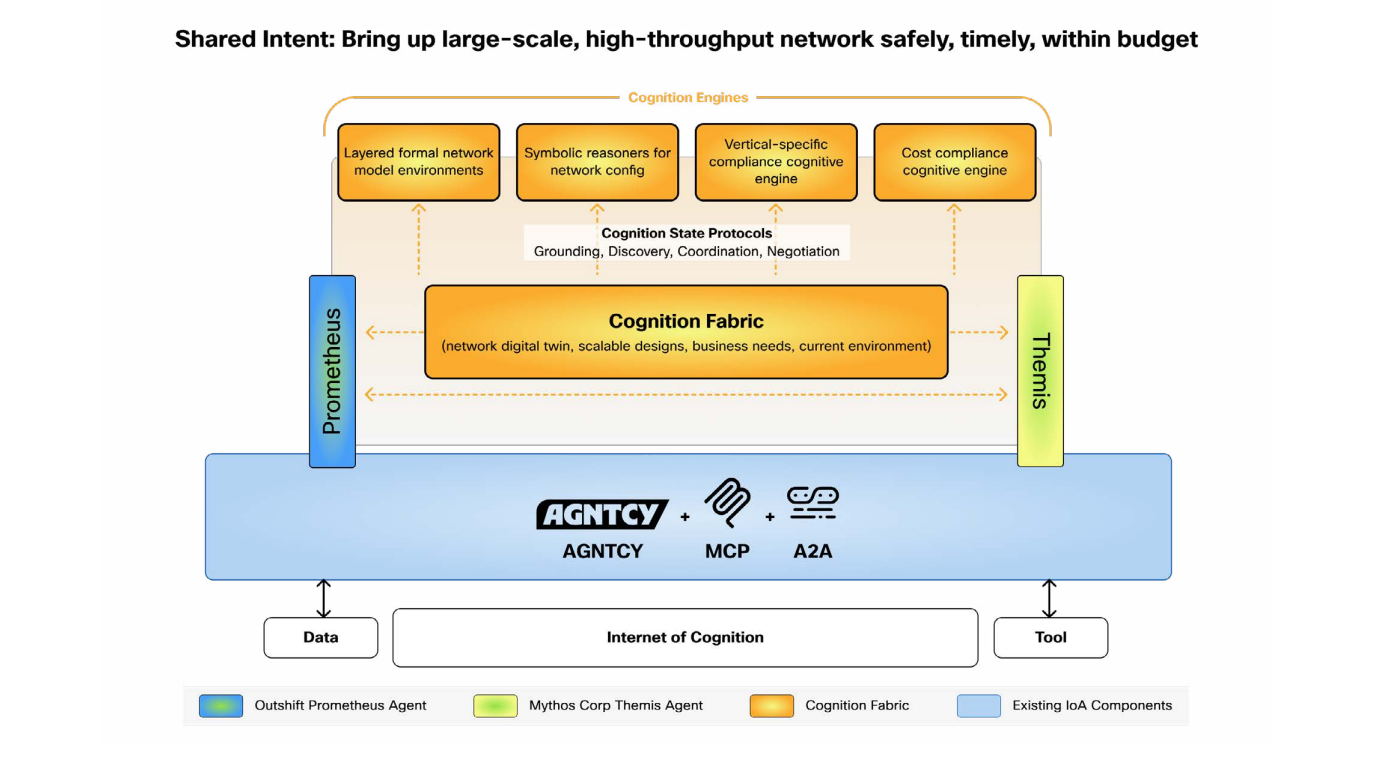
AI's Next Frontier: Shared Cognition
AI's next evolutionary leap demands collective intelligence. Cisco's Outshift envisions an 'Internet of Cognition' to unlock distributed superintelligence.

Micro1: AI's Future is Expert Human Judgment
Micro1 argues AI's next frontier involves distilling expert human judgment and replicating complex, multi-actor tasks, requiring a human-first approach to data and supervision.
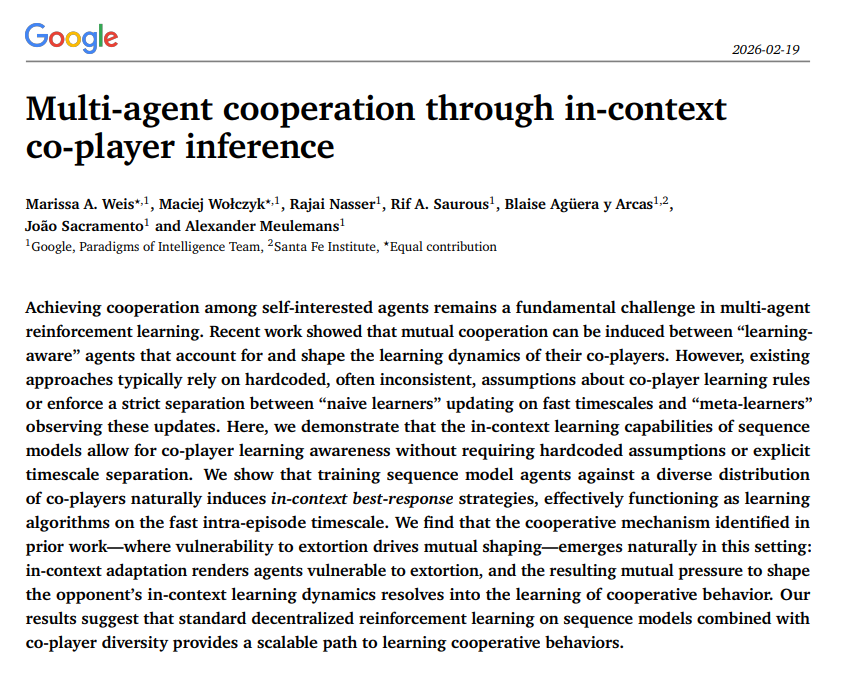
AI Agents Learn to Cooperate Without Rules
Google researchers propose a simpler way for AI agents to cooperate: train them against diverse opponents, leveraging in-context learning to drive mutual cooperation through 'extortion' dynamics.

Fine-tuning Time-Series AI: Enterprise Accuracy Unlocked

Wall Street’s New Hires are Grok, Claude, and GPT

Archetype AI Secures $35M Series A to Scale Physical Intelligence Deployment

BioCLIP 2: A Biology Foundation Model for Ecosystem Insights
End-to-End Learning Reshapes Autonomous Driving

Applied Computing raises £9M to advance AI for industrial optimization
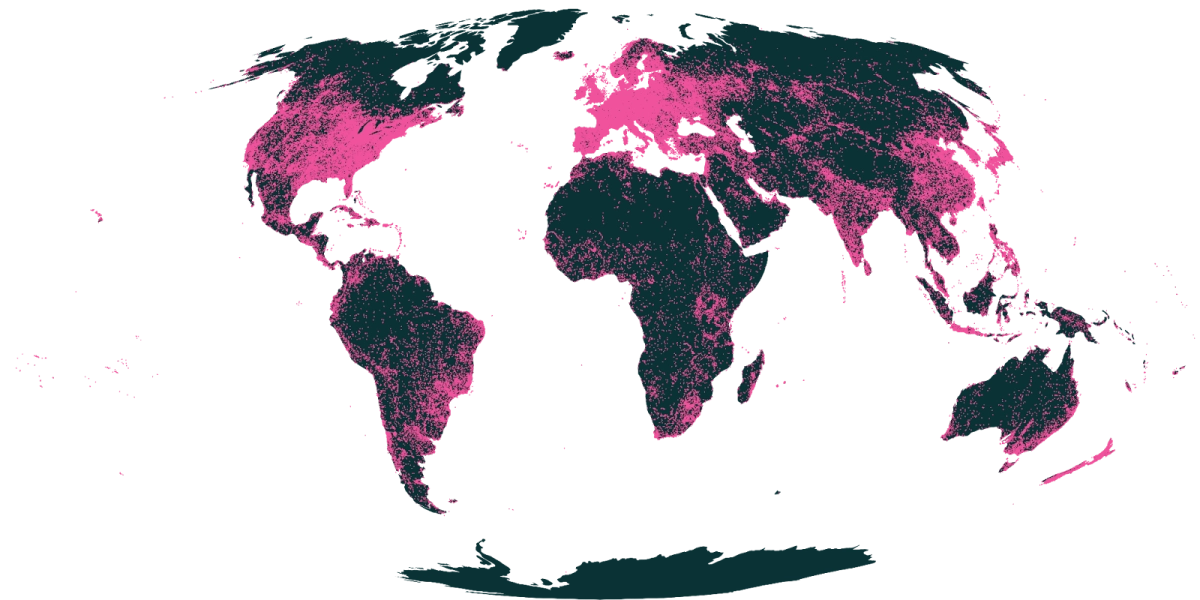
OlmoEarth Redefines Earth Observation Foundation Models

Bria FIBO Aims to End 'Prompt Roulette' for Enterprise AI