

#AI Development
50 articles with this tag
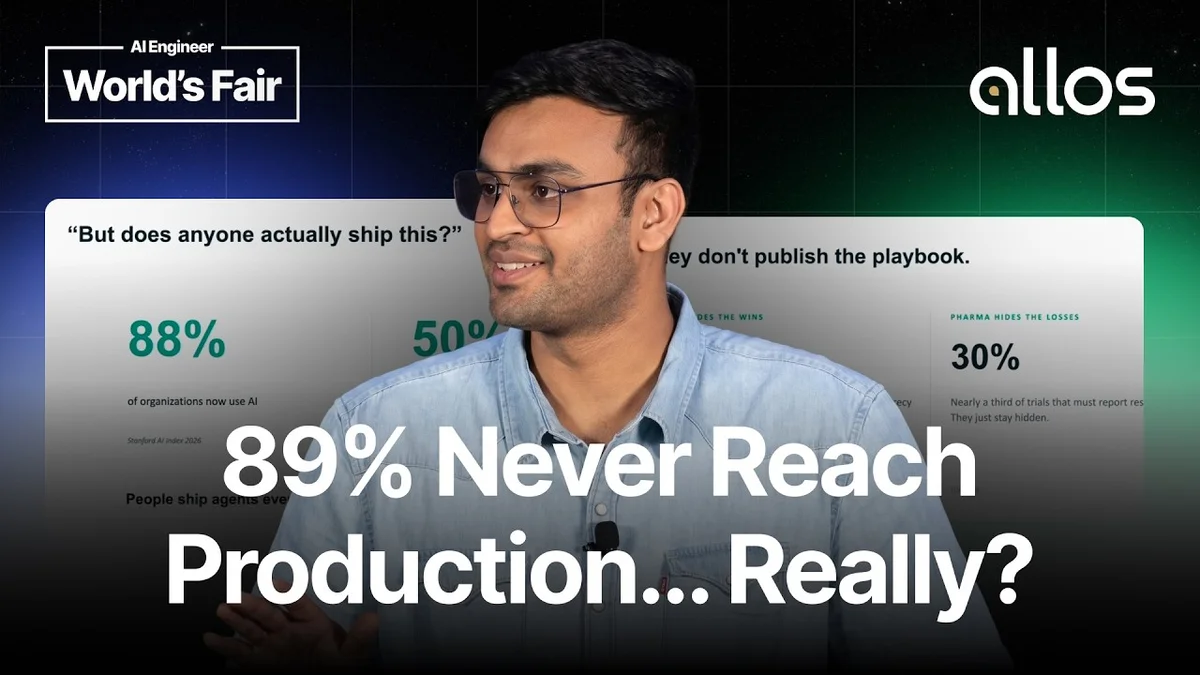
Applied Vertical AI: From Trading to Drug Discovery
Ayush Bhardwaj of Allos AI outlines a 7-step process for building applied vertical AI, stressing the importance of proprietary data and domain expertise.

Andrej Karpathy Retires Vibe Coding for Agentic Engineering
Andrej Karpathy coined the phrase 'vibe coding' in February 2025 to describe casual, low-scrutiny AI-assisted programming. By December 2025, 80 percent of his own code was AI-generated, and by April 2026 he had declared vibe coding passe at Sequoia Capital's AI Ascent event. What replaced it, a concept he calls agentic engineering, defines a harder discipline. Here is the 18-month arc of how his thinking changed.
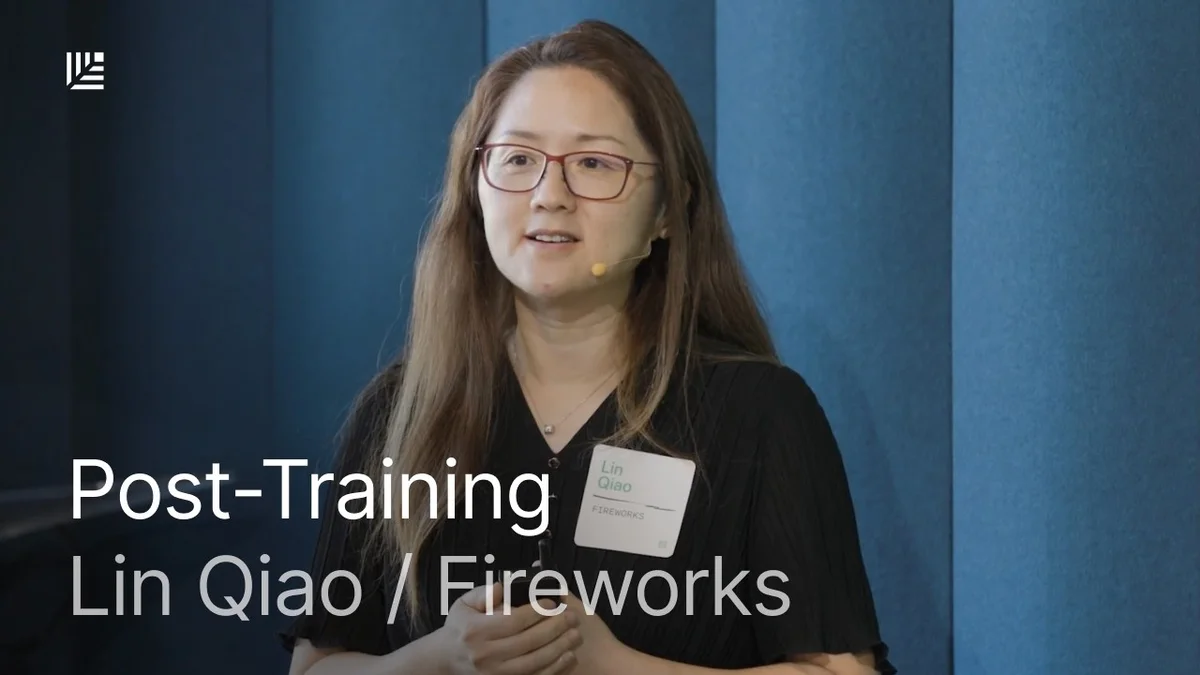
Firework CEO: Post-Training is Key to Unique AI Business
Firework CEO Lin Qiao discusses the strategic importance of post-training AI models to build unique business value and achieve competitive advantages.
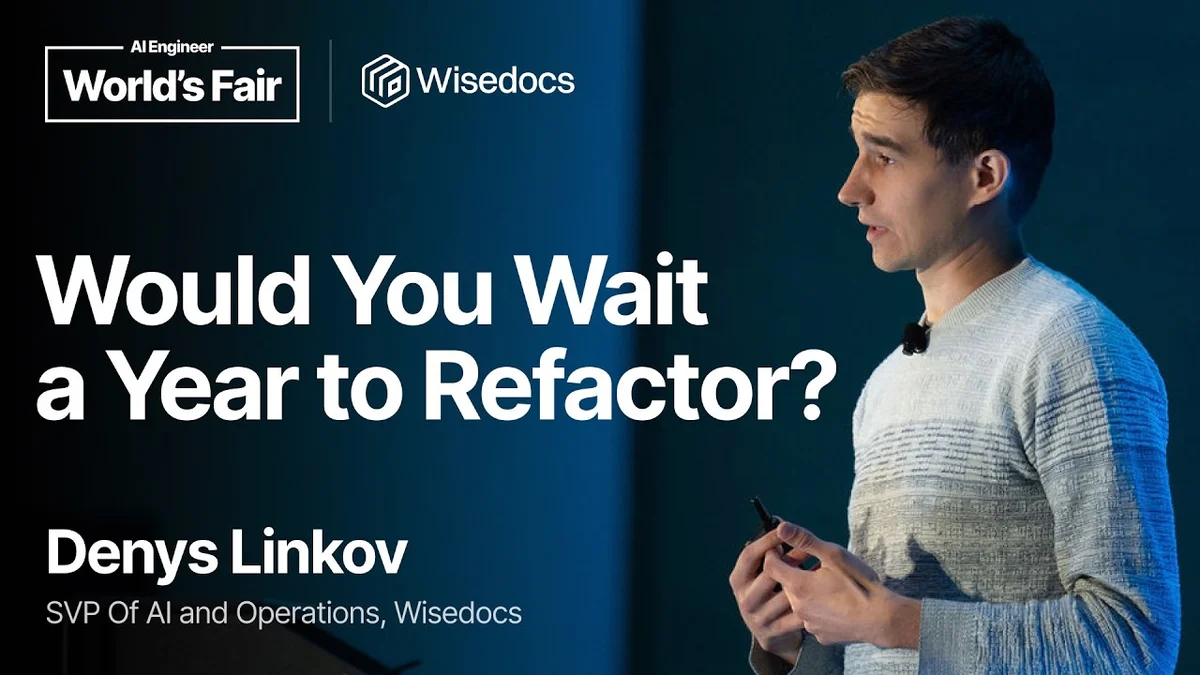
WiseDocs Refactor: AI Coding Agents and Tech Debt
Denys Linkov of WiseDocs discusses the six-month refactor of their AI pipeline, highlighting improvements in speed, complexity, and developer experience, and the evolving role of AI coding agents.

Anthropic's Product Head on AI's Future
Diane Penn, Anthropic's Head of Product for AI Research and Labs, discusses the company's journey, the evolving product role, and the future of AI.

Snowflake's AI Partner Playbook
Snowflake releases a new playbook to guide partners in building and deploying AI solutions on its data cloud platform.

Applied Intuition Launches Dana Platform
Applied Intuition launches Dana, an agentic platform designed to streamline the development and deployment of AI in physical machines, aiming for intelligence on a billion devices.

AI Agent Swarms Rethink Model Economics
Cursor's new AI agent swarm architecture dramatically cuts costs and boosts efficiency by pairing smart planners with cheaper workers, reshaping AI deployment economics.

Claude Code Adds Live Artifacts, Screen Reader Mode
Claude Code's latest update introduces 'artifact features' for live data interaction, alongside screen reader mode and enhanced sharing capabilities.
Inkling Model Lands on Databricks
Thinking Machines Lab's Inkling model is now accessible on Databricks via Unity AI Gateway, enhancing enterprise AI development for coding and agentic tasks.
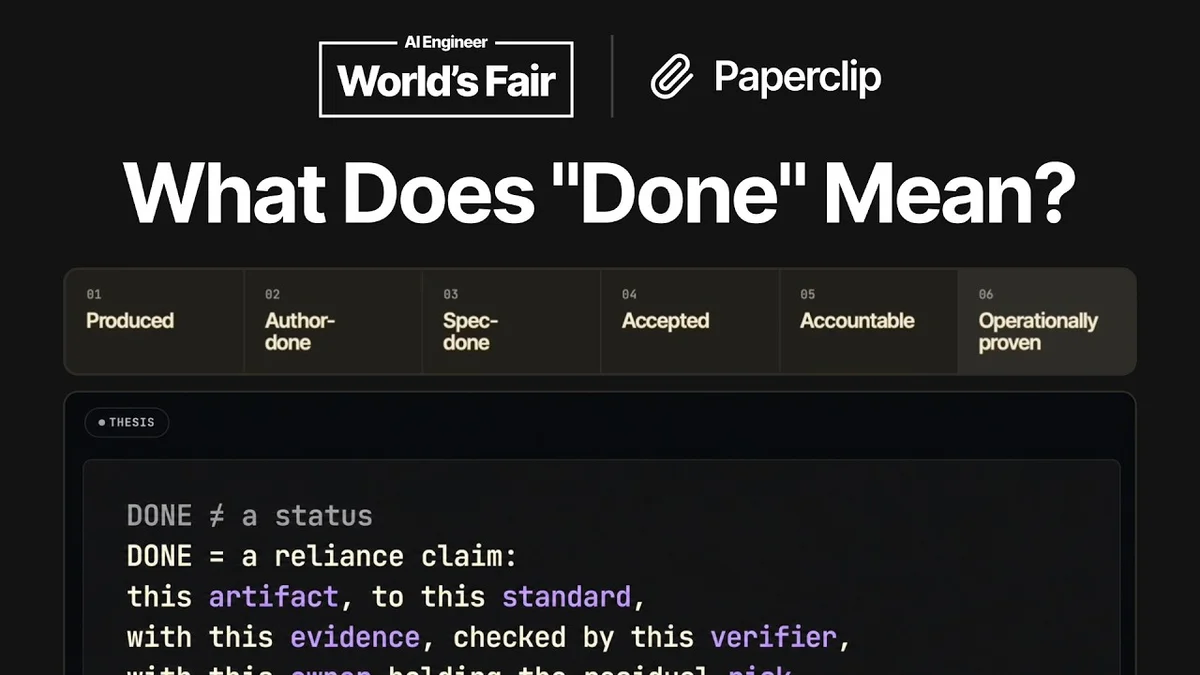
Dotta on Defining 'Done' for AI Agents and Paperclip's Liveness Model
Dotta, creator of Paperclip, explains how to define "done" for AI agents, emphasizing a "reliance claim" model over a simple boolean, balancing liveness and assurance.

Pomerium's Nick Taylor Enhances OpenClaw Security and UX
Nick Taylor, Developer Advocate at Pomerium, introduced a new "trusted proxy auth mode" for OpenClaw, enhancing security and user experience by eliminating manual token management and showcasing live AI application development.
OpenAI Launches GPT-5.6, Sol Leads Charge
OpenAI launched its GPT-5.6 model family on July 9, 2026, introducing flagship Sol, balanced Terra, and cost-efficient Luna models.
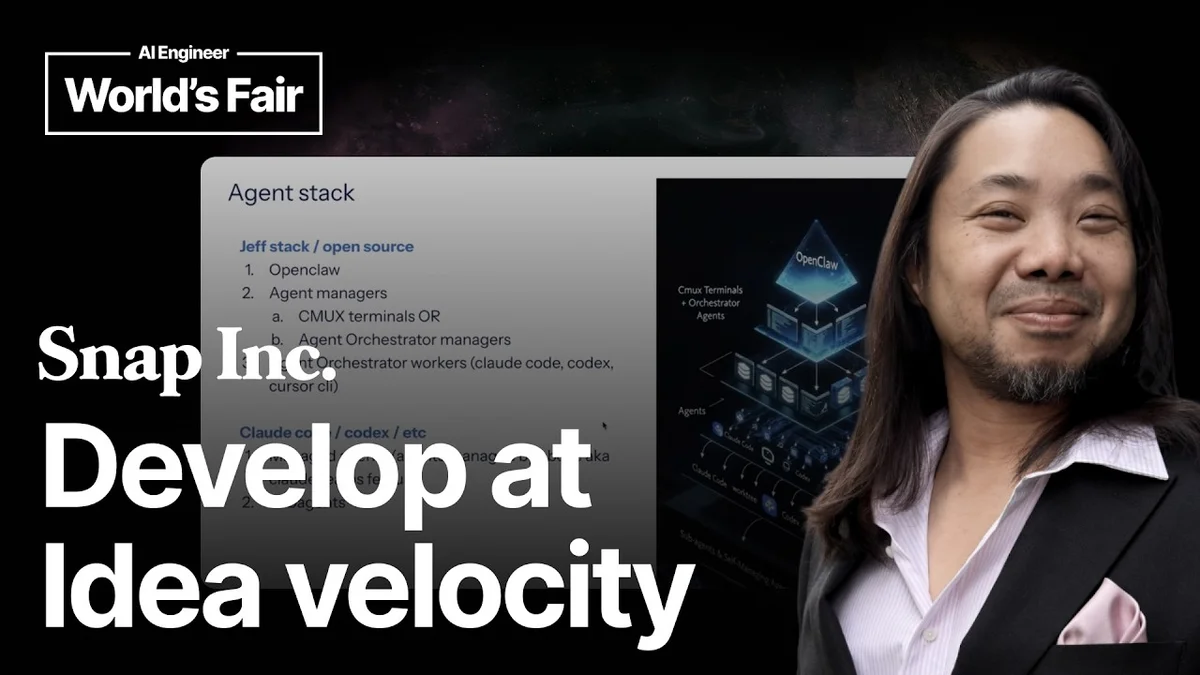
Snapchat's Jeffrey Lee-Chan on Developing at Idea Velocity
Jeffrey Lee-Chan, Head of Vibe Coding at Snap Inc., discusses 'Idea Velocity' and how he builds with the open-source OpenClaw autonomous coding platform, covering its architecture and applications.
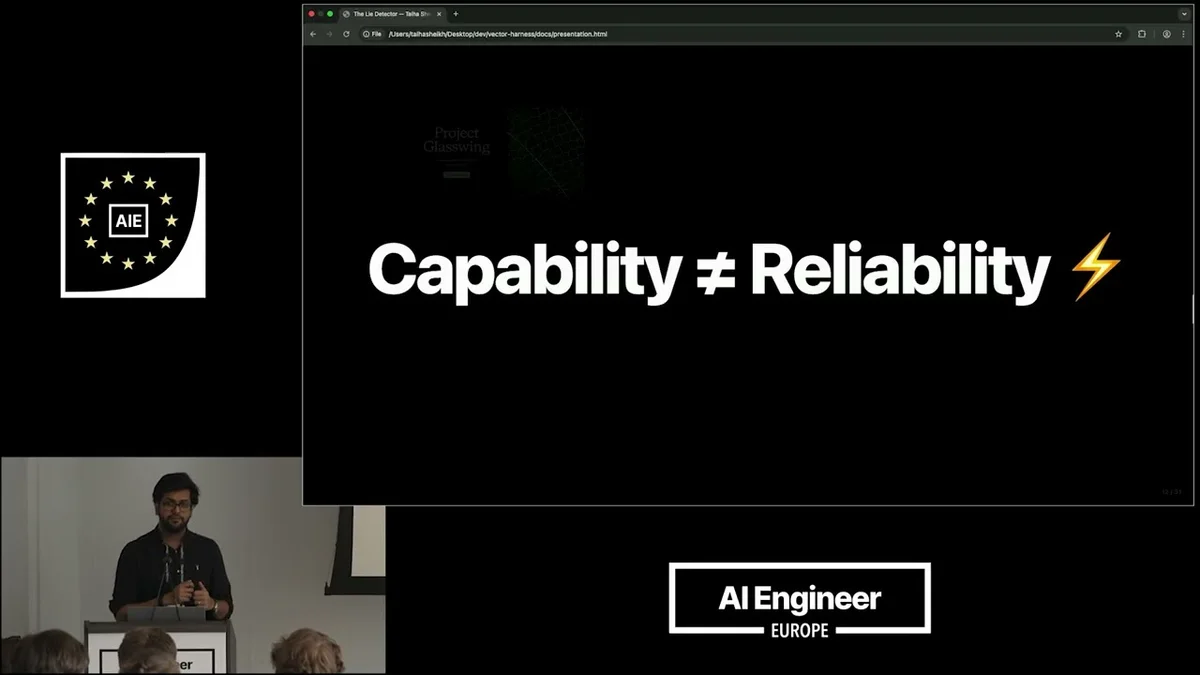
AI Agents Don't Always Follow Rules
Talha Sheikh from Checkout.com discusses the unreliability of AI coding agents and the critical need for verification layers and guardrails to ensure dependable AI outputs.

Wandero AI's Kalandadze on the 'Missing Layer' Post-Launch
Wandero AI's CTO, Raphael Kalandadze, discusses the critical 'missing layer' of post-launch operations for AI agents, emphasizing the need for continuous monitoring and improvement loops.
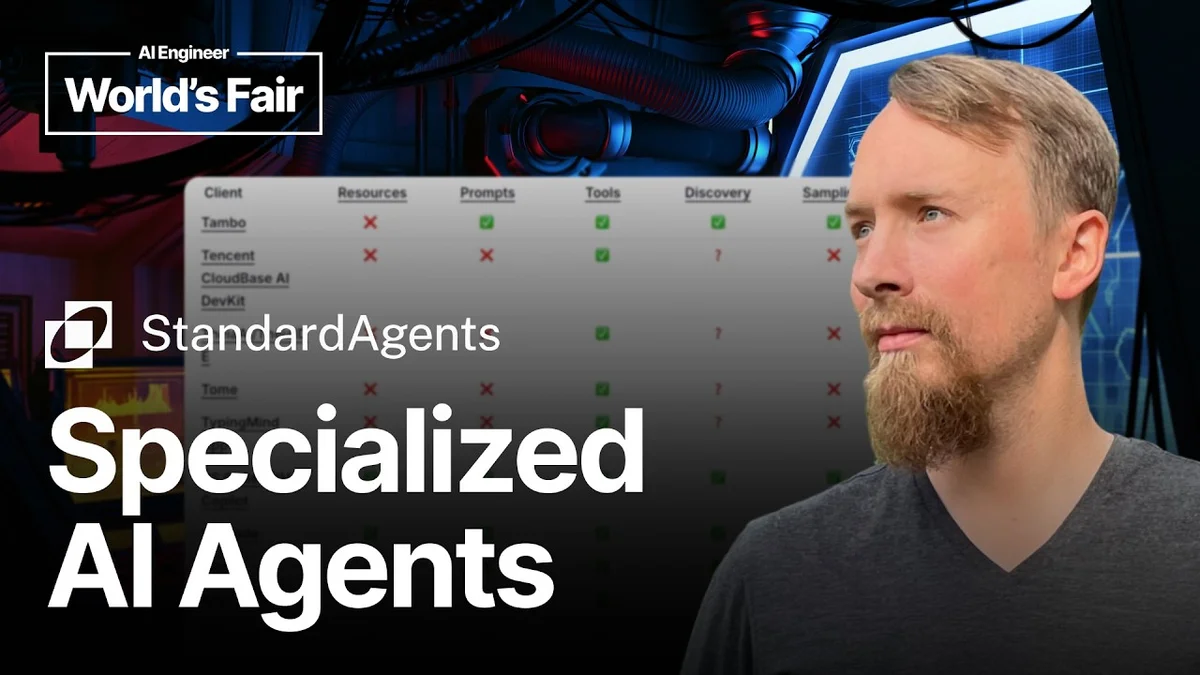
Domain-Specific Agents: The Future of AI?
Justin Schroeder of StandardAgents argues that the future of AI lies in domain-specific agents, which offer greater efficiency and controllability than general-purpose models.
Anthropic's Fiona Fung on Building AI-Pilled Engineering Teams
Anthropic's Fiona Fung discusses how AI is transforming engineering teams, emphasizing initiative, growth mindset, and collaboration.
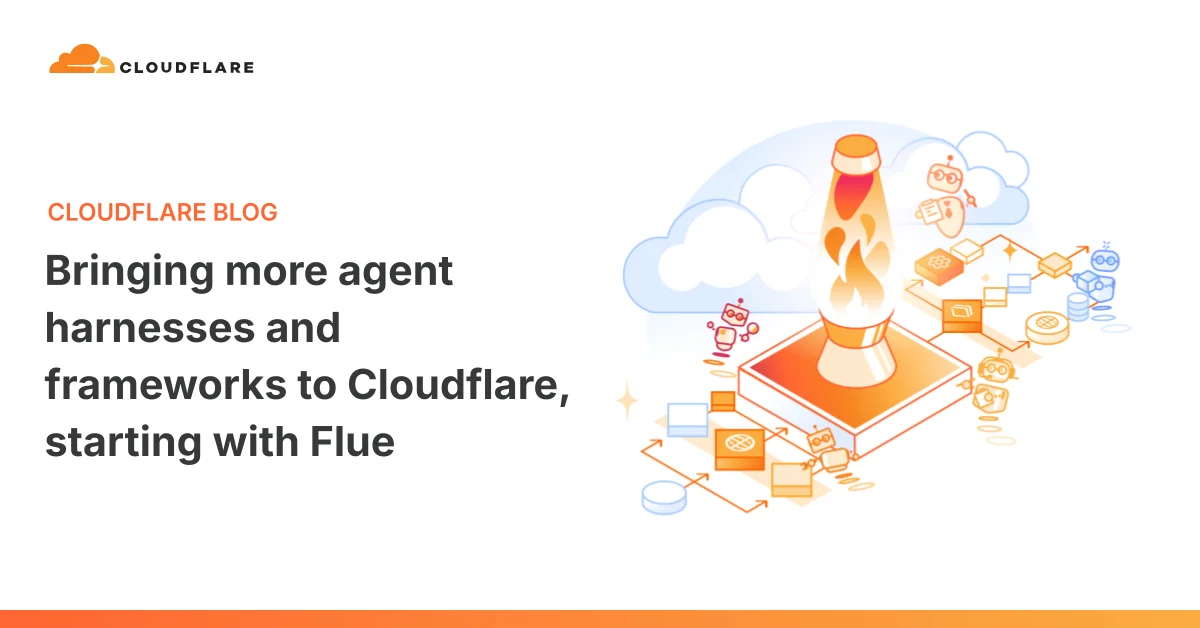
Flue Framework: Cloudflare's Agent Push
Cloudflare introduces the Flue framework, enabling developers to build production-grade AI agents with durable execution and secure code capabilities.

Databricks Free Edition Gets Major Upgrade
Databricks Free Edition now includes Genie Code, serverless GPUs, Lakebase, Agent Bricks, and Lakeflow Designer, offering a complete toolkit for data and AI projects.
Otari Gateway Tames OpenCode Costs
Otari Gateway integrates with OpenCode to provide real-time cost tracking and budget controls for AI coding sessions, requiring no code changes.
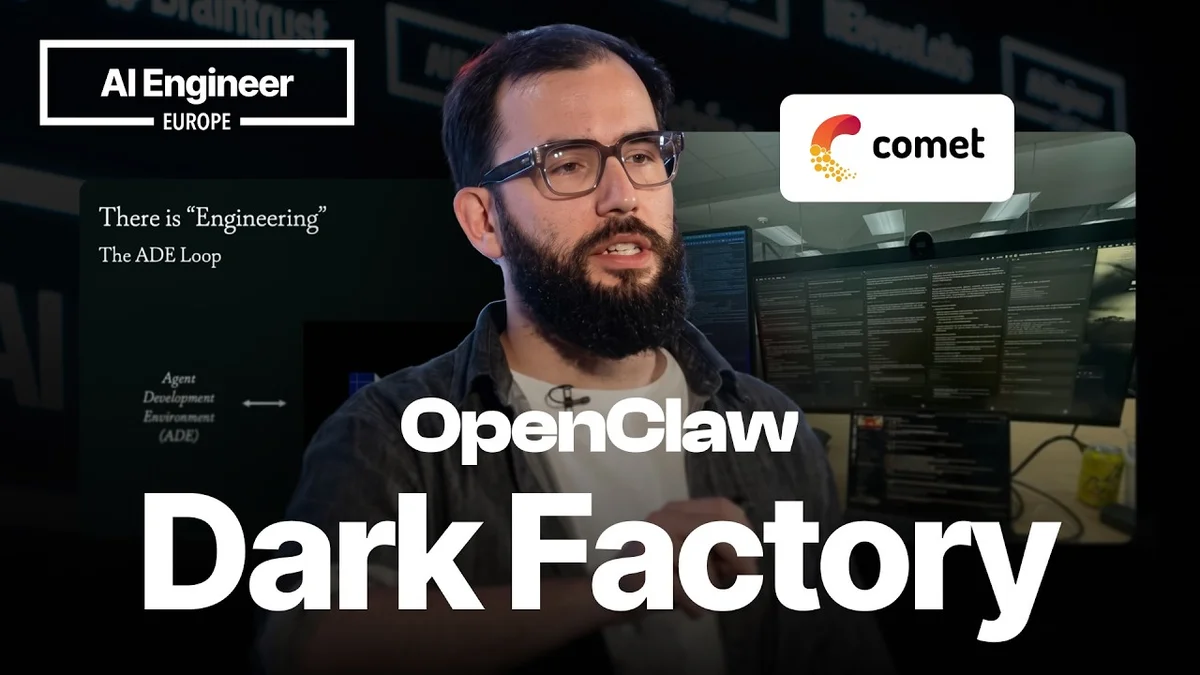
OpenClaw's Vincent Koc on 'Dark Factories' and AI Speed
Vincent Koc of OpenClaw discusses the rapid acceleration of AI development, comparing it to the industrial revolution and highlighting OpenClaw's efficient "dark factory" approach.
Codex: It's Time to Fly
Codex announces its readiness for a new phase with the title "It's time to fly," signaling potential advancements in AI-powered development.
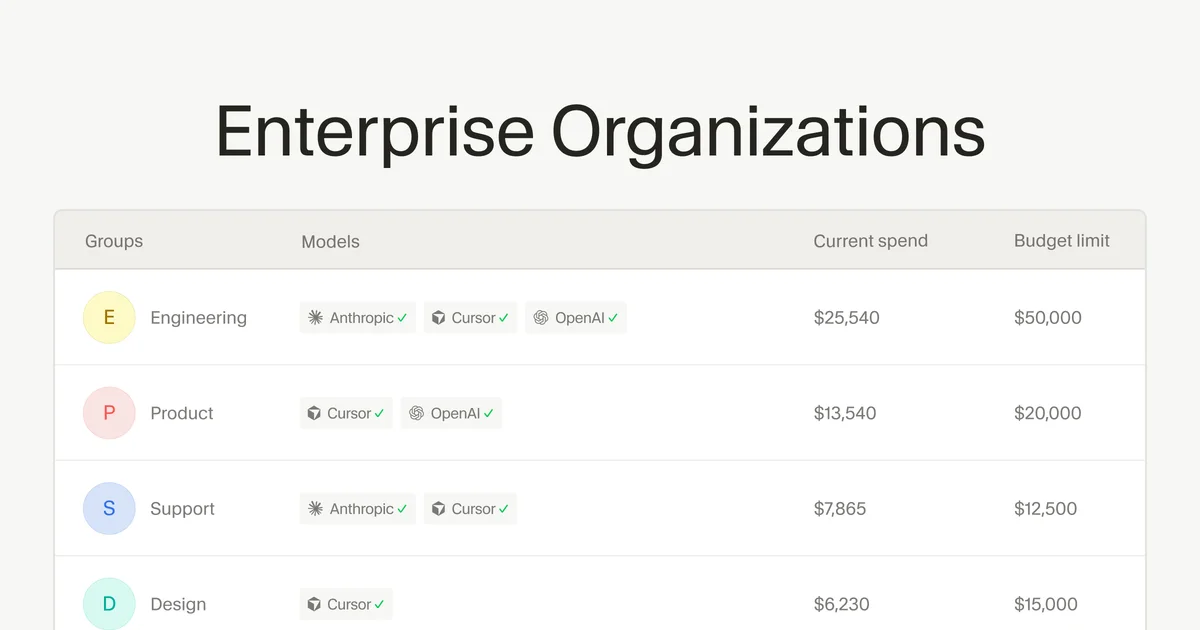
Cursor Enterprise Adds Organizations for Scalability
Cursor Enterprise introduces 'Organizations' to provide centralized management for budgets, identity, and security across multiple teams.
OpenAI Models Now on AWS
OpenAI's cutting-edge AI models and Codex coding assistant are now accessible on AWS, simplifying enterprise adoption and production deployment.

Claude Code's Latest Updates
Claude Code rolls out Opus 4.8 as default, introduces dynamic workflows, security plugins, and performance enhancements for developers.
Claude Code Sets Opus 4.8 as Default Model for Developers
Claude Code updates its default model to Opus 4.8, introduces dynamic workflows, security plugins, and faster, cheaper Opus options.
Braintrust Cedes Coding to Codex
Braintrust is dramatically speeding up its development cycle by integrating OpenAI's Codex, turning customer requests into code previews in minutes.
OpenAI Agents SDK: Building with Model-Native Harnesses
OpenAI's latest Build Hour session dives into the updated Agents SDK, showcasing new features like a Codex-style harness and enhanced sandboxing capabilities.

Anthropic's Olah on AI: Vatican Calls for Caution
Anthropic co-founder Chris Olah addressed the Vatican's new AI encyclical, emphasizing the need for external critics and deeper societal discernment.
Ramp Boosts Dev Speed with Codex GPT-5.5
Ramp engineers are slashing code review times and building new agentic tools with OpenAI's Codex powered by GPT-5.5, boosting developer productivity.
Sea Bets Big on AI Coding with OpenAI Codex
Sea Limited is deploying OpenAI Codex across its developer organization, aiming to transform software development in Southeast Asia through AI-native workflows and agentic collaboration.
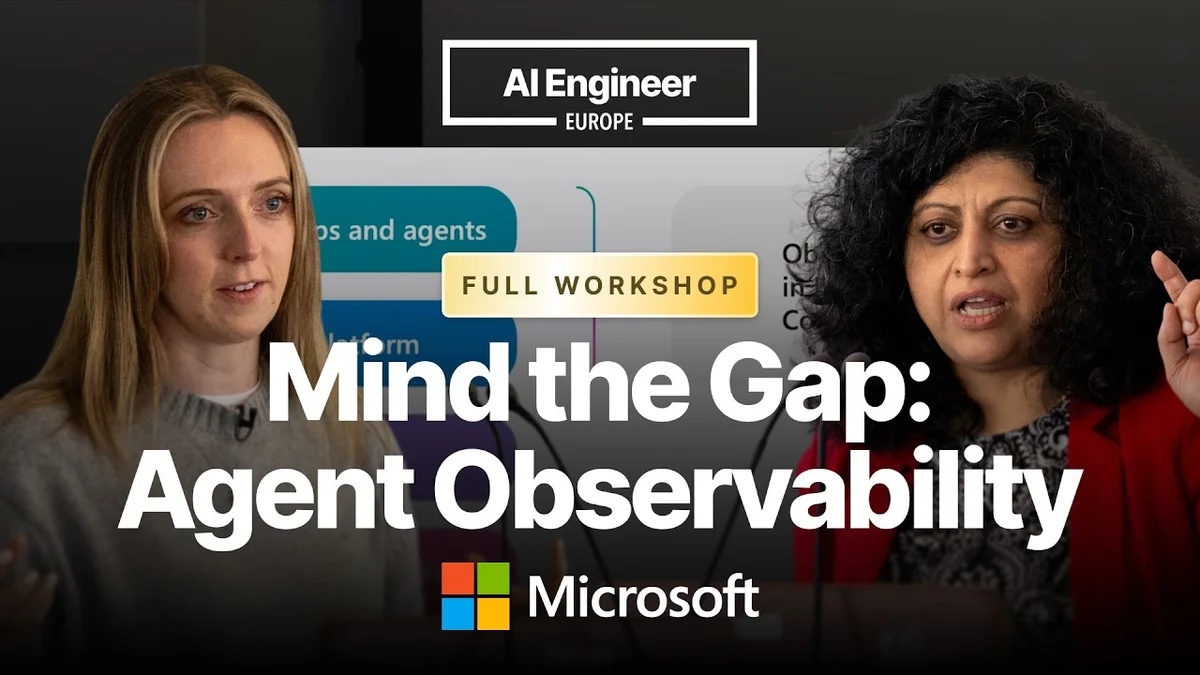
Mind the Gap in Agent Observability
Microsoft's Amy Boyd and Nitya Narasimhan discuss the critical 'gap' in AI agent observability and the need for better tools.
Open Source Roguelikes Thrive on Community
The enduring legacy of roguelike games is built on open-source collaboration and community-driven evolution, a model that continues to shape their development.
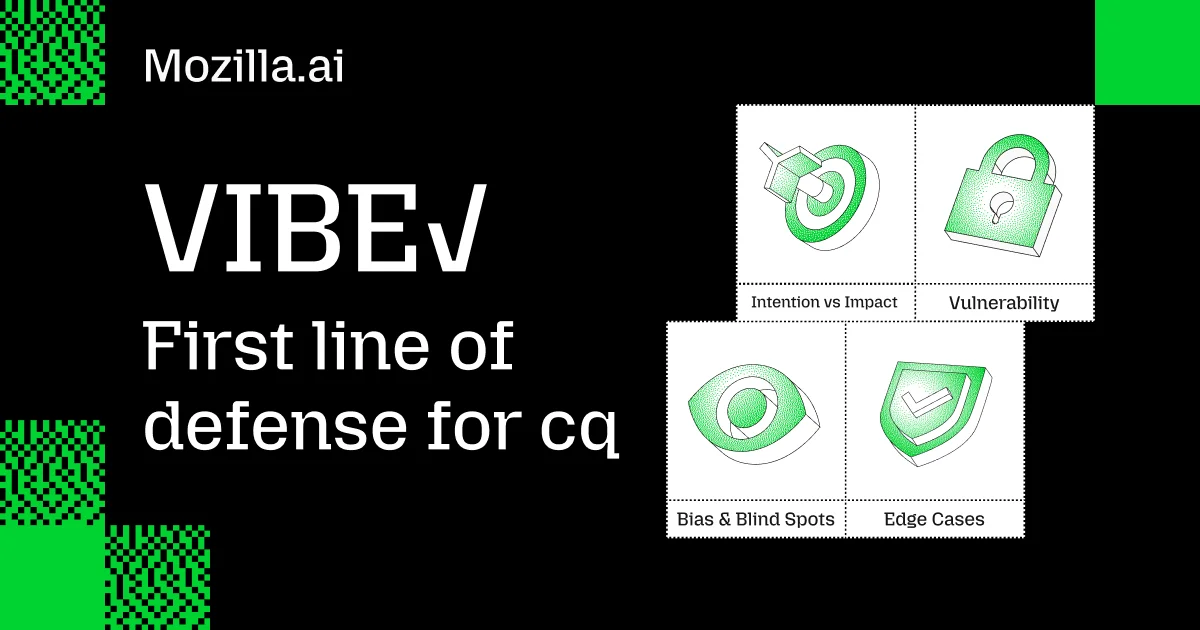
VIBE✓ adds friction to AI coding agents
Mozilla.ai's VIBE✓ framework introduces deliberate friction to coding agent workflows, mitigating automation bias and ensuring human oversight.
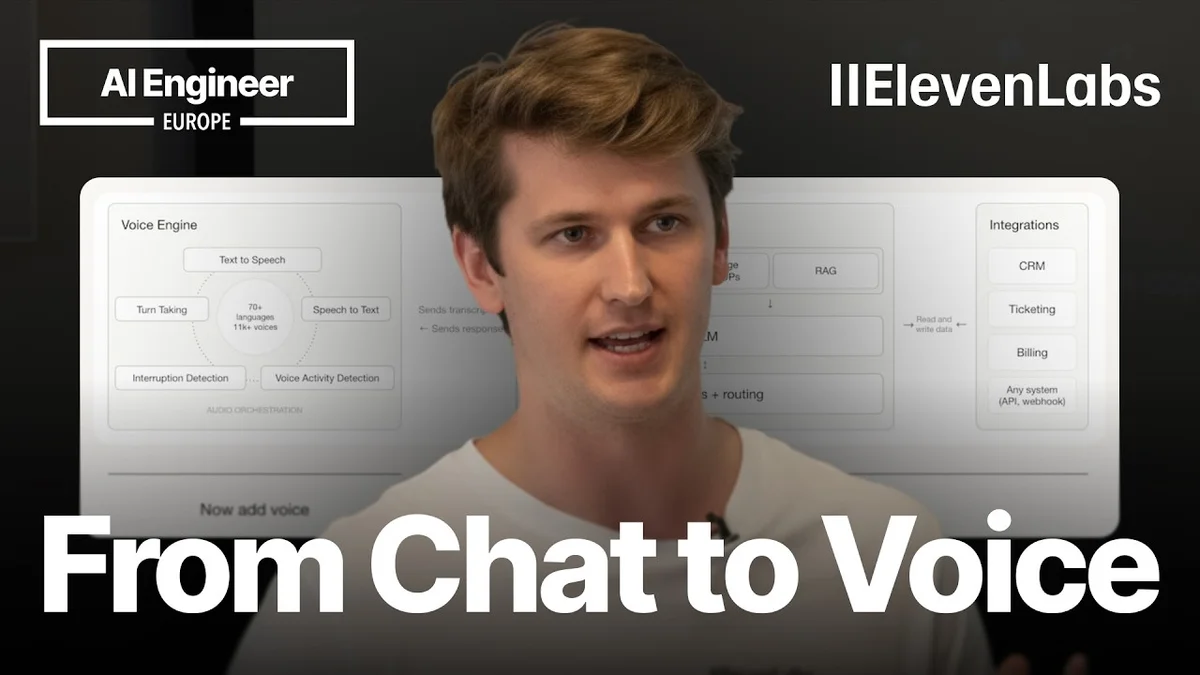
ElevenLabs Gives Chat Agents a Voice
Luke Harries from ElevenLabs discusses the increasing importance of voice for AI chat agents, highlighting the benefits of speed, accessibility, and user experience.

Matt Pocock: Engineering Fundamentals Still Crucial in AI
Matt Pocock, author of 'AI Hero', emphasizes that engineering fundamentals are more crucial than ever for building robust AI systems.
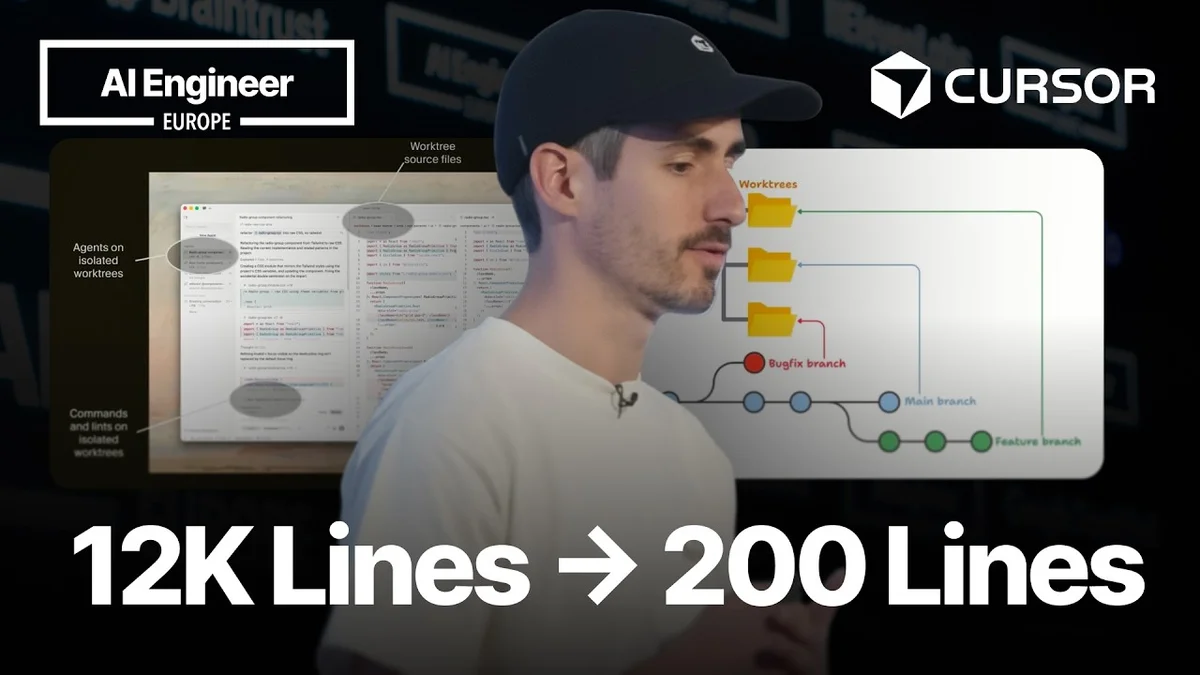
Cursor's AI Agents Get Worktree Boost
David Gomes of Cursor detailed the integration of Git worktrees into AI agents, enabling isolated task execution and reducing code complexity.
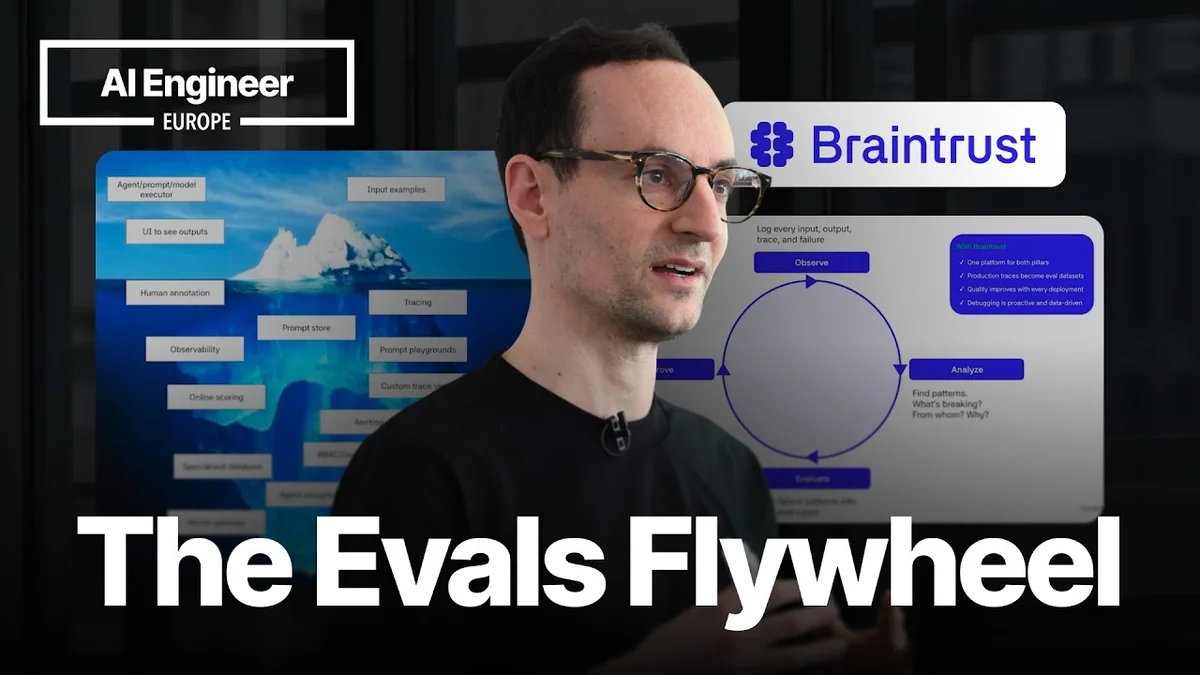
Building Better AI Agents: The Eval Platform Challenge
Phil Hetzel of Braintrust discusses the challenges and best practices for building effective evaluation platforms for AI agents, emphasizing a systems-level approach.

Snowflake Adds OpenAI's GPT 5.5
Snowflake integrates OpenAI's latest GPT 5.5 model into its Cortex AI platform, enhancing enterprise capabilities for coding, data analysis, and AI agent development.
NVIDIA Engineer on GPT-5.5's 'Superpower'
NVIDIA's Dennis Hannusch discusses GPT-5.5, calling its ability to 'just get things done' its superpower and detailing its use in production-level software development.
OpenAI Codex Plugins Expand AI Capabilities
OpenAI Codex enhances its AI with plugins for external data access and skills for executing custom workflows.

Red Hat's Clyburn on Podman's AI Potential
Red Hat's Cedric Clyburn discusses Podman, highlighting its features for AI development, including Systemd integration and bootable containers.

Snowflake's Agent Framework for Finance
Snowflake's Ecosystem Agent Framework aims to automate financial services by enabling AI agents to execute tasks directly on unified data.

AI Agents Need Skills: Martin Keen on LLM Tooling
Martin Keen of IBM explains how AI agent skills, defined in structured files, are essential for LLMs to perform tasks, detailing the "skill file" format and different knowledge types.
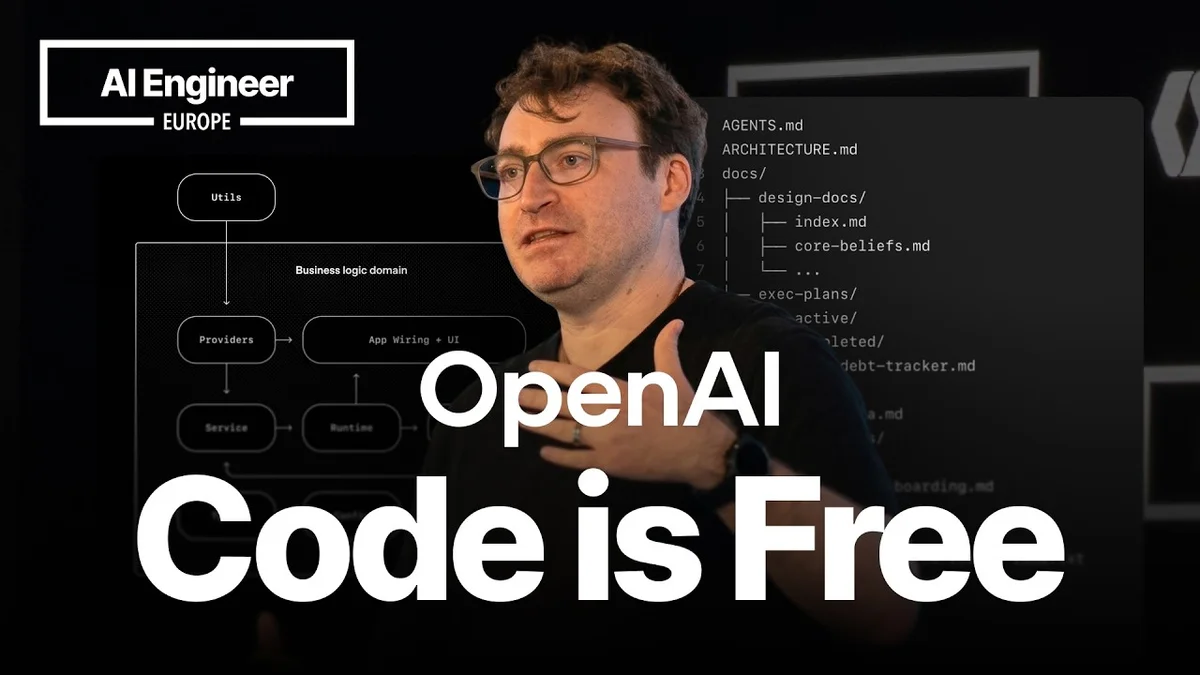
OpenAI's Ryan Lopopolo on Harnessing AI for Software Engineering
OpenAI's Ryan Lopopolo discusses how AI agents are reshaping software engineering, emphasizing the shift towards human oversight and strategic prompt design.

AI Personalities: From Shakespeare to ChatGPT
Anish Acharya and Erik Torenberg of a16z discuss the development of AI personalities, the challenges of making AI relatable, and the future of human-AI interaction.

Notion's Sarah Sachs on AI Agents and the Future of Work
Sarah Sachs, AI Lead at Notion, discusses the company's vision for flexible AI agents, iterative development, and balancing powerful features with user accessibility on the Latent Space podcast.
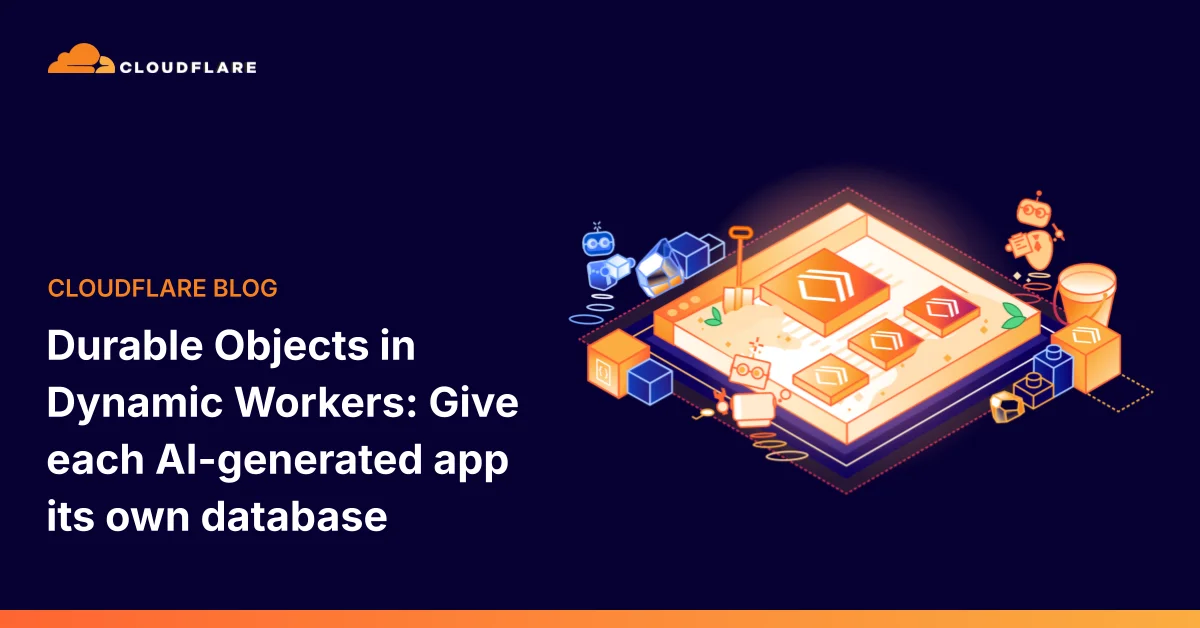
Cloudflare Unveils Durable Objects Facets
Cloudflare's new Durable Objects Facets feature allows AI-generated applications to manage persistent data, bridging the gap between dynamic code execution and stateful storage.
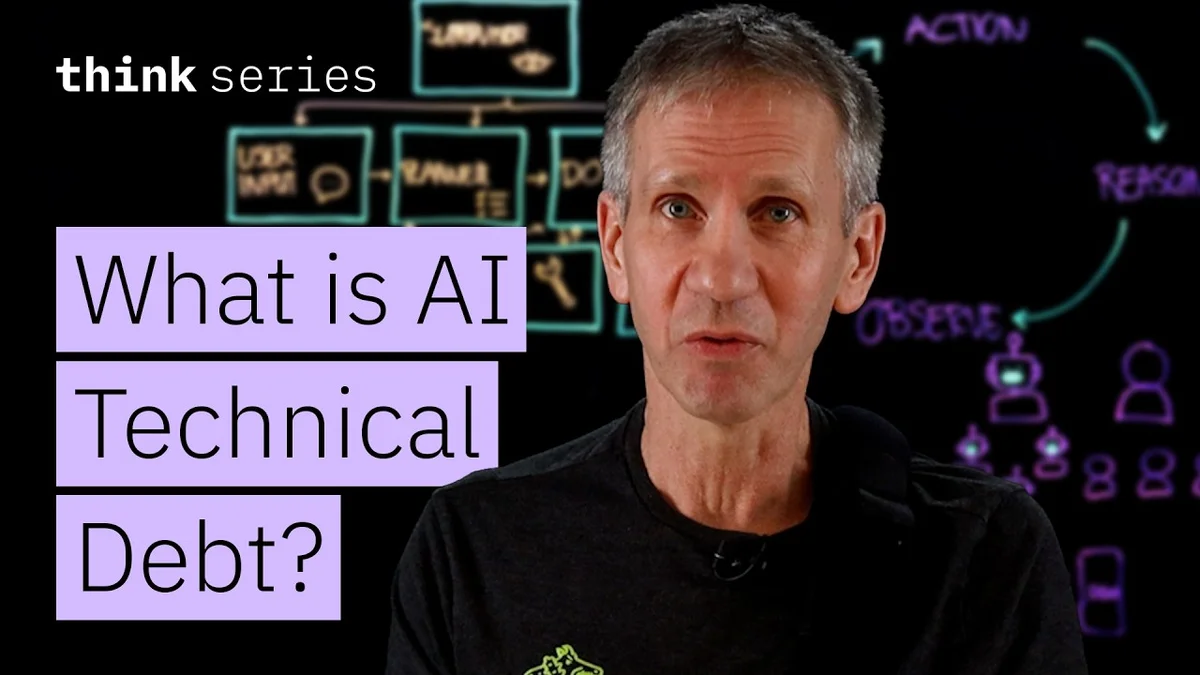
IBM's Jeff Crume on AI Tech Debt
Jeff Crume of IBM explains how AI systems can accrue technical debt, the risks involved, and how to mitigate it through strategic planning and discipline.