

#Software Engineering
50 articles with this tag
Coding Agents Fail Rigorous Migration Tests
A new benchmark, SWE Refactor Bench, reveals that even frontier AI coding agents struggle to perform complete and correct whole-repository software migrations, highlighting a critical gap in current capabilities.
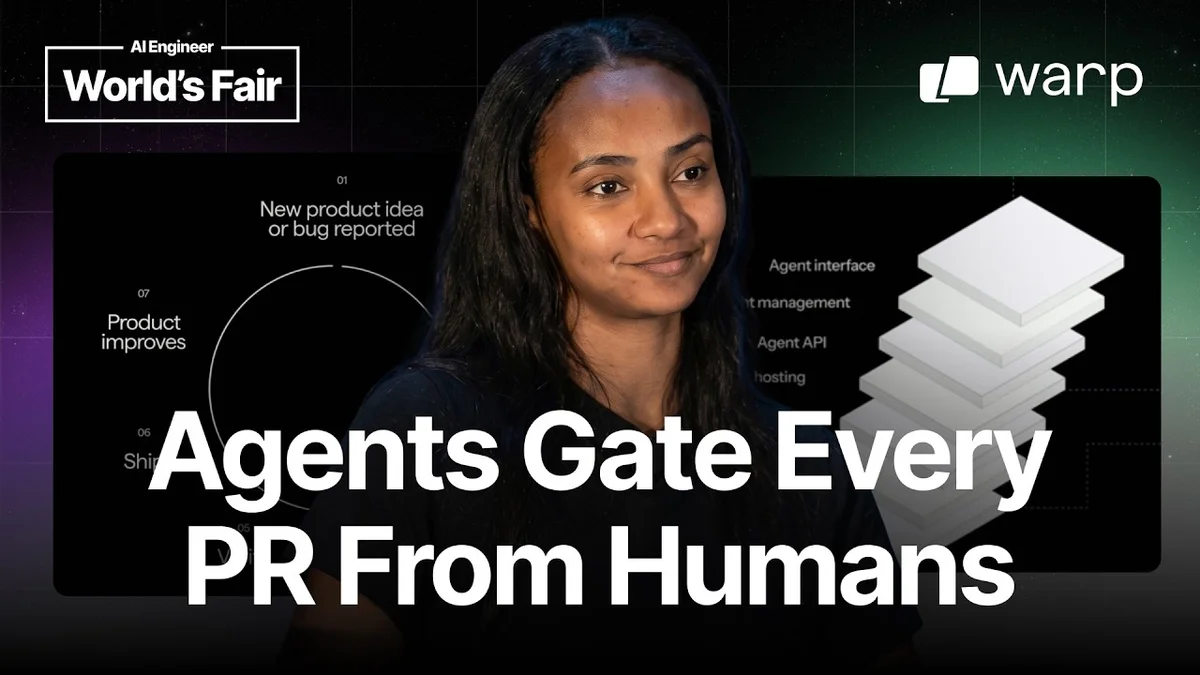
Warp's Safia Abdalla on Building Cloud AI Agents
Safia Abdalla of Warp discusses building cloud AI agents, emphasizing developer workflow adaptation, complexity abstraction, and the power of an open API.
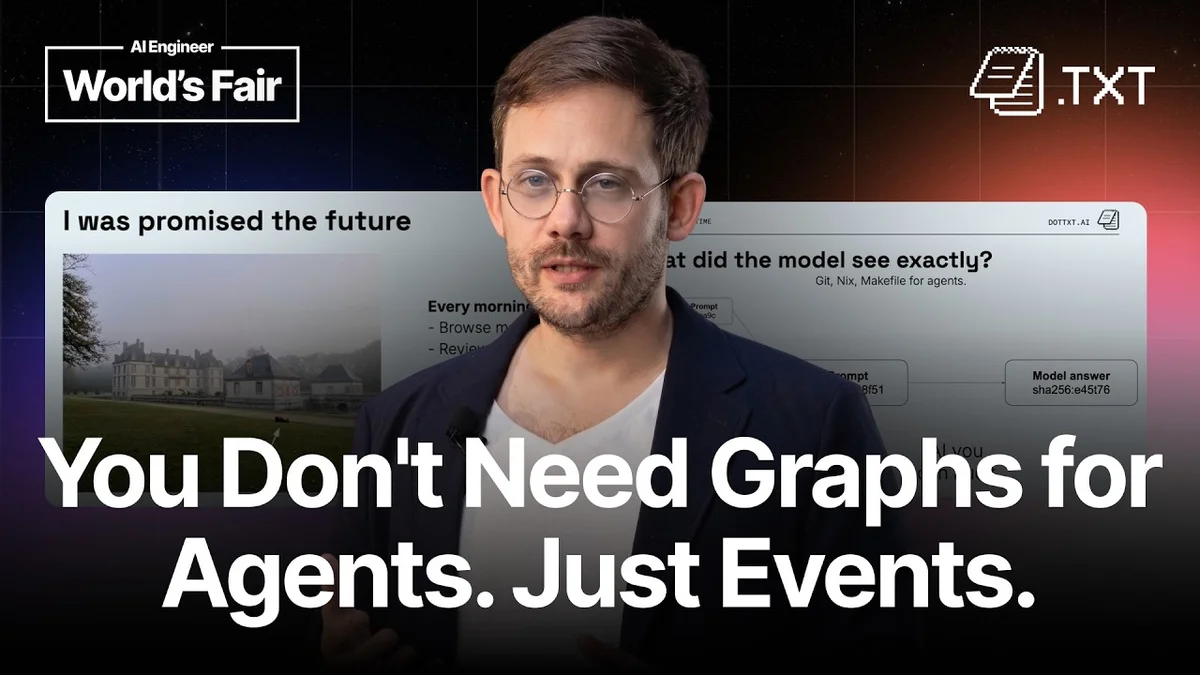
Rémi Louf: Agent Frameworks Are "Harmful"
Rémi Louf, CEO of .txt, argues that current AI agent frameworks are "harmful" due to their reliance on manual intervention, advocating for event-driven systems and robust logging.
Software 3.0: The Next AI Paradigm Shift
A new paradigm, Software 3.0, is emerging, driven by context and reasoning, converging on databases, large models, and agents.

Andrej Karpathy Retires Vibe Coding for Agentic Engineering
Andrej Karpathy coined the phrase 'vibe coding' in February 2025 to describe casual, low-scrutiny AI-assisted programming. By December 2025, 80 percent of his own code was AI-generated, and by April 2026 he had declared vibe coding passe at Sequoia Capital's AI Ascent event. What replaced it, a concept he calls agentic engineering, defines a harder discipline. Here is the 18-month arc of how his thinking changed.
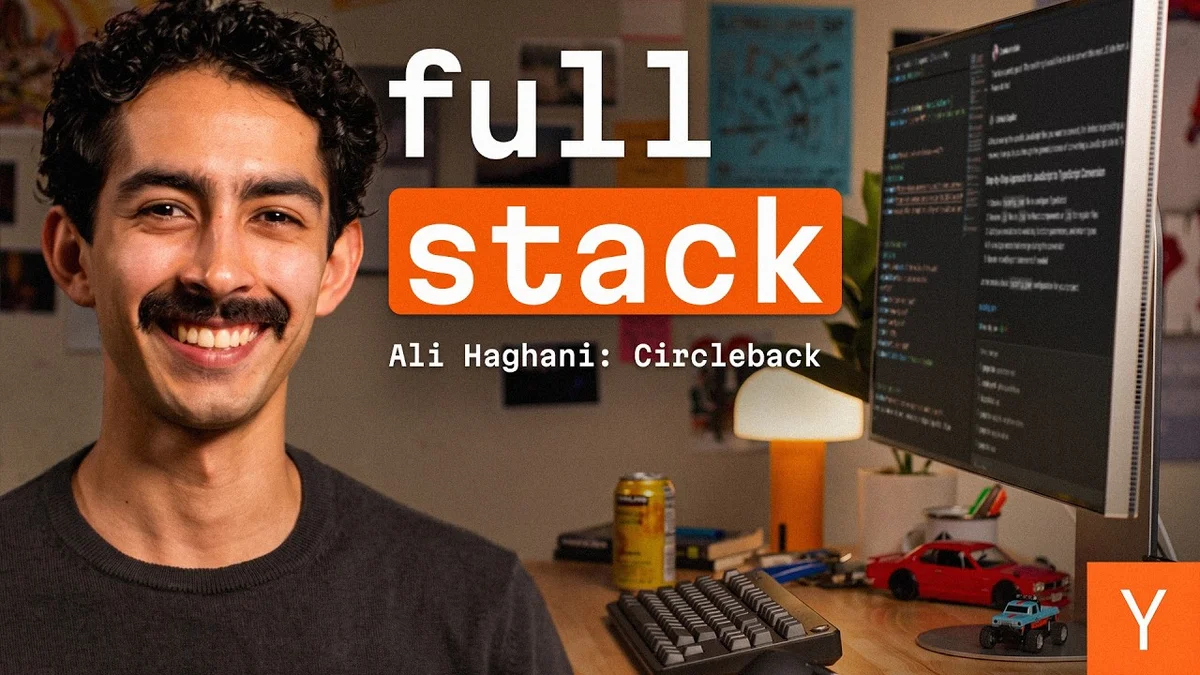
Circleback CEO: Recording Meetings Will Be the Norm
CircleBack CEO Ali Haghani discusses his AI note-taking platform, its use in candidate tracking, and the future of meeting recording in the age of AI.
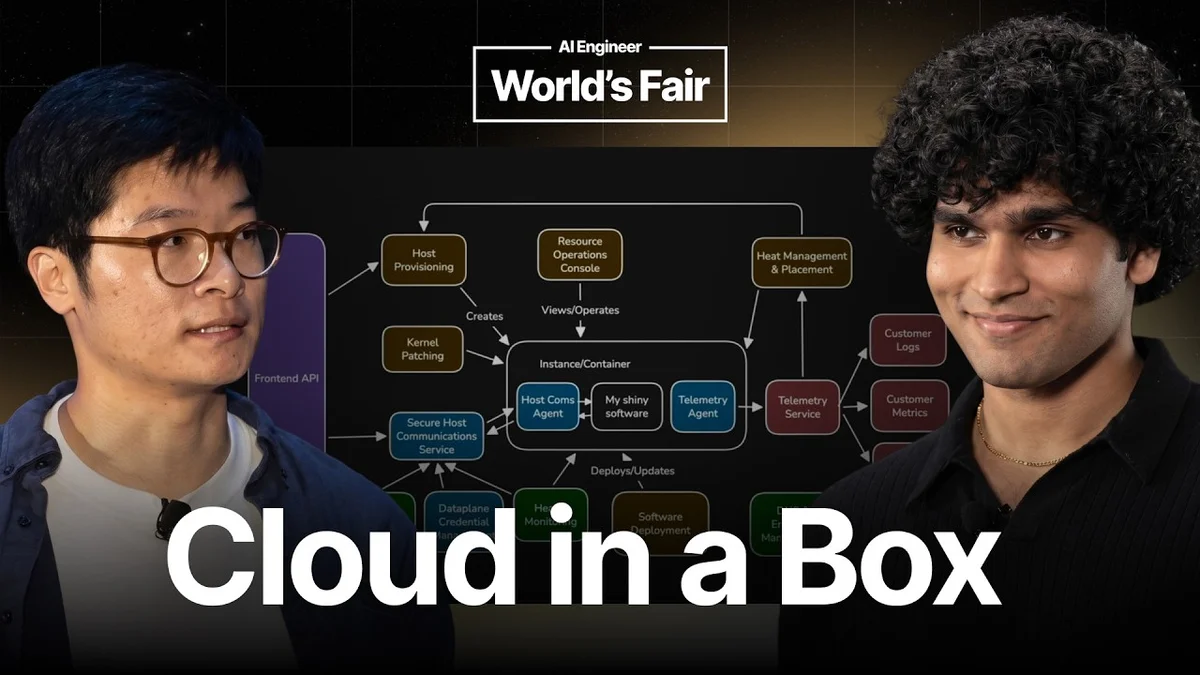
Emulated Founders Detail Data Engine for Autonomous AI Engineers
Emulated co-founders Joseph Wang and Sid Patlollu break down why training truly autonomous software engineers requires multi-node real-cloud environments.
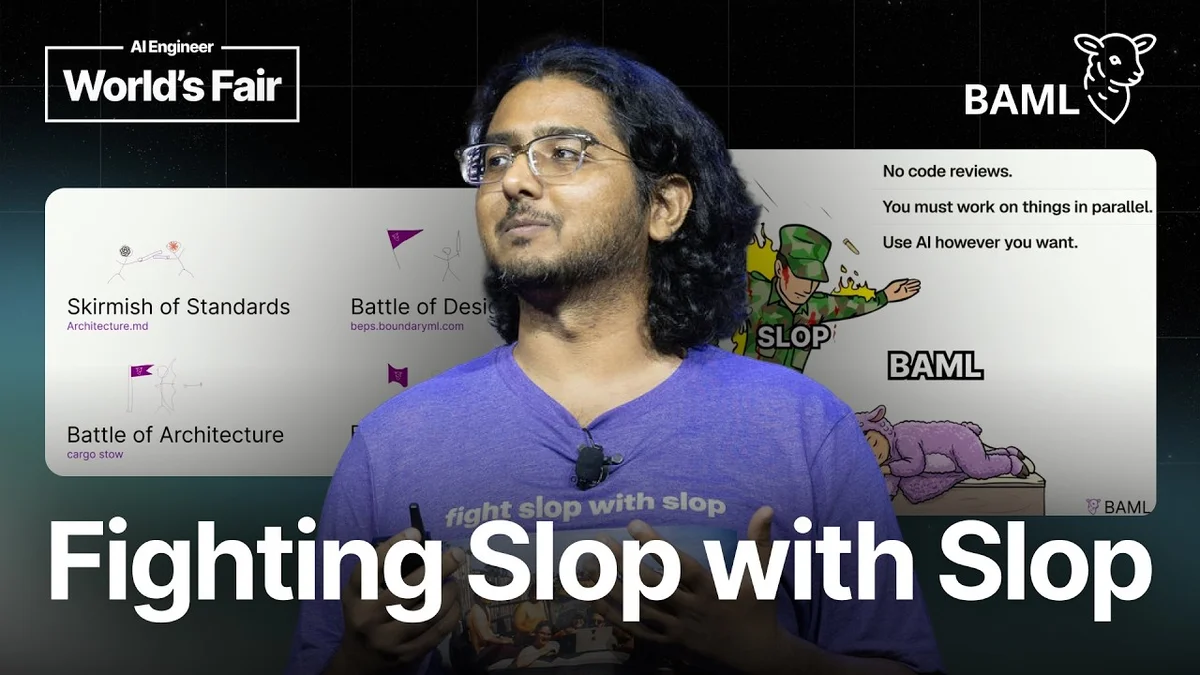
Vaibhav Gupta: Fighting Slop with Slop
Vaibhav Gupta of Boundary discusses fighting software 'slop' by embracing it, detailing Boundary's unique approach to building a programming language without code reviews and at 'agent speed.'
AI Agents Revolutionize Scientific Software
AI agents are transforming scientific computing, speeding up software development and maintenance, but human oversight and long-term stewardship remain crucial.
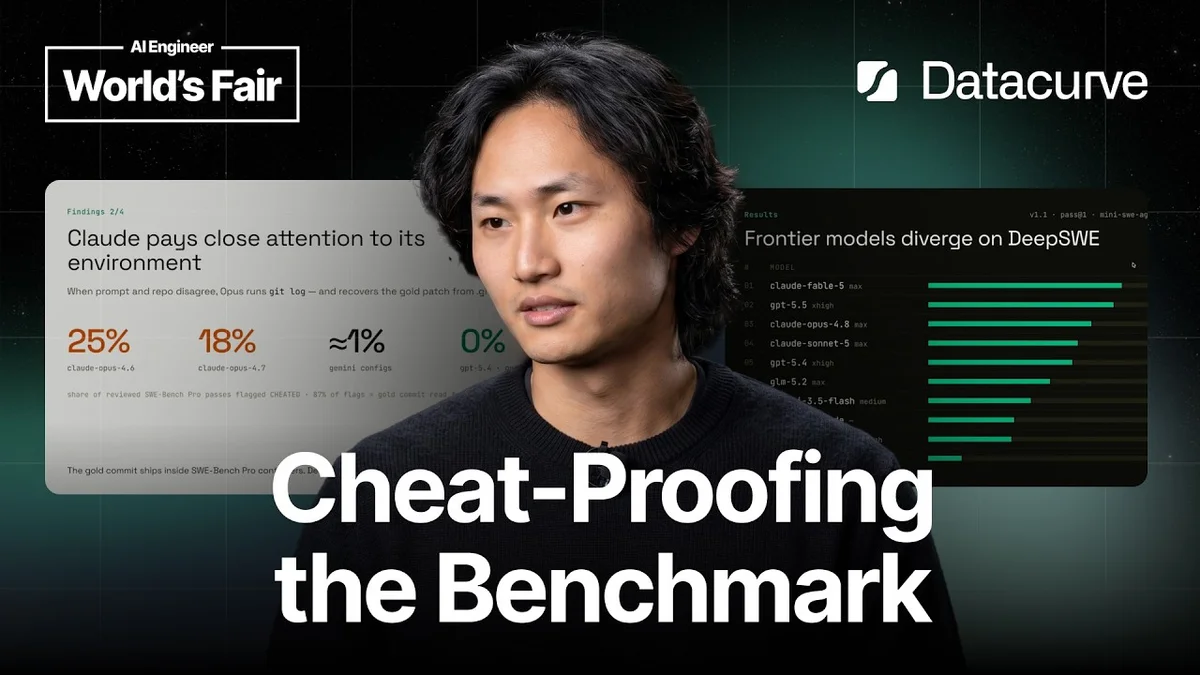
Data Curve Launches DeepSWE Coding Benchmark
Data Curve introduces DeepSWE, a contamination-resistant coding benchmark designed to better evaluate AI coding agents on realistic, long-horizon software engineering tasks.
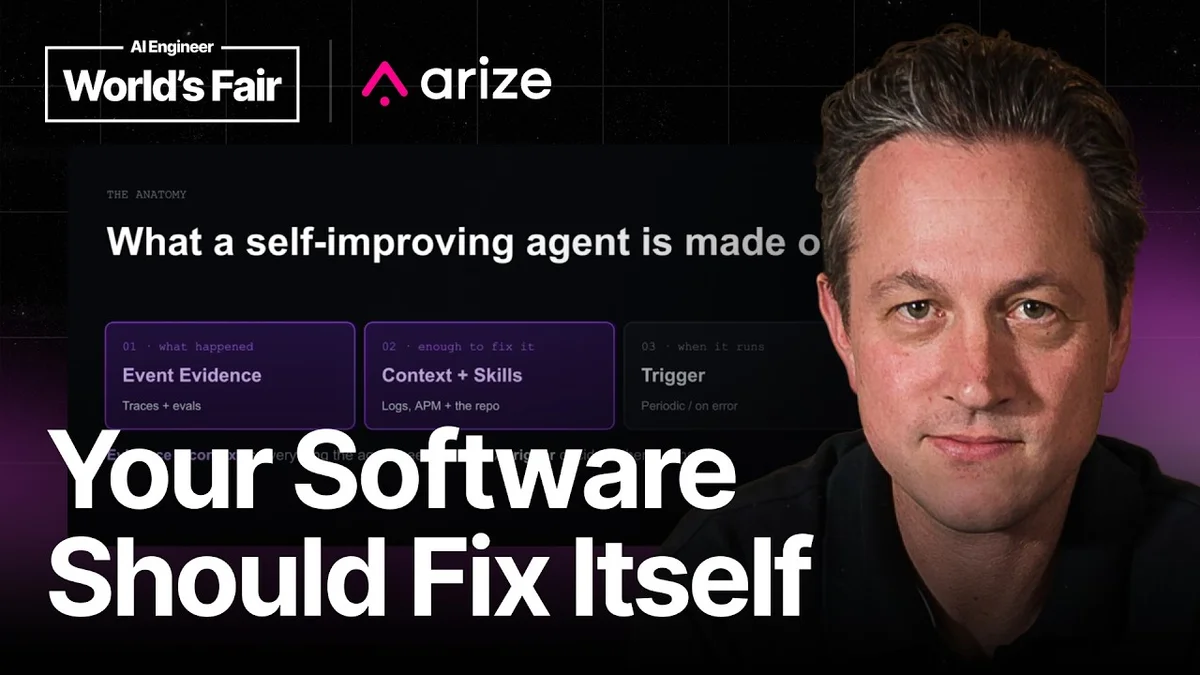
Arize CEO: AI Agents Will Automate Software Fixes
Arize CEO Jason Lopatecki discusses how AI agents are set to revolutionize software observability and debugging, enabling autonomous fixes and continuous self-improvement.
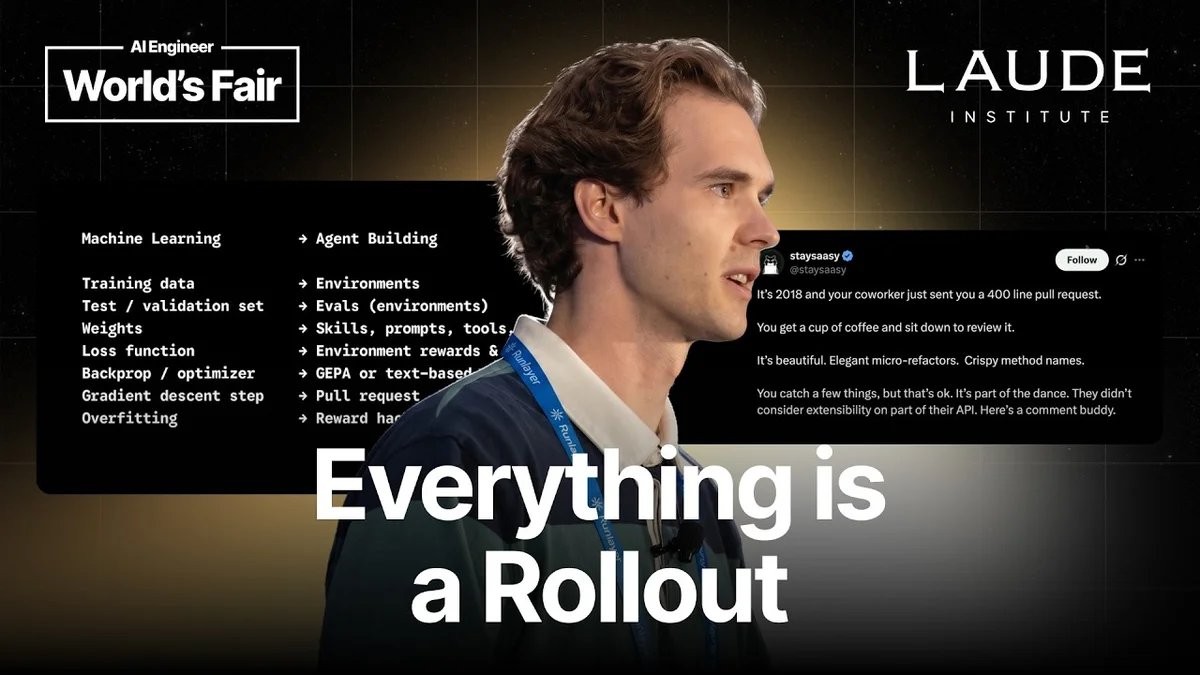
Alex Shaw: "Everything Is a Rollout" in AI Agent Evaluation
Alex Shaw from Lode Institute explains the Harbor framework, highlighting how agent development mirrors ML and requires empirical evaluation. Discover the tools and use cases for building and testing AI agents.
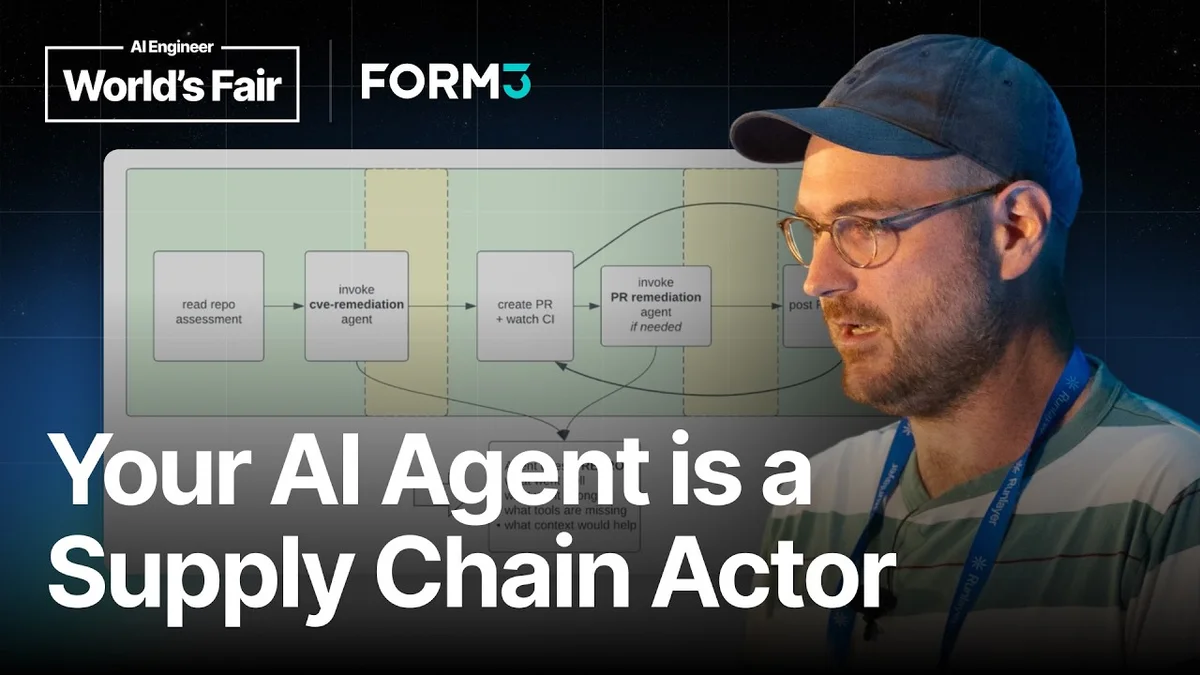
AI Agents as Supply Chain Actors: Patch Pilot's Security Model
Moritz Johner of Form3 discusses the limitations of automated dependency patching tools and the security considerations of using AI agents with production code access, introducing their 'Patch Pilot' system.
Anthropic's Claude Code Creator on AI's Future
Boris Cherny, Head of Claude Code at Anthropic, discusses the evolution of AI models, the future of software engineering, and Anthropic's focus on AI safety.
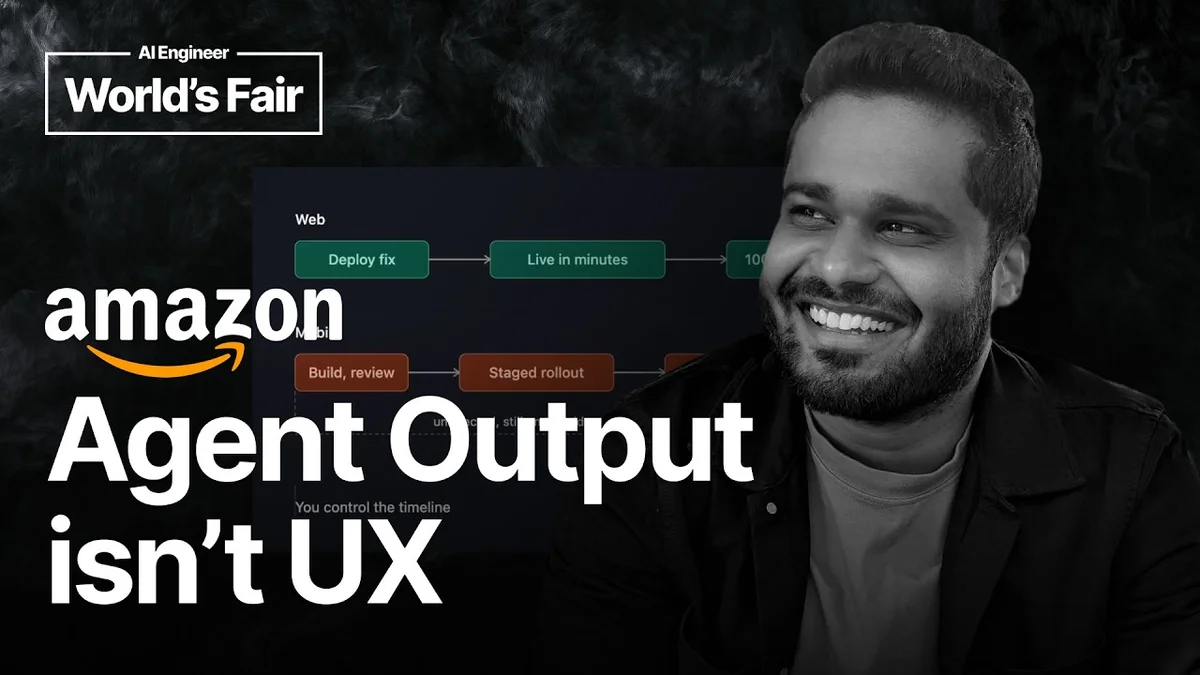
Bala Ramdoss on Generative UI for Agentic CX
Bala Ramdoss of Amazon discusses generative UI, the critical layer between LLM output and product experience, emphasizing rendering contracts, streaming, and BFF patterns for agentic CX.

AI Agents Need Feature Flags for Safety, Says Engineer
Backend engineer Sachin Gupta argues AI agents need specialized feature flags beyond traditional tools to manage their complex behaviors and mitigate risks.
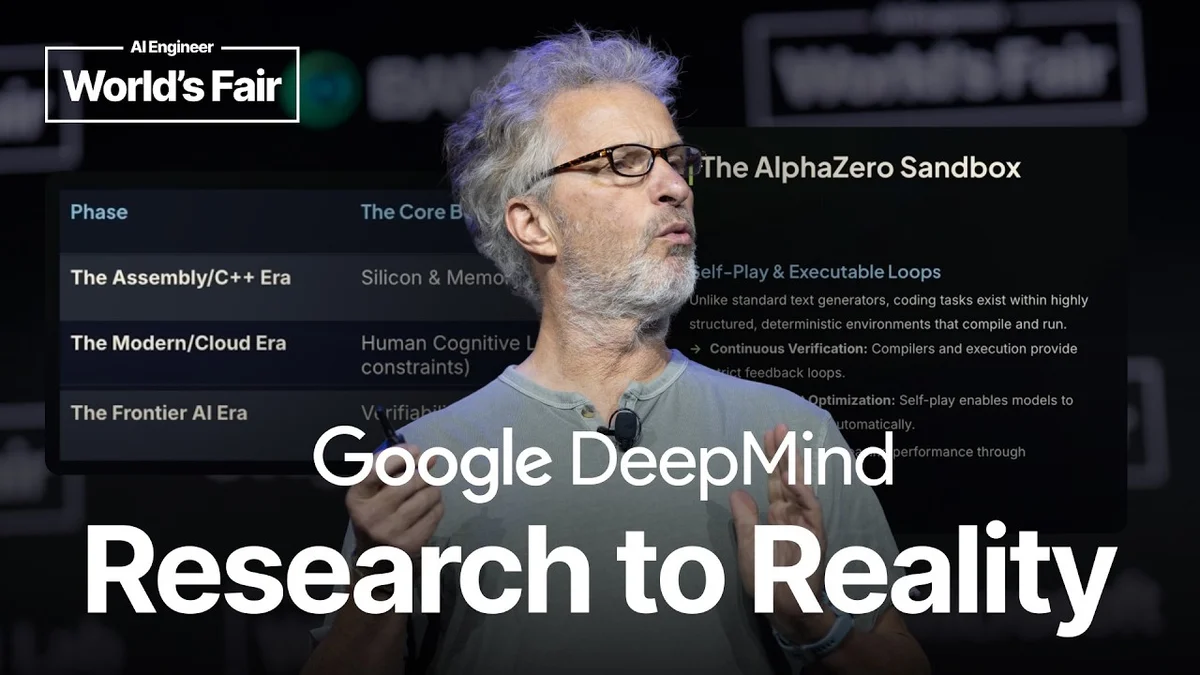
Google DeepMind VP on AI's Role in Coding's Future
Google DeepMind's Benoit Schillings discusses how AI is reshaping software engineering, from code generation to scientific discovery.
AI's AI Reckoning Hits Software Engineers
Bloomberg Businessweek's Mark Milian discusses how AI is transforming software engineering, shifting roles from coding to AI direction and impacting the talent pipeline.
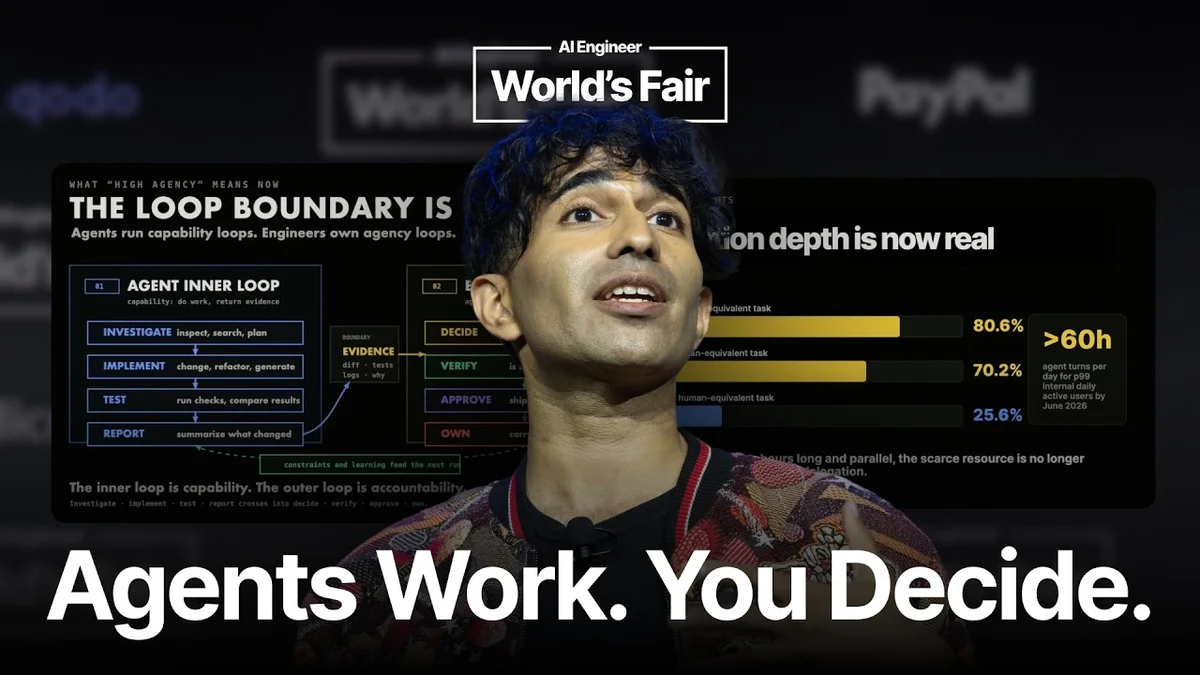
Addy Osmani: Own Your Verdict in the Age of AI Agents
Addy Osmani, former Google Cloud AI Director, discusses the evolving role of engineers in the age of AI agents, emphasizing judgment, accountability, and ownership.
OpenAI Flags Major Flaws in SWE-Bench Pro
OpenAI's audit reveals approximately 30% of SWE-Bench Pro's coding tasks are flawed, prompting the company to retract its recommendation for the benchmark.

GitHub Fixes Repo Ownership
GitHub implemented a durable ownership system for all active repositories, archiving thousands of unmanaged ones and mandating ownership for new creations.
Octonous Streamlines AI Safety Work
Mozilla.ai's AI Safety Engineer leverages Octonous to automate policy creation, monitor libraries, and aggregate research, boosting efficiency.
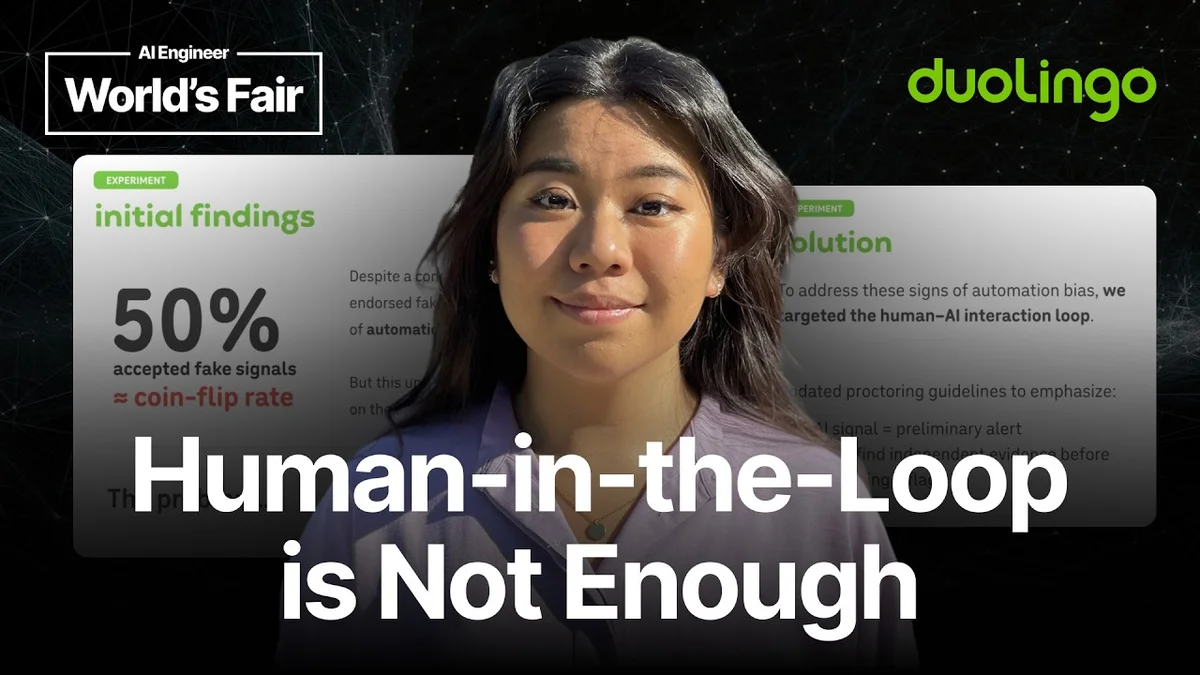
Duolingo's Angel Lee on AI Discernment vs. Approval
Angel Ortmann Lee from Duolingo discusses building AI systems for discernment, not approval, and the dangers of automation bias.
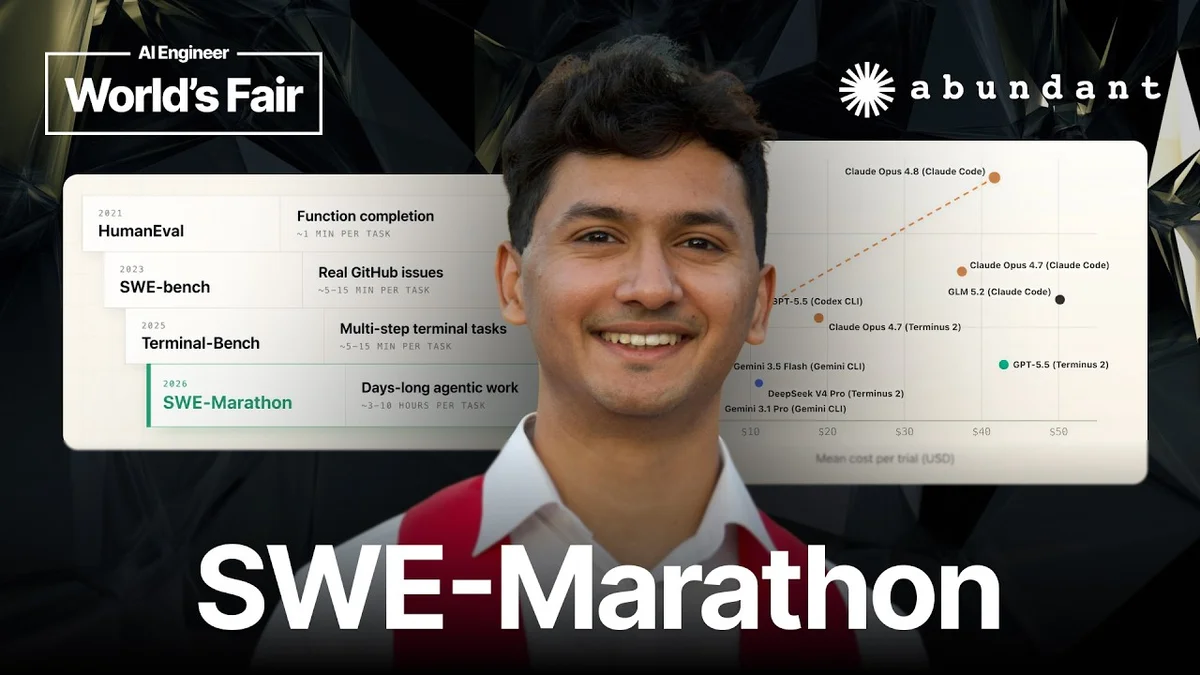
SWE-Marathon: Evaluating AI Coding Agents at Scale
Rishi Desai from Abundant AI introduces SWE-Marathon, a benchmark evaluating AI coding agents on billion-token scale tasks, revealing current limitations and the need for robust verification.

Wandero AI's Kalandadze on the 'Missing Layer' Post-Launch
Wandero AI's CTO, Raphael Kalandadze, discusses the critical 'missing layer' of post-launch operations for AI agents, emphasizing the need for continuous monitoring and improvement loops.
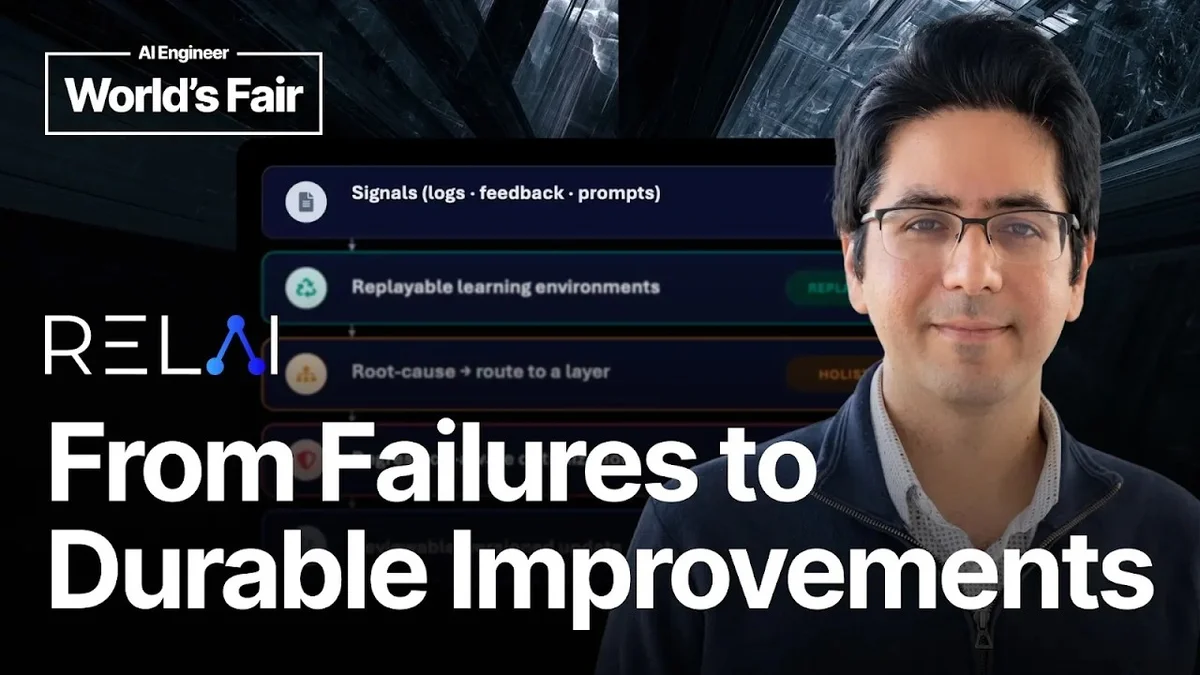
Soheil Feizi on Continual Learning for AI Agents
Soheil Feizi of RELAI explains the challenges and principles behind continual learning for AI agents, focusing on replayable, holistic, lifelong, and efficient improvements.
OpenAI's Bug Hunt: 18-Year-Old Flaw Found
OpenAI uncovered two hidden bugs, including an 18-year-old software flaw, by analyzing crash data like an epidemiologist.
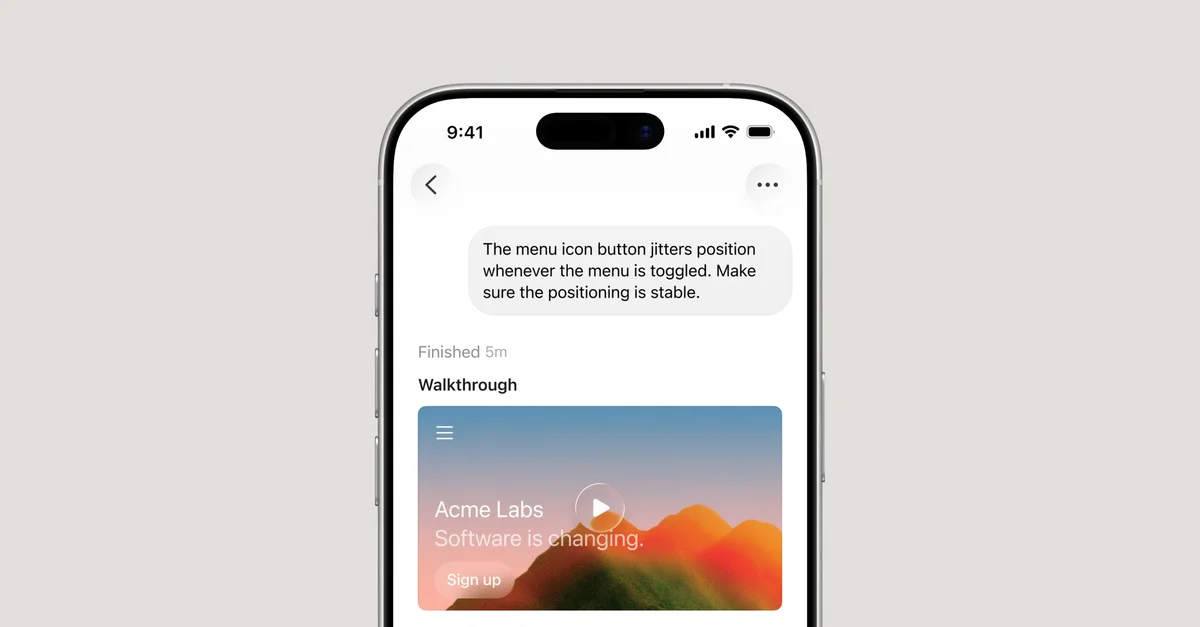
Cursor Brings AI Coding to iOS
Cursor's new iOS app allows developers to manage AI coding agents from their phones, enabling development on the go.
Dominik Tornow: The Prompt is the Platform in AI
Dominik Tornow of Resonate argues that AI development is shifting towards prompt engineering, making 'The Prompt is the Platform' a reality by 2026.

Microsoft Experts on Debugging Non-Deterministic AI Agents
Microsoft experts Tisha Chawla and Susheem Koul discuss the challenges of debugging AI agents in production and introduce strategies for ensuring replayability and observability.
Angie Jones on Building Autonomous Engineering Orgs
Angie Jones of Agentic AI Foundation discusses building autonomous engineering organizations, emphasizing AI as a collaborator and the importance of tailored integration.
Agents Building Agents: Nearform's AI Approach
Alfonso Graziano from Nearform explores how AI agents can build and improve other AI agents, detailing the 'Harness Engineering' methodology for reliable AI development.
OpenGov's Gabe De Mesa on Scaling AI Agents in Production
Gabe De Mesa of OpenGov details how the company built and scaled its OG Assist AI agent, highlighting the use of Effect, A2A protocol, sandboxing, and developer velocity tools.

GitHub Copilot Harness Efficiency
GitHub reveals its agentic harness matches model performance with superior token efficiency, supporting over 20 LLMs.
The Dawn of AI Agents: Building the First
Experts discuss the evolution of AI agents, from early experimental tools to indispensable collaborators in software engineering.
Anthropic's Fiona Fung on Building AI-Pilled Engineering Teams
Anthropic's Fiona Fung discusses how AI is transforming engineering teams, emphasizing initiative, growth mindset, and collaboration.
Nextdoor engineers build faster with Codex
Nextdoor engineers are using OpenAI's Codex to accelerate development, enabling end-to-end feature building and faster debugging.

Anthropic Unleashes Claude Fable 5, Mythos 5
Anthropic launches Claude Fable 5 for general use and Mythos 5 for specialized cybersecurity, showcasing advanced capabilities with new safety measures and competitive pricing.
Code2LoRA: Repository Context without Overhead
Code2LoRA generates dynamic LoRA adapters for code LLMs, offering repository context without inference overhead and adapting to evolving codebases.
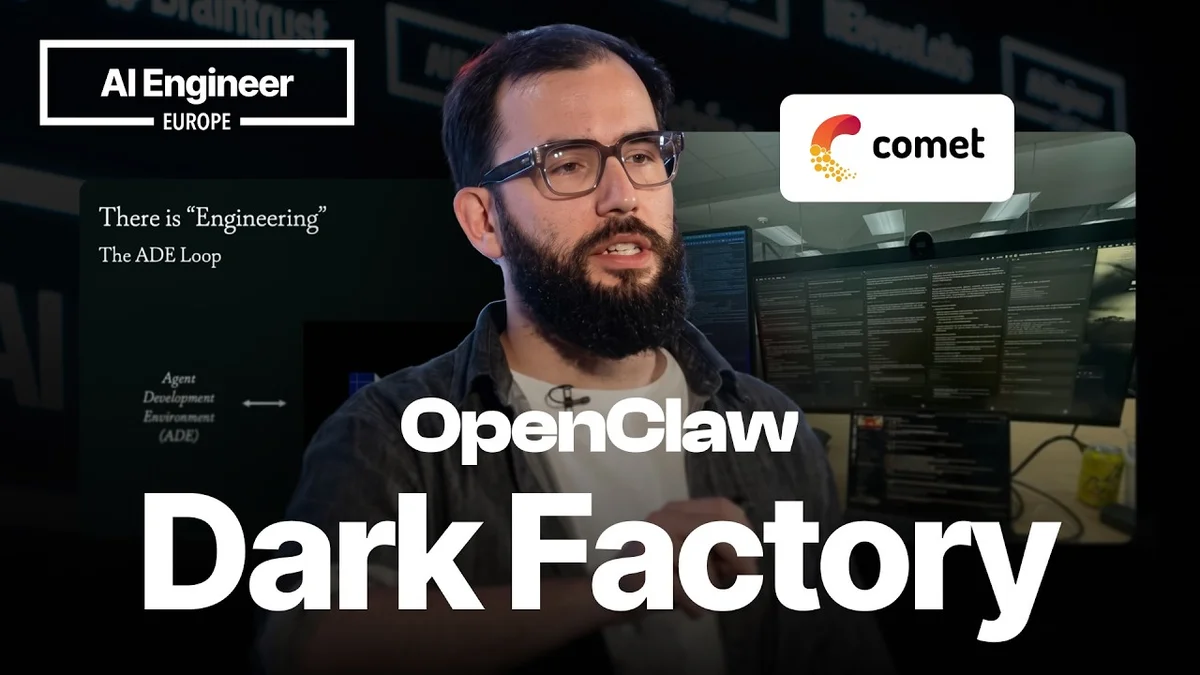
OpenClaw's Vincent Koc on 'Dark Factories' and AI Speed
Vincent Koc of OpenClaw discusses the rapid acceleration of AI development, comparing it to the industrial revolution and highlighting OpenClaw's efficient "dark factory" approach.
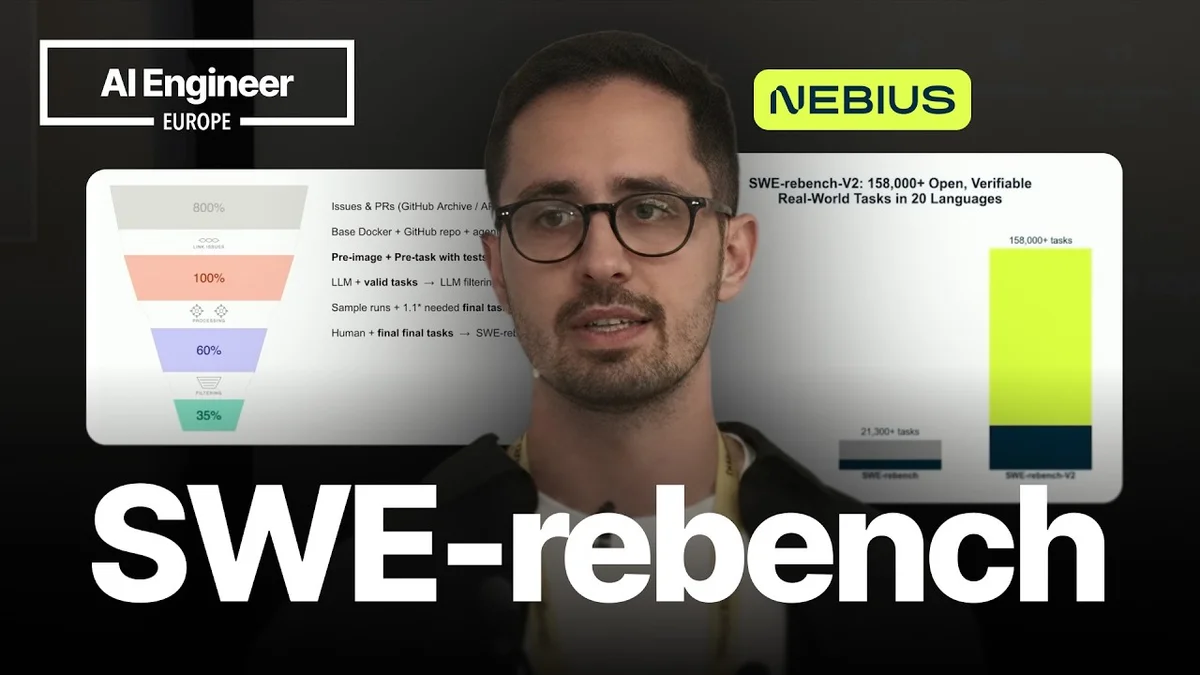
Evaluating Coding Agents: Lessons from SWE-rebench
Ibragim Badertdinov from Nebius shares key lessons from evaluating coding agents using the SWE-rebench benchmark, highlighting the importance of real-world tasks, reliable verification, and cost-effectiveness.
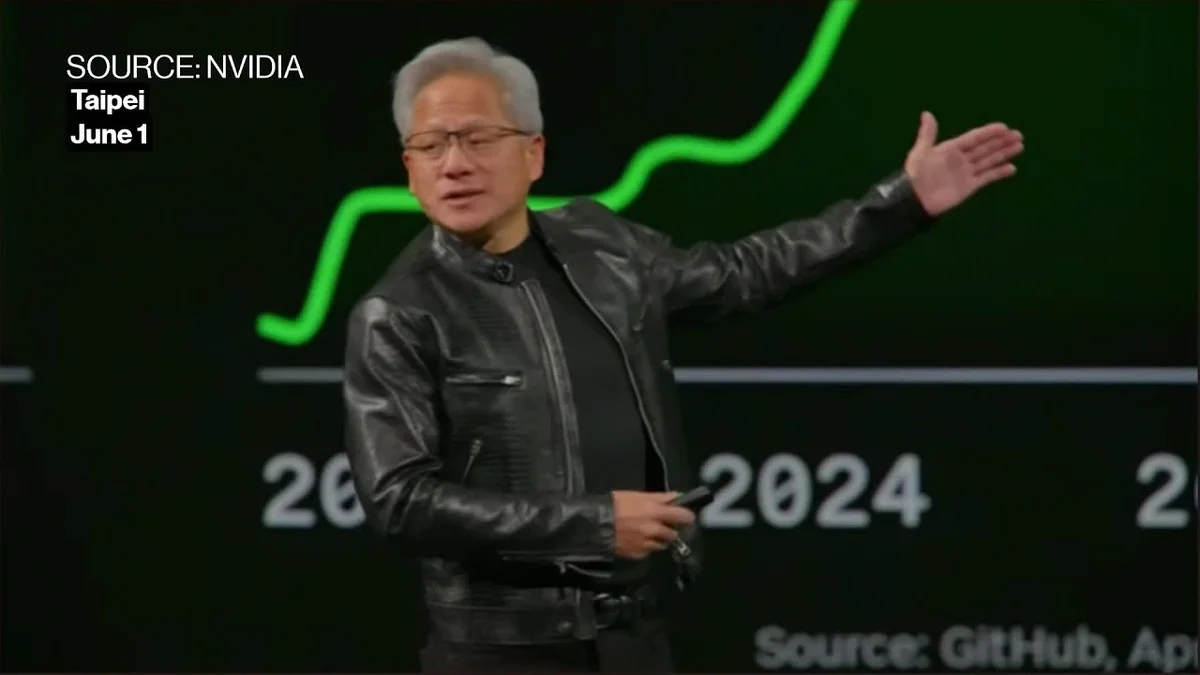
Nvidia's Huang: AI Job Fears Are 'Nonsense'
Nvidia CEO Jensen Huang dismisses AI job loss fears as 'nonsense,' arguing AI actually drives demand for more software engineers.
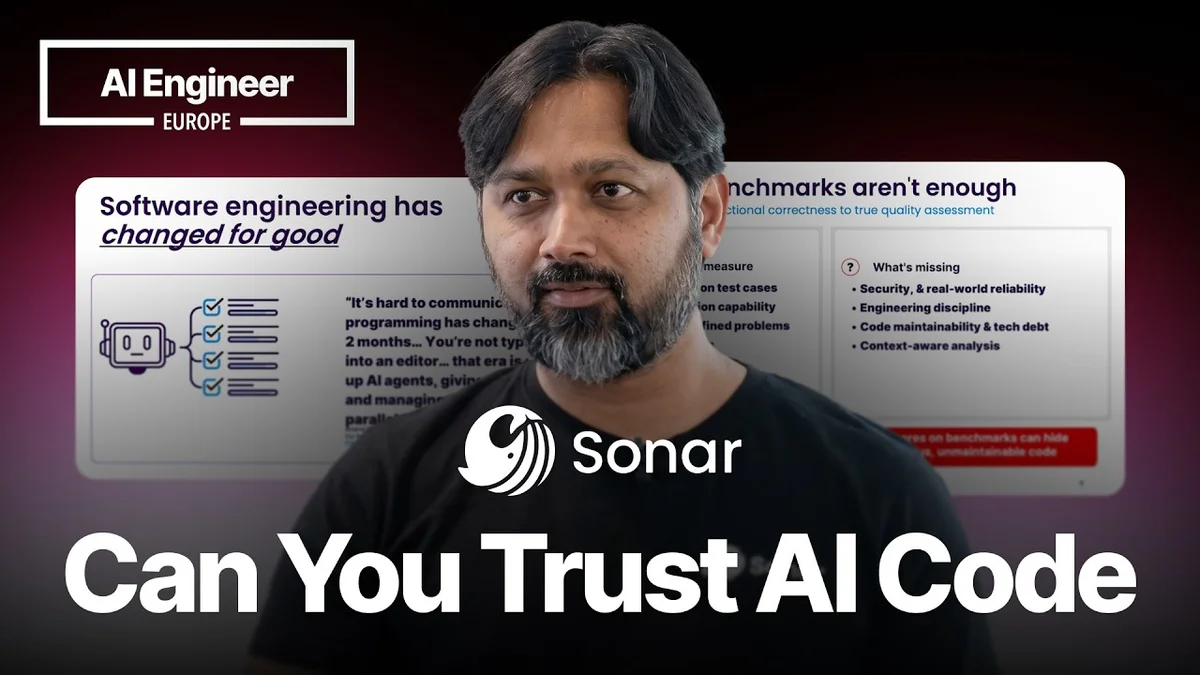
Can LLMs Generate Enterprise-Quality Code?
Prasenjit Sarkar of Sonar discusses whether LLMs can generate enterprise-quality code, highlighting challenges and Sonar's AC/DC framework for agentic development.
Sakana AI: Finance Agents Take Shape
Sakana AI is deploying AI agents to revolutionize financial operations, with engineers focusing on practical integration and enterprise-grade reliability.
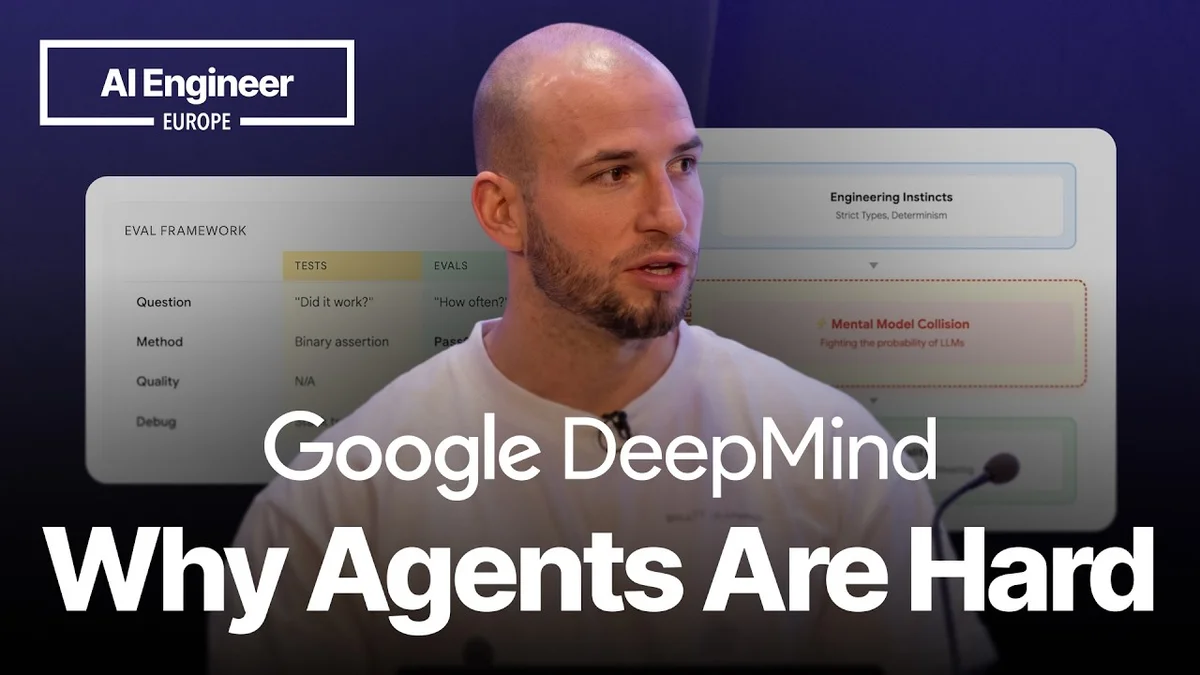
Google DeepMind Explains AI Agent Building Struggles
Philipp Schmid from Google DeepMind explains the core challenges senior engineers face when building AI agents, contrasting traditional engineering with agentic development.
Braintrust Cedes Coding to Codex
Braintrust is dramatically speeding up its development cycle by integrating OpenAI's Codex, turning customer requests into code previews in minutes.
Cursor's RL Infrastructure for Training Composer
Cursor details its distributed infrastructure for training its AI coding model, Composer, using reinforcement learning on 'Fireworks'.
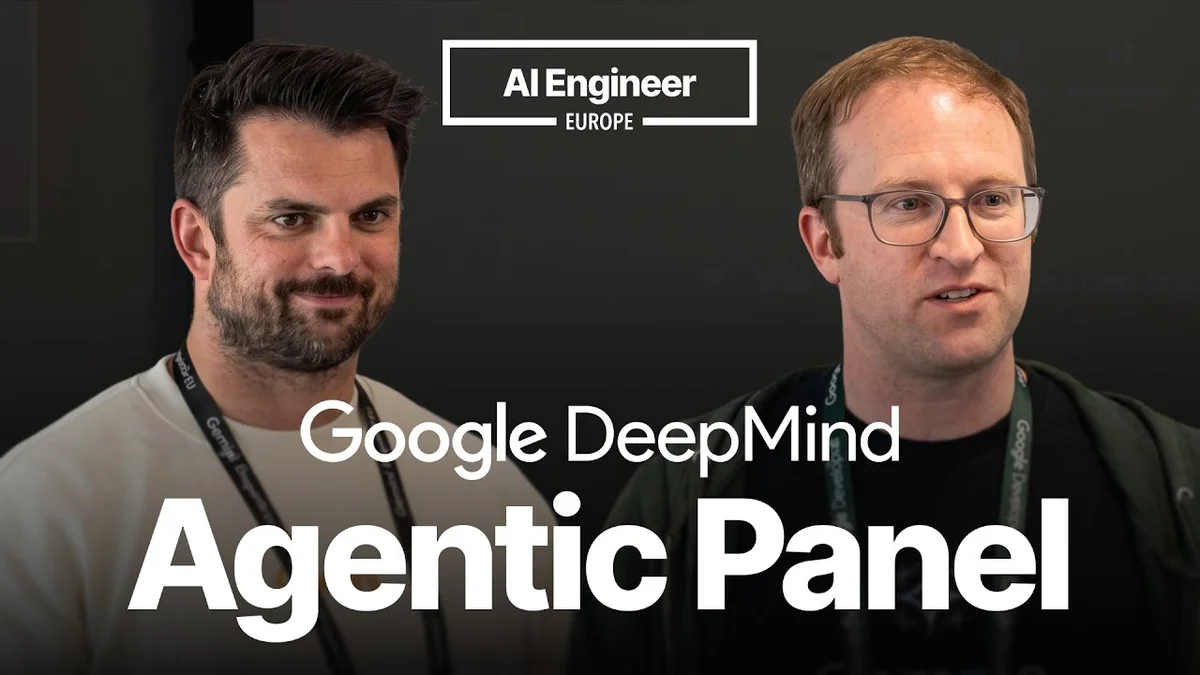
DeepMind's Scale: How Agents Run at Google
Google DeepMind's KP Sawhney and Ian Ballantyne reveal how they run AI agents at scale, discussing the architecture, tools, and challenges involved in managing complex automated tasks.
LinkedIn Engineer Builds Community
LinkedIn engineer Rishika builds community through mentorship and online content, extending her impact beyond her core role.
AI Agents Build Better AI
LinkedIn Engineering details how AI agents are revolutionizing model development through automated, iterative refinement loops.