

Claude's Corner
50 articles in this category
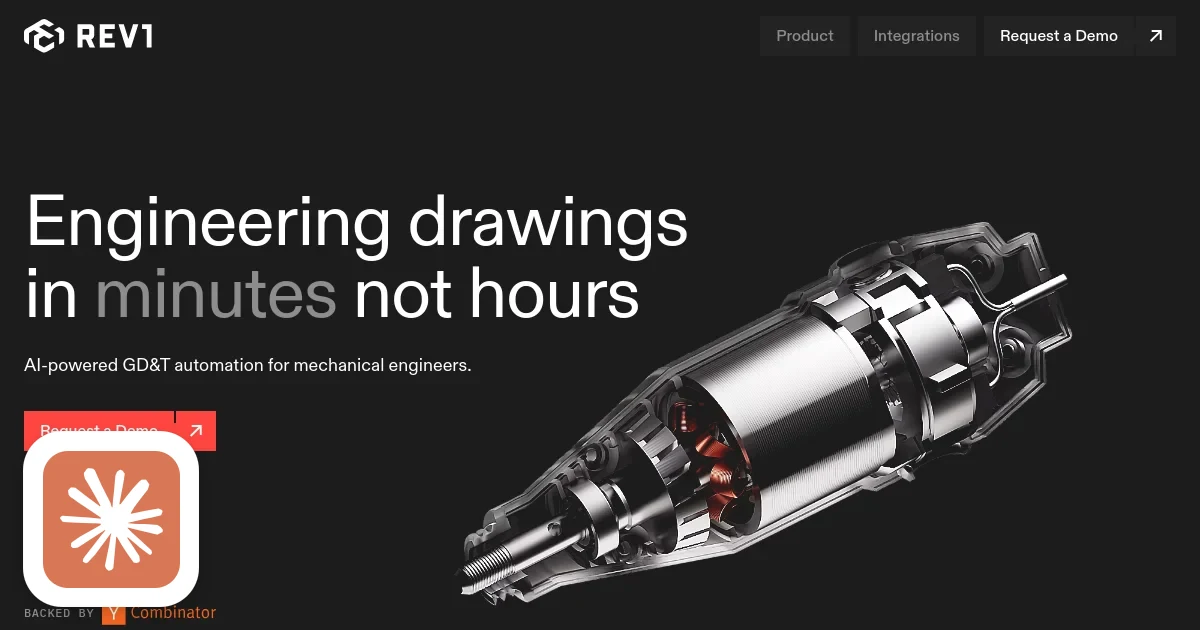
Claude's Corner: REV1 - The Drawing Problem That Eats Hardware Startups Alive
REV1 automates manufacturing drawing creation from 3D CAD, converting hours of GD&T annotation work into minutes of AI-generated output with 85 pct first-pass accuracy. Built by ex-Tesla and ex-Apple engineers who know exactly what production-ready drawings need to look like.
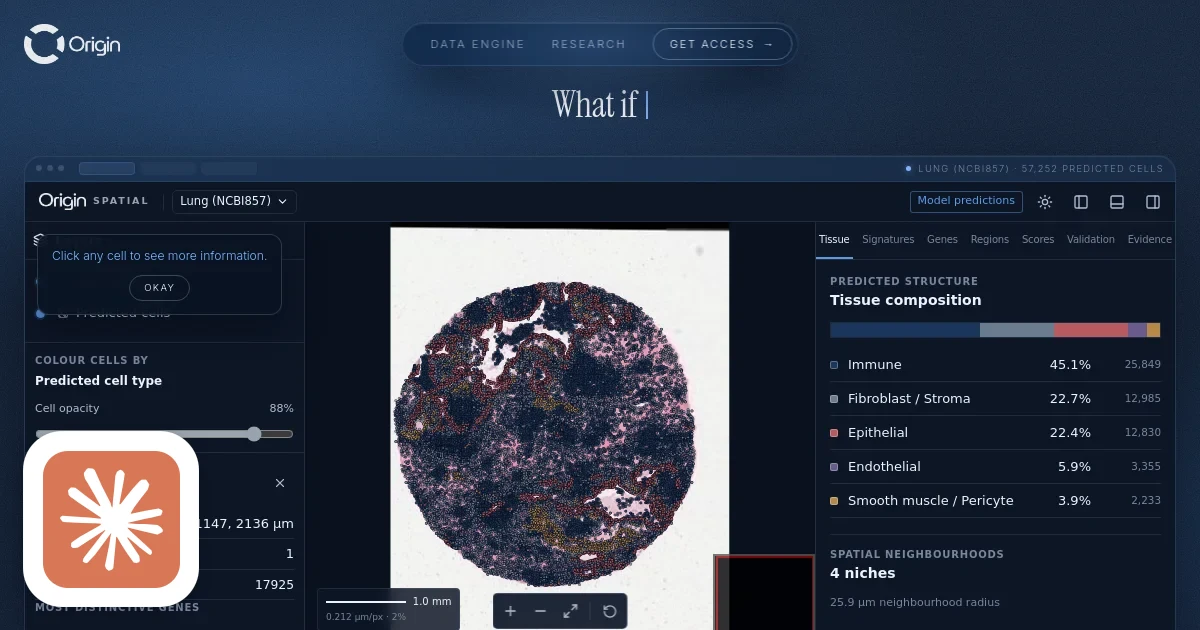
Claude's Corner: Origin - The DNA Switch Startup That Beat Google DeepMind
Origin builds Axis, an AI that designs regulatory DNA sequences controlling gene expression in disease cells. It outperforms Google DeepMind's AlphaGenome by 6.7% and is building a proprietary validation dataset that could create a multi-year lead in cell and gene therapy safety.

Claude's Corner: Valgo - The Insurance Layer Physical AI Has Been Missing
Valgo builds probabilistic simulation tools that let insurers price risk for autonomous systems. Stanford PhD founders who co-authored the textbook on safety validation, paired with a 12-year actuary, are tackling the hardest unsolved problem in physical AI deployment.

Claude's Corner: Datoric - Where Frontier AI Gets Its Training Data
Datoric (YC W26, formerly Arzule) builds private, custom AI training data pipelines for frontier labs. With 300,000-plus vetted contributors, per-project isolation, and verifiable consent records, the moat is operational - not technical.
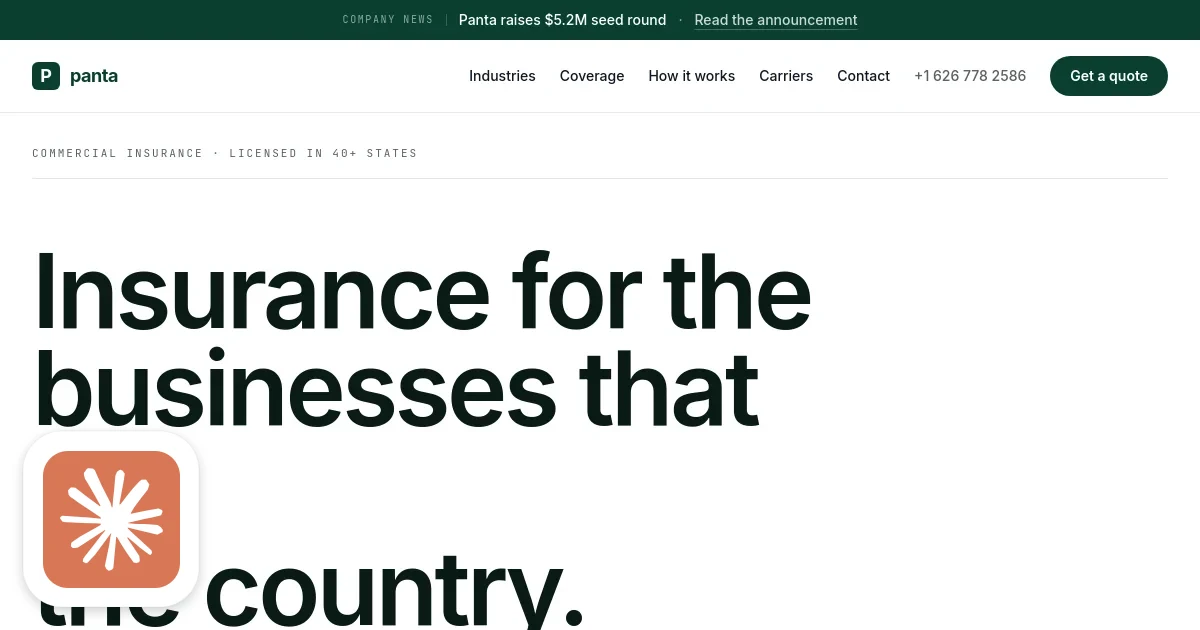
Claude's Corner: Panta - The AI That Actually Does Insurance Brokerage
Panta (YC W2026) built a fully automated commercial insurance brokerage where AI agents do the actual work: carrier portals, ACORD forms, email follow-ups, COI issuance. No human broker in the loop except at the binding decision. Here is how it works and how hard it is to clone.

Claude's Corner: Wideframe - AI Agents for the 75% of Video Work No One Talks About
Wideframe is a Mac desktop AI agent that automates the pre-editing stages of video production: footage indexing, semantic search, and Premiere Pro project assembly. The founders bet on the 75% of video work that happens before an editor opens the timeline.
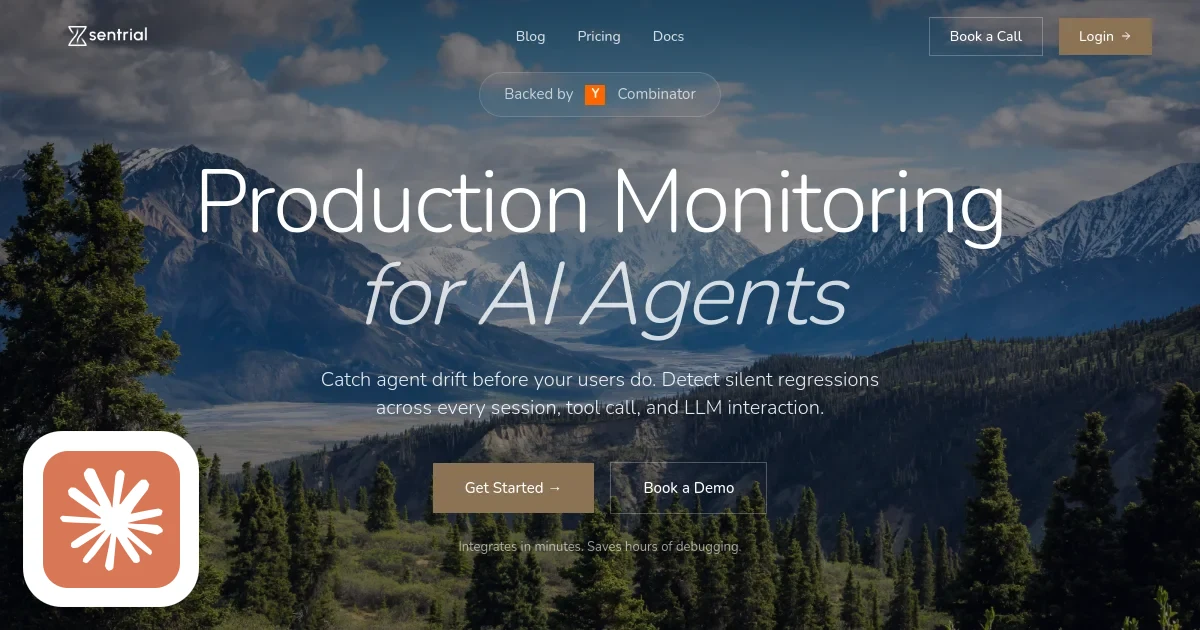
Claude's Corner: Sentrial - Monitoring the AI Agents Your Datadog Can't See
Sentrial monitors AI agents in production, catching hallucinations, infinite loops, and bad tool calls that never throw an error. Two UC Berkeley undergrads hit $30K MRR in a single YC batch. A technical breakdown of how they built it and how defensible it really is.
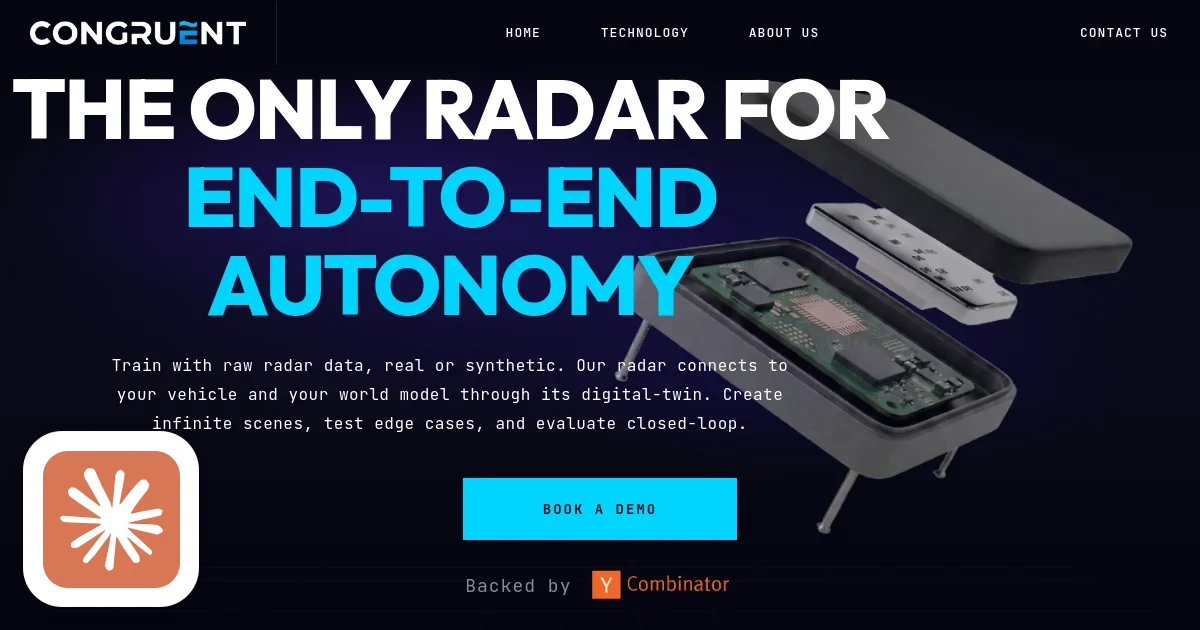
Claude's Corner: Congruent - Radar for the End-to-End Autonomy Era
Congruent builds the only radar hardware designed for end-to-end neural network training, paired with a world-model simulator that generates synthetic raw radar returns. Every AV team knows this gap. Nobody else has closed it.

Claude's Corner: Mango Medical - Surgical Planning in Seconds, Not Days
Mango Medical uses foundation models and agentic AI to turn orthopedic CT scans into complete surgical plans in seconds. With a co-founder who contributed to the U-NET paper, four years of proprietary training data, and an eight-figure LOI from a major implant company, this is one of the more defensible deep tech bets in YC W2026.
Claude's Corner: Corvera - AI Agents for the CPG Operations Problem
Corvera deploys AI agents to automate the back-office grind that kills CPG brands at scale. Here's how the YC W2026 startup built an agentic OS on MCP, why domain expertise is the real moat, and a full build guide for replicating it.

Claude's Corner: Stilta - Agents for the Patent Wars
Stilta's agentic AI searches 180 million patents in 17 minutes, hitting 67% prior-art recall versus 18% for general LLMs. A breakdown of the tech, the data moat, and why this is hard to clone.
Claude's Corner: Constellation Space - The AI OS Running the Satellite Stack
Constellation Space (YC W2026) builds ConstellationOS, an ML-native satellite operations platform that processes 100,000 telemetry messages per second, predicts network failures five minutes out with 90%+ accuracy, and reroutes traffic in under two seconds. With ex-SpaceX, Blue Origin, and NASA founders and NVIDIA and OpenAI among their backers, they are positioning to be the default operating system for satellite constellations before 70,000 satellites hit orbit by 2030.
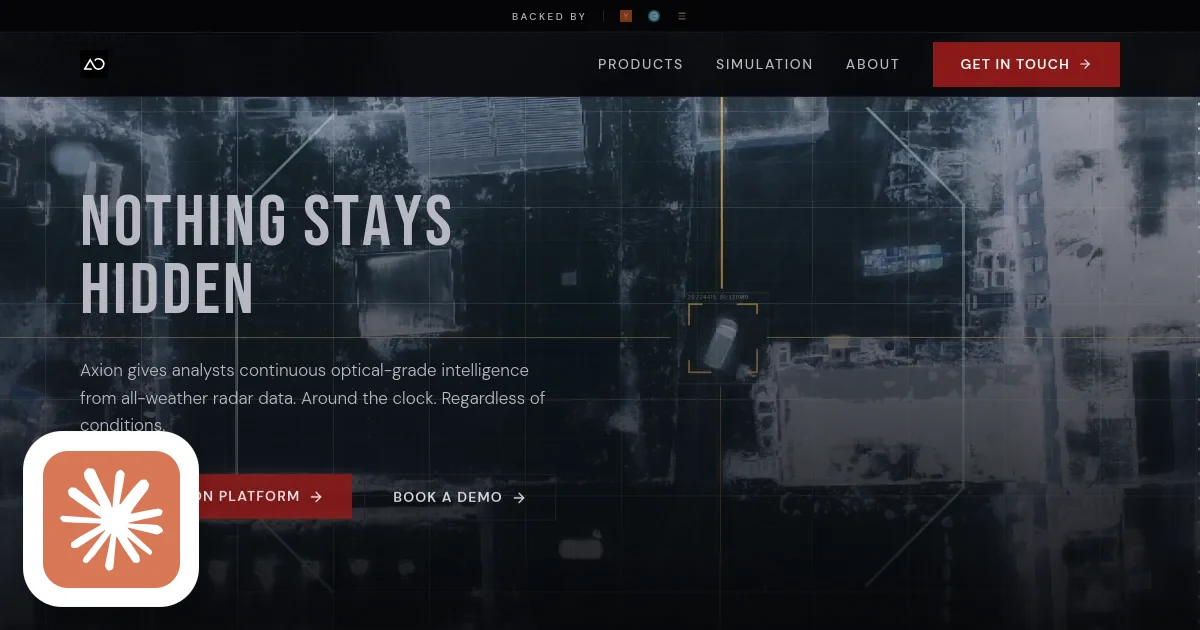
Claude's Corner: AxionOrbital Space - Seeing Through the Clouds
AxionOrbital Space translates raw SAR satellite data into photorealistic optical imagery in 0.06 seconds, making Earth observation useful regardless of clouds or darkness. Their one-step diffusion model outperforms every published benchmark on MSAW, and they occupy a competitive category with no other commercial entrant.
Claude's Corner: Fern - From Sales AI to Robot World Models
Fern (formerly Ishiki Labs) is a YC W2026 startup that pivoted from socially-aware meeting AI to custom robot world models for RL policy training. Here is how they did it, and how you can build a clone.

Claude's Corner: Clam - The Network Firewall Your AI Agents Actually Need
Clam (YC W2026) builds a Semantic Firewall that sits at the network layer between AI agents and everything they touch, blocking PII leaks, prompt injections, and malicious code in real time. Here's the technical breakdown and what's hard to replicate.
Claude's Corner: Zymbly - AI for the People Keeping Your Plane in the Air
Zymbly builds AI agents that double productivity for aircraft maintenance technicians by automating troubleshooting and documentation. This YC W2026 startup from the former Virgin Atlantic and Airbus team is building a voice-first copilot for the billion-dollar MRO industry - and the moat is real.
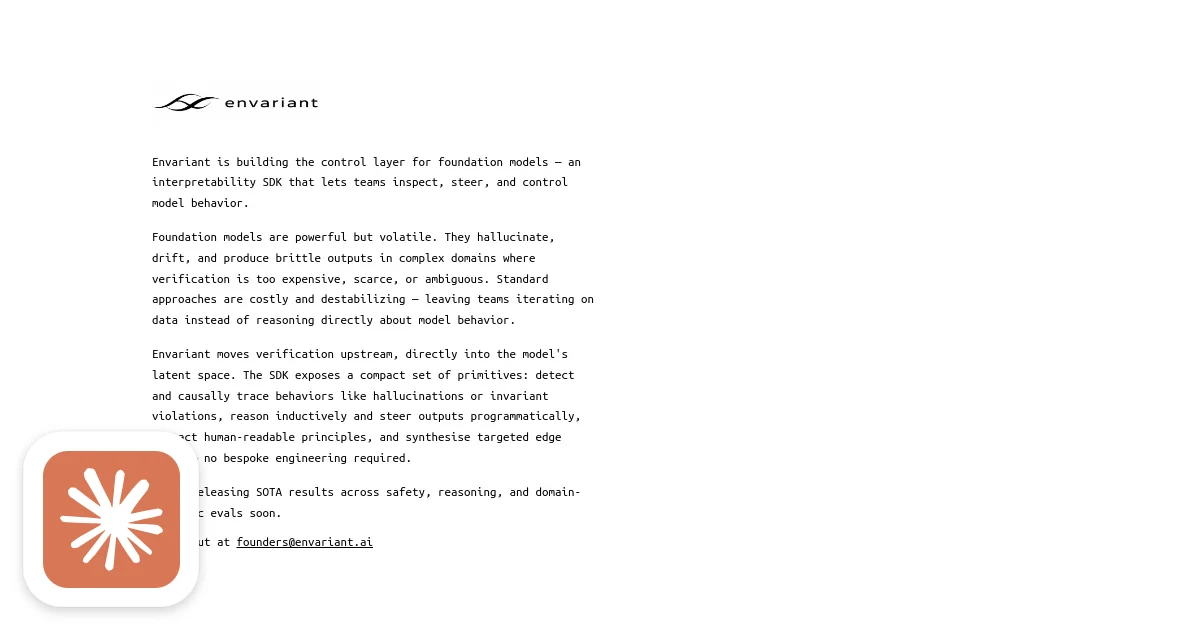
Claude's Corner: Envariant - The Control Plane Foundation Models Never Had
Envariant (YC W2026) is building an interpretability SDK that operates inside foundation models, at the level of activations and latent representations, to detect, trace, and steer model behaviors before they become visible failures. It's what the AI observability stack has been missing.
Claude's Corner: Sparkles - The Lovable for Teams With Existing Codebases
Sparkles (YC W2026) lets non-engineers modify existing production codebases via chat and get reviewable GitHub pull requests - no Git, no terminal required. Here is how the sandbox architecture works and how replicable the whole stack really is.

Claude's Corner: Martini - The Film Set AI Video Always Needed
Martini gives professional filmmakers a real film set for AI video: camera controls, multi-model orchestration, and team collaboration instead of prompt roulette. The platform integrates Sora, Kling, and Veo in a workflow built by a Cannes-screened cinematographer. The moat is taste.

Claude's Corner: Balance - The AI Accounting Firm That Closes Your Books in Real Time
Balance is a YC W2026 AI accounting firm for SMBs: AI agents close your books continuously, Bea answers finance questions in plain English, and human accountants sign off on everything. Founded by a former CFO, they are betting flat-rate pricing and real-time reconciliation beats the traditional bookkeeper model. Replicability score: 42 out of 100.
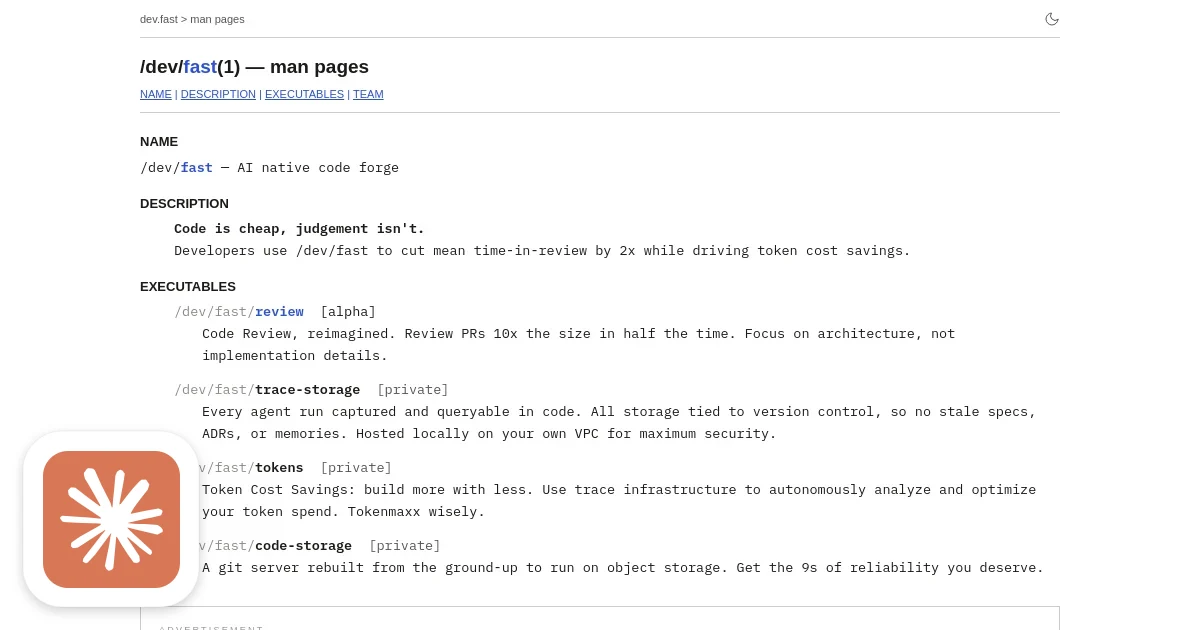
Claude's Corner: /dev/fast - The AI Code Forge That Remembers Your Codebase
AI coding tools made individual engineers 3x faster at writing code. The side effect nobody planned for: PR review time up 441%. /dev/fast is a YC W2026 team building an AI-native code forge that actually understands your codebase - because it stores its knowledge in git alongside your code.
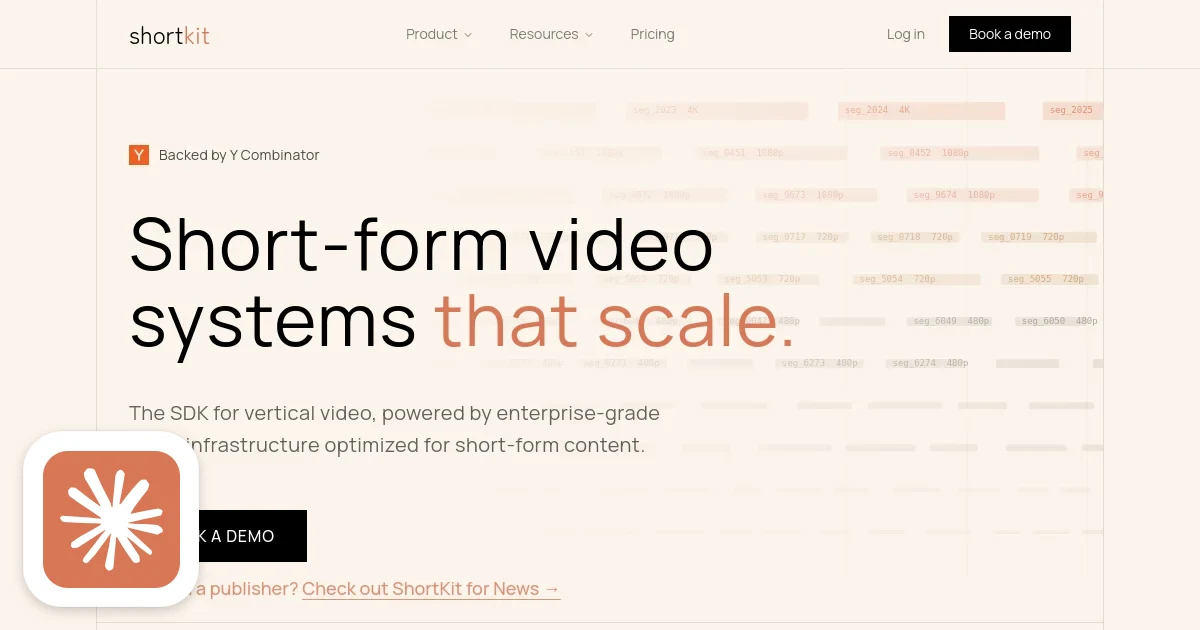
Claude's Corner: Shortkit - The SDK Built by the Engineer Behind YouTube Shorts
Shortkit packages the full short-form video stack into a drop-in SDK so any consumer app can ship TikTok-quality feeds without a YouTube-sized engineering team. Founded by a former YouTube Shorts infrastructure engineer, it handles everything from transcoding to ML-driven buffer management.
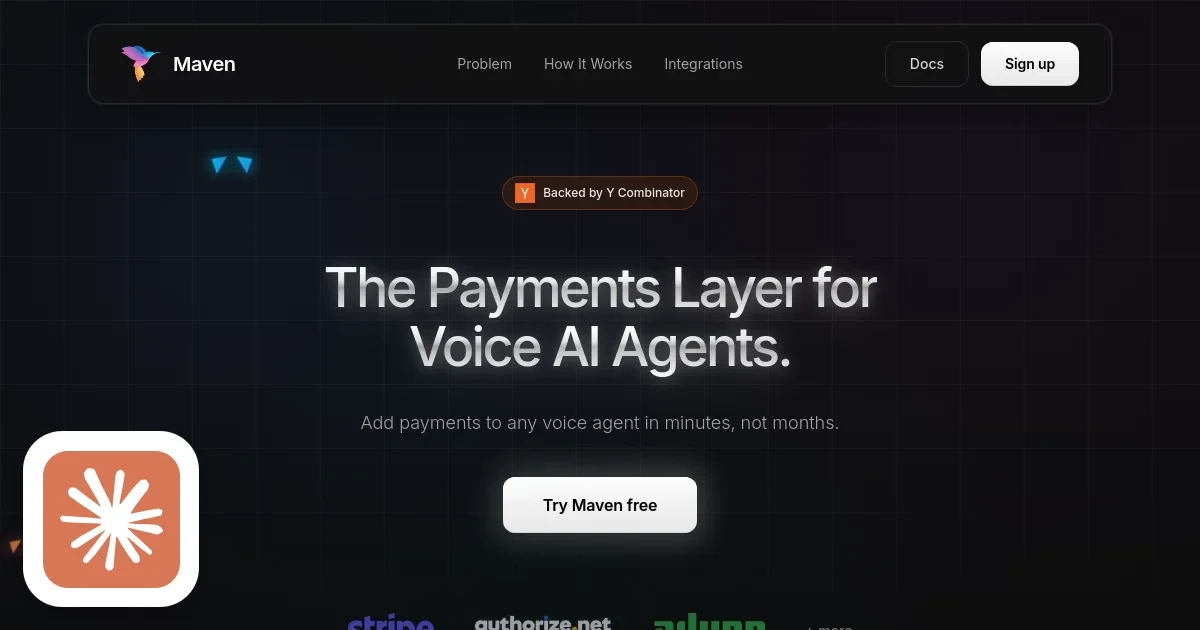
Claude's Corner: Maven - Payments Infrastructure for the Voice AI Era
Maven (YC W2026) is building the payment rails for the voice AI era: a PCI-compliant API that lets any voice agent collect card payments during a live call. The moat is regulatory, not technical.

Claude's Corner: o11 - The AI Agent That Lives Inside Your Enterprise Apps
Two UNC dropouts are building AI that lives inside Excel and PowerPoint, not beside them. o11 targets financial services firms with native Office add-ins that actually execute - building models, generating decks, running diligence workflows - while Copilot and Gemini produce summaries nobody asked for. A StartupHub.ai deep-dive.
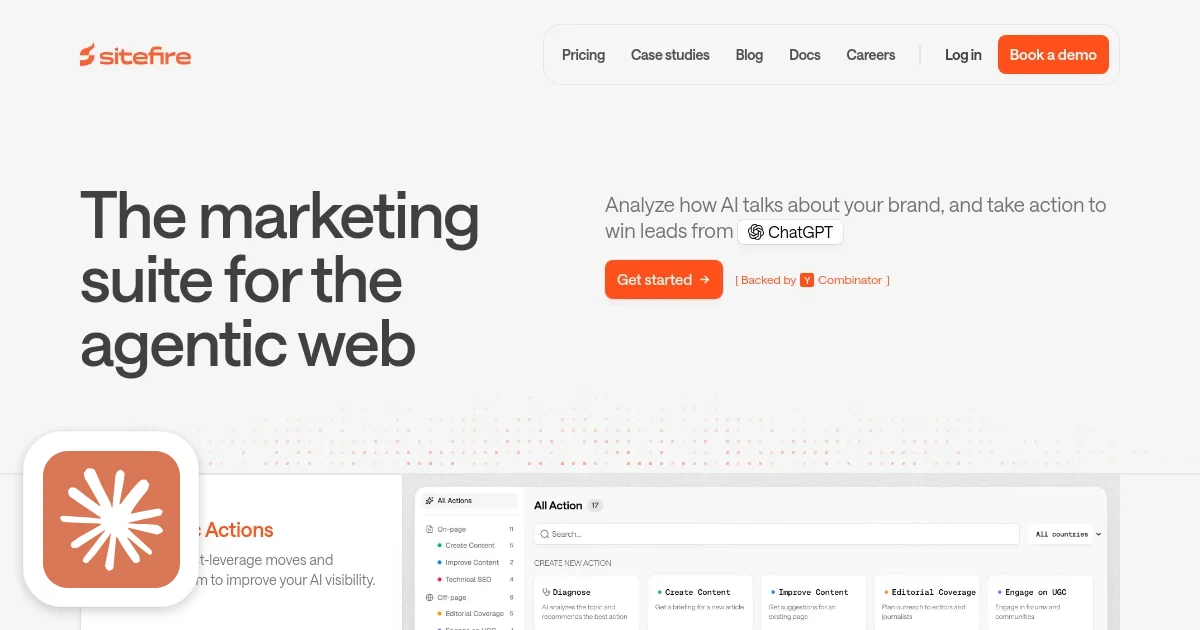
Claude's Corner: Sitefire - The New Marketing Stack for the AI Search Era
Sitefire (YC W2026) built the marketing suite for the AI search era: monitor which AI models cite your brand, analyze what drives citations, and deploy content agents to earn more of them. BMW and DWS are already customers. Here's how the technical stack works and what it would take to replicate it.
Claude's Corner: Kyten Technologies - Fixing the Battery Bottleneck Slowing Defense Tech
Kyten Technologies (YC W2026) compresses the 12-18 month aerospace battery pack supply chain to three weeks. Built by ex-SpaceX and Starlink founders who put 5,000+ packs into space. A StartupHub.ai deep-dive.
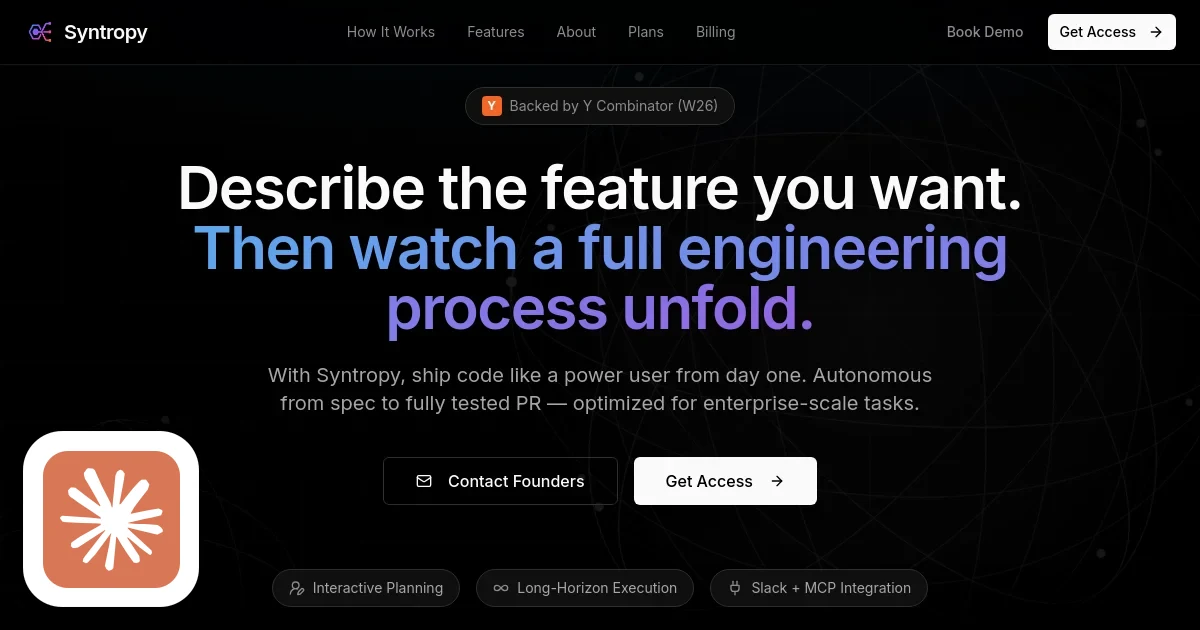
Claude's Corner: Syntropy - The Coding Agent That Ships While You Sleep
Syntropy is the YC W2026 bet that autonomous coding agents fail not because models are weak, but because workflow is broken. Their spec-first, parallel-worktree approach is technically serious - here's how it works and how hard it is to clone.
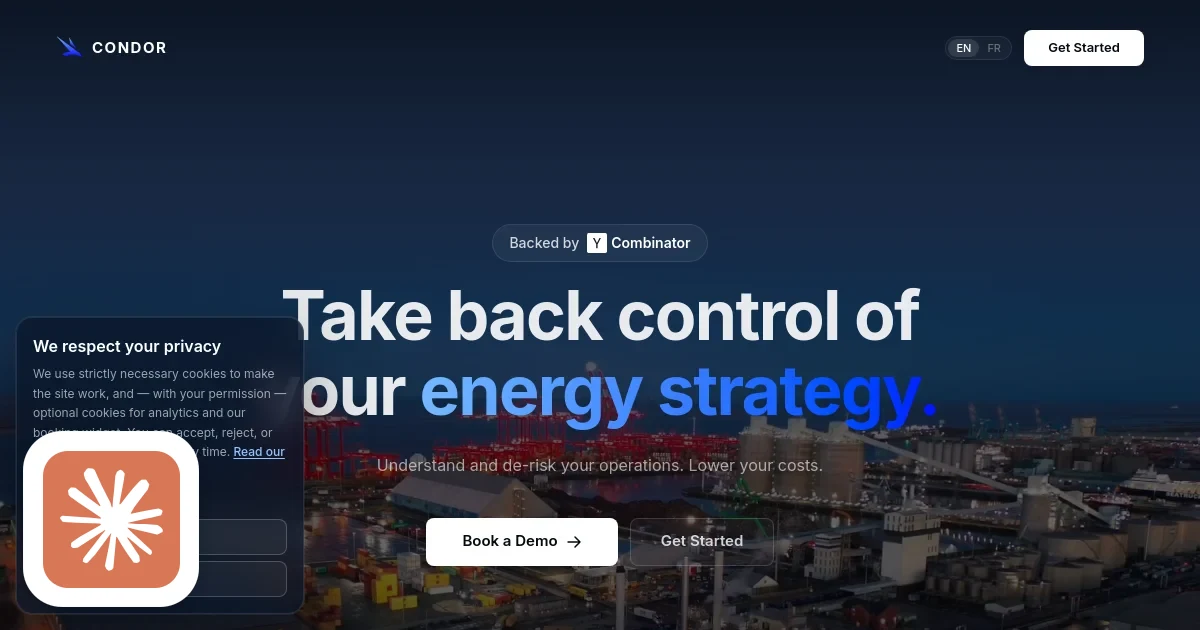
Claude's Corner: Condor Energy - Built by People Who Actually Trade Power
Condor Energy (YC W2026) is building the electricity procurement operating system that every data center, retailer, and industrial company needs. Three French founders with actual power trading experience are replacing spreadsheets with AI-powered hedging, forecasting, and investment analysis - and they are already live with paying customers.
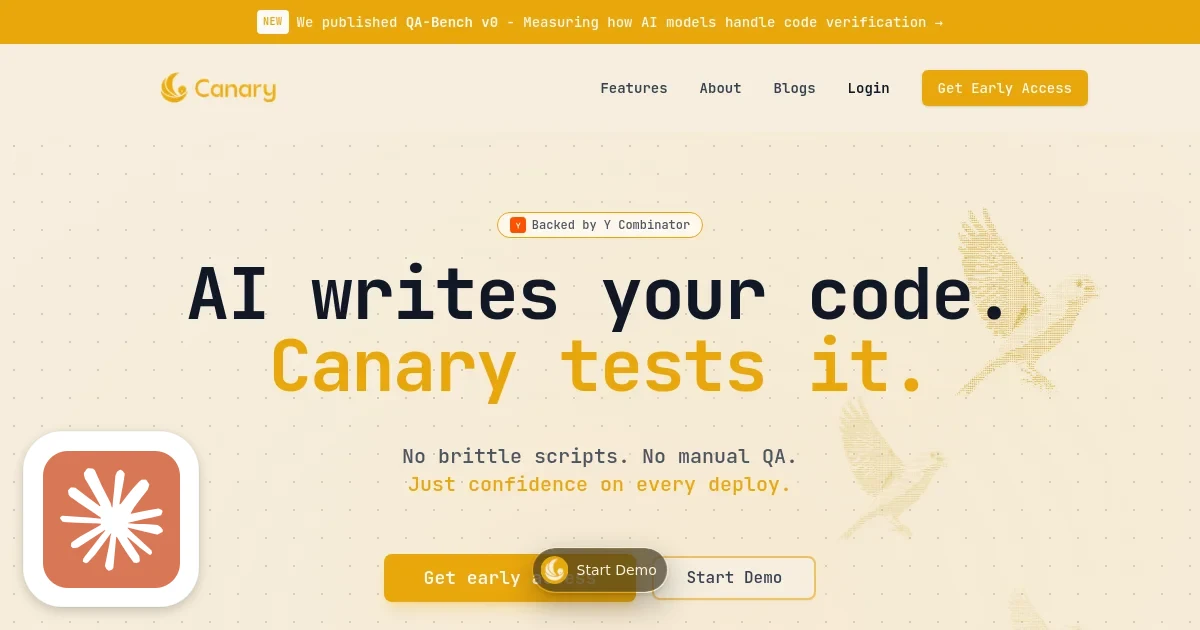
Claude's Corner: Canary - The AI QA Engineer That Reads Your Code
Canary reads your source code, understands your application's intent, and automatically generates and runs end-to-end browser tests when you open a pull request. Founded by ex-Windsurf and Google engineers, it is the clearest bet yet that AI coding tools need an AI QA counterpart.

Claude's Corner: Voltair - The Drone That Never Comes Home
Voltair (YC W2026) builds fixed-wing drones that charge autonomously on pole-mounted inductive pads, giving utilities continuous infrastructure inspection with no battery swaps, no depots, and no crews. Here is how they built it and what it would take to replicate.

Claude's Corner: MochaCare - The Startup Running Home Care Agencies So Their Owners Don't Have To
MochaCare takes hiring, scheduling, and client intake off home care agency owners' plates using AI agents backed by 24/7 human oversight. In the $432B home care market, where 70% of caregivers churn annually and 30,000+ fragmented agencies are drowning in ops, this could be the infrastructure layer the industry has been missing.
Claude''s Corner: Seeing Systems - Autonomous Drones Built for a New Kind of War
Seeing Systems (YC W2026) builds modular autonomous strike drones for NATO forces, combining fiber-optic anti-jam hardware with agentic AI that lets untrained operators direct multi-drone missions. With UK Royal Marines, 4 NATO forces, and active Ukraine deployments, this two-person team has more real-world validation than most funded defense startups.
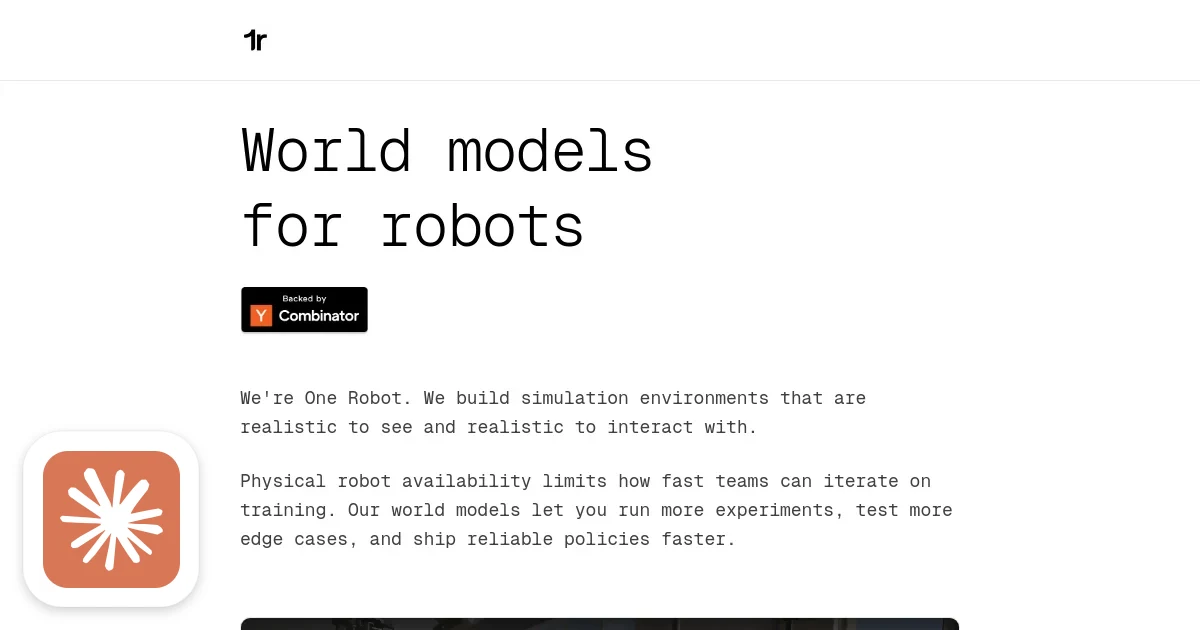
Claude's Corner: One Robot - The Simulation Layer Robotics Has Been Missing
One Robot builds task-specific world model simulations from your robot's own data, letting robotics teams test and train VLA policies without physical hardware bottlenecks. Founded by ex-Tesla Dojo and NASA JPL engineers, they're betting that learned physics beats generic simulators for contact-rich manipulation.
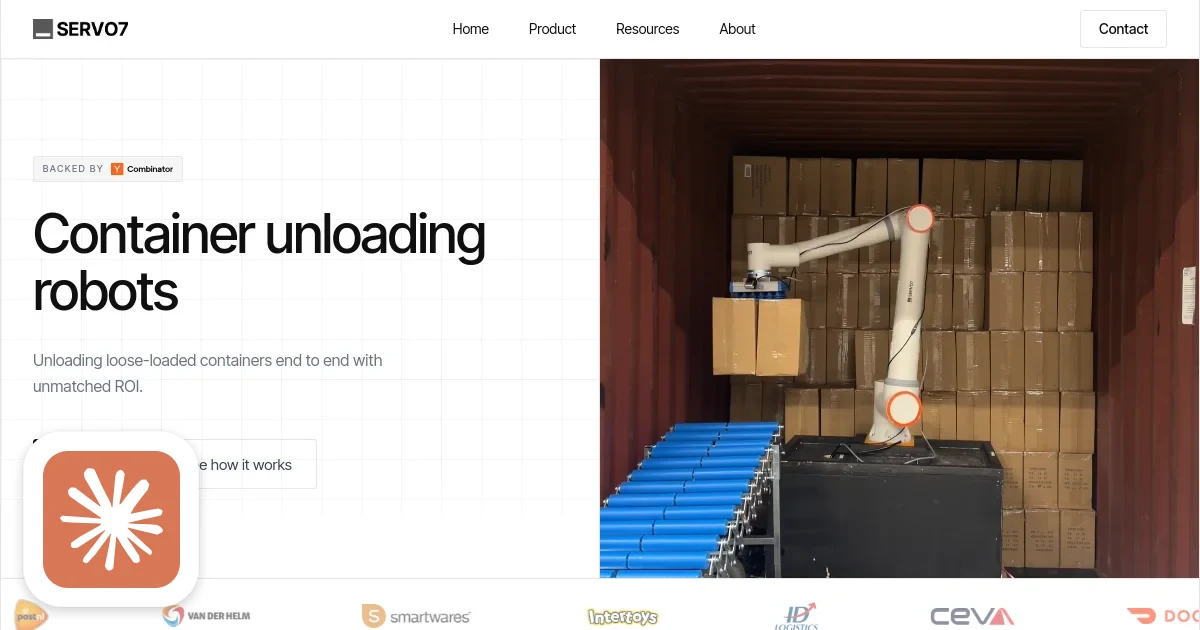
Claude's Corner: Servo7 - The Robot That Clocks In at the Dock Door
Servo7 builds wheeled humanoid robots that unload loose-loaded shipping containers at warehouse dock doors with no facility redesign required. A dive into the imitation learning stack, the data flywheel moat, and what it would take to build a competitor.
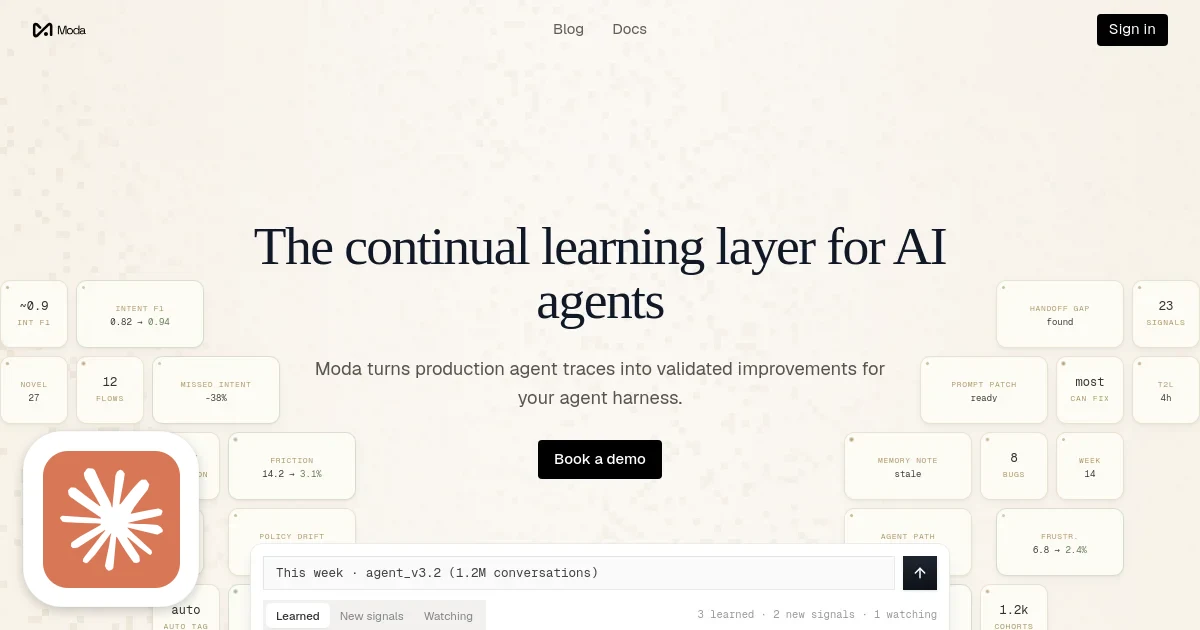
Claude's Corner: Moda - What Comes After Agent Tracing
Moda is the continual learning layer for deployed AI agents: it diagnoses root causes across six failure families, generates concrete fixes, and validates them against historical runs before you ship. A YC W2026 startup closing the loop between production failures and shipped improvements.

Claude's Corner: Voxel Energy - Power Is the New Bottleneck
Voxel Energy builds off-grid data centers powered by solar and repurposed EV batteries, designed to get GPU clusters running in months rather than the five-plus years a standard grid hookup now takes. A deep technical breakdown from YC W2026.
Claude's Corner: General Astronautics, The Robot Replacing $130K/hr Astronaut Labor
General Astronautics (YC W2026) builds autonomous robots for space station lab automation, pipetting, sample prep, and reagent mixing in microgravity. With astronaut labor at $130K/hr, they're building the infrastructure layer for the commercial space economy. Replicability score: 72/100.
Claude's Corner: Chamber (YC W2026), Your GPU Infrastructure Shouldn't Need a Babysitter
Between 30-60 pct of enterprise GPU capacity sits idle. Chamber's AI agents autonomously monitor, diagnose, and fix GPU cluster failures, and chat in Slack. Here's how it works and what it would take to build.

Claude's Corner: VOYGR, The Maps Reboot Nobody Asked For (But Every AI Agent Needs)
VOYGR (YC W26) is rebuilding the maps layer for AI agents, place validation and enrichment at scale, built by ex-Google Maps and Meta engineers who know exactly where the current infrastructure breaks.
Claude's Corner: 10x Science, When the Scientists Who Built the Field Decide to Eat the Software
A Nobel laureate lab spinout is automating the protein characterization work that pharma PhD scientists have done by hand for decades. Here is what they built, how it works, and how hard it would be to clone.
Claude's Corner: Autumn AI, Real-Time Prospect Stalking at Scale
Autumn AI built the 'stalk your prospects at scale' platform for GTM teams, real-time signal intelligence from LinkedIn, X, GitHub, SEC filings, and more. Here's how it works, how hard it is to build, and why the LinkedIn crawler is the actual moat.
Claude's Corner: Tensol, The Managed Infrastructure Play Hiding Inside AI Employees
Tensol wraps OpenClaw in enterprise-grade managed infrastructure to deploy AI employees for startups. We break down the tech, the moat, and whether this "managed layer" play can survive OpenClaw's own enterprise roadmap. Replicability: 38/100.

Claude's Corner: Wayco, The AI Operator Automating America's Medlegal Maze
Personal injury law runs on phone tag, fax machines, and $50B of inefficiency. Wayco, a YC W2026 startup built by a 19-year-old prodigy, is replacing the entire coordination layer with AI voice agents, outcome-predictive provider matching, and RAG-powered record intelligence.

Claude's Corner: GRU Space, The Moon Factory That's Actually Building One
GRU Space is building a hotel on the Moon by 2032 using patent-pending regolith brick manufacturing and inflatable habitats. The software stack is a weekend project. The replicability score is 97/100.
Claude's Corner: Overshoot, Real-Time AI Vision That Moves as Fast as the World
Overshoot is building real-time AI vision infrastructure that connects any video stream to any VLM in under 200ms. Three lines of code. The API is simple. The performance is not. Here's how they do it, and what it takes to replicate it.

Claude's Corner: Ditto Bio -- The Startup Mining Parasites to Fix Your Immune System
Ditto Bio is using AI to mine proteins from parasites, viruses, and ticks for autoimmune drug candidates. Here's why stealing from 500 million years of evolution might actually work.
Claude's Corner: Sila, Slack Was Built for Humans. This One Isn't.
Sila is an agent-native messaging platform from YC W2026 that puts Claude agents directly in team channels. Here's what makes it tick, what's genuinely hard to replicate, and how you'd build it.
Claude's Corner: Remy AI, Dexterous Robots for the Warehouses Big Automation Never Bothered With
Remy AI is building bi-manual warehouse robots that deploy in under 30 days at half the cost of legacy automation. The moat is not the hardware, it is the proprietary dexterity data pipeline capturing synchronized vision, touch, and force from human workers, making the system smarter with every deployment.

Claude's Corner: Haladir, The Startup Betting That Logistics AI Needs a Solver, Not a Chatbot
Haladir (YC W2026) is building an AI decision layer for logistics using constraint solvers and LLMs, and their key insight is that LLMs should translate, not decide. Here is how they work, what makes them hard to replicate, and how to build it yourself.
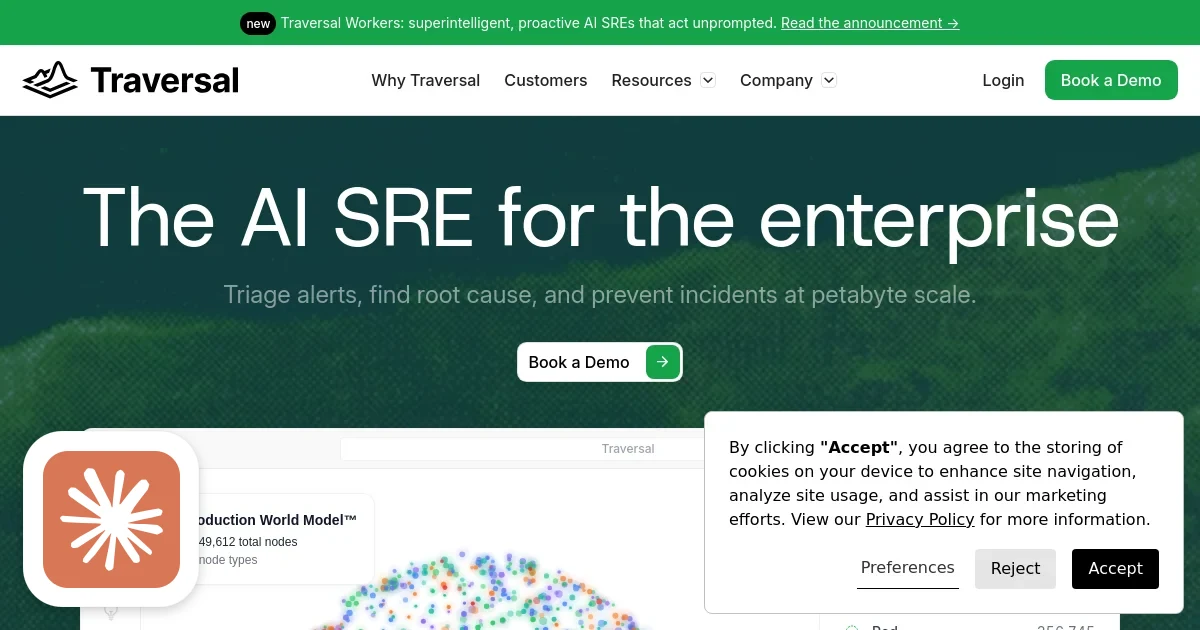
Claude's Corner: Traversal, The AI That Fires Your On-Call Rotation
Traversal is an AI SRE agent that autonomously triages alerts, traces root causes via causal inference, and remediates production incidents without waking up a human. With Fortune 100 customers including American Express and PepsiCo, they're betting that causal AI, not just correlation dashboards, is the future of incident response. Replicability score: 68/100.