


Factory CEO: AI Models Need Model Independence

Factory CEO Matan Grinberg discusses the importance of model independence in AI development and the company's journey from early challenges to market readiness.

4 min read
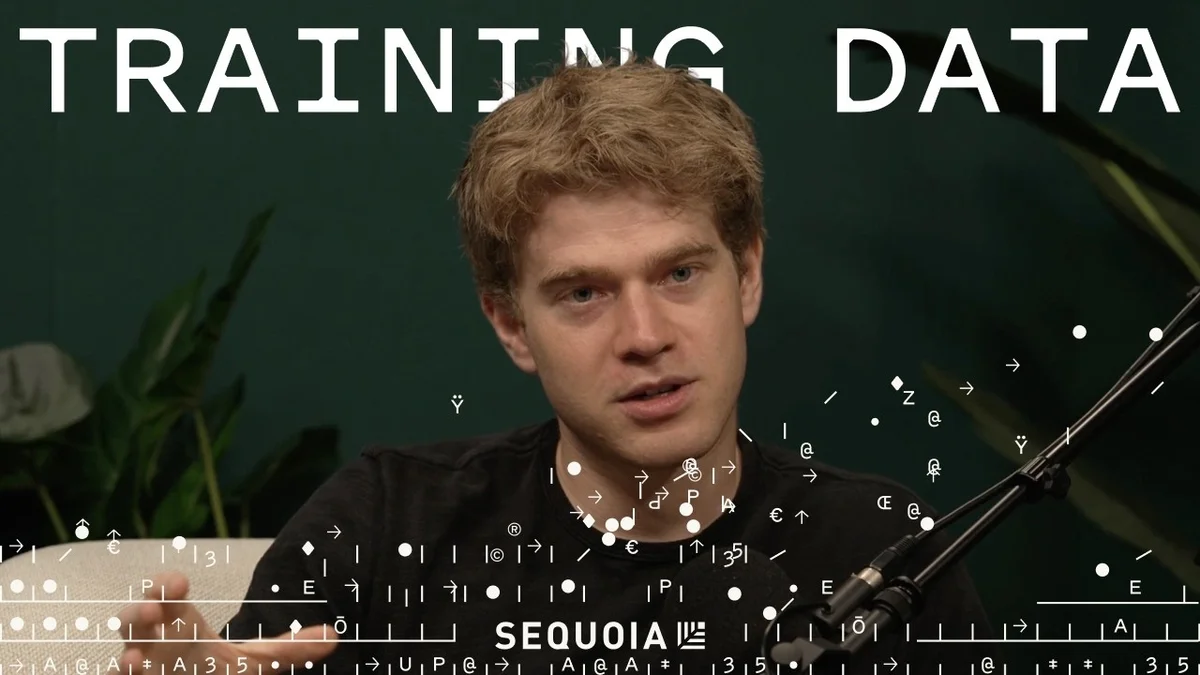
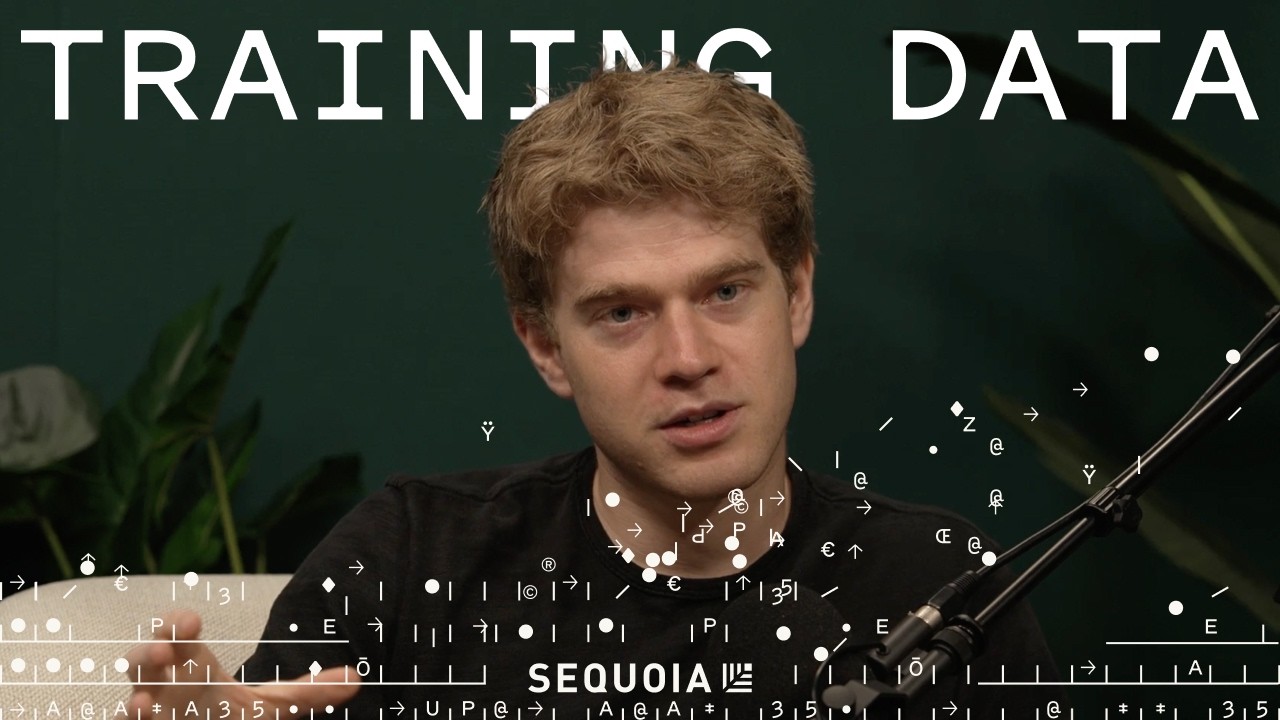
Matan Grinberg speaking in a studio setting with two interviewers.
Sequoia Capital

Matan Grinberg, co-founder and CEO of Factory, joined the Training Data studio to discuss the competitive dynamics in the burgeoning field of AI for software development. Factory builds autonomous agents, or 'droids,' to assist with the software development process.
Factory CEO: AI Models Need Model Independence - Sequoia Capital
Factory CEO: AI Models Need Model Independence — from Sequoia Capital

Navigating the 'Desert' of Early Adoption

Grinberg recounted Factory's journey, which began three and a half years ago when the market was not yet ready for advanced AI tools like GitHub Copilot, let alone fully autonomous agents. "The first two years, it was kind of our journey in the desert," he explained, noting that while they were focused on autonomous agents, engineers and enterprise procurement teams were not yet receptive.

This early focus, however, allowed Factory to "hone their craft and learn a lot about how to build for developers in the enterprise." Grinberg highlighted that as the market has matured, companies are now ready to embrace these tools.

The Crucial Role of Model Independence

A key differentiator for Factory, according to Grinberg, is their emphasis on model independence. He drew a parallel to the early days of cloud computing, where companies like Amazon (NASDAQ:AMZN) Web Services initially offered subsidized contracts, only to significantly increase prices later, creating vendor lock-in.

"What enterprises are really caring about that we have learned through those two years is they do not want anyone to kind of be their single point of failure. They do not want anyone to kind of control their fate," Grinberg stated. This has led to a strong demand for model independence, allowing enterprises to switch between leading AI models like those from OpenAI or Anthropic without being locked into a single provider.

Grinberg pointed out the inherent risks associated with model providers compared to cloud providers, noting the potential for "chaos of you know internal fighting or getting in spats with the government." He stressed that building critical business functions requires robustness against such changes.

From 'Customer Obsession' to 'Obsessed Customers'

Grinberg shared a compelling perspective on customer focus, contrasting it with Jeff Bezos's famous "customer obsession" at Amazon. "Bezos at Amazon, it's customer obsession. But in our mind, that's an input metric," Grinberg said. He elaborated, "It doesn't matter if you're customer obsessed. Like, you could be customer obsessed and they file a restraining order against you because they don't like what it is that you're doing."

Instead, Grinberg articulated Factory's goal: "Our job is to build something so good that our customers themselves become obsessed with us. That is our job." He used the analogy of a basketball coach not telling players to "sweat," but rather to "score points." Similarly, to create obsessed customers, one must be truly obsessed with them, but the ultimate output is what matters.

The 'Two Years in the Desert' and Company DNA

Reflecting on the early challenges, Grinberg admitted, "in the moment it's really really difficult." He recalled convincing talented individuals to leave secure positions for a mission that many didn't yet understand. The team faced customer rejections and the limitations of early AI models, but these struggles forged the company's resilience.

A pivotal moment involved proactively refunding customers due to product shortcomings. "We sold them on a good vision and convinced them that, you know, this is the right team to work with... But we realized that the way that we had sold them on it and the product that we were delivering was not up to snuff." This decision, though difficult, reinforced Factory's operating principle: create obsessed customers by delivering exceptional output.

The Shift in the AI Landscape and Factory's Evolution

Grinberg detailed how the market has shifted, with developers becoming more receptive to AI tools. The launch of the Droid CLI in September 2025 was a turning point, meeting developers where they were. "The biggest thing that changed was developers and in particular in the enterprise like being open-minded to this new way of working." He noted that even influential figures like Andrej Karpathy tweeting positively about AI agents had a significant impact on broader adoption.

The conversation also touched upon the evolution from "token maxing" to "cost rationalization" in the AI space. Grinberg explained how early phases focused on driving adoption, sometimes leading to inefficient token usage. Factory's router aims to address this by dynamically directing tasks to the most cost-effective and performant models, including open-source options. He highlighted the growing capability of open models like GLM 5.2, noting that they are now competitive with previous generations of proprietary models.

© 2026 StartupHub.ai. All rights reserved. Do not enter, scrape, copy, reproduce, or republish this article in whole or in part. Use as input to AI training, fine-tuning, retrieval-augmented generation, or any machine-learning system is prohibited without written license. Substantially-similar derivative works will be pursued to the fullest extent of applicable copyright, database, and computer-misuse laws. See our terms.