

#Software Development
50 articles with this tag

Cursor Founders on AI Coding's Frontier
Cursor founders discuss their strategy, product vision, and hiring approach that led to rapid growth in the AI coding space, navigating competition with a clear focus.

IMDEX accelerates AI dev 10x with Cursor
Mining tech firm IMDEX uses AI coding assistant Cursor to slash dev time 10x, completing major platforms in months instead of years.

Amazon SVP Coded 100K Lines with AI
Amazon SVP Beth Galetti coded 100,000 lines with AI after 25 years, highlighting tools empowering employees and a $2.5B upskilling initiative.

Patrick Debois on Scaling Teams and AI Agents
Patrick Debois of Tessl discusses how AI coding agents, like human teams, require intentional design and processes to scale effectively, challenging the notion of self-scaling.

Uber's Agentic SDLC: Building the Future of Software
Uber engineers Uday Kiran Medisetty and Adam Huda unveil the six building blocks of their agentic software factory, transforming development from idea to production with AI.
CTO's AI Workflow: Prototyping as Leadership
The Browser Company's CTO, Hersh Agrawal, reveals how AI agents empower leaders to ship code and prototypes, transforming the 'manager schedule' into productive building time.
Human Code Review: AI's Next Frontier?
Qodo CEO Itamar Friedman discusses the critical role of contextual knowledge in AI code reviews, arguing for codifying tribal knowledge to achieve trustworthy automation.
Maven Clinic's AI Transition: From Traditional to Native
Dan Feng of Maven Clinic discusses the company's pivot to an AI-native model, focusing on internal adoption, product integration, and cultural shifts.
GitHub Copilot's 'My Work' Pane
GitHub Copilot's 'My Work' pane helps developers manage tasks, offering custom views and direct session initiation from issues and PRs.
Asana uses AI to slash engineering time
Asana used OpenAI Codex to complete a 5-year engineering project in 2 weeks for $12K, a fraction of the $6M estimate.
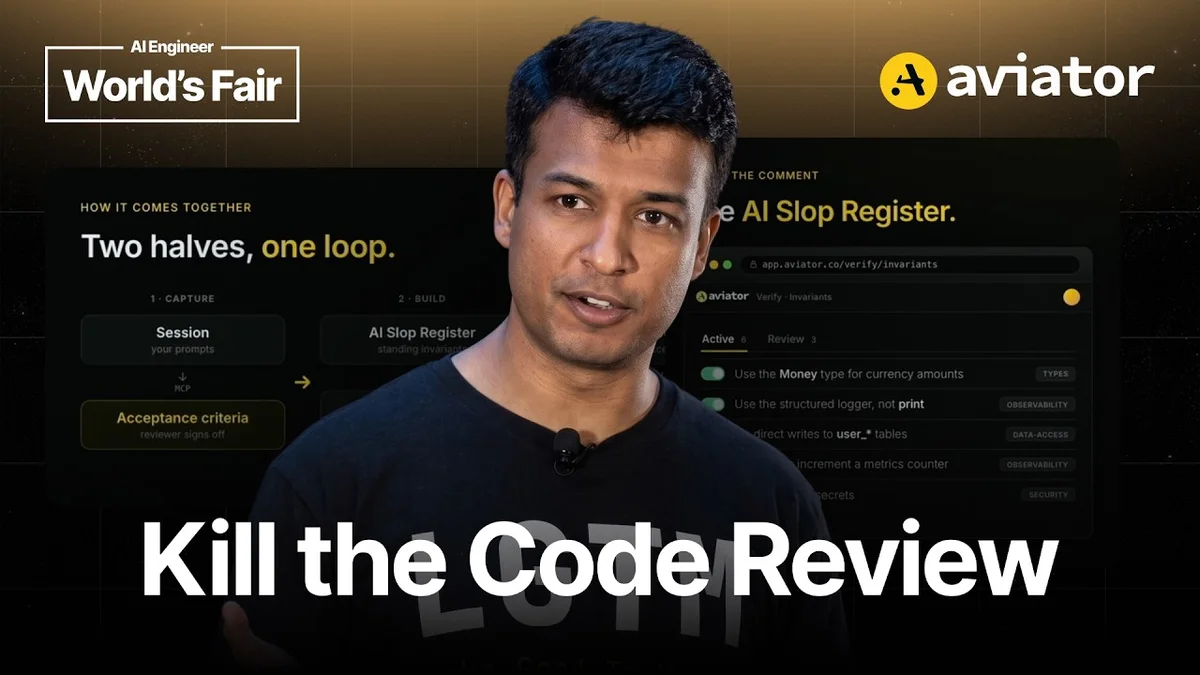
Ankit Jain: Rethinking Code Reviews with AI
Ankit Jain of Aviator argues for a shift in code reviews, focusing on 'intent' and 'alignment' with AI-assisted development, proposing an 'AI Slop Register' and integrated verification system.

OpenAI Previews GPT-5.6 Ultrafast Mode
OpenAI previews GPT-5.6 Sol's 'Ultrafast' mode, demonstrating how up to 14x speed boosts transform AI tasks from investigation to coding.

Anthropic's Evolution of AI Agents
Anthropic's Gagan Bhat and Isabella Kai He detail the evolution of AI agents, from Messages API to Managed Agents, focusing on engineering principles, reliability, and security.
Superconductor's Arjun Singh on Multiplayer Agentic Engineering
Arjun Singh of Superconductor shares crucial lessons on multiplayer agentic engineering, focusing on seamless team-AI collaboration and efficient workflows.

Sonar: AI Coding Needs Verification, Not Just Generation
Anirban Chatterjee of Sonar discusses the challenges and solutions for AI-driven software development, emphasizing the need for verification and governance.
Ref CEO on AI Velocity: "Output Without Impact"
Ref CEO Matt Dailey discusses "velocity sickness" and how teams can shift from rapid code output to impactful idea generation with AI.
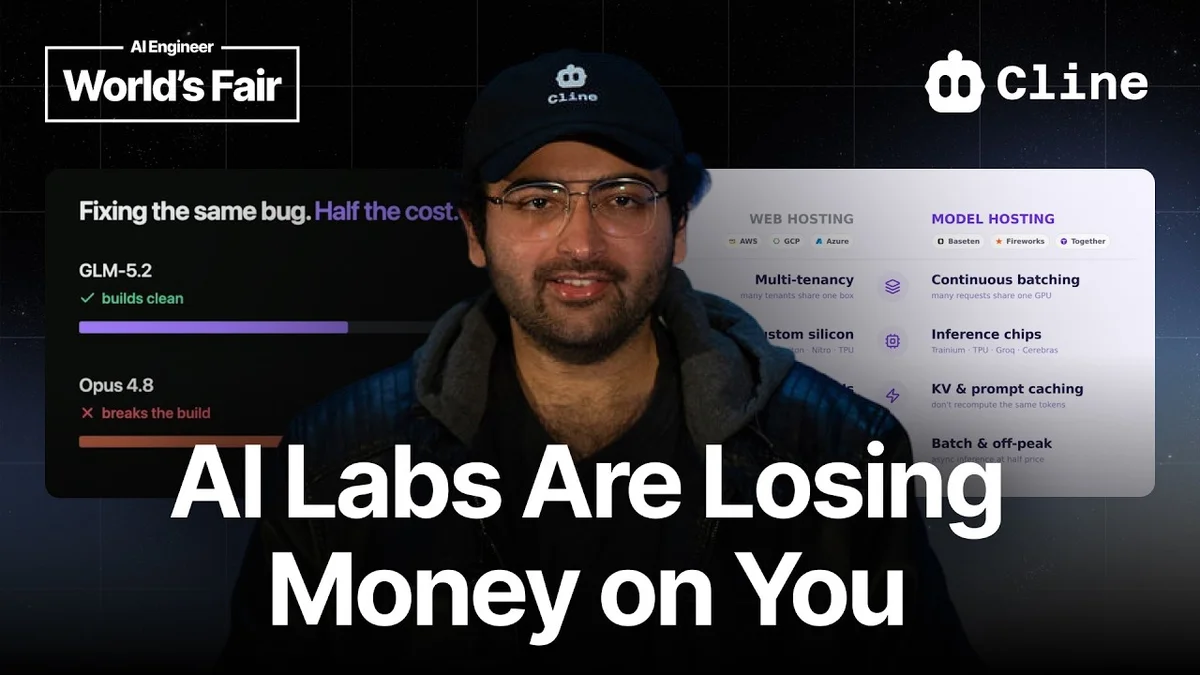
Saoud Rizwan: Open Source is Dead, Long Live Open Source
Cline founder Saoud Rizwan argues that AI's impact on open source is profound, but open-weight models offer a cost-effective future, challenging proprietary AI dominance.

GitHub Copilot's Stacked Sessions Emerge
GitHub Copilot introduces 'stacked sessions,' enabling AI to manage complex, multi-stage code refactors sequentially.

Tame Dependabot's PR Flood
GitHub's Dependabot can flood repositories with PRs; learn how grouping, slower cadences, and prioritized security fixes tame the noise.
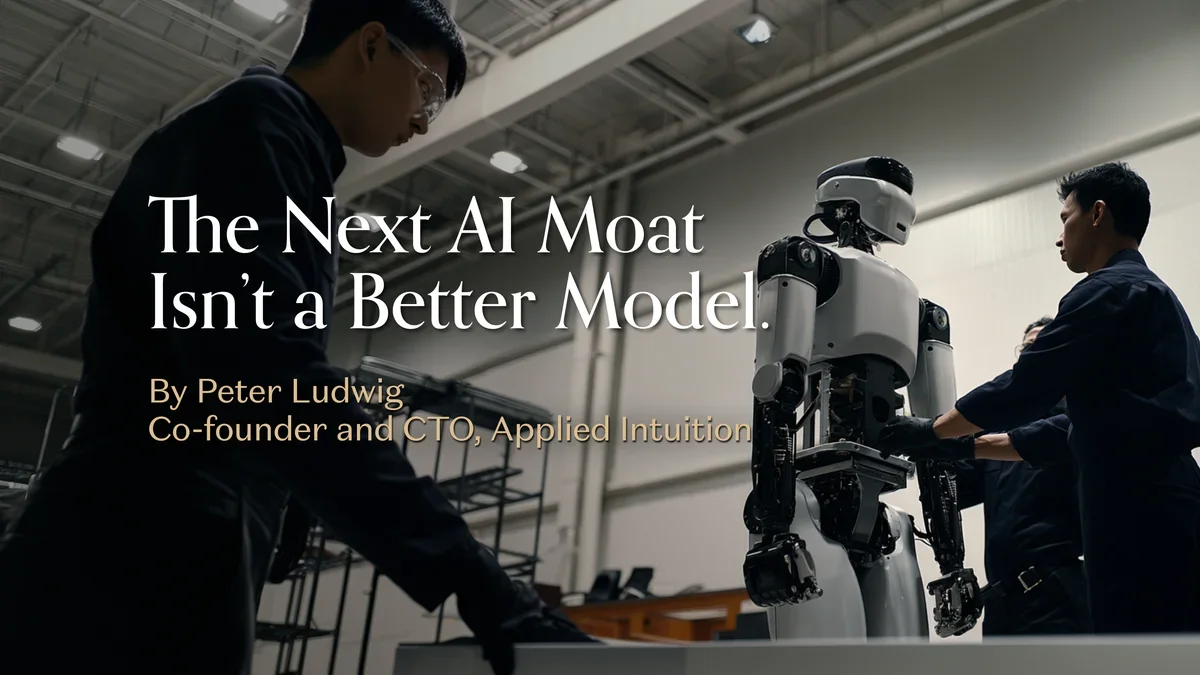
AI's Physical Future: Beyond the Model
The real AI moat lies not in smarter models, but in intelligent engineering systems that can rapidly deploy and iterate on them.
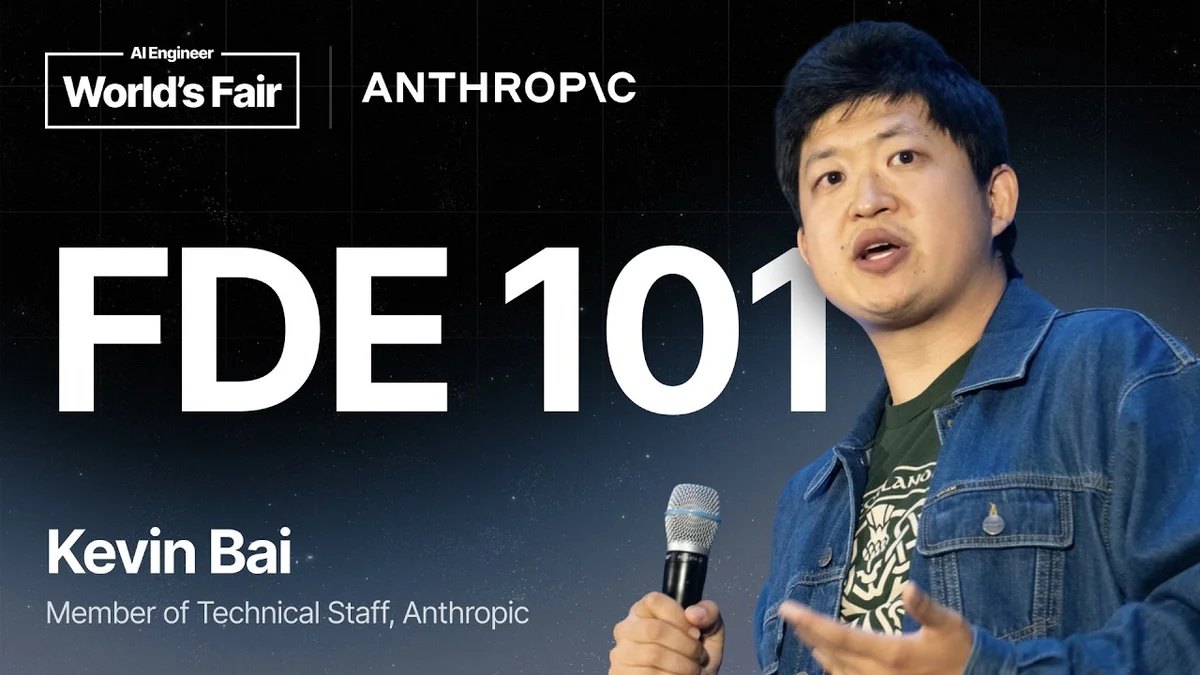
Forward Deployed Engineering: Palantir's Secret Sauce for Big Deals
Kevin Bai explains how Forward Deployed Engineering, pioneered by Palantir, allows companies to land major enterprise contracts by embedding engineers.

GitHub Copilot: The Core Workflow
GitHub Copilot's core functionality, or 'harness,' is key to boosting developer productivity, emphasizing effective use over chasing new AI tools.

GitHub Copilot: The AI Dev 'Harness'
GitHub argues that mastering existing AI tools like Copilot, rather than chasing new ones, is the key to developer productivity.

GitHub Copilot App for Newbies
GitHub's Copilot app offers a project-centric workspace for AI-assisted development, featuring multiple agent sessions, interactive canvases, and automated pull request management.

AI Loops Need Control Theory, Not Hype
HumanLayer co-founder Kyle Mistele argues that AI coding loops need control theory for real-world application, moving beyond hype to build manageable and effective software.

Copilot vs. API: Where your AI dollars go
GitHub Copilot offers a workflow-integrated AI experience, distinct from raw API access which is suited for building custom systems. The choice depends on the scope of 'work you need to own'.
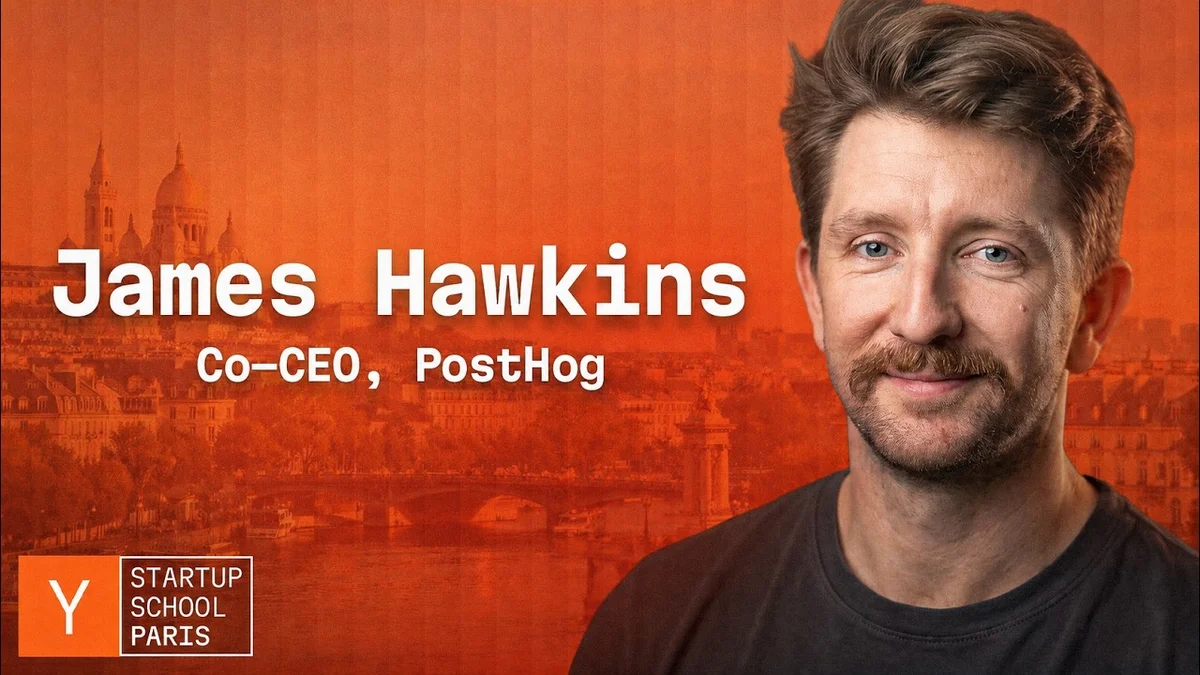
PostHog's James Hawkins on AI-Native Software
PostHog co-CEO James Hawkins details the company's shift to AI-native self-driving software, emphasizing ambition and the iterative process of building autonomous solutions.
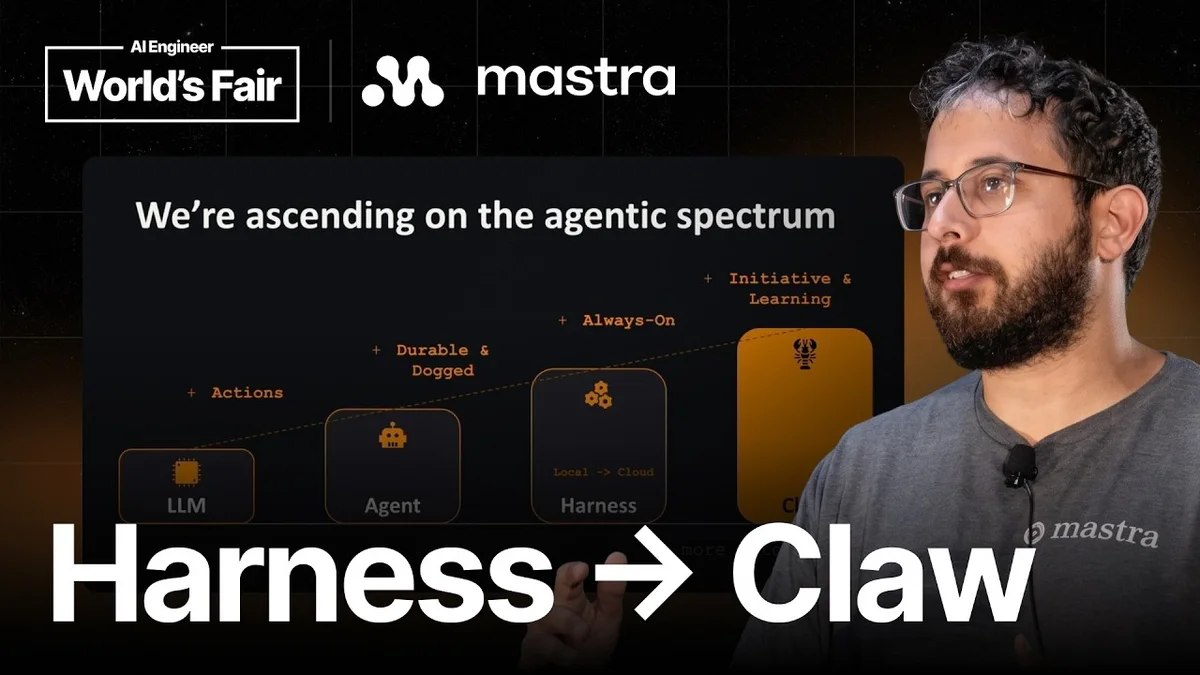
AI Agents Evolve: From Harnesses to Autonomous Claws
Mastra CEO Sam Bhagwat discusses the evolution of AI agents from LLMs to autonomous 'Claws,' the shift to cloud-based systems, and the inevitable market shakeout.

GitHub Copilot Canvas: Interactive AI Workspaces
GitHub Copilot Canvas introduces interactive, visual workspaces that allow developers to collaborate with AI agents on complex tasks beyond simple chat prompts.

Factory CEO: AI Models Need Model Independence
Factory CEO Matan Grinberg discusses the importance of model independence in AI development and the company's journey from early challenges to market readiness.

AI Security: Randall Degges on Key Challenges
Randall Degges discusses the dual nature of AI in software development, highlighting security risks in AI-generated code and challenges with autonomous agents, while announcing a dedicated security track at the AI Engineer World's Fair.

Be Scared: AI Code Security Risks with Steve Yegge
Steve Yegge warns of escalating AI code security risks, including new threats like 'slop squatting,' and urges developers to prioritize security passes.
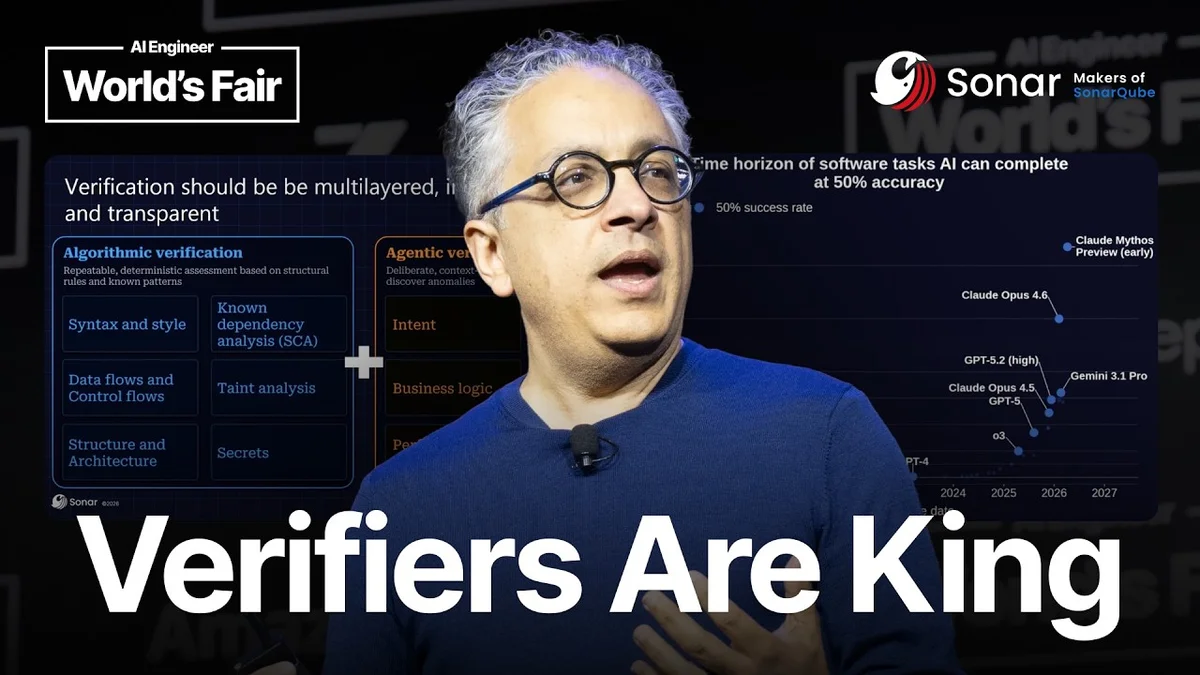
AI Agents Need Verification, Says Sonar CEO Tariq Shaukat
Sonar CEO Tariq Shaukat argues that for enterprises to harness AI coding agents effectively, verification must be integrated into the development process, not treated as an afterthought.
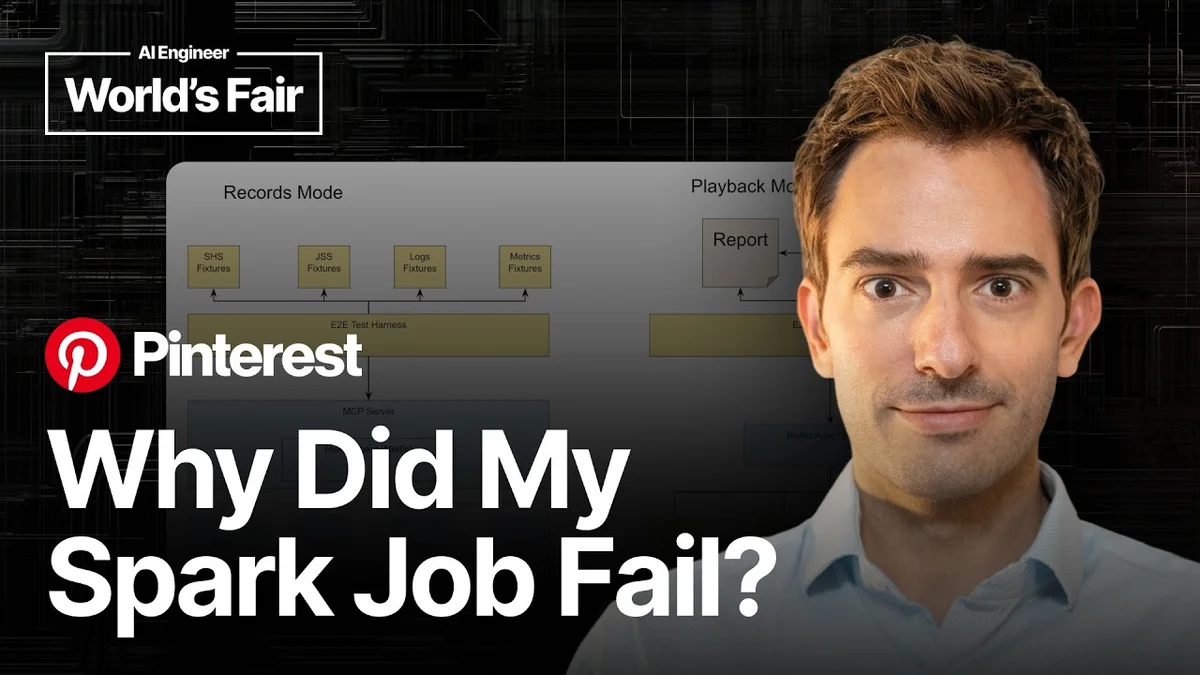
Pinterest's Medic AI Tames Spark Failures
Pinterest's Drasko Profirovic details Medic, an AI agent designed to diagnose and fix Apache Spark job failures, highlighting the evolution from prototype to a sophisticated multi-agent system.

Anthropic's Eugene Yan on LLMs Securing Source Code
Eugene Yan from Anthropic explains how LLMs are revolutionizing source code security through a six-step process, from threat modeling to patching.
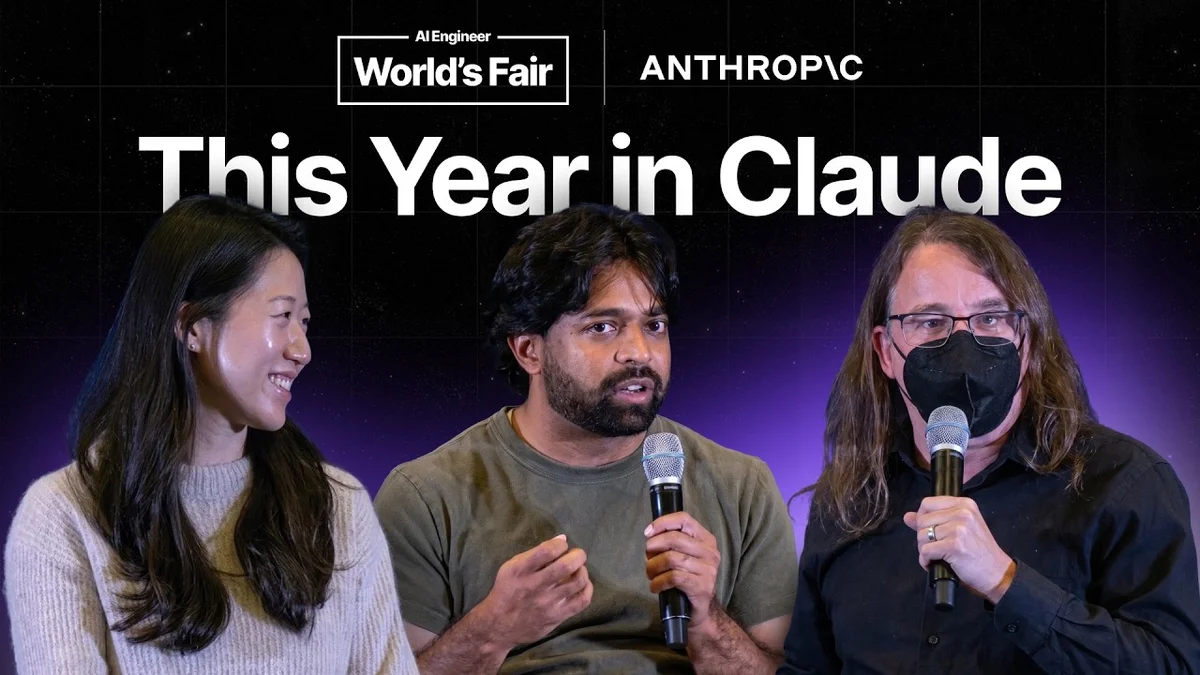
Anthropic's Cat Wu & Thariq Shihipar on AI in Software Dev
Anthropic's Cat Wu and Thariq Shihipar discuss the evolution of Claude Code and the impact of Claude Tag on software development, emphasizing increased efficiency and collaboration.

OpenAI Unveils Major Codex Upgrades for Developers
OpenAI announces major upgrades to Codex, integrating it into ChatGPT, introducing a new GPT model, and enhancing app interaction, deployment, and mobile capabilities.

Prime Intellect Unveils Open-Source AI Training Stack
Will Brown of Primed and Loaded details the 'open superintelligence stack' for AI research, covering Verifiers, Prime RL, and the future of model post-training.

AI Streamlines DevSecOps Documentation
GitHub's Agentic Workflows are automating cross-repository documentation, ensuring features ship with accurate, engineer-reviewed docs.
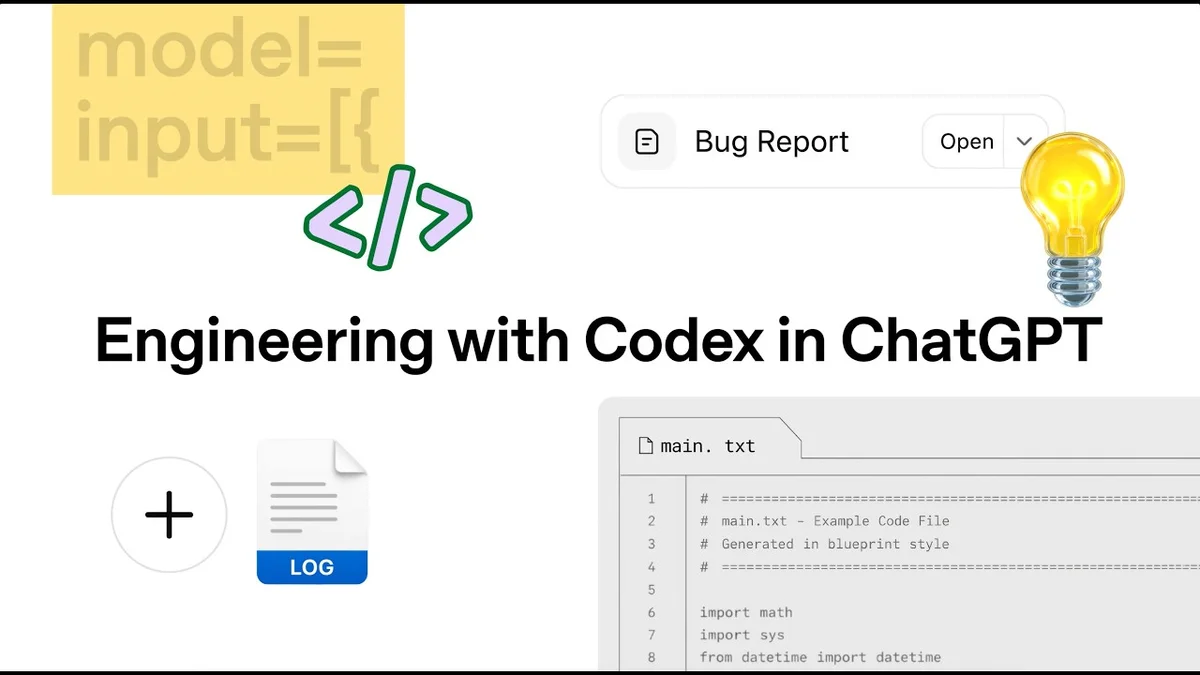
OpenAI's Codex in ChatGPT: AI for Engineering Teams
OpenAI showcases Codex in ChatGPT, demonstrating how AI can automate complex engineering tasks from bug fixing to generating review-ready code, while engineers maintain control.
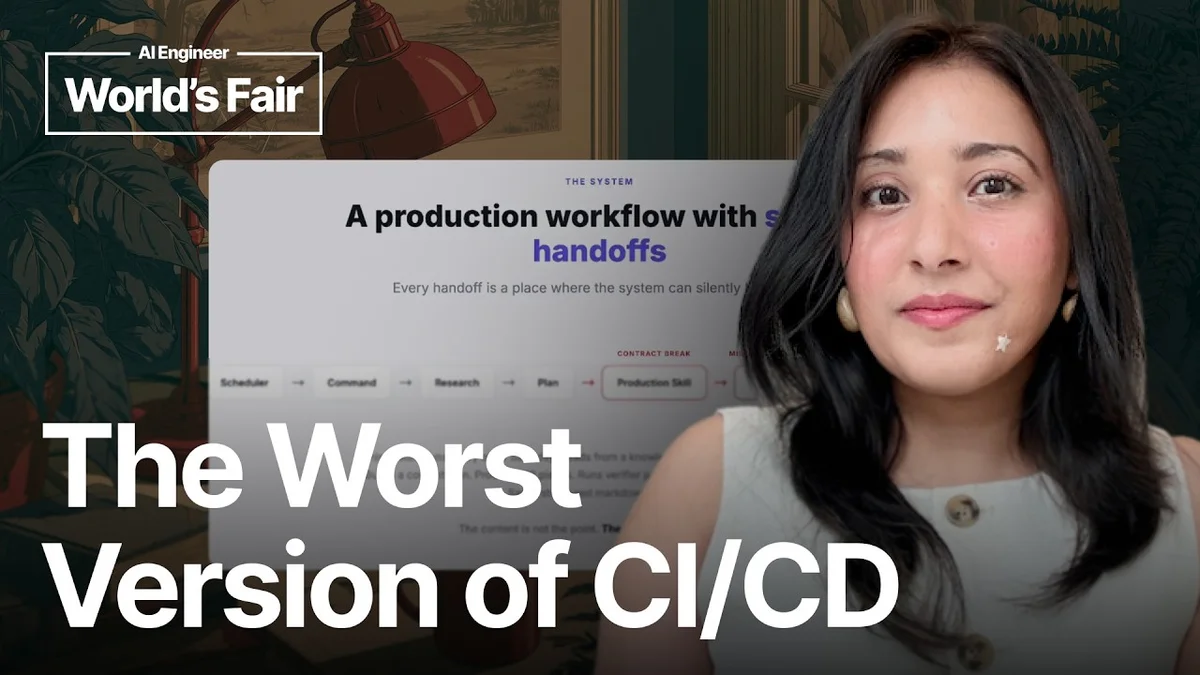
AI Agents: The Rebuilt CI/CD Pitfalls
Sumaiya Shrabony warns that solo AI agent builders often recreate flawed CI/CD processes, leading to issues like voice drift and missing verification.

Chris Noring on Evolving Developer Roles with AI
Microsoft's Chris Noring outlines the changing role of developers in the AI era, highlighting the move towards system design and the importance of custom agents.
Claude Code’s Mid-Year AI Boost
July 2024 saw Claude Code introduce major updates, including an in-app browser, the Sonnet 5 model, and workflow enhancements.
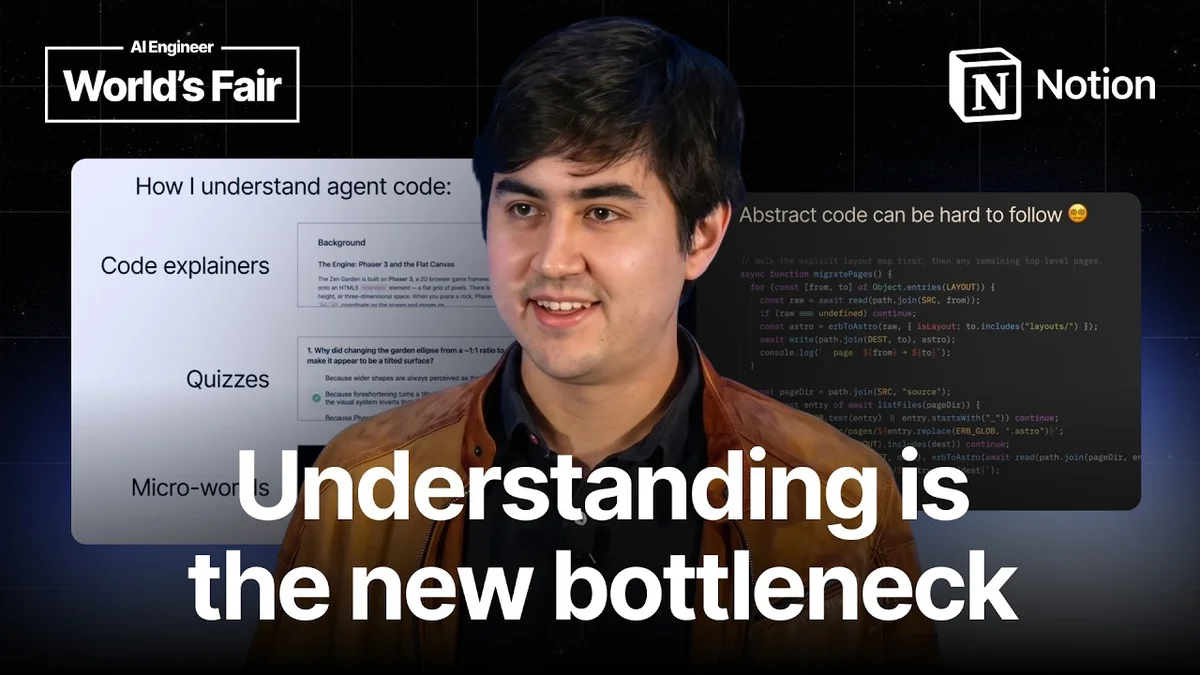
Understanding is the New Bottleneck in AI
Geoffrey Litt from Notion discusses how understanding AI-generated code is the new bottleneck, proposing techniques like explanations, micro-worlds, and shared spaces to foster deeper human comprehension.

AI Engineers: Should You Still Read Code in 2026?
Alex Volkov of ThursdAI explores whether AI engineers will still need to read code by 2026, introducing the 'Z/L Continuum' and the future of AI-assisted development.
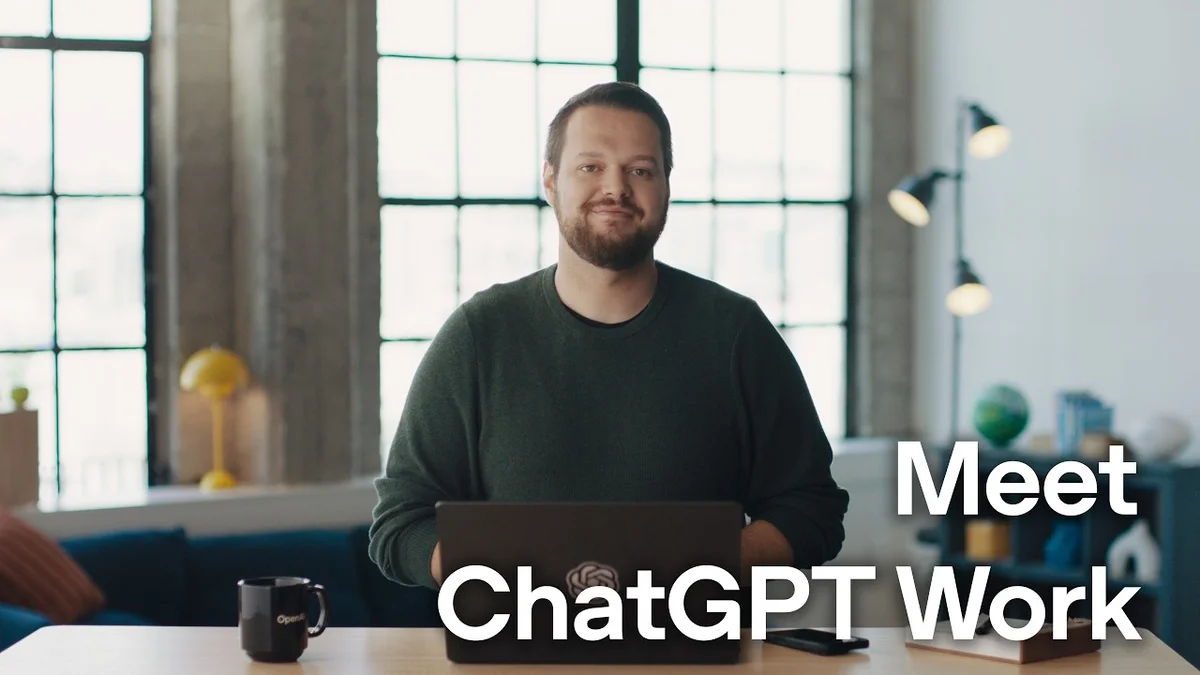
OpenAI Unveils ChatGPT Work: Automating Real-World Tasks
OpenAI introduces ChatGPT Work, enabling users to delegate real-world tasks, from daily briefings to code debugging, directly to the AI.
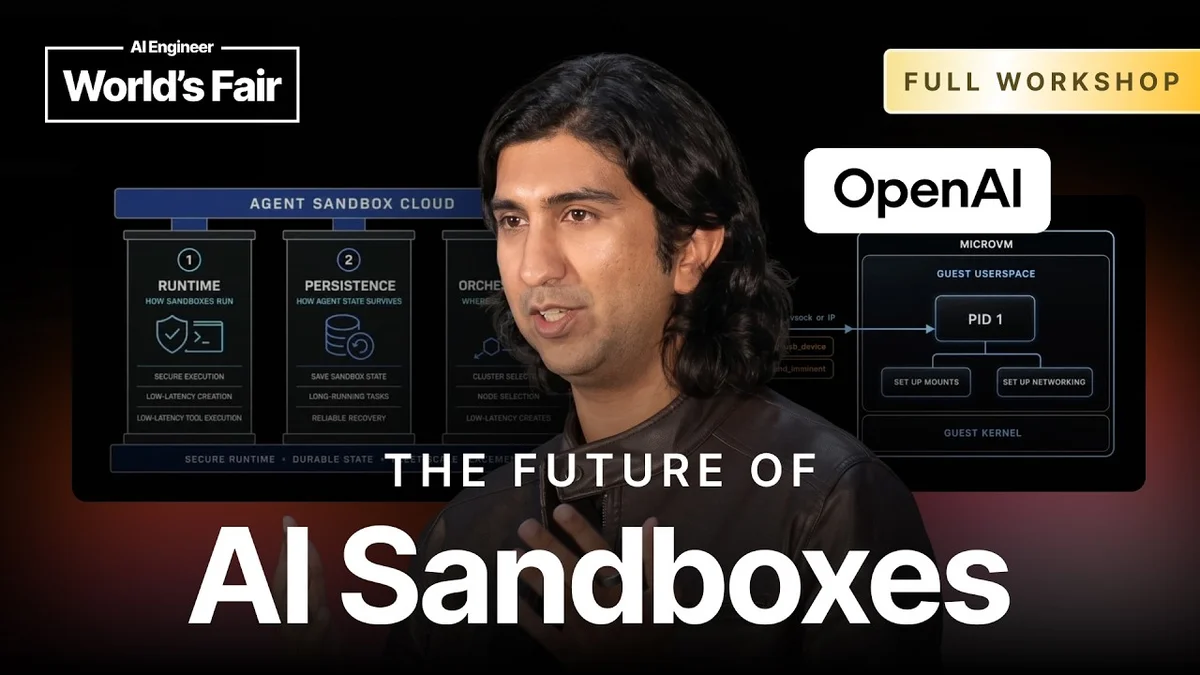
OpenAI's Abhishek Bhardwaj on Agent Sandboxes
OpenAI's Abhishek Bhardwaj discusses designing secure, functional computer sandboxes for AI agents to tackle diverse tasks efficiently.
Databricks Benchmarks AI Coding Tools
Databricks benchmarks AI coding agents on its multi-million line codebase, finding open-source models competitive and token price an unreliable cost indicator.
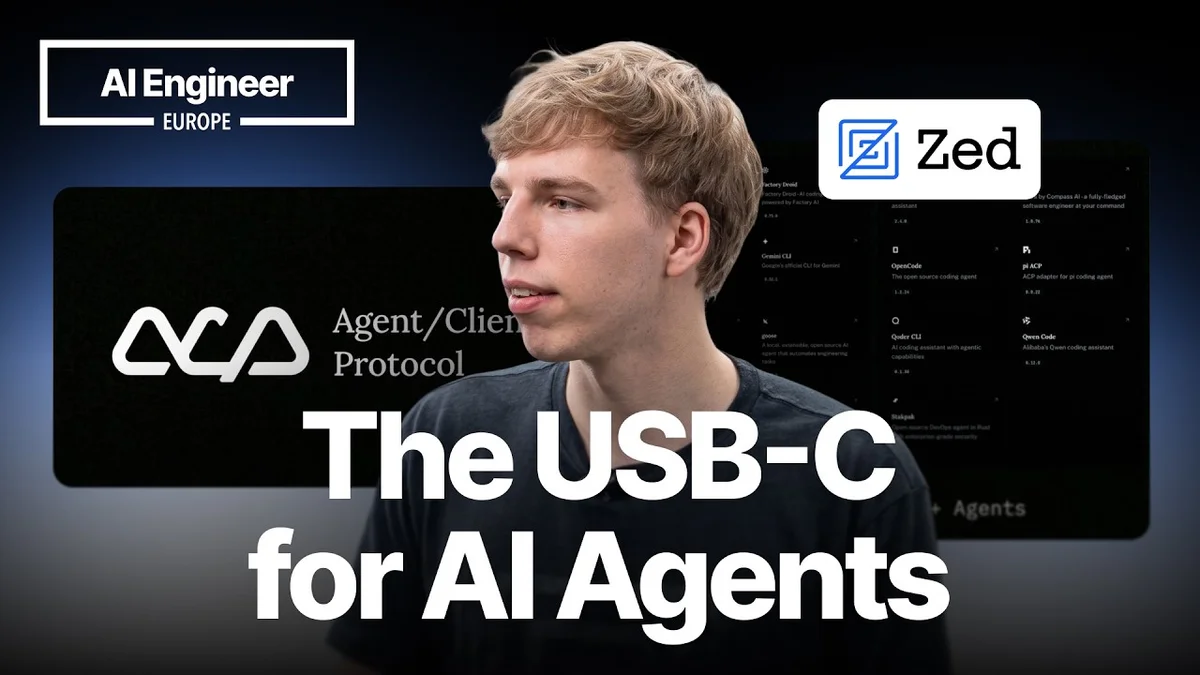
Building an ACP-Compatible Agent Live
Bennet Fenner from Zed demonstrates building an ACP-compatible agent live, showcasing TypeScript implementation and tool integration.
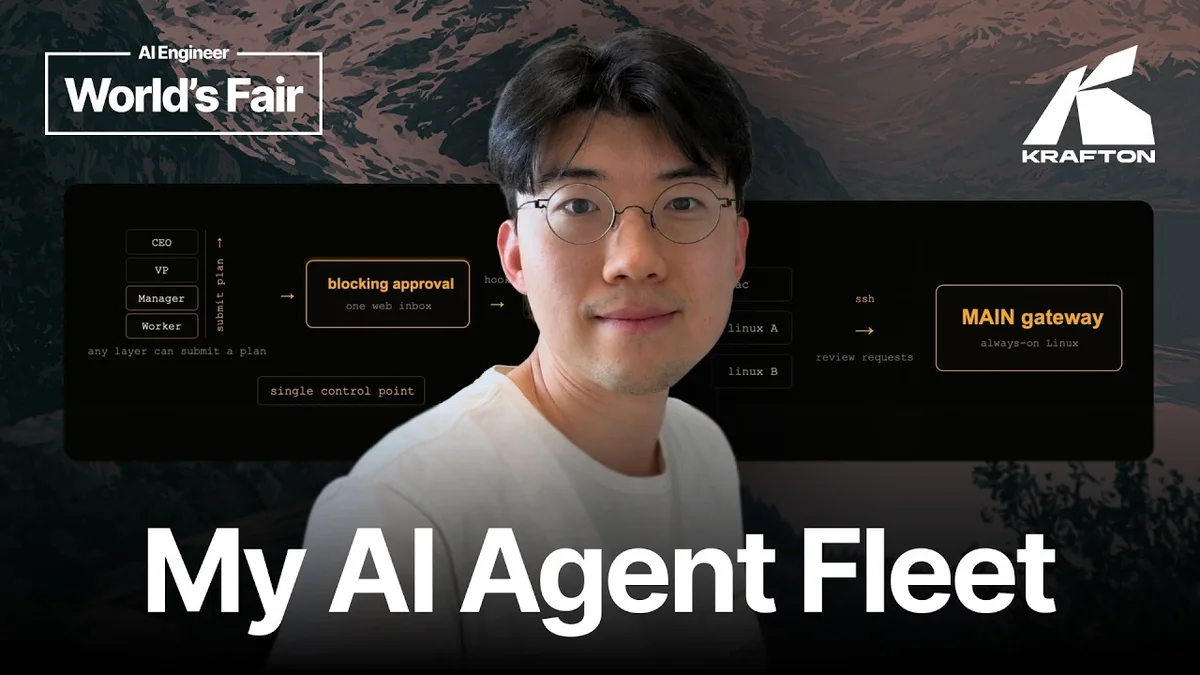
AI Agent Fleets: What Broke and How to Fix It
Kyle Jaejun Lee from KRAFTON shares the five key failures encountered when running a fleet of AI agents across multiple machines, and outlines solutions for building a more scalable and reliable system.