Visual TL;DR
Maven ClinicCore
largest digital health platform for women and families, specializing in maternity and fertility
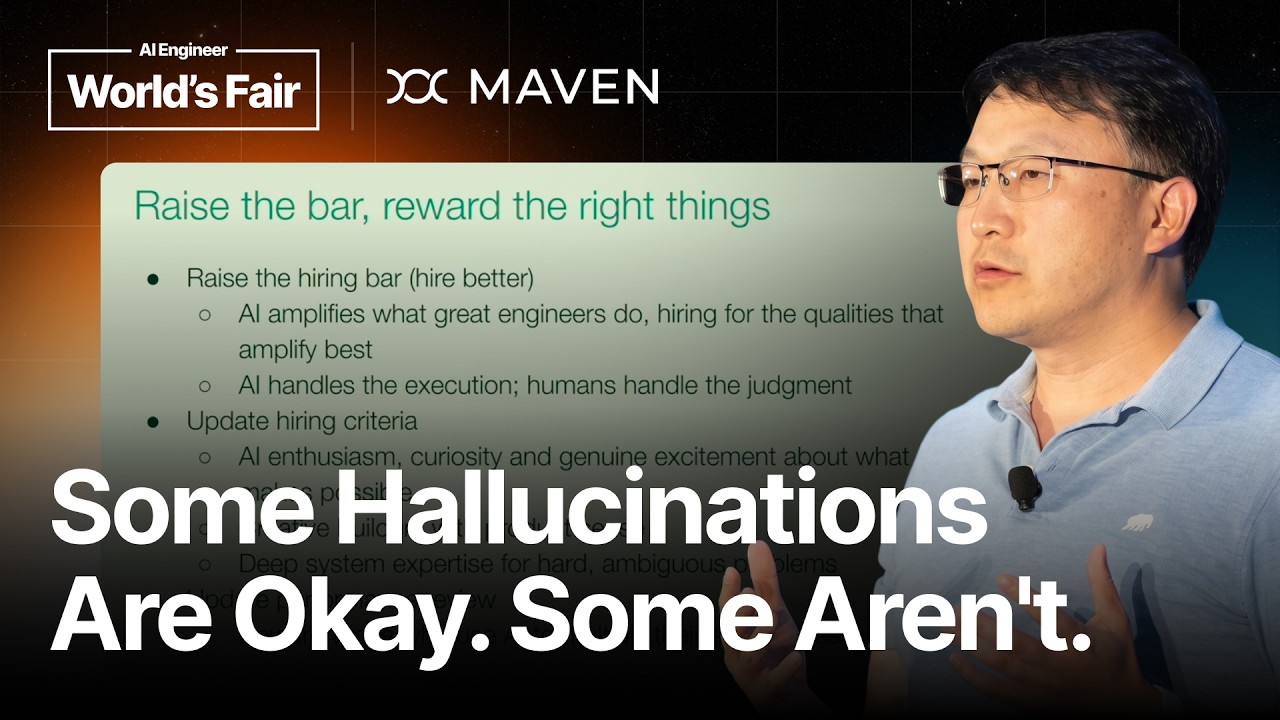
From the article 6 mentionsDan Feng from Maven Clinic shared insights into the company's strategic shift from a traditional technology firm to an AI-native organization.
AI Adoption ImperativeDriver
AI is improving daily, making adoption a necessity, not a choice for the company
From the article 2 mentionsSpeaking at the AI Engineer World's Fair, Feng outlined the three core pillars of this transformation: internal AI adoption, external AI integration into products, and a cultural shift to embrace AI-driven workflows.
AI-Native ModelContext
strategic shift from traditional tech firm to an organization embracing AI-driven workflows
From the article 4 mentionsWhile acknowledging that there isn't a single definition of an 'AI-native' company or a predefined playbook to achieve it, Feng outlined Maven Clinic's approach.
Maven IntelligenceCore
From the article 6 mentionsThe company embarked on its AI journey approximately two years ago, leading to the creation of 'Maven Intelligence,' an AI-powered orchestration layer designed to integrate AI capabilities across all their products and services, benefiting both employees and clients.
Internal AI AdoptionEffect
employees using AI tools and integrating them into daily operational workflows
From the article 2 mentionsSpeaking at the AI Engineer World's Fair, Feng outlined the three core pillars of this transformation: internal AI adoption, external AI integration into products, and a cultural shift to embrace AI-driven workflows.
Product IntegrationEffect
embedding AI capabilities directly into Maven's external-facing products and services
From the article 5 mentionsSpeaking at the AI Engineer World's Fair, Feng outlined the three core pillars of this transformation: internal AI adoption, external AI integration into products, and a cultural shift to embrace AI-driven workflows.
Cultural ShiftEffect
fostering an organizational culture that embraces AI-driven workflows and innovation
From the article 3 mentionsSpeaking at the AI Engineer World's Fair, Feng outlined the three core pillars of this transformation: internal AI adoption, external AI integration into products, and a cultural shift to embrace AI-driven workflows.
Enhanced ServicesOutcome
benefiting both employees and clients with advanced AI-powered features and efficiencies
From the articleThe company embarked on its AI journey approximately two years ago, leading to the creation of 'Maven Intelligence,' an AI-powered orchestration layer designed to integrate AI capabilities across all their products and services, benefiting both employees and clients.