

Superconductor's Arjun Singh on Multiplayer Agentic Engineering

Arjun Singh of Superconductor shares crucial lessons on multiplayer agentic engineering, focusing on seamless team-AI collaboration and efficient workflows.

8 min read
Arjun Singh presenting on Multiplayer Agentic Engineering
AI Engineer

Visual TL;DR. Multiplayer Agentic Engineering achieved via Superconductor Approach. Superconductor Approach includes Model/Harness Agnostic. Model/Harness Agnostic enables Open-weight Models. Token Vendor Incentives mitigated by Model/Harness Agnostic. Superconductor Approach prioritizes Human Element Focus. Human Element Focus leads to Efficient Workflows. Model/Harness Agnostic contributes to Efficient Workflows.

  1. Multiplayer Agentic Engineering: seamless team-AI collaboration and efficient workflows for human-agent teams
  2. Superconductor Approach: six lessons learned from integrating AI agents into Superconductor's workflows
  3. Model/Harness Agnostic: best models and harnesses change weekly, avoid workflow disruption from shifts
  4. Open-weight Models: increasingly capable and cost-effective, offering flexibility without workflow disruption
  5. Token Vendor Incentives: incentives may not align with team goals, highlighting need for control
  6. Human Element Focus: emphasized importance of focusing on the human element within agentic workflows
  7. Efficient Workflows: achieving seamless team-AI collaboration and efficient workflows for engineering teams
Visual TL;DR
Visual TL;DR, startuphub.ai Multiplayer Agentic Engineering achieved via Superconductor Approach. Superconductor Approach includes Model/Harness Agnostic. Superconductor Approach prioritizes Human Element Focus. Human Element Focus leads to Efficient Workflows. Model/Harness Agnostic contributes to Efficient Workflows achieved via includes prioritizes leads to contributes to Multiplayer Agentic Engineering Superconductor Approach Model/Harness Agnostic Human Element Focus Efficient Workflows From startuphub.ai · The publishers behind this format
Visual TL;DR, startuphub.ai Multiplayer Agentic Engineering achieved via Superconductor Approach. Superconductor Approach includes Model/Harness Agnostic. Superconductor Approach prioritizes Human Element Focus. Human Element Focus leads to Efficient Workflows. Model/Harness Agnostic contributes to Efficient Workflows achieved via includes prioritizes leads to contributes to MultiplayerAgentic… SuperconductorApproach Model/HarnessAgnostic Human ElementFocus EfficientWorkflows From startuphub.ai · The publishers behind this format
Visual TL;DR, startuphub.ai Multiplayer Agentic Engineering achieved via Superconductor Approach. Superconductor Approach includes Model/Harness Agnostic. Superconductor Approach prioritizes Human Element Focus. Human Element Focus leads to Efficient Workflows. Model/Harness Agnostic contributes to Efficient Workflows achieved via includes prioritizes leads to contributes to Multiplayer Agentic Engineering seamless team-AI collaboration andefficient workflows for human-agent teams Superconductor Approach six lessons learned from integrating AIagents into Superconductor's workflows Model/Harness Agnostic best models and harnesses change weekly,avoid workflow disruption from shifts Human Element Focus emphasized importance of focusing on thehuman element within agentic workflows Efficient Workflows achieving seamless team-AI collaborationand efficient workflows for engineeringteams From startuphub.ai · The publishers behind this format
Visual TL;DR, startuphub.ai Multiplayer Agentic Engineering achieved via Superconductor Approach. Superconductor Approach includes Model/Harness Agnostic. Superconductor Approach prioritizes Human Element Focus. Human Element Focus leads to Efficient Workflows. Model/Harness Agnostic contributes to Efficient Workflows achieved via includes prioritizes leads to contributes to MultiplayerAgentic… seamless team-AIcollaboration andefficient workflows… SuperconductorApproach six lessons learnedfrom integrating AIagents into… Model/HarnessAgnostic best models andharnesses changeweekly, avoid… Human ElementFocus emphasizedimportance offocusing on the… EfficientWorkflows achieving seamlessteam-AIcollaboration and… From startuphub.ai · The publishers behind this format
Visual TL;DR, startuphub.ai Multiplayer Agentic Engineering achieved via Superconductor Approach. Superconductor Approach includes Model/Harness Agnostic. Model/Harness Agnostic enables Open-weight Models. Token Vendor Incentives mitigated by Model/Harness Agnostic. Superconductor Approach prioritizes Human Element Focus. Human Element Focus leads to Efficient Workflows. Model/Harness Agnostic contributes to Efficient Workflows achieved via includes enables mitigated by prioritizes leads to contributes to Multiplayer Agentic Engineering seamless team-AI collaboration andefficient workflows for human-agent teams Superconductor Approach six lessons learned from integrating AIagents into Superconductor's workflows Model/Harness Agnostic best models and harnesses change weekly,avoid workflow disruption from shifts Open-weight Models increasingly capable and cost-effective,offering flexibility without workflowdisruption Token Vendor Incentives incentives may not align with team goals,highlighting need for control Human Element Focus emphasized importance of focusing on thehuman element within agentic workflows Efficient Workflows achieving seamless team-AI collaborationand efficient workflows for engineeringteams From startuphub.ai · The publishers behind this format
Visual TL;DR, startuphub.ai Multiplayer Agentic Engineering achieved via Superconductor Approach. Superconductor Approach includes Model/Harness Agnostic. Model/Harness Agnostic enables Open-weight Models. Token Vendor Incentives mitigated by Model/Harness Agnostic. Superconductor Approach prioritizes Human Element Focus. Human Element Focus leads to Efficient Workflows. Model/Harness Agnostic contributes to Efficient Workflows achieved via includes enables mitigated by prioritizes leads to contributes to MultiplayerAgentic… seamless team-AIcollaboration andefficient workflows… SuperconductorApproach six lessons learnedfrom integrating AIagents into… Model/HarnessAgnostic best models andharnesses changeweekly, avoid… Open-weightModels increasinglycapable andcost-effective,… Token VendorIncentives incentives may notalign with teamgoals, highlighting… Human ElementFocus emphasizedimportance offocusing on the… EfficientWorkflows achieving seamlessteam-AIcollaboration and… From startuphub.ai · The publishers behind this format

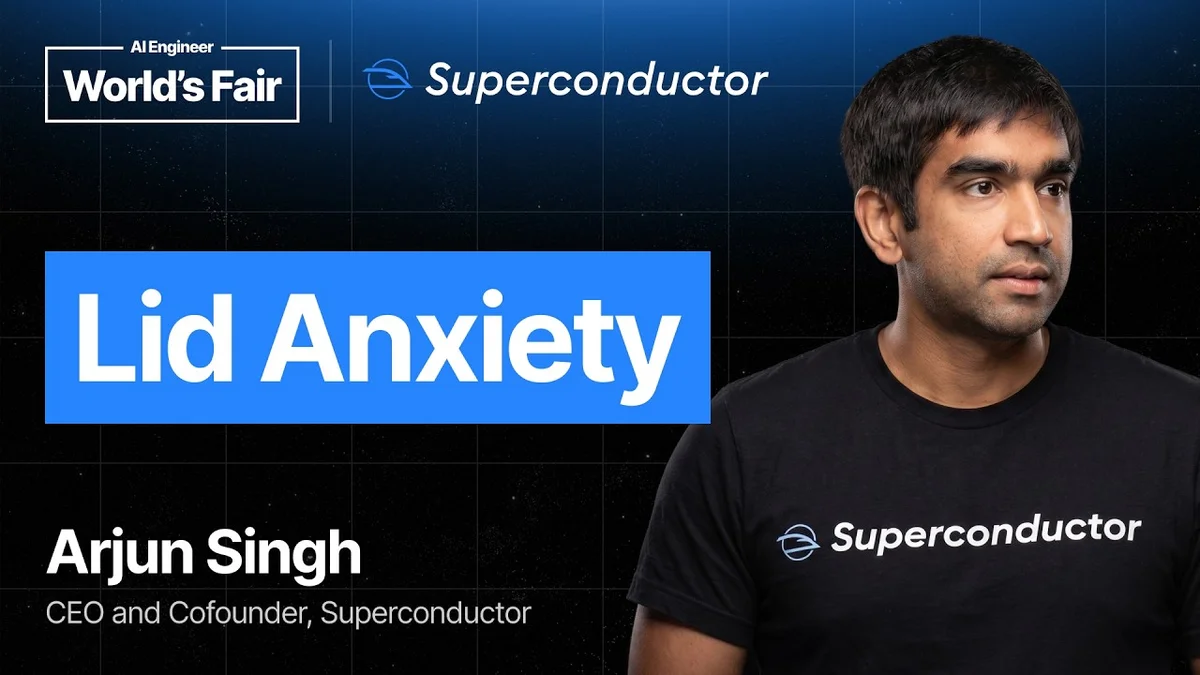
Arjun Singh, co-founder of Superconductor, shared key insights on 'Multiplayer Agentic Engineering' at the AI Engineer World's Fair, detailing how teams and their AI agents can collaborate more effectively. Singh, whose background includes robotics and computer vision, and a previous successful venture with GradeScope, emphasized the importance of focusing on the human element within agentic workflows.

Superconductor's Arjun Singh on Multiplayer Agentic Engineering - AI Engineer
Superconductor's Arjun Singh on Multiplayer Agentic Engineering — from AI Engineer

The Superconductor Approach to Agentic Collaboration

Singh outlined six lessons learned from integrating AI agents into Superconductor's workflows. The first lesson is to be model and harness agnostic. He explained that the best models and harnesses can change weekly, and teams should not be disrupted by these shifts. Open-weight models, like GLM 5.2, are becoming increasingly capable and cost-effective, offering flexibility without workflow disruption. Singh also cautioned that the incentives of token vendors may not align with a team's goals, highlighting the need for control over model choices.
The second lesson is to turn every human interface into an agent/human interface. Moving beyond agents being trapped on individual laptops, Singh advocated for making them accessible through various platforms like Slack, Superconductor's own app, or GitHub. The goal is to maintain the same agent session across these different interfaces, ensuring continuity and context. This allows for collaborative workflows where team members can seamlessly switch between environments, such as starting a task in Slack and continuing it in a desktop application.

Building on this, the third lesson is to make agent work visible and collaborative across the team. Singh demonstrated how an application view can show all interactions with a specific ticket, including who has been involved. This visibility is critical, especially when non-technical team members initiate tasks. He also stressed the importance of artifacts, such as screenshots or videos, generated by agents to make their work universally accessible and understandable.

Leveraging External Signals and Cloud Environments

Singh’s fourth lesson is to turn every external signal into code that your team can quickly evaluate. He noted that while systems can connect various data sources like Slack, emails, and bug trackers, agents often struggle to know what to act on without human intervention. Superconductor's approach involves automatically ingesting and prioritizing these signals. A practical example was their 'meeting bot,' which can listen to meetings, create tickets from ideas, and even prompt for action, streamlining the process from idea to implementation.

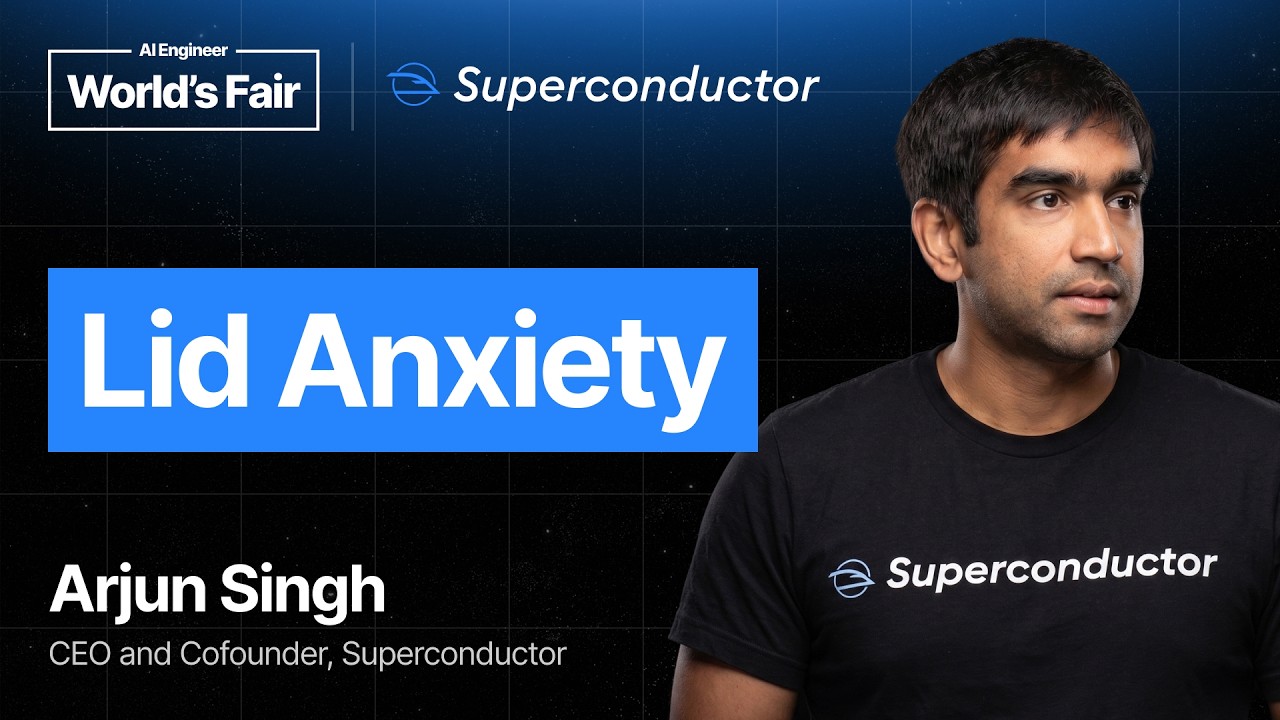
The fifth lesson is to set up cloud dev environments so agents aren't trapped on individual machines. This addresses 'lid anxiety' and ensures agents can run continuously without being tied to a specific laptop. More importantly, it allows for better security by giving agents access only to the necessary resources, preventing them from accessing sensitive data on developer machines. This also empowers non-technical team members to trigger real work, as they don't need their own development environments set up.

Finally, Singh emphasized the importance of benchmarking agents on your own codebase. Public benchmarks may not reflect how agents perform on a team's specific codebase. By selecting representative pull requests and benchmarking different agents, teams can obtain quality-versus-cost and quality-versus-time breakdowns. This data informs decisions on which models to use for different tasks, ensuring optimal performance and cost efficiency without disrupting workflows.

Key Takeaways for Agentic Engineering

Singh concluded with three key recommendations for teams looking to implement multiplayer agentic engineering:

  • Get your codebase and agents working in a sandbox environment to unlock new workflows and collaboration possibilities.
  • Integrate agents into all relevant human interfaces to enable seamless work and reduce context switching.
  • Benchmark agents on your specific codebase and become model agnostic to stay at the forefront of cost, speed, and quality.

Superconductor's approach, as detailed by Singh, aims to make AI agents a truly collaborative tool, enhancing team productivity and the speed of innovation.

© 2026 StartupHub.ai. All rights reserved. Do not enter, scrape, copy, reproduce, or republish this article in whole or in part. Use as input to AI training, fine-tuning, retrieval-augmented generation, or any machine-learning system is prohibited without written license. Substantially-similar derivative works will be pursued to the fullest extent of applicable copyright, database, and computer-misuse laws. See our terms.