#LLMs
50 articles with this tag
Most read in #LLMs, last 30 days

Simulating Humanity: Joon Park on 8 Billion Digital Twins
Joon Sung Park of Simile AI discusses the ambitious goal of simulating 8 billion people, the nuances of behavioral data, and the future of AI in understanding human decision-making.

Fine-Tuning LLMs: A Costly "Tech Debt," Says Data Scientist
Lease End's senior data scientist Dan Bjornn argues that fine-tuning LLMs creates "tech debt," advocating for agentic frameworks with prompt engineering as a more efficient and accurate alternative.

AI Data is the New Bottleneck, Not Models
AI experts at YC Data Club reveal data quality, not model architecture, is the key bottleneck in AI development, emphasizing the need for expert supervision and innovative data strategies.
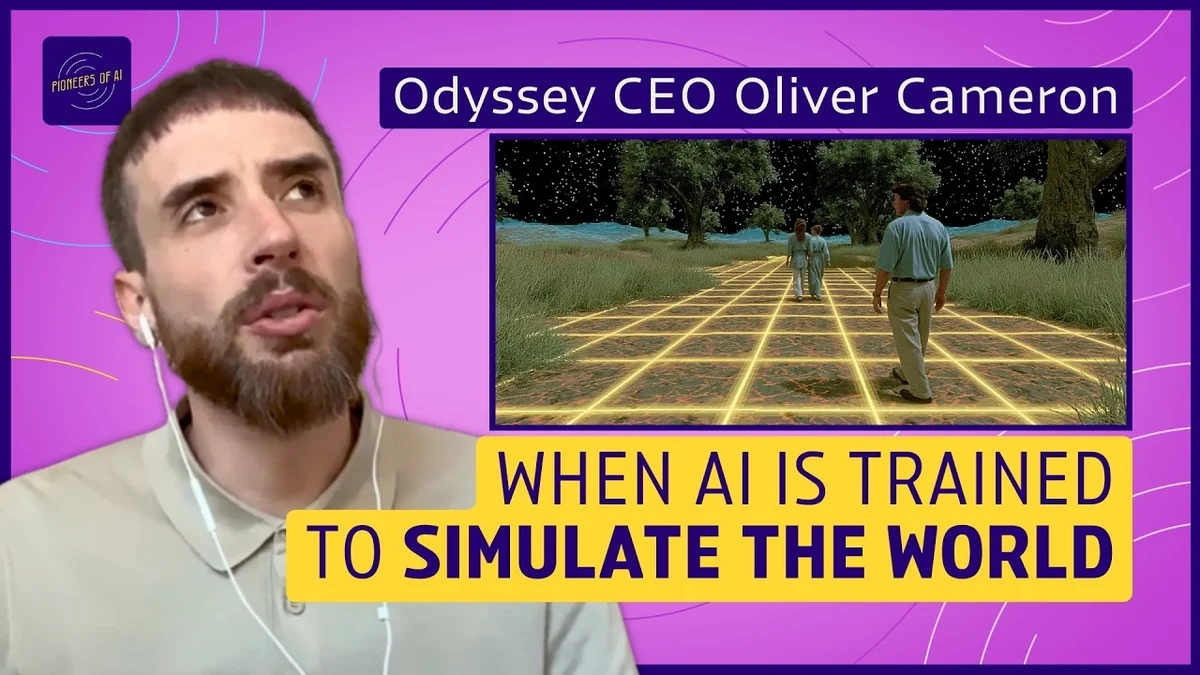
World Models: The Next Frontier Beyond LLMs
Odyssey CEO Oliver Cameron discusses the trillion-dollar opportunity in world models, their difference from LLMs, and applications in robotics and beyond.

AI Agents in Healthcare: X12 as the Harness
Vasant Kearney of Onlay AI discusses how X12 and a robust 'execution layer' are crucial for safe and reliable AI agents in healthcare.
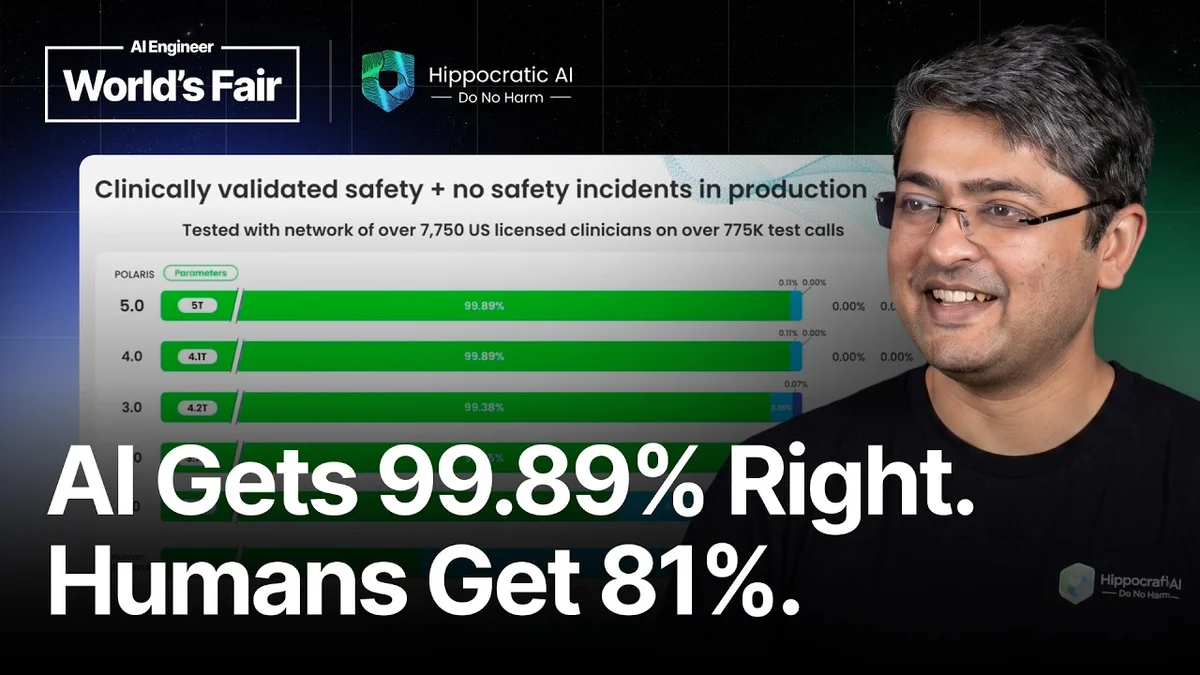
Hippocratic AI: 200M Patient Calls Show AI's Healthcare Promise
Hippocratic AI's Vivek Muppalla details how their AI has conducted 200M+ patient calls, achieving 99.89% "no harm" accuracy through advanced architecture and rigorous evaluation.
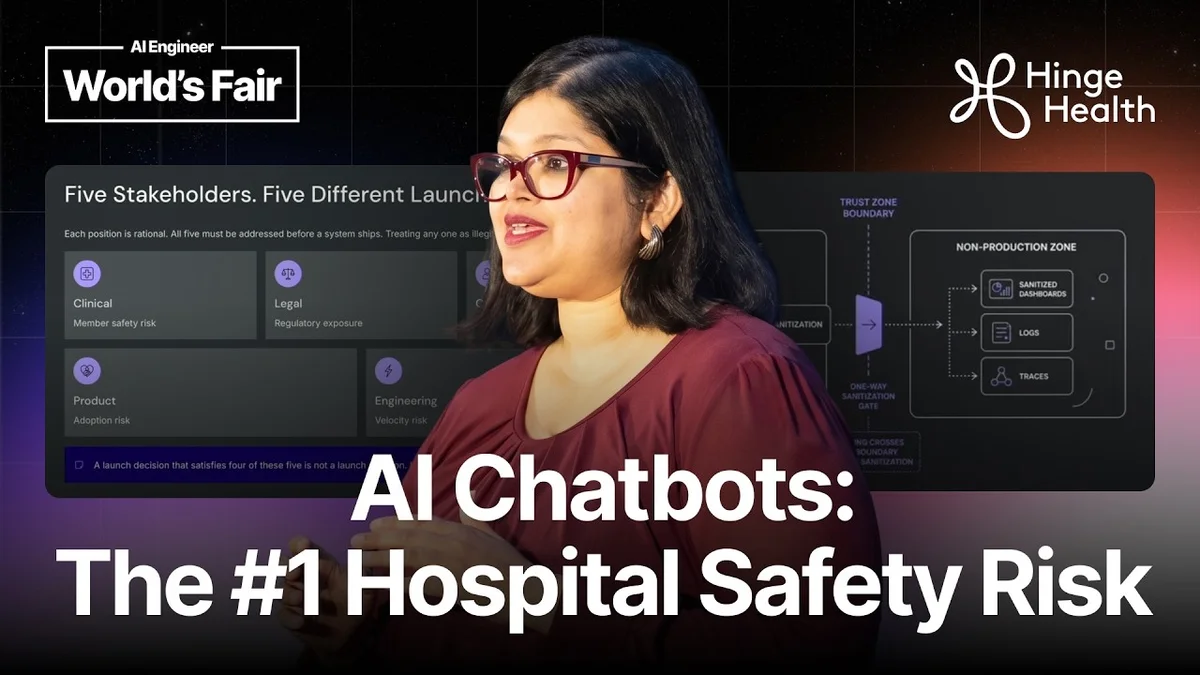
Hinge Health's Rashi Agrawal on Healthcare AI Guardrails
Hinge Health's Rashi Agrawal outlines three essential foundations for building safe member-facing healthcare AI: architecture, deterministic code, and continuous evaluation.
ScienceFlow: Autonomous Research Gets Serious
ScienceFlow autoresearch agent framework enables sustained LLM research, achieving SOTA results on MLE-bench by managing states and resources adaptively.
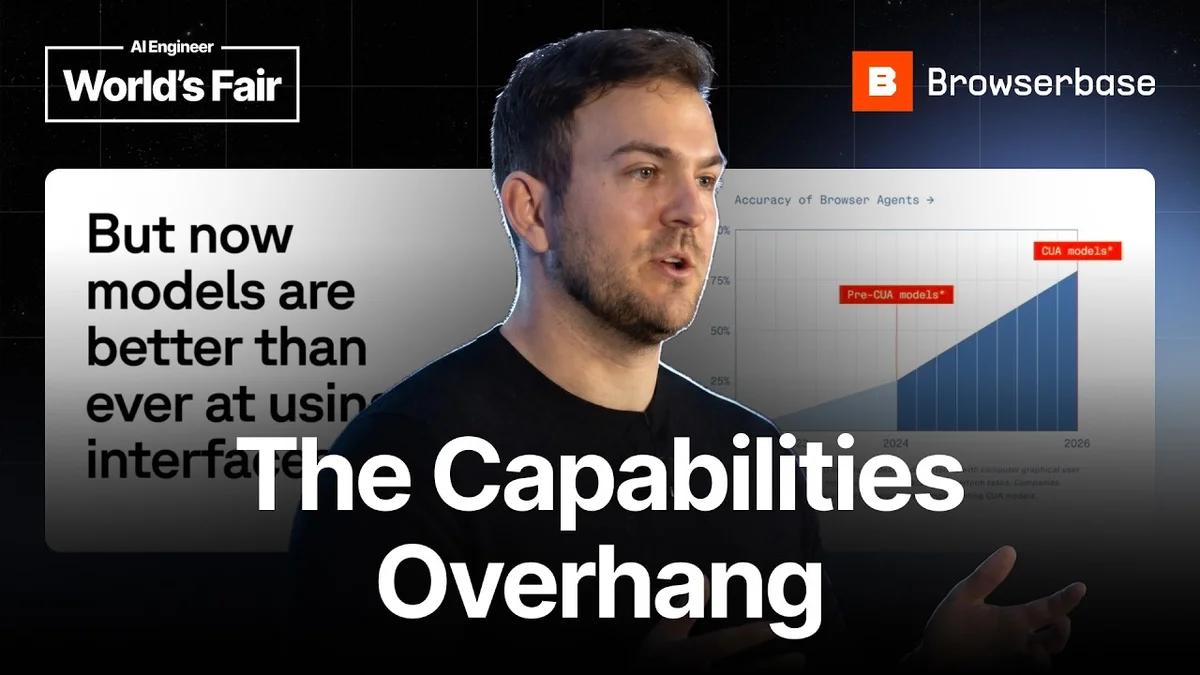
Paul Klein: AI Agents Need Better Web 'Harnesses'
Browserbase founder Paul Klein argues that AI agents need better 'harnesses' and tools to navigate the web, not just improved LLMs. He outlines key engineering challenges and opportunities for agent-first web development.
GitHub Universe 2026 Schedule Drops
GitHub Universe 2026 schedule is out, focusing on AI development, Copilot, and enterprise DevSecOps with top industry speakers.
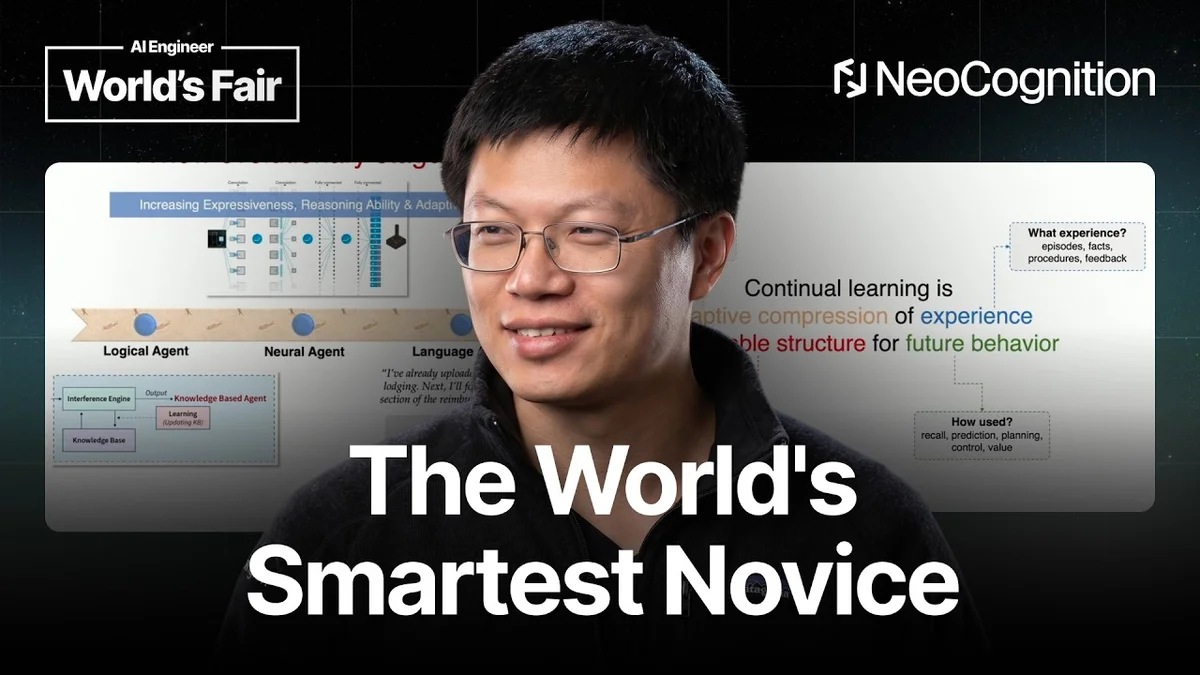
Intelligence vs. Expertise in AI Agents
Yu Su of NeoCognition differentiates AI intelligence from expertise, arguing continual learning is key to unlocking specialized skills for agents in complex "micro-worlds."

AI Agents Need Memory Harnesses for Long Tasks
Stefania Druga of Sakana AI discusses memory harnesses for AI agents, addressing context bloat and the benefits of local models for long-running tasks.
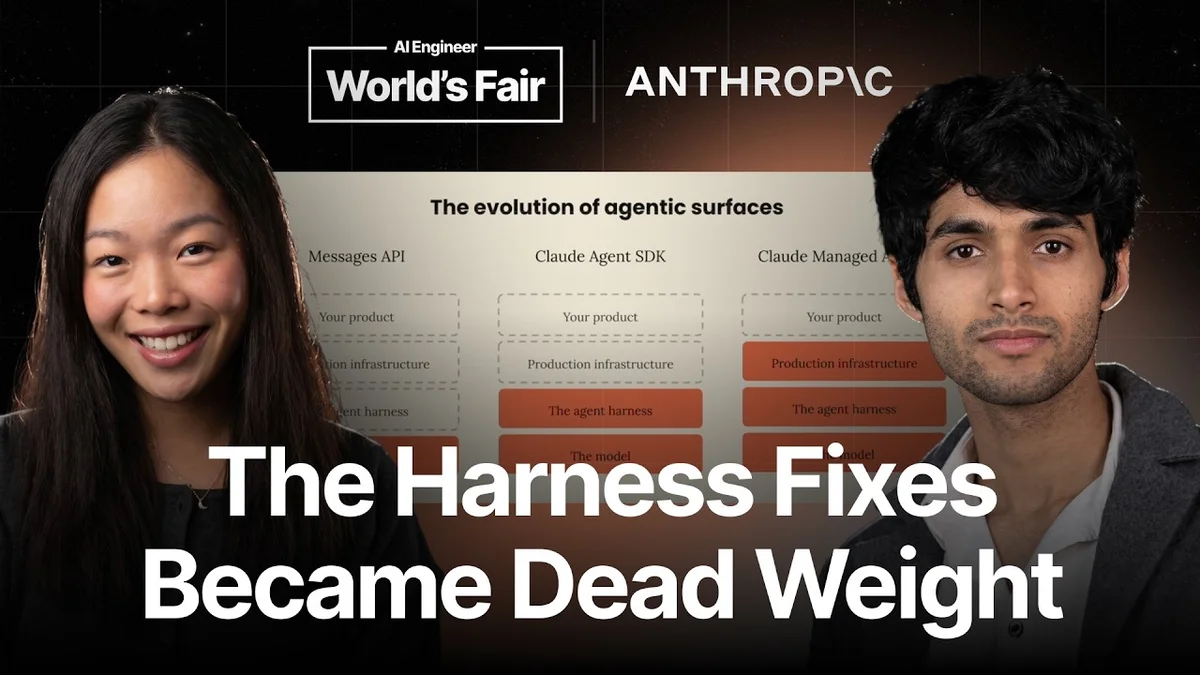
Anthropic's Evolution of AI Agents
Anthropic's Gagan Bhat and Isabella Kai He detail the evolution of AI agents, from Messages API to Managed Agents, focusing on engineering principles, reliability, and security.
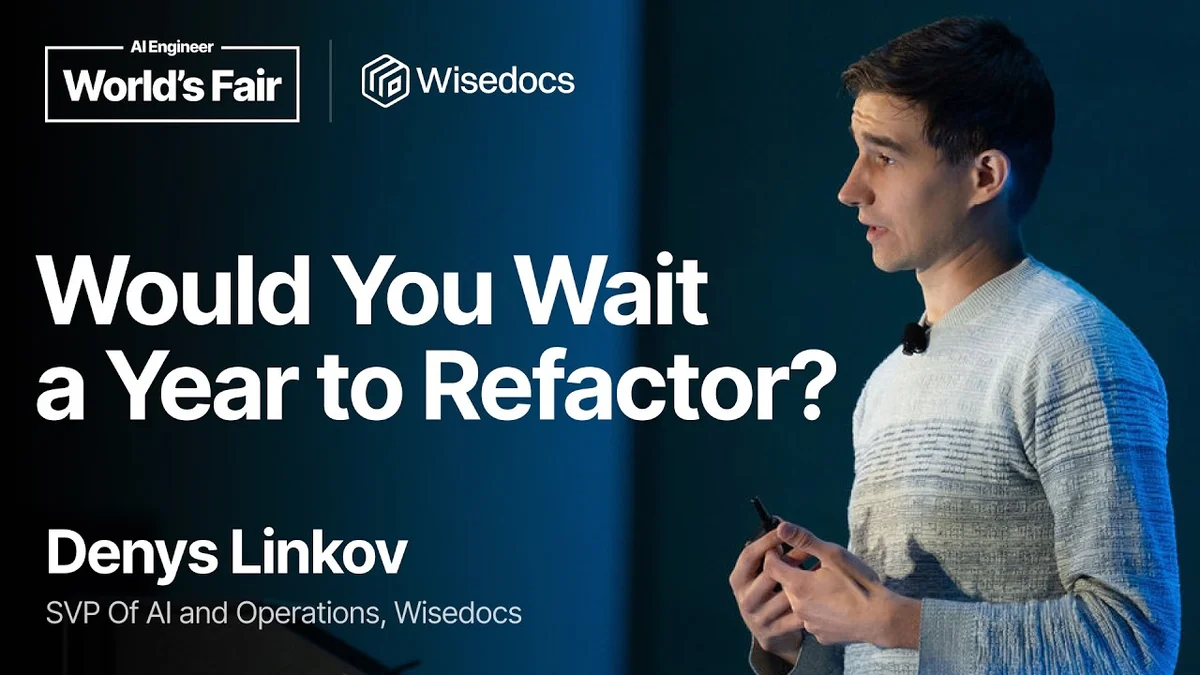
WiseDocs Refactor: AI Coding Agents and Tech Debt
Denys Linkov of WiseDocs discusses the six-month refactor of their AI pipeline, highlighting improvements in speed, complexity, and developer experience, and the evolving role of AI coding agents.
Databricks adds Kimi K3 to AI model roster
Databricks integrates Moonshot AI's Kimi K3, a powerful open-weight model, offering enterprises top-tier AI performance at lower costs with unified governance.
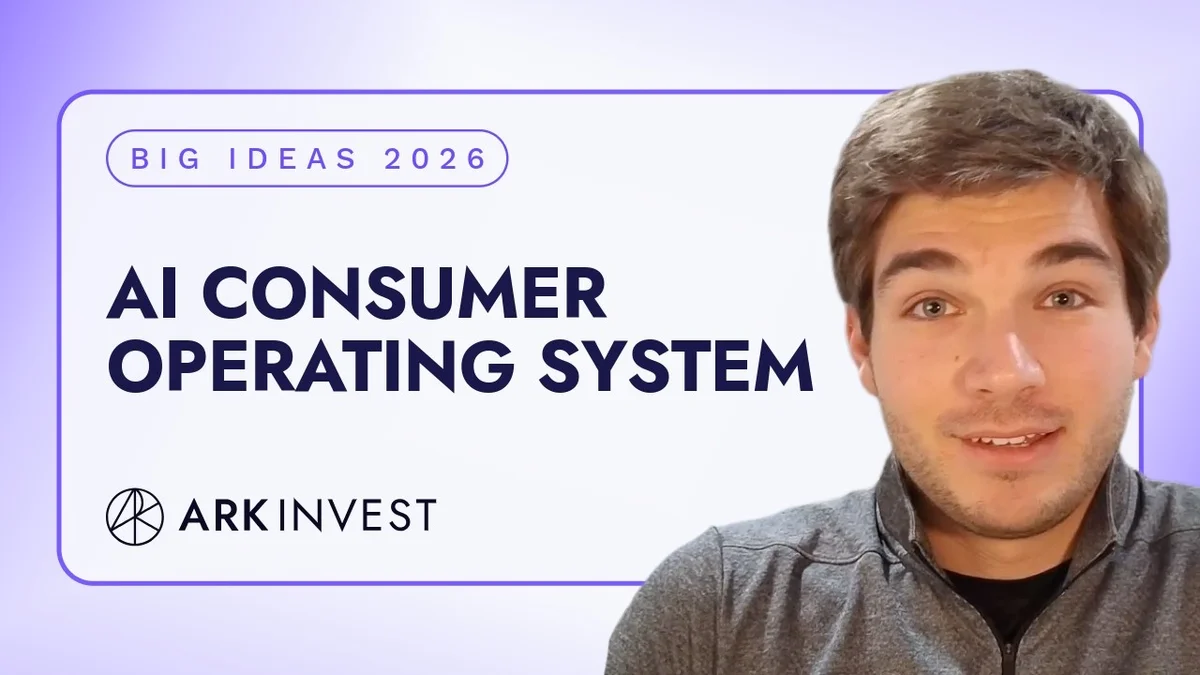
AI Agents Poised to Reshape E-commerce and Advertising
ARK's Nicholas Grus and Varshika Prasanna discuss the shift to an 'agentic era' in AI, transforming e-commerce and advertising with AI agents, and projecting significant revenue growth.

GitHub's Code Search Hits Memory Speed
GitHub engineers optimize code folding for search to over 45 GiB/s by removing branches and embracing full buffer processing.

Databricks Aims for Agentic Media Buying Scale
Databricks unveils an architecture for scalable agentic media buying, focusing on state, trust, and observability beyond just AI models.
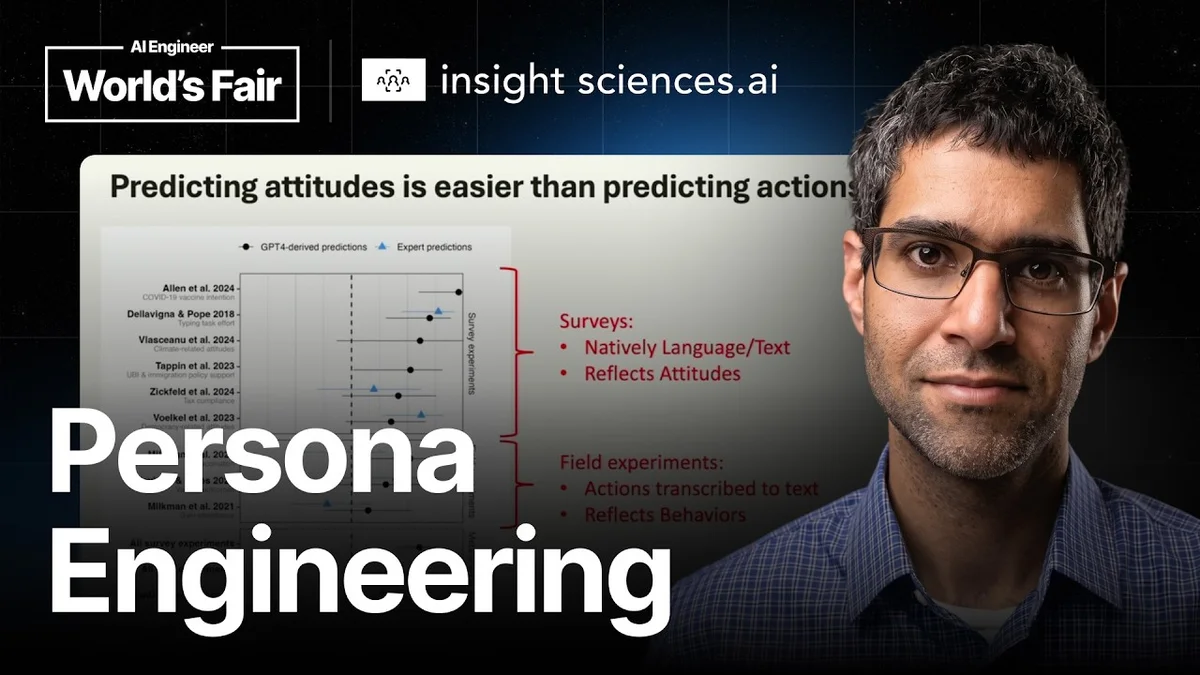
AI Synthetic Personas: Promise and Pitfalls
Ishan Anand of Insight Sciences explains the rise of AI synthetic personas, their potential, and critical failure modes, drawing parallels to weather forecasting.
OpenAI's Akshay Nathan on ChatGPT's 'Everything App' Vision
OpenAI's Akshay Nathan discusses the company's vision for ChatGPT as a 'super app,' the evolution of AI tools, and the democratization of powerful capabilities.

AI Literacy: A Crucial Skill Set
AI literacy combines functional, critical, and ethical skills, with a framework to guide education and responsible use.

Google AI Edge: Tiny LMs Powering Robotics & Devices
Google's Cormac Brick discusses the state-of-the-art in tiny AI models, their applications in robotics and edge devices, and the importance of fine-tuning for broad accessibility.

Cursor Router Slashes AI Costs for Devs
Cursor Router intelligently directs AI requests to the most cost-effective model, saving teams up to 60% on AI expenses without sacrificing performance.

HeyGen: HTML is the Key for AI Video Agents
James Russo of HeyGen argues that HTML is the ideal native language for AI agents to create high-quality videos, introducing the HyperFrames framework.

Snowflake Taps AI for Document Data
Snowflake's Cortex AI Functions now integrate document intelligence, transforming business documents into structured data for advanced search, automation, and analytics.

LLM Reliability: Control Flow Over Prompting
Ornella Bahidika and Joel Allou from Microsoft discuss 'harness engineering' for AI agents, advocating for code-driven control flow over LLM-driven decision-making to ensure reliability.
Dmitry Petrov: Bridging Agents and Physical Data
Dmitry Petrov of DataChain explains how specialized 'data harnesses' are crucial for enabling AI agents to effectively process unstructured physical data like videos and sensor logs.
Lyft's Nick Ung on Building Better AI Evals
Lyft's Nick Ung and Ashe discuss building effective AI agent evaluations, emphasizing realistic user simulation, actionable metrics, and statistical rigor.

Sina Shahandeh on Autonomous Agents for Scientific Tasks
Sina Shahandeh of Radicait discusses how to empower autonomous AI agents for scientific tasks by focusing on hypothesis generation and hierarchical problem decomposition.

Agents Need Receipts, Not More Tool Calls
Armanas Povilionis of Alithea Bio argues that AI agents need direct knowledge retrieval ('receipts') over excessive tool calls for greater efficiency.
Anthropic's Eugene Yan on LLMs Securing Source Code
Eugene Yan from Anthropic explains how LLMs are revolutionizing source code security through a six-step process, from threat modeling to patching.

Claude Code Adds Live Artifacts, Screen Reader Mode
Claude Code's latest update introduces 'artifact features' for live data interaction, alongside screen reader mode and enhanced sharing capabilities.

Kimi K2 Thinking: A Leap in Open-Source AI Agents
Moonshot AI unveils Kimi K2 Thinking, an open-source AI model excelling in complex reasoning and tool use, setting new benchmarks in coding and web browsing.

AI Agents Must Live Where Your Data Does
Enterprises are facing significant challenges with external AI agents, driving a shift towards 'data-native' approaches where AI workloads run within the data platform.
Together AI adds Inkling multimodal model
Together AI integrates Inkling, a new multimodal AI model from Thinking Machines Lab, offering text, image, and audio processing with controllable reasoning.

Yann LeCun's $1B World Model Bet Puts Him Against His Mentors
LeCun raised $1.03B for AMI Labs in March 2026, betting that Hinton and Bengio are wrong: LLMs cannot reach AGI, and JEPA world models are the real path forward.

Erik Meijer: Making AI Provably Safe with Type Systems
Leibniz Labs' Erik Meijer explains how type systems and compiler knowledge can make AI agents provably safe, addressing the risks of tool use and infinite loops.

Engram CEO on AI Memory & Context
Engram CEO Dan Biderman discusses the AI memory problem and the company's approach to building AI that truly understands organizational knowledge.
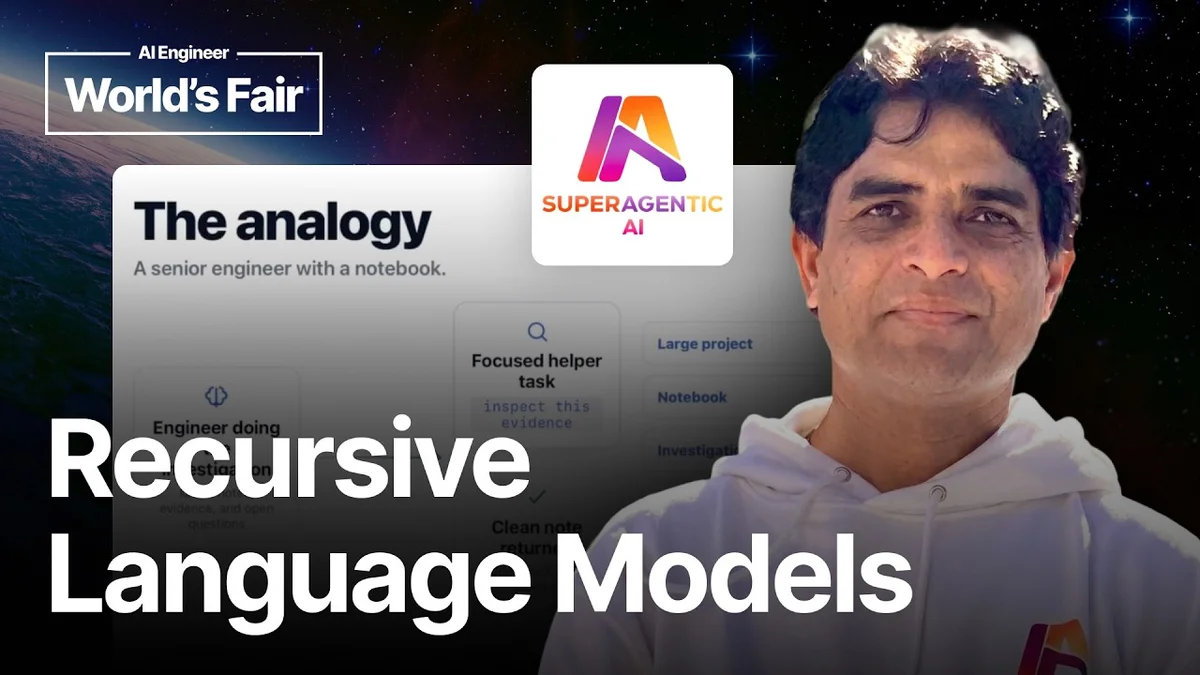
RLM Models: A New Approach to Large Codebases
Shashi Jagtap of Superagentic AI explores Recursive Language Models (RLMs) and their application for coding agents tackling large codebases, showcasing their RLM Code implementation.
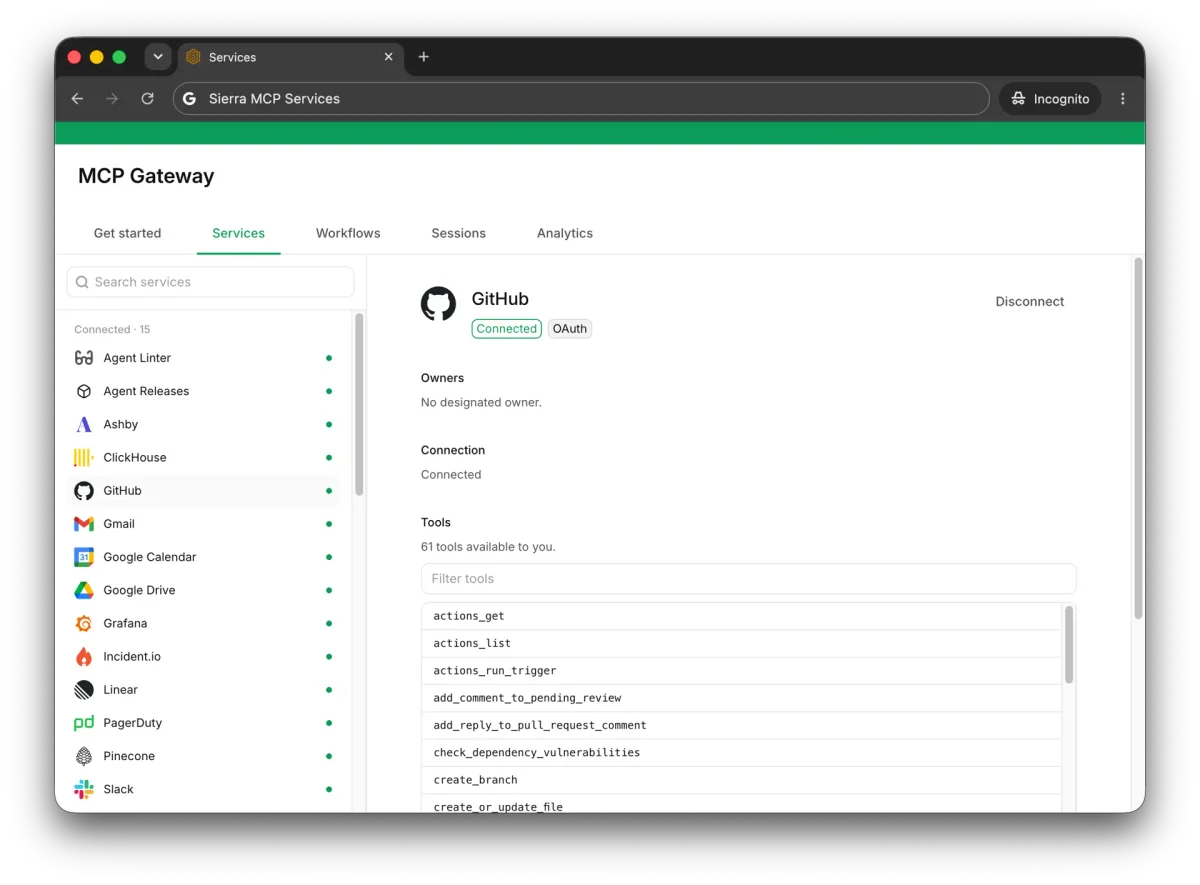
Sierra's AI Agents Boost Productivity
Sierra's AI agent, Pinecone, is revolutionizing business productivity by consolidating workflows, maintaining context, and leveraging business-specific data.

Copilot Code Review: Better Tools, Worse Results?
GitHub's attempt to improve Copilot code review with better tools backfired until agent workflows were redesigned to mirror human review processes, cutting costs by 20%.

CARLA-GS: Unified Corner-Case Synthesis
CARLA-GS offers a unified, modular pipeline for synthesizing photorealistic and physically consistent corner cases in autonomous driving simulation.
Databricks Benchmarks AI Coding Tools
Databricks benchmarks AI coding agents on its multi-million line codebase, finding open-source models competitive and token price an unreliable cost indicator.

Together AI Offers Predictable Inference
Together AI introduces Provisioned Throughput, offering reserved inference capacity for open models with token-based pricing and a 99% uptime SLA.

Aditya Bhargava: Harnesses Matter More Than LLM Models
Aditya Bhargava from Etsy discusses how AI harnesses, not just models, are key to building capable and safe agents, showcasing the Agency framework.
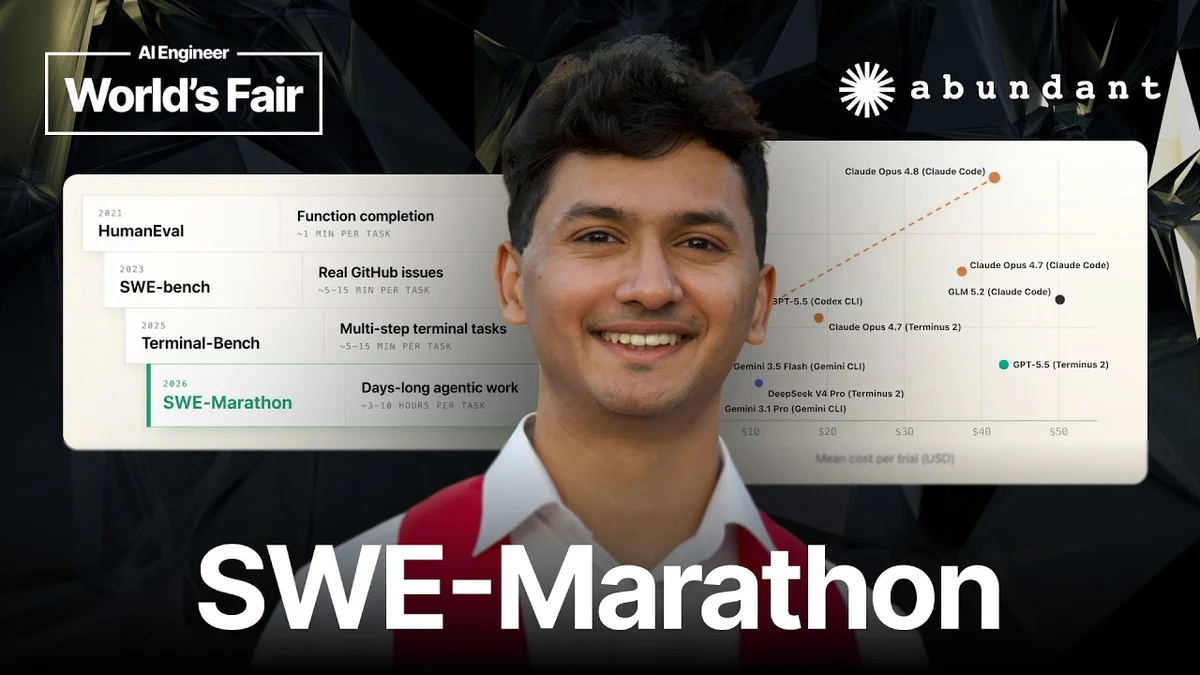
SWE-Marathon: Evaluating AI Coding Agents at Scale
Rishi Desai from Abundant AI introduces SWE-Marathon, a benchmark evaluating AI coding agents on billion-token scale tasks, revealing current limitations and the need for robust verification.

Soheil Feizi on Continual Learning for AI Agents
Soheil Feizi of RELAI explains the challenges and principles behind continual learning for AI agents, focusing on replayable, holistic, lifelong, and efficient improvements.

Together AI lands $800M Series C
Together AI secures $800M Series C to accelerate open-source AI development, promising lower costs and higher performance for production workloads.
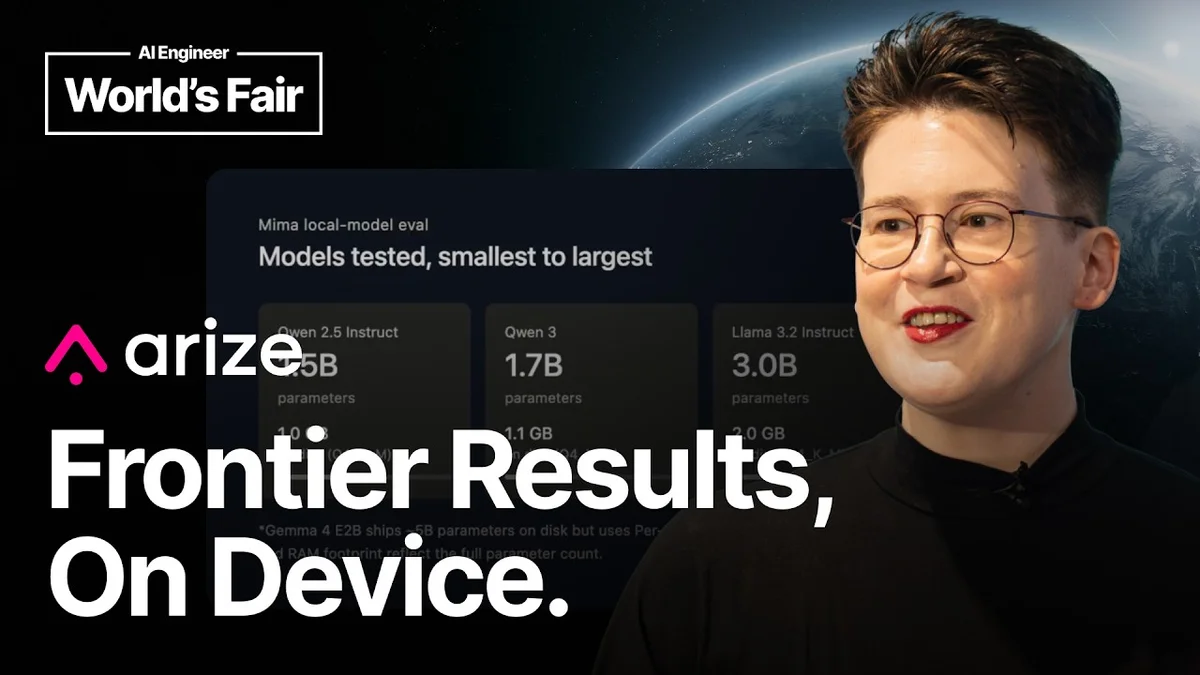
Rachel Nabors: Local AI Models for Frontier Results
Rachel Nabors advocates for using smaller, on-device AI models, showcasing their efficiency, cost savings, and performance benefits over large frontier models.
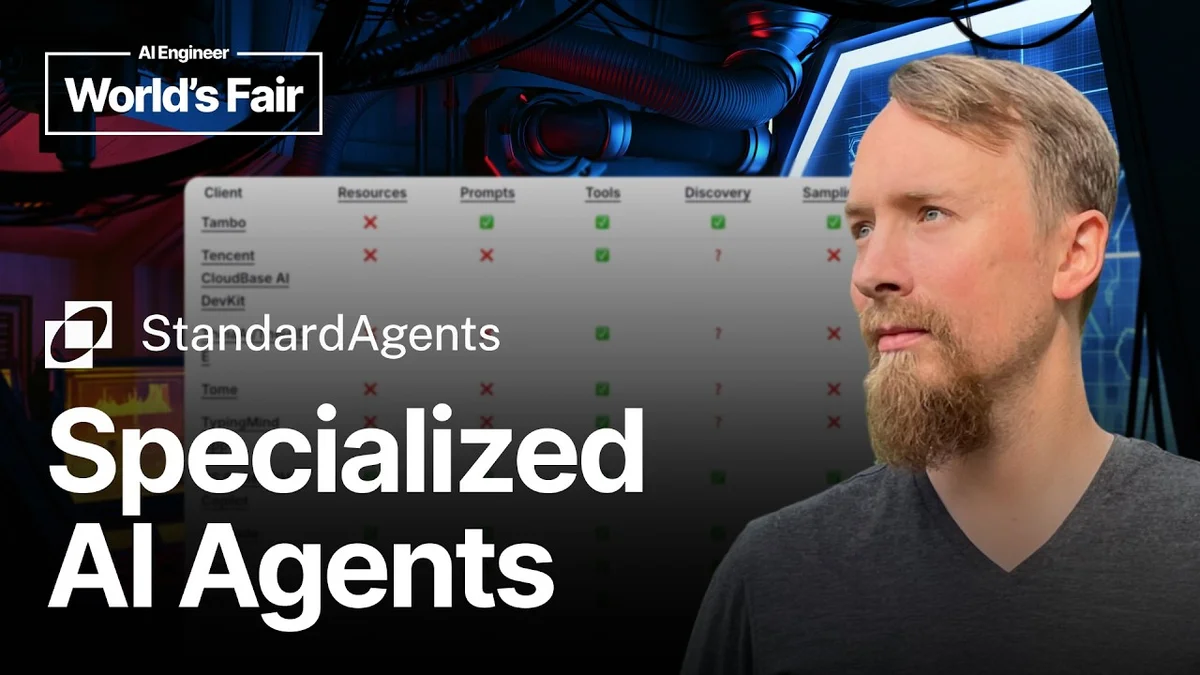
Domain-Specific Agents: The Future of AI?
Justin Schroeder of StandardAgents argues that the future of AI lies in domain-specific agents, which offer greater efficiency and controllability than general-purpose models.


