


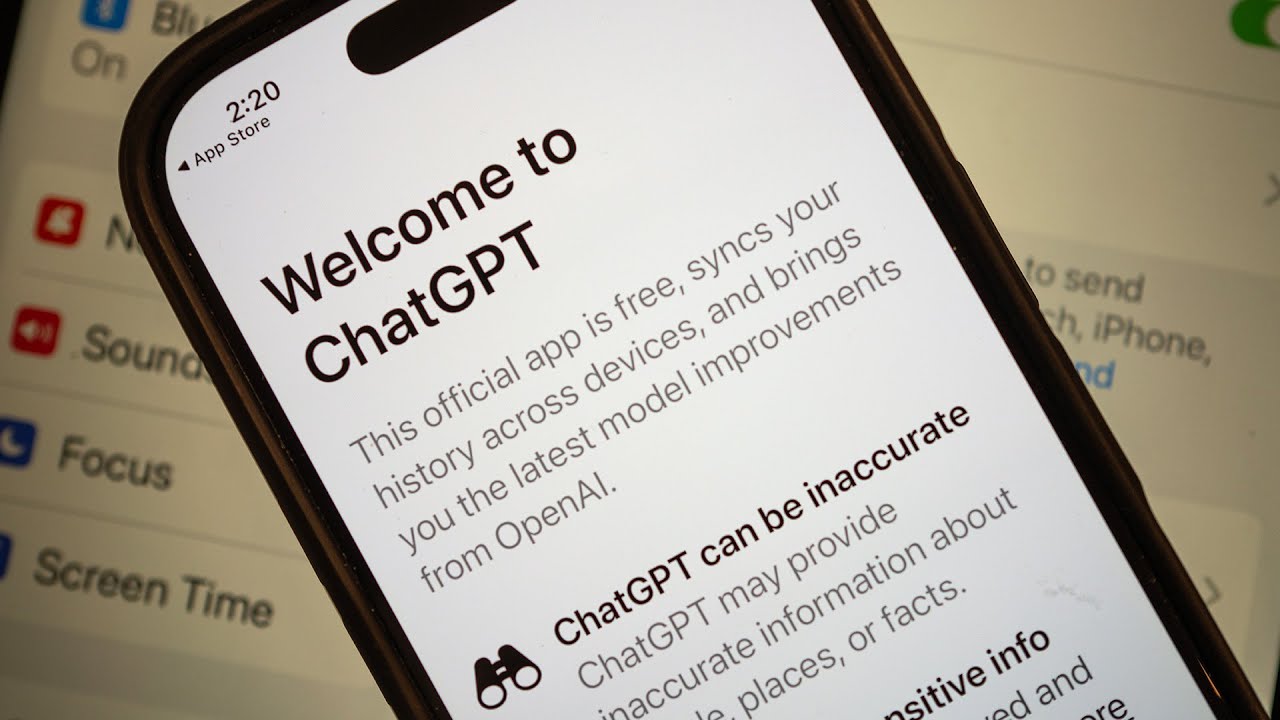
In a recent appearance on Bloomberg's "This Weekend," Shona Ghosh, Senior Technology Editor at Bloomberg News, articulated a growing sentiment in the tech world: the era of AI FOMO is upon us. Ghosh contends that the relentless pace of AI development is creating a constant pressure to stay updated and integrate new tools, potentially leading to a feeling of being left behind.
Shona Ghosh: A Voice in Tech Journalism
Shona Ghosh is a respected journalist specializing in technology for Bloomberg News. Her role as Senior Technology Editor places her at the forefront of reporting on the most significant trends and developments shaping the industry. Ghosh's work often delves into the practical implications of new technologies for businesses and individuals alike. Her perspective is valuable for understanding the current discourse surrounding artificial intelligence.
The Accelerating Pace of AI Development
Ghosh highlighted the stark contrast between the current AI revolution and previous technological shifts. She noted that, following the release of models like ChatGPT, the pace of AI innovation has dramatically accelerated. While past technologies, such as smartphones, saw more gradual adoption and iteration, AI models are being released and updated with remarkable frequency. "It feels like the tech is developing exponentially quicker," Ghosh stated, contrasting this with the annual or biannual updates common in the smartphone era. This rapid evolution means that keeping pace requires continuous attention, fostering a sense of urgency and the potential for individuals to feel they are falling behind if they do not actively engage with the latest advancements.
The full discussion can be found on Bloomberg Podcast's YouTube channel.
The "Single Screen of Constant Admin"
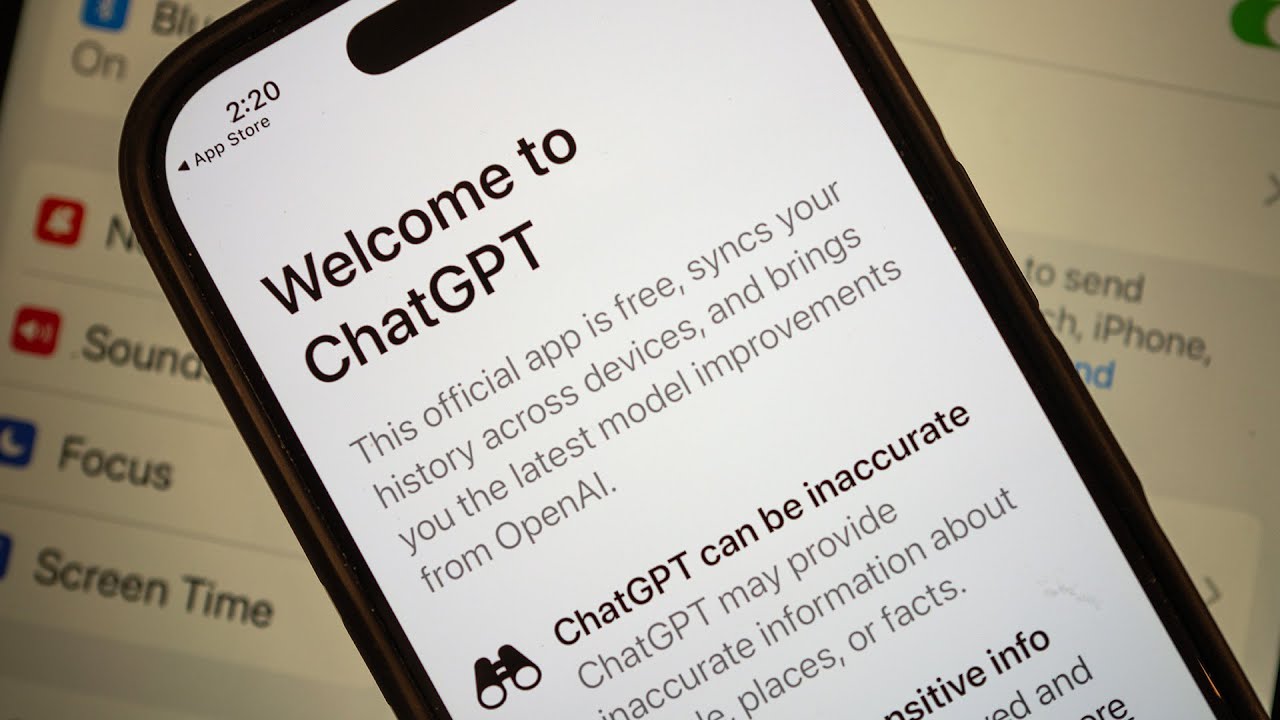
Drawing a parallel to the smartphone era, Ghosh argued that digital technology's creep into our lives has not necessarily freed us for higher pursuits. Instead, she observed, these technologies have often resulted in a "single screen of constant admin." The idea is that instead of simplifying tasks, digital devices have become central hubs for managing every aspect of life, from scheduling and communication to personal organization. This constant stream of digital management can be overwhelming and may not lead to the promised increase in free time or artistic expression. Ghosh suggested that AI could similarly transform our lives into a state of perpetual "AI admin," where we spend more time managing the AI tools themselves than reaping their intended benefits.