


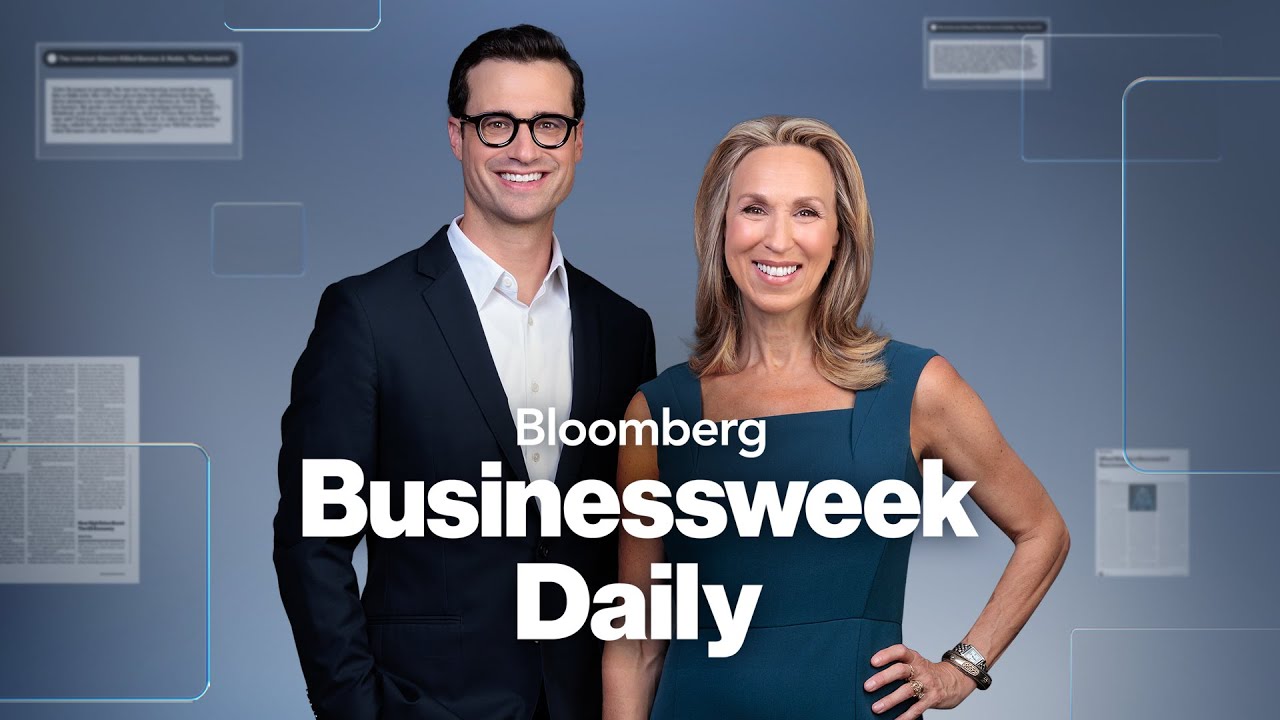
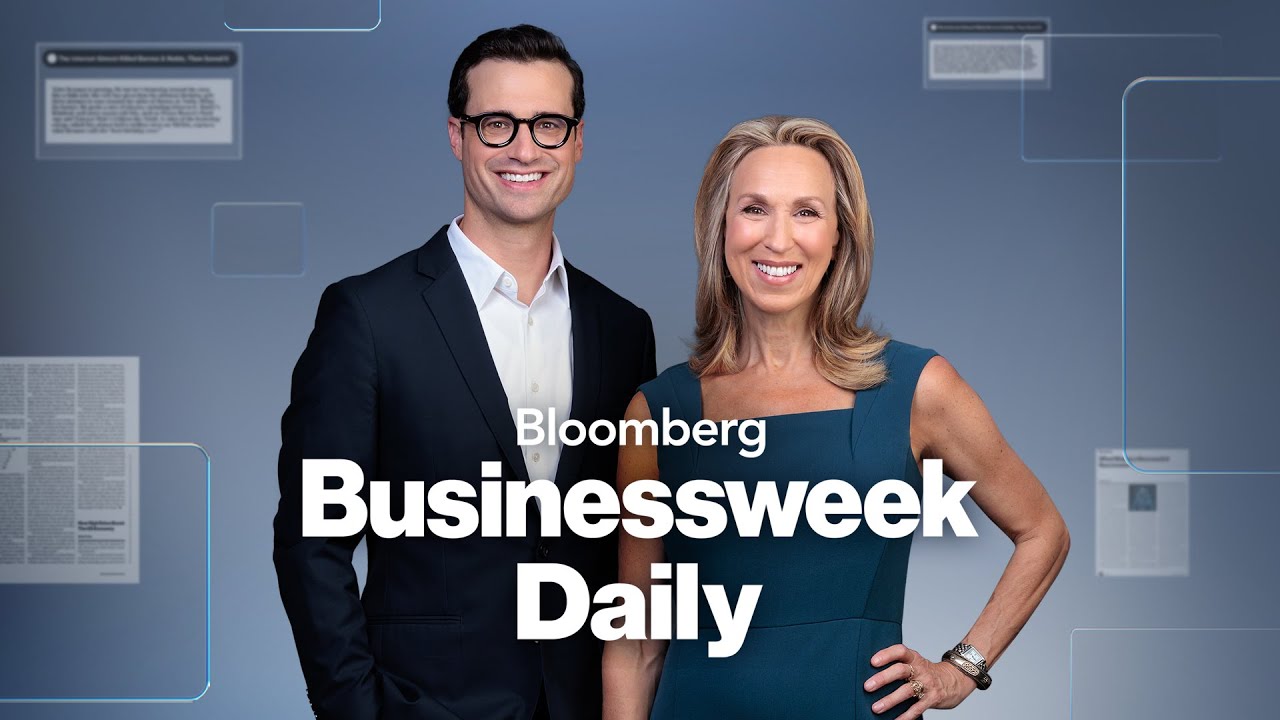
In a recent Bloomberg Businessweek Daily segment, hosts Carol Massar and Tim Stenovec discussed the complex interplay of global events and their impact on financial markets. The conversation offered insights into current market volatility, the resilience of the US economy, and the critical decisions facing central banks.
Key Market Indicators and Geopolitical Influences
The market's current state is characterized by a cautious optimism, tempered by ongoing geopolitical tensions and the persistent specter of inflation. Massar and Stenovec highlighted how investors are navigating a landscape where conflicting signals from economic data are creating uncertainty. The resilience of the US economy, particularly in its labor market and consumer spending, is a key factor supporting market sentiment, despite broader global economic slowdowns.
Federal Reserve's Role in Market Stability
A significant portion of the discussion revolved around the Federal Reserve's monetary policy and its anticipated actions. The hosts emphasized that investors are keenly observing the Fed's approach to interest rates, as these decisions will significantly influence borrowing costs, corporate investment, and overall market liquidity. The delicate balancing act the Fed faces, taming inflation without triggering a recession, remains a central theme for market participants.
The full discussion can be found on Bloomberg Podcast's YouTube channel.
Sectoral Performance and Investment Trends
The conversation also touched upon the varied performance across different market sectors. While some sectors, particularly those tied to consumer discretionary spending, are showing signs of strain, others, such as technology and healthcare, continue to demonstrate robust growth. The hosts noted a growing investor interest in companies with strong balance sheets, innovative products, and clear pathways to profitability, signaling a potential shift towards more defensive investment strategies amidst the prevailing uncertainty.