


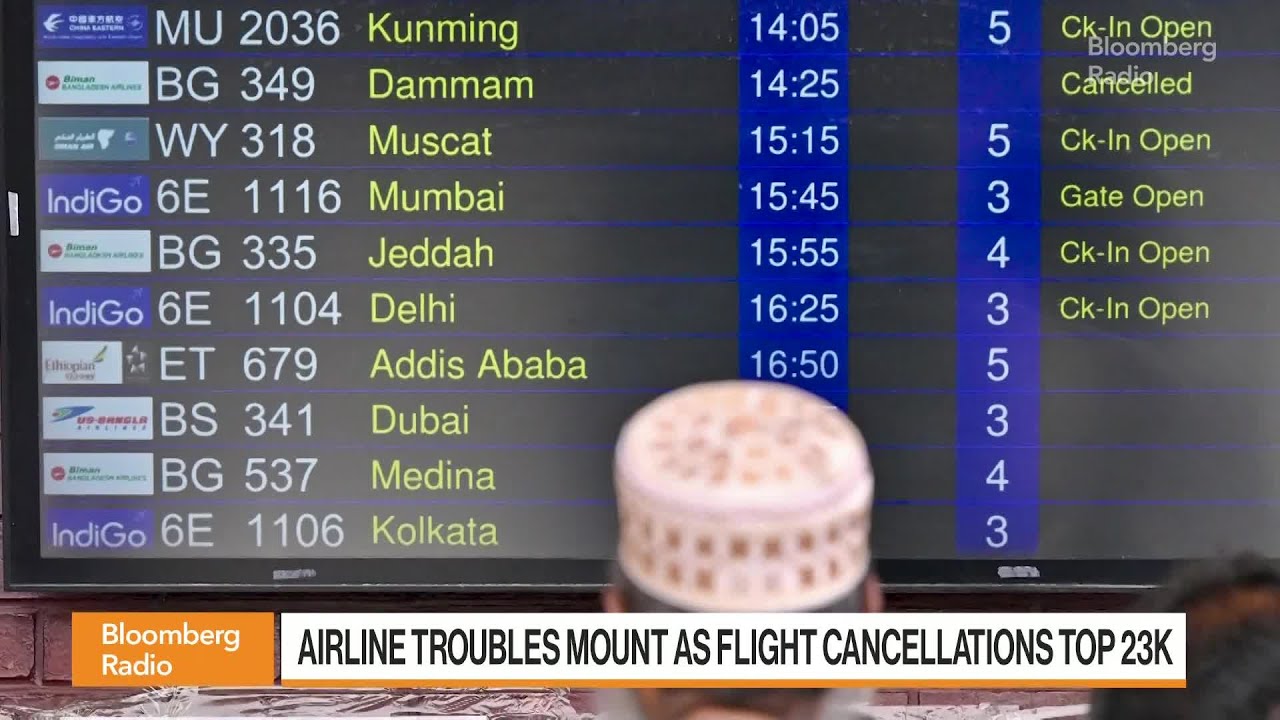
Benedikt Kämmer, Global Aviation Editor for Bloomberg News, provides an insightful analysis of the mounting airline troubles, with flight cancellations exceeding 23,000. The conversation highlights the significant impact of geopolitical events and rising operational costs on global air travel, affecting both airlines and passengers.
Benedikt Kämmer's Expertise
Benedikt Kämmer is a respected voice in the aviation industry, bringing a wealth of knowledge as the Global Aviation Editor for Bloomberg News. His role involves tracking and reporting on the complex dynamics of the airline sector, from financial performance and operational challenges to global trends and regulatory changes. Kämmer's analysis is crucial for understanding the forces shaping the future of air travel.
The Scale of Flight Disruptions
The conversation opens with the stark statistic that over 23,000 flights have been canceled. Kämmer emphasizes that this is not an isolated incident but a persistent issue that began on a Saturday and has continued to affect regular airline service. The impact is widespread, with many carriers experiencing significant disruptions to their schedules. Kämmer notes that the situation is particularly acute for the 'big three' Middle Eastern airlines, Emirates, Qatar Airways, and Etihad Airways, which operate as major international hubs.
The full discussion can be found on Bloomberg Podcast's YouTube channel.
Geopolitical Impact on Aviation
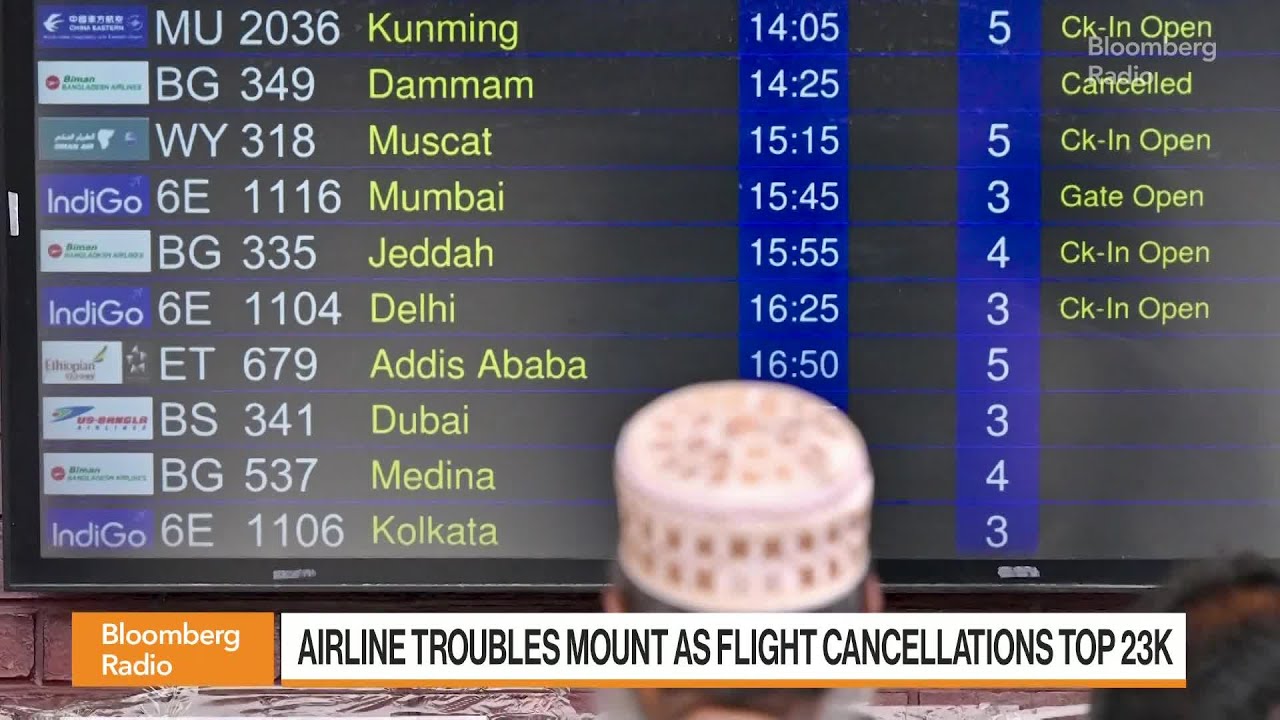
A significant portion of the discussion revolves around the role of geopolitical conflicts in exacerbating flight cancellations. Kämmer points out that the current conflict situation has led to many airlines not being able to operate their normal service, forcing them to suspend routes or reroute flights. This has resulted in the widespread use of charter aircraft for repatriation efforts, as governments attempt to extract their citizens from affected regions. Kämmer predicts that the number of cancellations could rise further, potentially reaching 30,000 in the coming days. He highlights that these disruptions are impacting travel to and from conflict-prone areas, such as those in the Middle East, leading to a squeeze on available capacity.