Visual TL;DR
Biology is complexDriver
traditional drug discovery is slow, expensive, and often fails to find new medicines
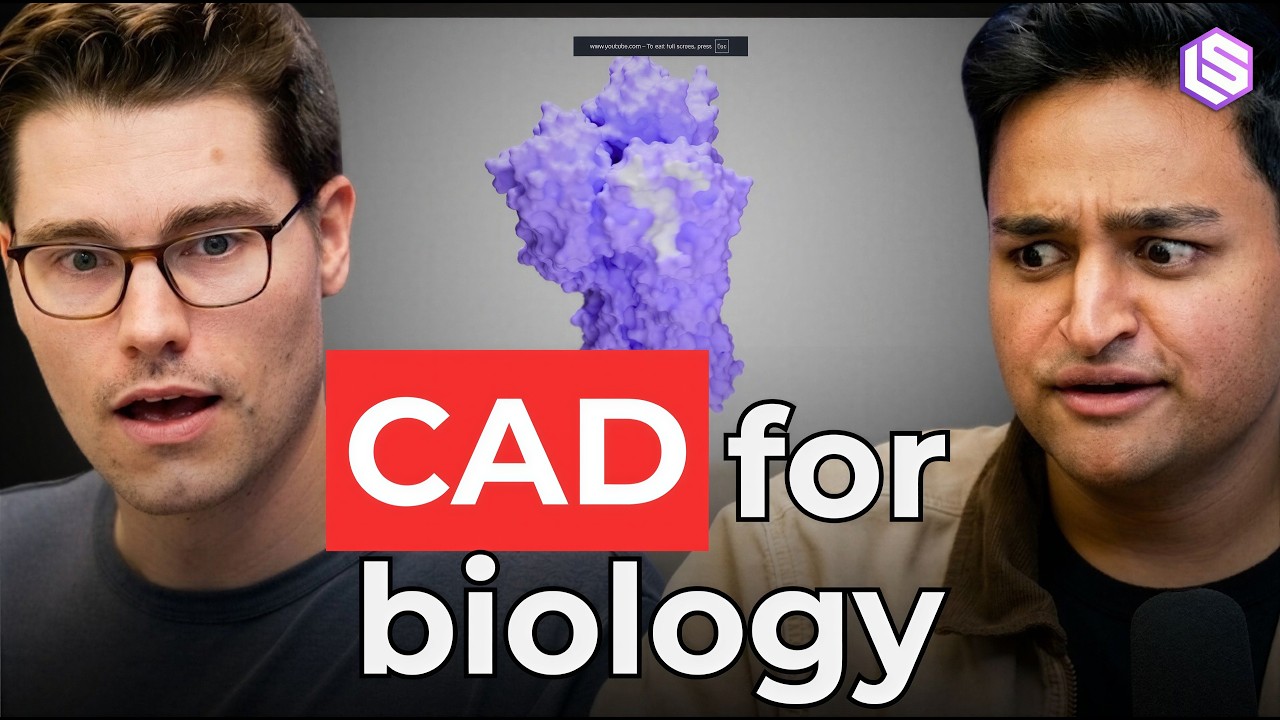
From the article 5 mentionsCo-founders Matt McPartland and Neil Patil recently joined the Latent Space podcast to discuss their ambitious mission, detailing how their AI models are transforming biology into a more agile, software-like process.
AI Protein DesignCore
Chai Discovery applies AI to design proteins, making biology feel like software development
From the article 8 mentionsThe protein design startup, just two and a half years old, is fundamentally changing how new medicines are conceived and developed.
Software-like BiologyContext
From the article 2 mentionsCo-founders Matt McPartland and Neil Patil recently joined the Latent Space podcast to discuss their ambitious mission, detailing how their AI models are transforming biology into a more agile, software-like process.
Photoshop for MoleculesCore
a 'Photoshop-esque' design suite for creating and manipulating new protein structures
From the article 2 mentionsThis precision allows for targeted therapies, such as Antibody-Drug Conjugates (ADCs), where a toxic molecule is delivered directly to cancer cells.
Revolutionize Drug DiscoveryEffect
fundamentally changing how new medicines are conceived and developed with AI
From the article 4 mentionsChai's core thesis is to act as the software and modeling layer for drug discovery, a strategy that was once controversial but is now proving its value.
Faster Drug DevelopmentOutcome
accelerating the creation of novel antibodies and other therapeutic proteins
From the articleHowever, Patil highlighted how AI is changing this: "If you start to get in a regime where you can have models give you really promising candidates, you can start to make that look a lot more like a loop." He likened this shift to becoming "more agile in software development," enabling faster iteration and discovery.
New MedicinesOutcome
enabling the discovery and development of previously unattainable therapeutic solutions
From the article 3 mentionsBy building robust models and user-friendly platforms, they aim to unlock new frontiers in medicine and beyond, making complex biological challenges more tractable and driving the future of AI for science.