

AI to Play 'Significant' Role in Diabetes Tech

Goldman Sachs analyst David Roman discusses how AI is revolutionizing diabetes management technology, from continuous glucose monitoring to insulin delivery systems.

5 min read
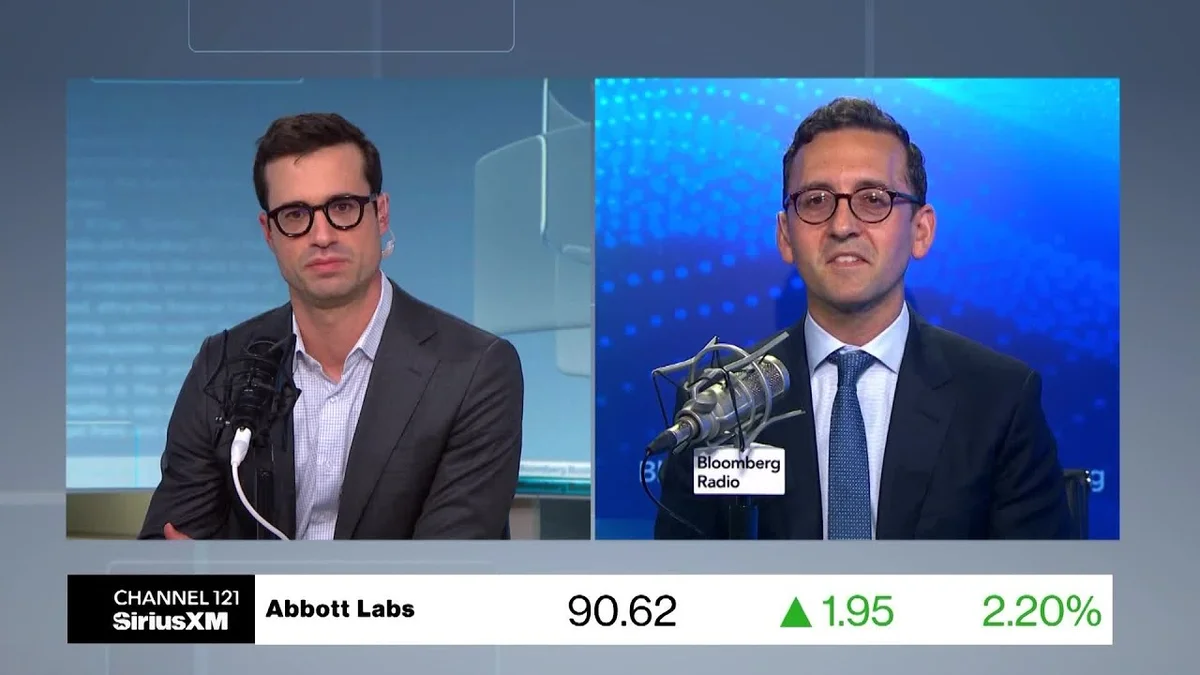
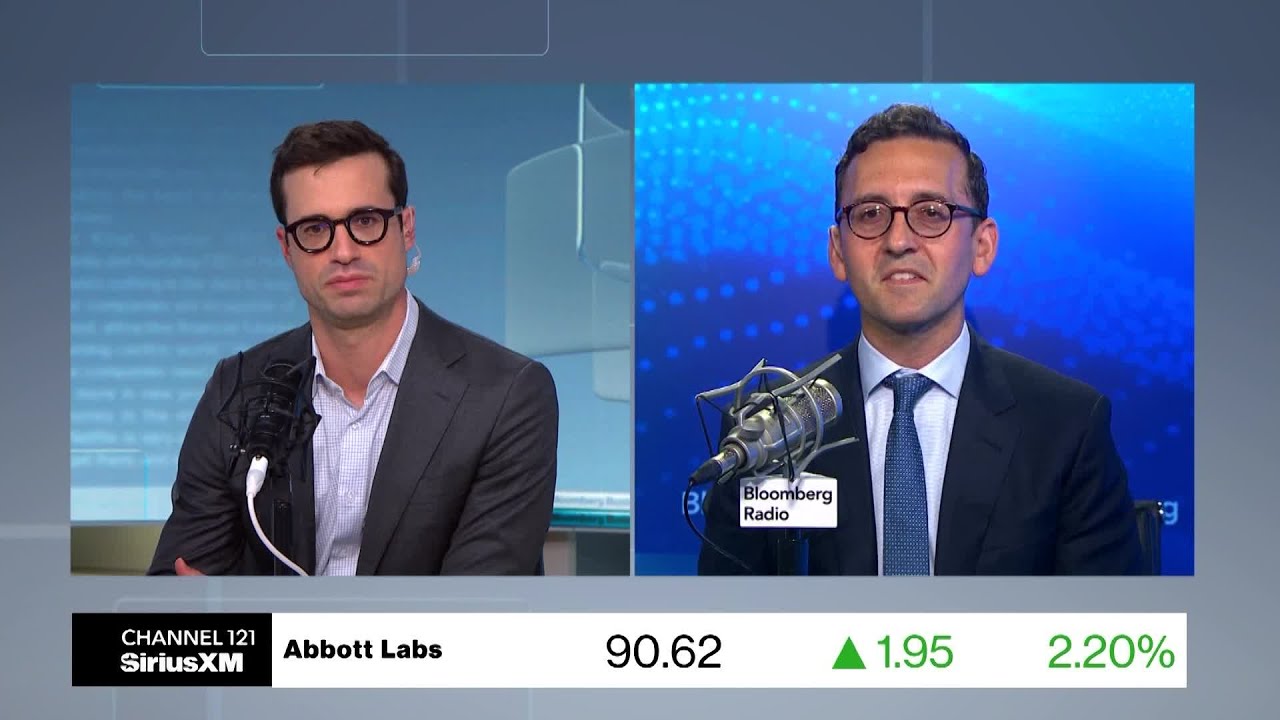
David Roman, Goldman Sachs US MedTech & Healthcare IT Analyst, speaking on Bloomberg.
Bloomberg Podcast
Visual TL;DR
AI Revolutionizing DiabetesCore
From the article 6 mentionsDavid Roman, a US MedTech & Healthcare IT Analyst at Goldman Sachs, believes artificial intelligence is poised to play a significant role in the technological advancements for diabetes management.
MedTech InnovationDriver
AI driving advancements in healthcare technology for diabetes
From the article 3 mentionsRoman pointed out that the healthcare industry is undergoing a significant transformation, with AI at the forefront of driving innovation.
CGM & Insulin PumpsContext
AI integrated into glucose monitoring and insulin delivery systems
From the article 2 mentionsFurthermore, AI is being integrated into insulin pumps and delivery systems.
Enhanced ManagementEffect
AI applications improving diabetes care for patients and providers
From the article 5 mentionsThe analyst detailed how AI can be applied to enhance the management of diabetes.
Sophisticated ToolsEffect
Providing more advanced technologies for diabetes management
From the article 2 mentionsThis integration aims to provide more sophisticated tools for both patients and healthcare providers.
Market GrowthOutcome
Anticipated trends and future outlook for AI in diabetes tech
From the articleHe noted that the market for AI in healthcare is growing rapidly, with a particular focus on chronic disease management.
Contents(4)

David Roman, a US MedTech & Healthcare IT Analyst at Goldman Sachs, believes artificial intelligence is poised to play a significant role in the technological advancements for diabetes management. Speaking on Bloomberg Businessweek Daily, Roman highlighted how AI is being integrated into various aspects of healthcare technology, particularly in managing chronic conditions like diabetes.

MedTech Innovation Driven by AI

Roman pointed out that the healthcare industry is undergoing a significant transformation, with AI at the forefront of driving innovation. He noted that companies are actively working on incorporating AI into technologies that directly impact diabetes care, such as continuous glucose monitoring (CGM) systems and insulin delivery devices. This integration aims to provide more sophisticated tools for both patients and healthcare providers.

AI in Diabetes Management: Key Applications

The analyst detailed how AI can be applied to enhance the management of diabetes. One key area is the analysis of data from CGM devices. Roman mentioned companies like Dexcom Inc., a leader in CGM technology, which is utilizing AI to interpret the vast amounts of data generated by its devices. This data can provide real-time insights into glucose levels, trends, and potential risks, allowing for more proactive management of the condition.

The full discussion can be found on Bloomberg Podcast's YouTube channel.

AI Can Play 'Significant' Role in Tech for Managing Diabetes, Says David Roman - Bloomberg Podcast
AI Can Play 'Significant' Role in Tech for Managing Diabetes, Says David Roman, from Bloomberg Podcast

Furthermore, AI is being integrated into insulin pumps and delivery systems. These AI-powered systems can learn a patient's individual patterns and adjust insulin delivery automatically, mimicking the function of a healthy pancreas. This closed-loop system approach aims to improve glycemic control, reduce the burden on patients, and minimize the risk of complications associated with diabetes.

Impact on Healthcare Professionals and Patients

Roman emphasized that AI's potential extends to supporting healthcare professionals. By analyzing patient data, AI tools can help physicians identify individuals who may be at higher risk of certain complications or who might benefit from specific interventions. This predictive capability allows for more personalized and timely medical care. For patients, AI-driven insights can empower them to make better decisions about their diet, exercise, and medication, leading to improved health outcomes.

He cited the example of a patient using a CGM app who can now see how their glucose levels are affected by different foods and activities. This granular data, processed by AI, provides actionable information that can lead to significant lifestyle adjustments. Roman also touched upon the potential for AI to assist in the development of new diabetes treatments and therapies, accelerating research and improving the efficiency of clinical trials.

The analyst's insights suggest a strong upward trend in the adoption of AI within the MedTech sector. He noted that the market for AI in healthcare is growing rapidly, with a particular focus on chronic disease management. Companies that successfully integrate AI into their products are likely to gain a competitive advantage.

Roman also acknowledged the challenges, such as regulatory approvals for AI-driven medical devices. However, he expressed optimism about the future, citing the significant progress made in developing and deploying these technologies. The potential benefits for patients, including improved disease management and quality of life, are substantial.

The conversation also touched upon other companies in the healthcare space, such as Abbott Laboratories, which is also investing in AI for its health monitoring devices. Roman highlighted that the ability of these technologies to collect and analyze data efficiently is crucial for providing personalized healthcare.

© 2026 StartupHub.ai. All rights reserved. Do not enter, scrape, copy, reproduce, or republish this article in whole or in part. Use as input to AI training, fine-tuning, retrieval-augmented generation, or any machine-learning system is prohibited without written license. Substantially-similar derivative works will be pursued to the fullest extent of applicable copyright, database, and computer-misuse laws. See our terms.