Circleback's founders told EO an eight-person team now carries over $1 million in ARR per employee. They count more than 11,000 paying customers and 350 YC companies, the founders said.
That is $8 million on eight heads.
One co-founder, the former Twitter and Stripe engineer, said the product started as a Stripe hackathon built on GPT-3. The team first chased a searchable knowledge base for meetings, then cut to notes that paid on day one. He told EO they almost ran out of money on U.S. work visas while paying themselves the minimum, weighed a move back to Canada, then entered Y Combinator's Winter 24 batch.
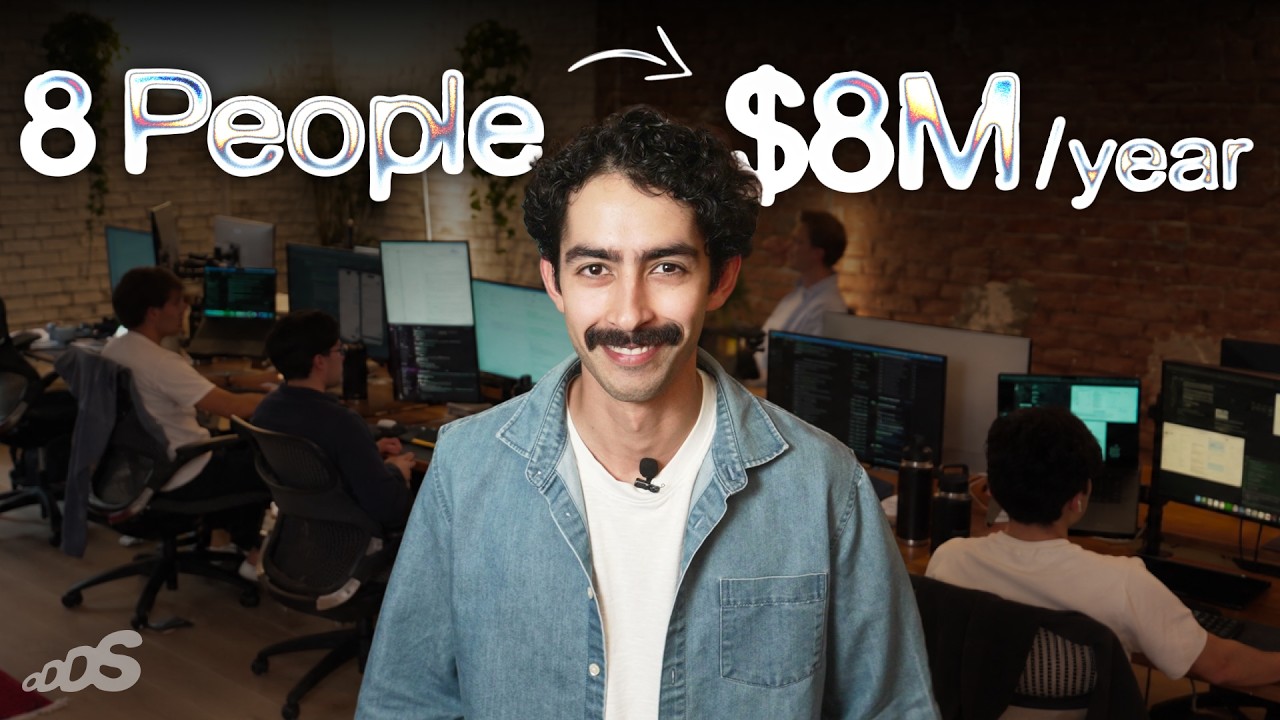
A 19-year-old engineer on the team described a windowless room and a different pace from the 12-hour growth stereotype. Engineers there put AI use at 99% to 100%, with agents drafting work until it arrives as a pull request. One engineer said 99% of code is not written by him, yet humans still own architecture, performance and the thousand small product calls.
Growth came from shared notes, the founders said, with one user spreading Circleback inside a company and then across companies. A mention at a commercial real estate conference sparked two months of demo requests in Japan. Against that loop, Reline's 2026 roundup lists a free tier of 10 AI notes a month for meetings up to 30 minutes and Pro at 39 euros a month billed yearly, with SOC 2 Type II still pending. Product Hunt's notetaker list places Circleback beside Invisible, a privacy-first AI note taker, and ContentRadar, a reminder that low friction recording is now the table stakes.
The team declined dedicated hardware. One founder told EO a watch app proves phones already record well enough without another device to charge. Customers now say they feel anxious entering meetings without it, which the team reads as trust. Who owns that shared memory once notes move between employers?