

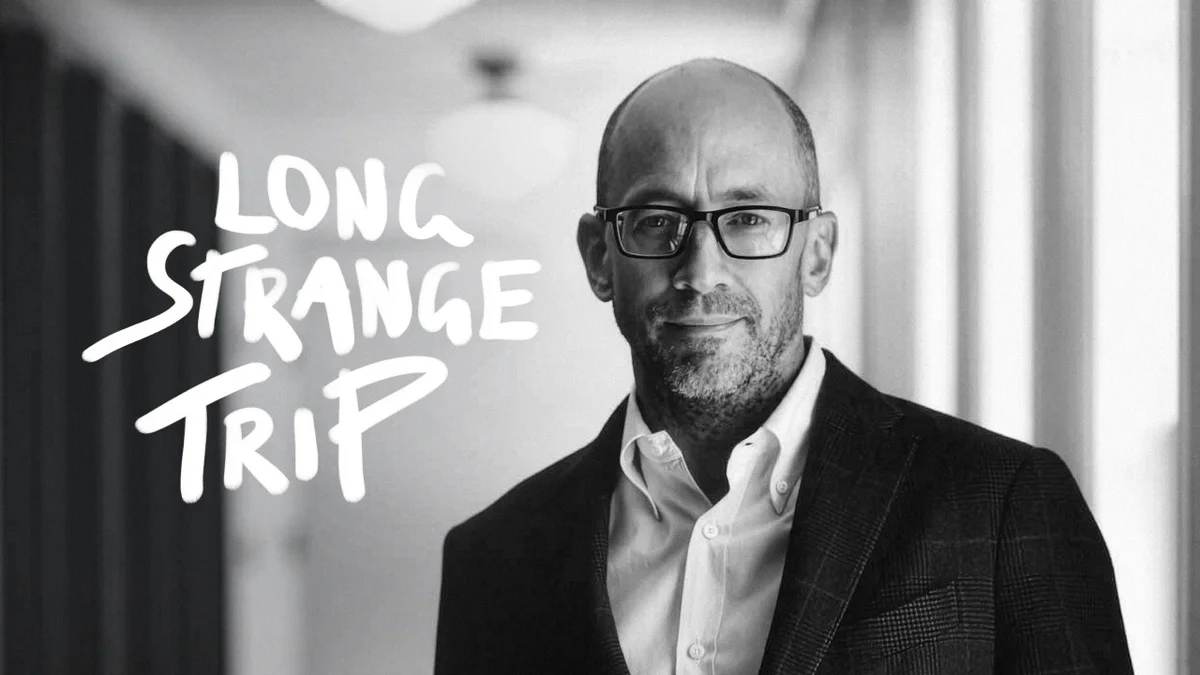
Former Twitter CEO Dick Costolo, in a candid conversation on the "Long Strange Trip" podcast, offered a deep dive into the tumultuous yet formative years of the social media giant. As a former COO and later CEO, Costolo navigated Twitter through a period of hyper-growth, punctuated by internal challenges and a constantly evolving digital landscape. He shared valuable lessons learned about leadership, communication, and operational efficiency that remain relevant for startups and established tech companies alike.
Navigating Hyper-Growth and Dysfunction
Costolo characterized Twitter during his tenure as a company that was, "famously dysfunctional and chaotic." He took the helm at a pivotal time, following the company's rapid ascent and the departure of previous leaders. His initial mandate was to provide stability, but he quickly realized that more fundamental changes were needed to harness the company's potential.
A key challenge Costolo identified was the sheer speed and scale of growth. "Companies seem to slow down as they are in hyper-growth," he observed, noting that this often happens because "barnacles build up on your organization." These 'barnacles' manifest as layers of management and processes that hinder agility. To combat this, Costolo championed a philosophy of increasing the 'velocity of decisions and execution'.
The Power of 'Bias to Yes'
One of Costolo's most impactful leadership principles was the implementation of a 'bias to yes.' He explained that in a rapidly growing company, it's crucial to empower teams to act and innovate. "You can't punish people for making mistakes," he stated, emphasizing that it's leadership's role to "correct mistakes quickly when they happen." This meant that individual contributors and teams were encouraged to experiment and make decisions, with the understanding that they could iterate and learn. He contrasted this with environments where multiple layers of approval, often from different departments like security or legal, could stifle progress and lead to stagnation. Costolo's approach aimed to streamline decision-making by ensuring that only the direct manager or legal counsel could veto an idea, thereby fostering a more proactive and agile culture.
The Importance of Communication and Focus
Costolo also stressed the critical role of clear and consistent communication in managing a large organization. He recalled teaching a management class based on Ben Horowitz's principles, where a key takeaway was to ensure that "everybody understands what you understand." This means clearly articulating company priorities, explaining how individual roles contribute to those goals, and ensuring that everyone understands the 'why' behind the work. He admitted that in his early days, he sometimes failed to adequately communicate context, leading to confusion or misaligned efforts. The ability to convey the purpose and impact of work is vital for maintaining team alignment and motivation, especially when dealing with complex or long-term projects.