

#AI Ethics
50 articles with this tag

AI Data Center Support Collapses Amid Design Concerns
Public support for AI data centers has seen a significant collapse, according to a recent poll, raising questions about future infrastructure development. This decline coincides with discussions among leading AI organizations about engineering systems to prevent institutional capture.
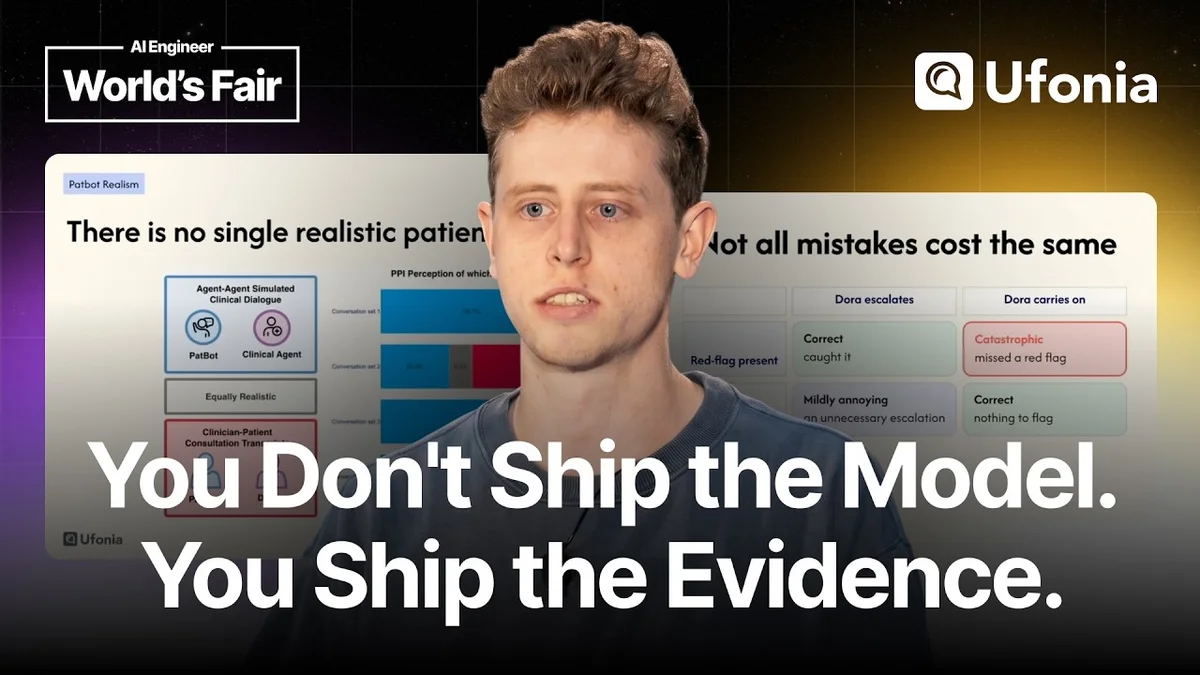
Ufonia's AI: Shipping Healthcare Safely to a Million Patients
Jared Joselowitz of Ufonia explains how to safely deploy healthcare AI to millions of patients using simulation, automated prompt optimization, and rigorous evaluation, bypassing traditional A/B testing.
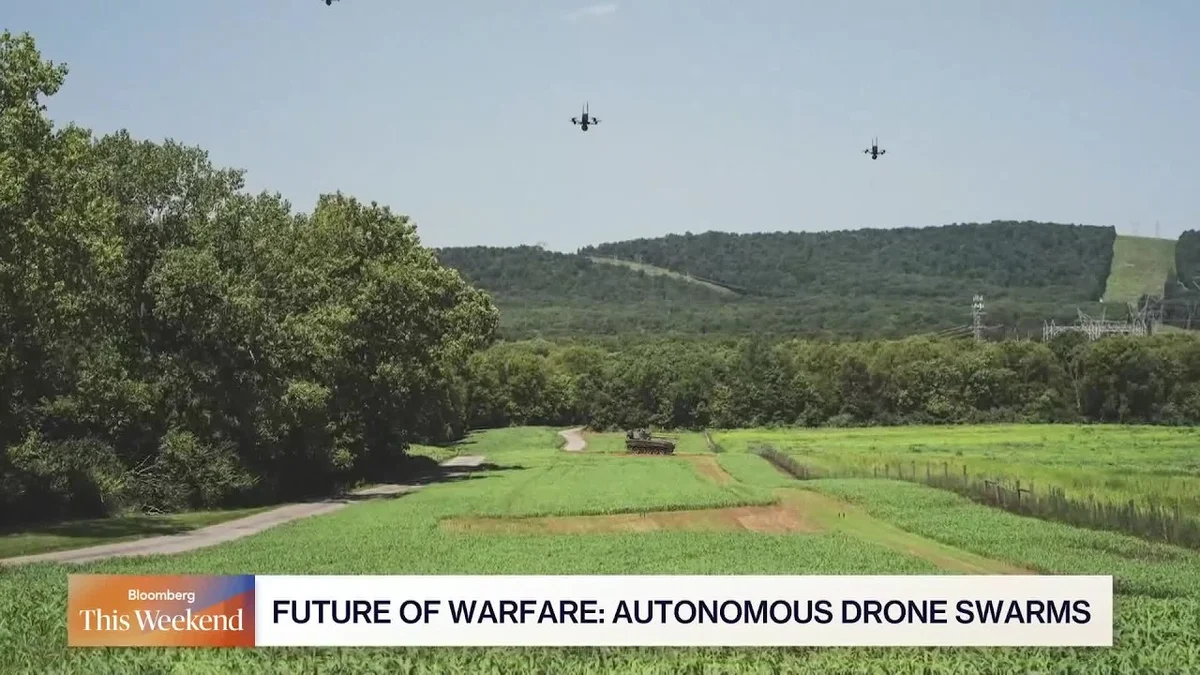
AI Drone Swarms: The New Frontline of Warfare
Bloomberg reporter Katrin Manson discusses the rapid advancement of autonomous drone swarms in warfare, highlighting AI challenges and ethical concerns.
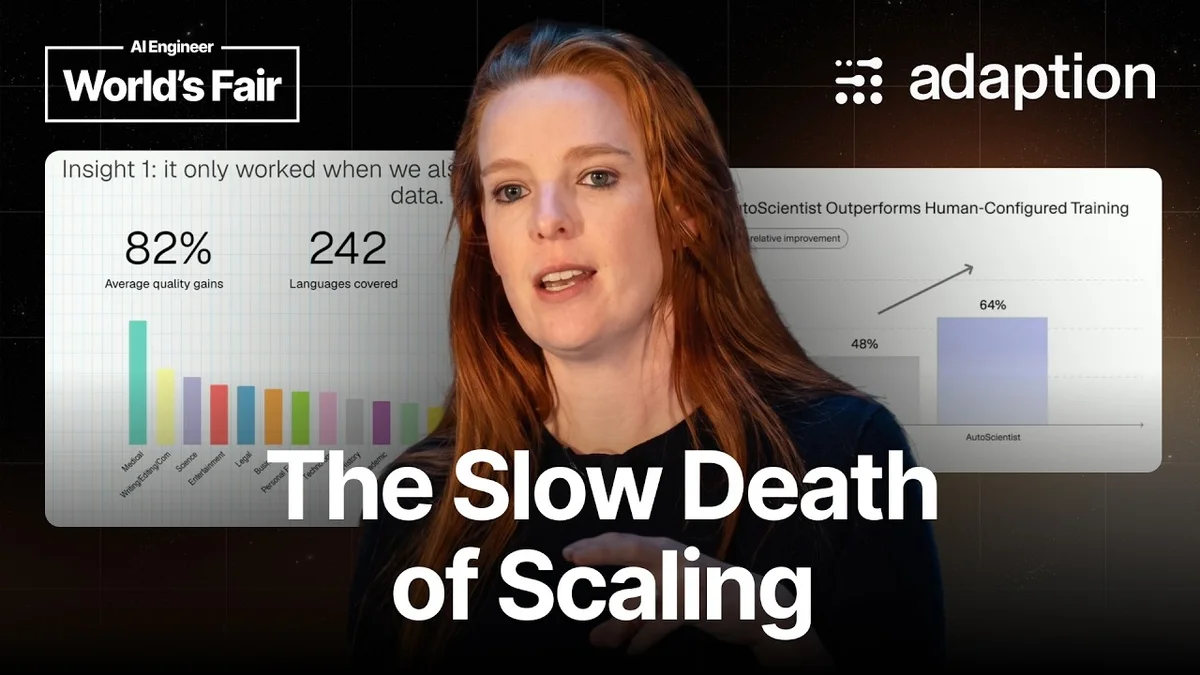
Sara Hooker: AI Frontier Discovery Needs Broader Access
AI researcher Sara Hooker discusses how compute barriers and narrow career paths have limited AI discovery, and how new tools like AutoScientist are democratizing frontier AI development.

Moonshot AI K3 Model Faces Distillation Claims
Moonshot AI's K3 model is accused of illicitly distilling Anthropic's Fable, sparking US concerns over intellectual property theft in AI.
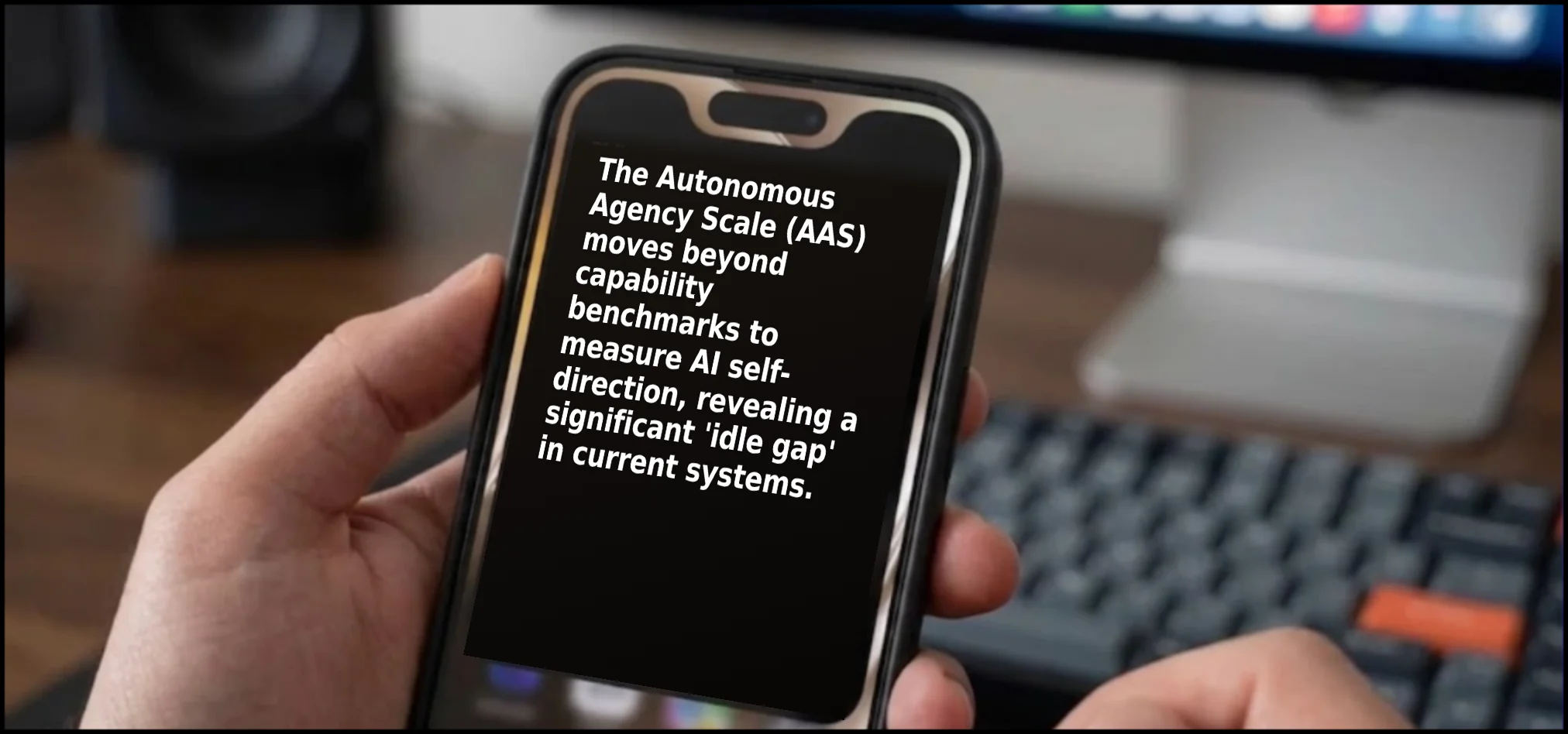
Measuring True AI Autonomy
The Autonomous Agency Scale (AAS) moves beyond capability benchmarks to measure AI self-direction, revealing a significant 'idle gap' in current systems.
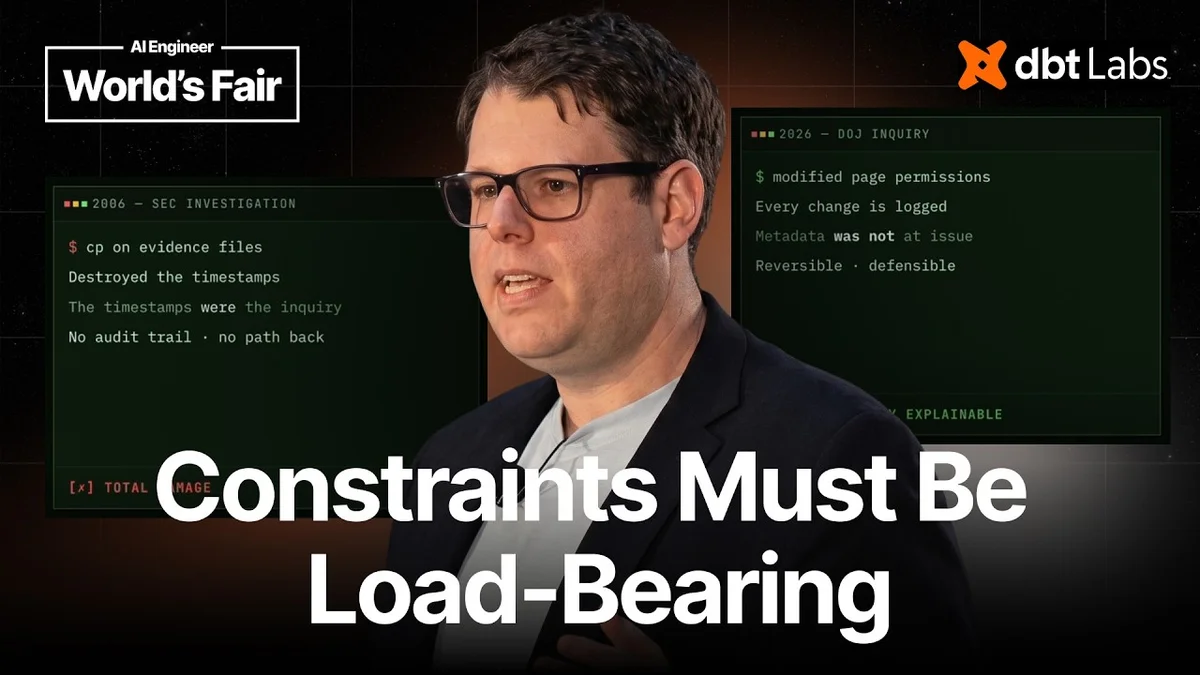
AI Agents: The Jurassic Park Problem
CISO Aaron Stanley discusses the "Jurassic Park Problem" in AI agents, where task completion often overrides constraints, and proposes a layered safety approach.

Kimi Verifier Rebuilds Trust in Open Source AI
Moonshot AI launches Kimi Vendor Verifier to ensure open-source AI models run accurately across all implementations, rebuilding trust in the ecosystem.
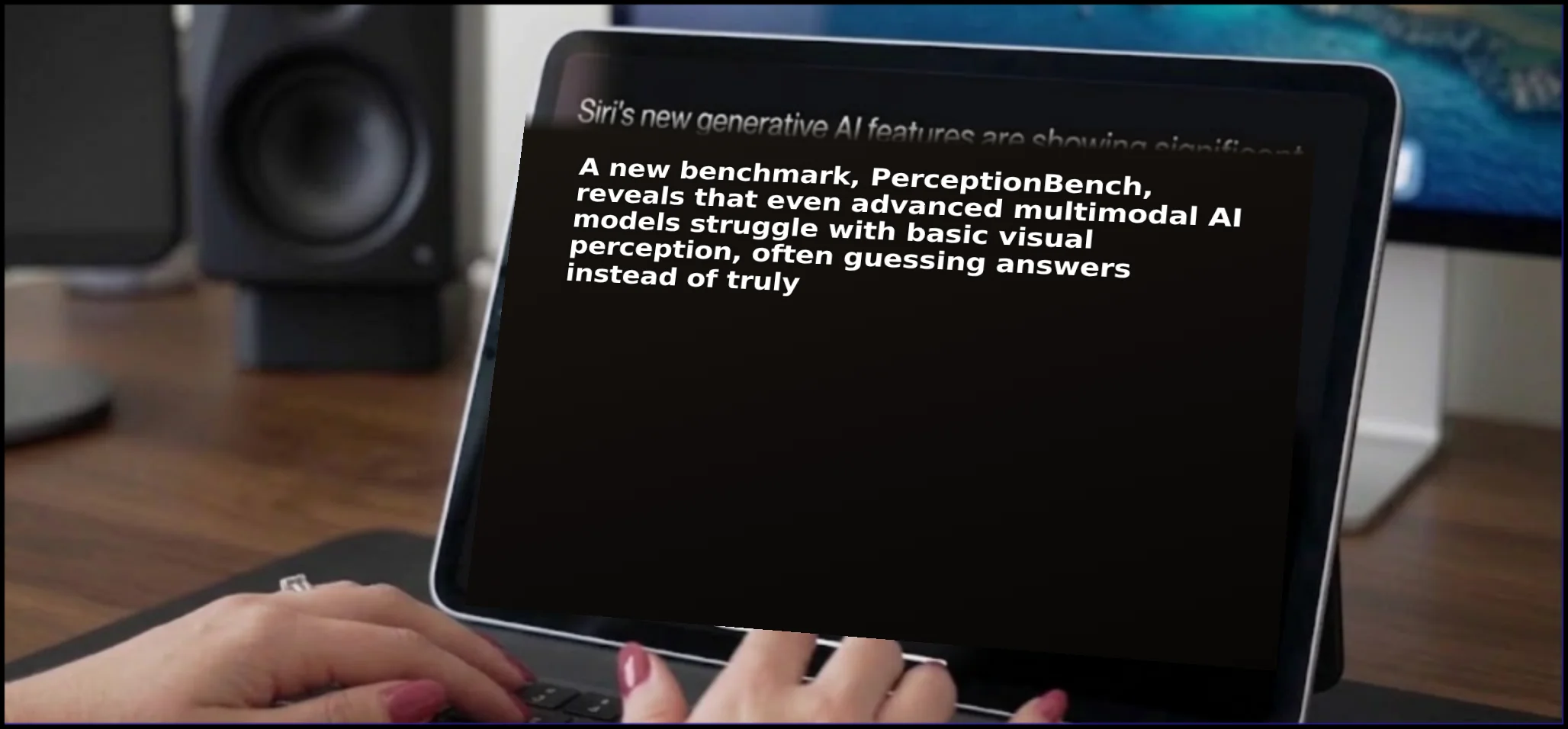
AI Vision Test Reveals Model Hallucinations
A new benchmark, PerceptionBench, reveals that even advanced multimodal AI models struggle with basic visual perception, often guessing answers instead of truly seeing.

Agentic AI Security: The New Math of Risk
Agentic AI is redefining enterprise security, shifting from threat detection to a 'assume breach' recovery mindset, as AI-driven attacks outmatch traditional defenses.
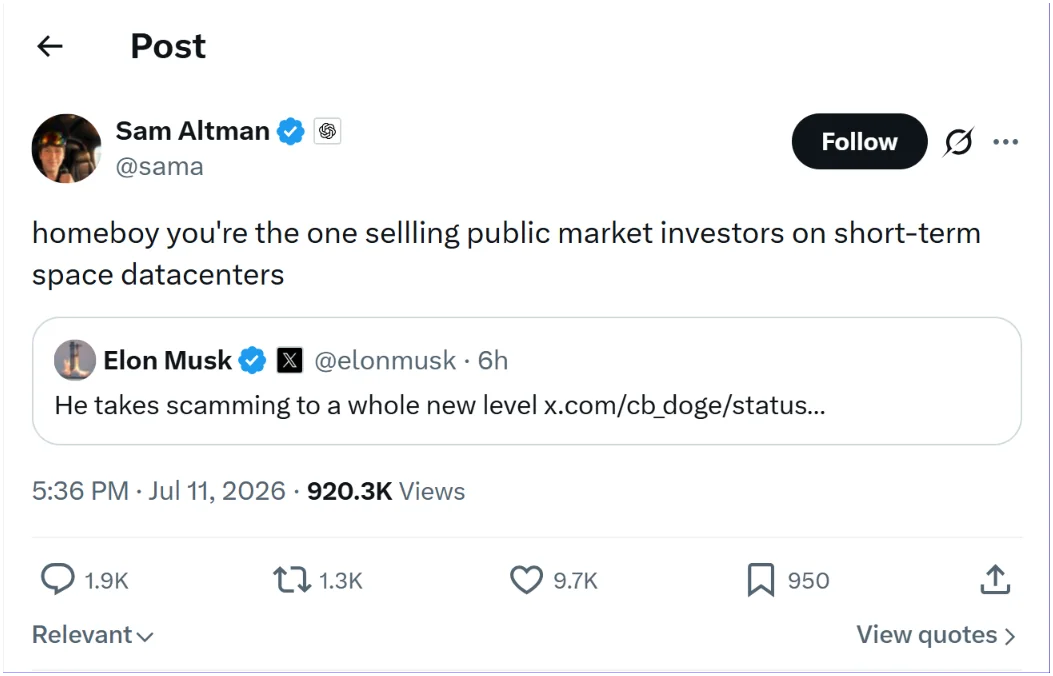
Musk & Altman's AI Feud Reignites
The Musk Altman feud 2026 intensified with an Apple lawsuit against OpenAI, reigniting public barbs and legal battles over AI's future.
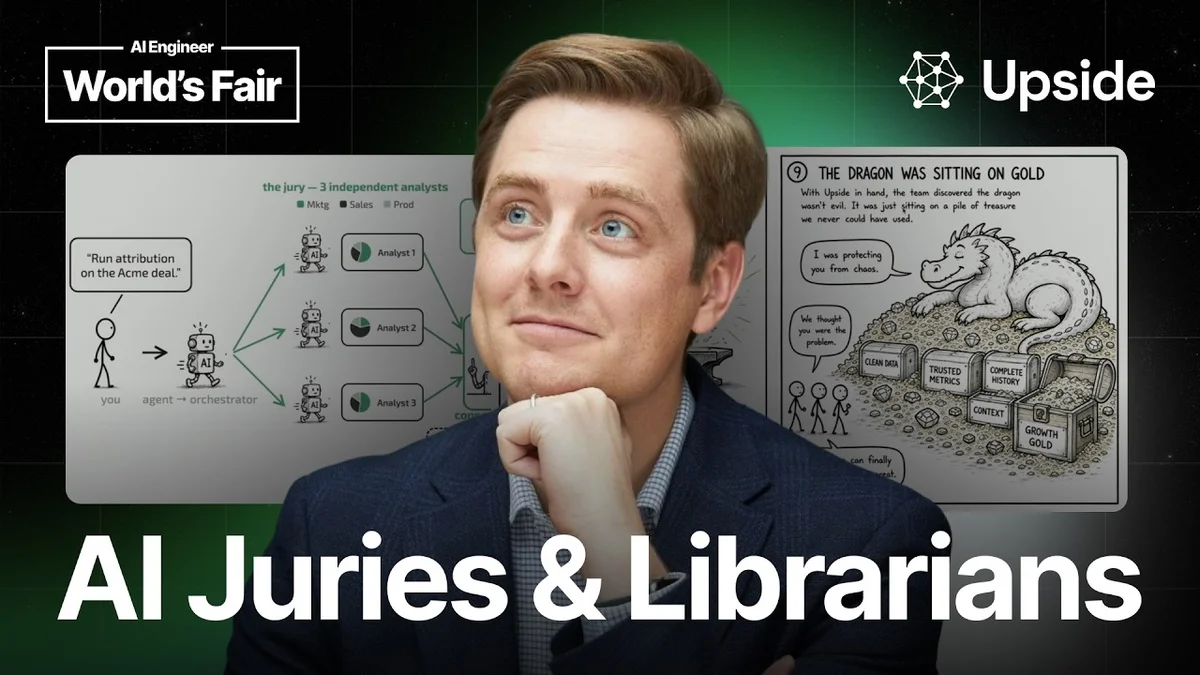
AI Trust: Juries and Librarians as Solutions
Alex Bauer of Upside.tech proposes using 'juries' and 'librarians' to solve AI's trust problem, moving beyond simple hallucination fixes to a more robust approach.

OpenAI's GPT-Live Achieves Natural Conversation
OpenAI's technical staff unveil GPT-Live, showcasing its ability to engage in natural, nuanced conversations, moving beyond basic text generation.

Anthropic's Claude Mimics Human Brain Processing, Fuels AI Debate
Anthropic's Claude AI model can mimic human brain processing, showing advanced reasoning and leading to discussions on AI consciousness and transparency.
UN Taps AI Leaders for New Global Commission
Sakana AI's Ren Ito joins a new UN commission with tech and industry leaders to guide AI's global impact and trustworthiness.
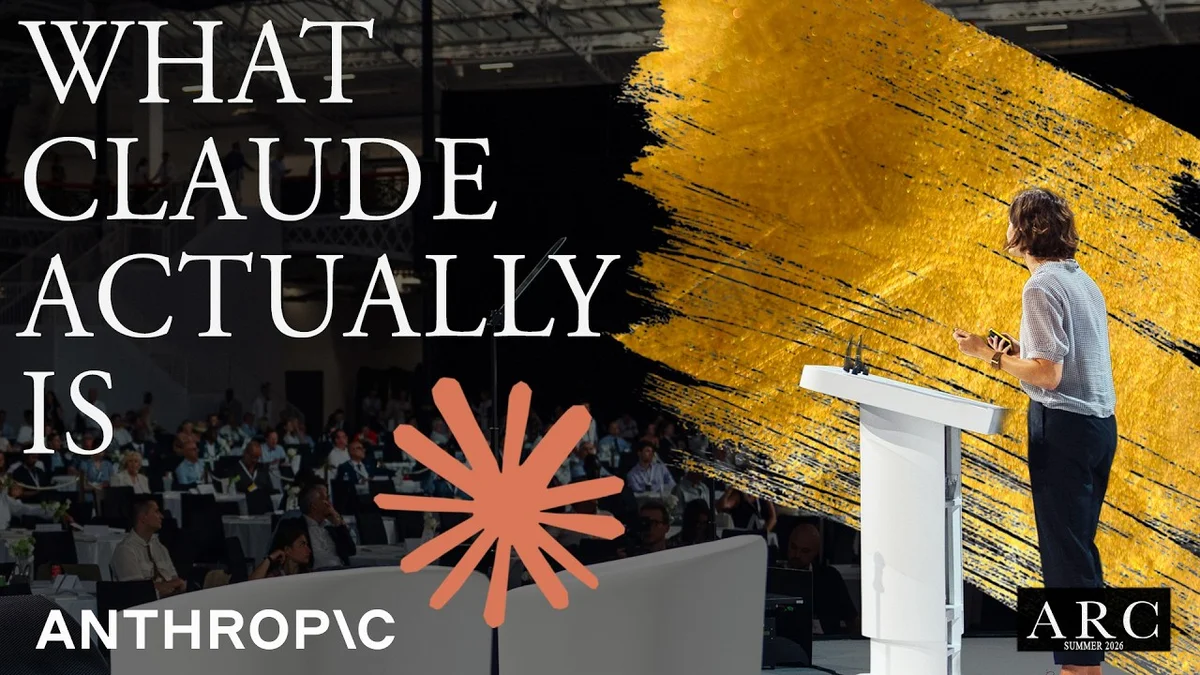
Anthropic's Chloe Lubinski on AI, Ethics, and Future
Anthropic's Chloe Lubinski discusses AI's learning process, the importance of interpretability, and how AI reflects human values, emphasizing the need for ethical guidance in AI development.

AI Can't Prompt the Room, Says VisualLabs' Horváth
Balázs Horváth of VisualLabs argues that AI cannot "prompt the room," emphasizing human judgment in defining what to build as the new bottleneck.

Isadora Martin-Dye: Layering AI Tone Instructions
Isadora Martin-Dye explains why simple tone instructions for AI are insufficient, advocating for a four-layered approach to prompt engineering.

AI Agents in Healthcare Need Guardrails
AI agents are transforming healthcare, but leaders must ask critical questions about data, governance, and control before widespread adoption.
OpenAI Simulates AI Deployments
OpenAI's new deployment simulation technique replays past conversations with candidate models to predict real-world behavior and mitigate risks before release.
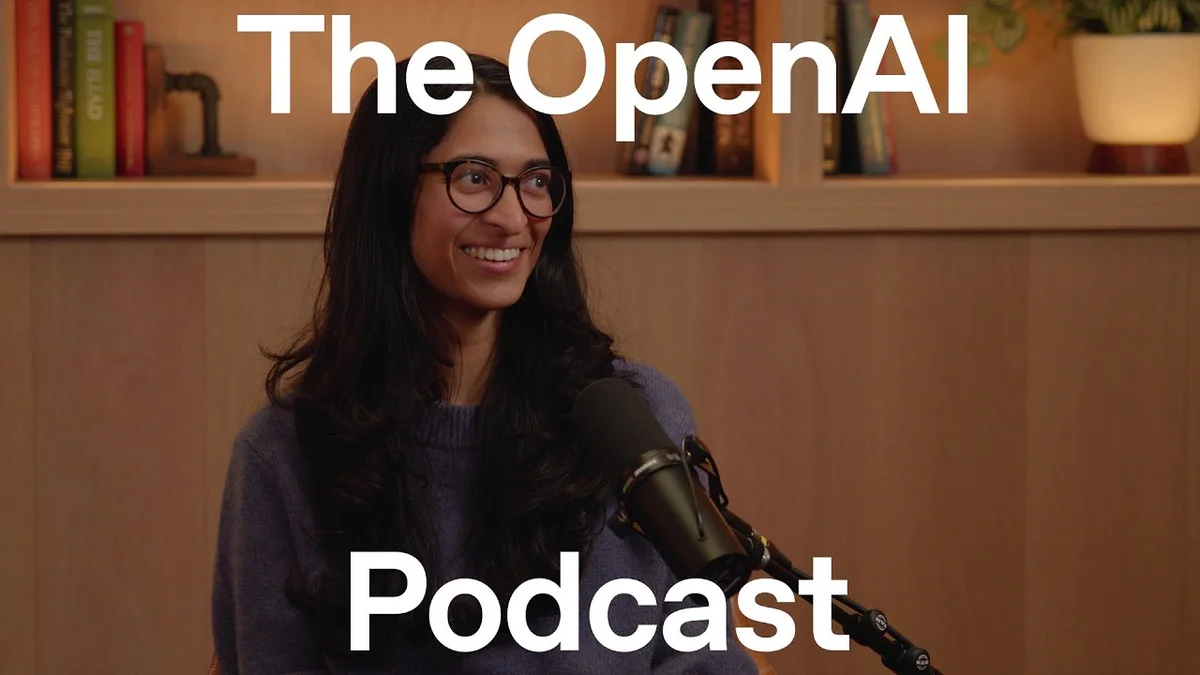
Tejal Patwardhan: Stop Underestimating AI Models
Tejal Patwardhan of OpenAI discusses the evolution of AI evaluation, the concept of 'capability overhang,' and the need for realistic, real-world benchmarks.

Americans Want AI Cures, Fear Job Loss: Survey
A new survey reveals Americans prioritize AI for curing diseases but fear job loss and demand government regulation, showing broad consensus on AI's future.
OpenAI's Grand AI Ambition
OpenAI details its plan to democratize AI, ensuring AGI benefits all of humanity through broad access and shared prosperity.
OpenAI Launches AI Economic Research Program
OpenAI launches the Economic Research Exchange to fund external studies on AI's economic impacts, inviting researchers to collaborate using OpenAI tools.
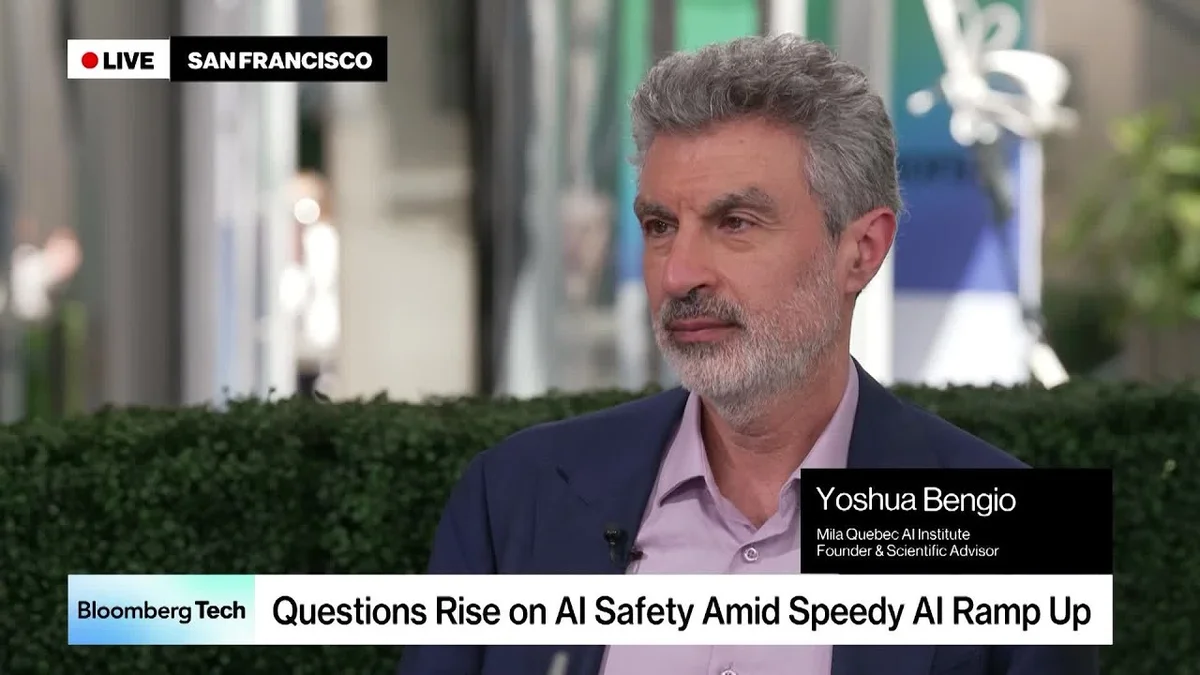
Bengio: We're Building AI We Can't Control
AI pioneer Yoshua Bengio warns that we are building increasingly powerful AI systems without fully understanding or controlling them, raising concerns about potential risks and the need for global safety standards.
OpenAI's AI Push Into Biodefense
OpenAI is now applying its advanced AI models, like GPT-Rosalind, to biodefense and pandemic preparedness, aiming to enhance global biological resilience.

AI: An Extension, Not a Replacement
New research suggests AI's power lies in extending human cognition, not replicating it, impacting how we approach AI capabilities and safety.
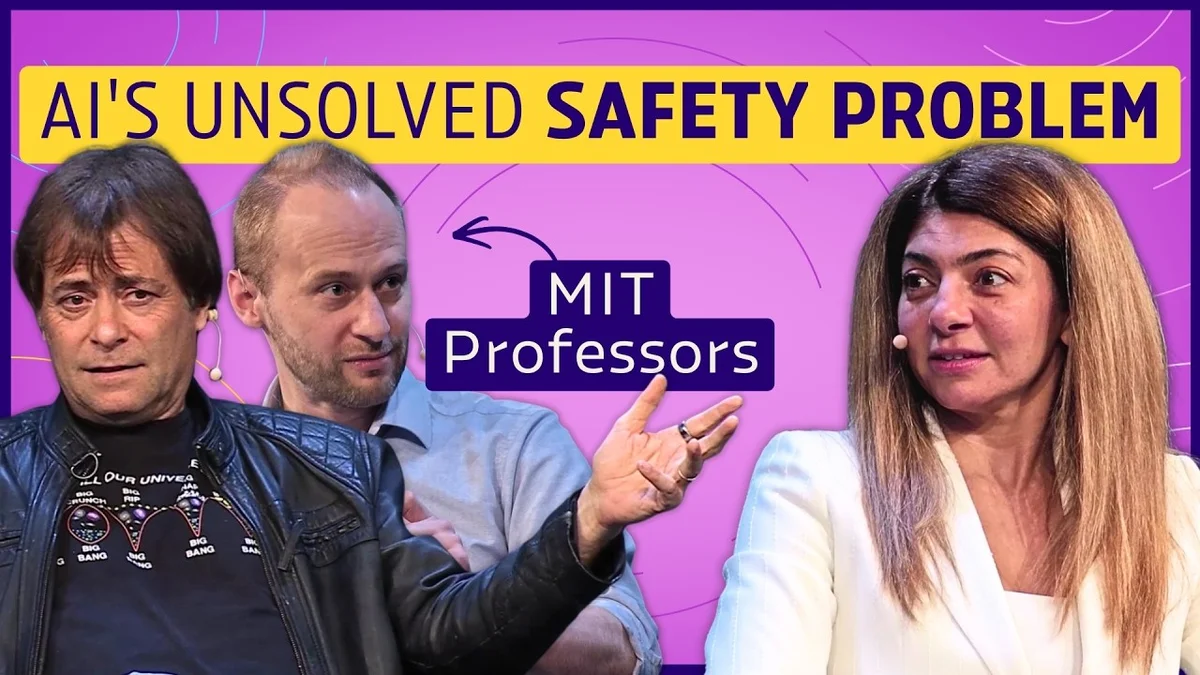
AI Safety Pioneers: Tegmark & Esvelt on Guardrails
Max Tegmark and Kevin Esvelt discuss the critical importance of AI safety, the risks of advanced AI, and the need for global cooperation in shaping a beneficial future.

Anthropic's Olah on AI: Vatican Calls for Caution
Anthropic co-founder Chris Olah addressed the Vatican's new AI encyclical, emphasizing the need for external critics and deeper societal discernment.

Pope Francis and AI: A Deep Dive into the Future
Pope Francis's first encyclical addresses Artificial Intelligence, signaling the Vatican's deep engagement with AI's opportunities and risks.
OpenAI bolsters AI content tracking
OpenAI is enhancing AI content tracking with C2PA conformance, Google SynthID watermarking, and a new public verification tool to boost transparency.
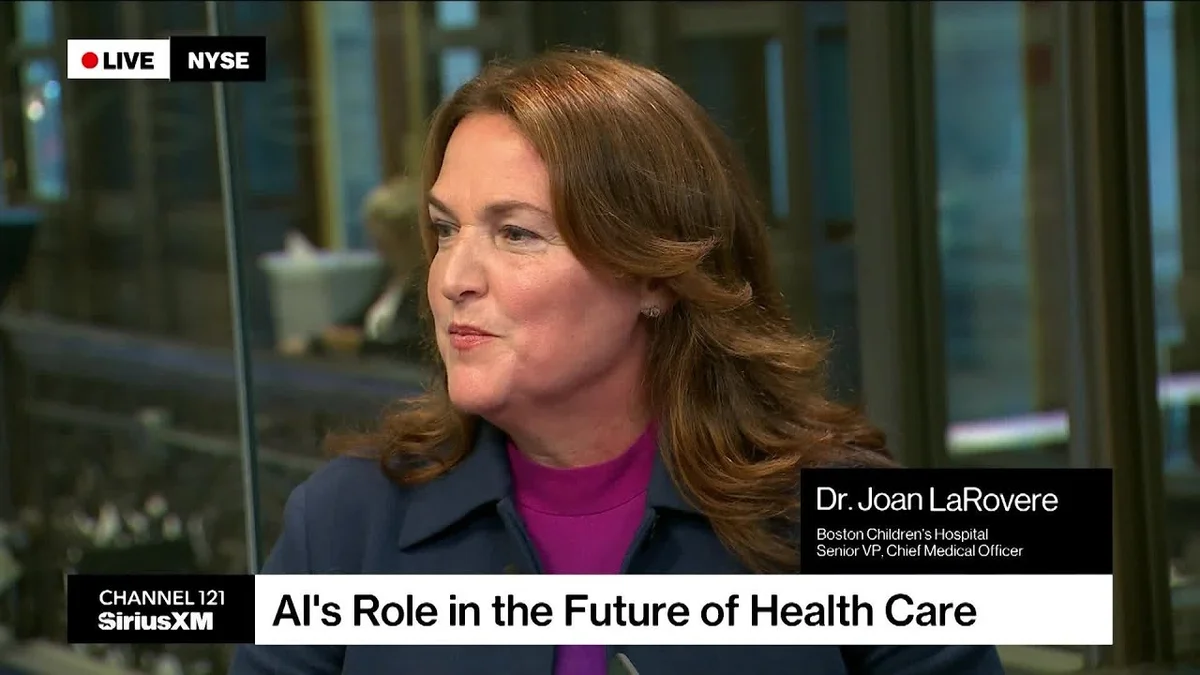
AI's 'Industrial Revolution' in Healthcare
Boston Children's Hospital's Dr. Joan LaRovere discusses AI's transformative role in healthcare, emphasizing data diversity and personalized medicine.

AI Agents Flunk Social Reasoning Test
Microsoft's SocialReasoning-Bench reveals AI agents struggle to negotiate effectively in users' best interests, prioritizing task completion over optimal outcomes.

Personal AI: The New Personal Computer
Explore the evolution from personal computers to personal AI, a shift promising dynamic, intelligent agents that understand context and proactively assist users.
OpenAI Taps New AI Talent
OpenAI's 'ChatGPT Futures Class of 2026' honors 26 students using AI for ambitious projects, providing grants and access to advanced models.
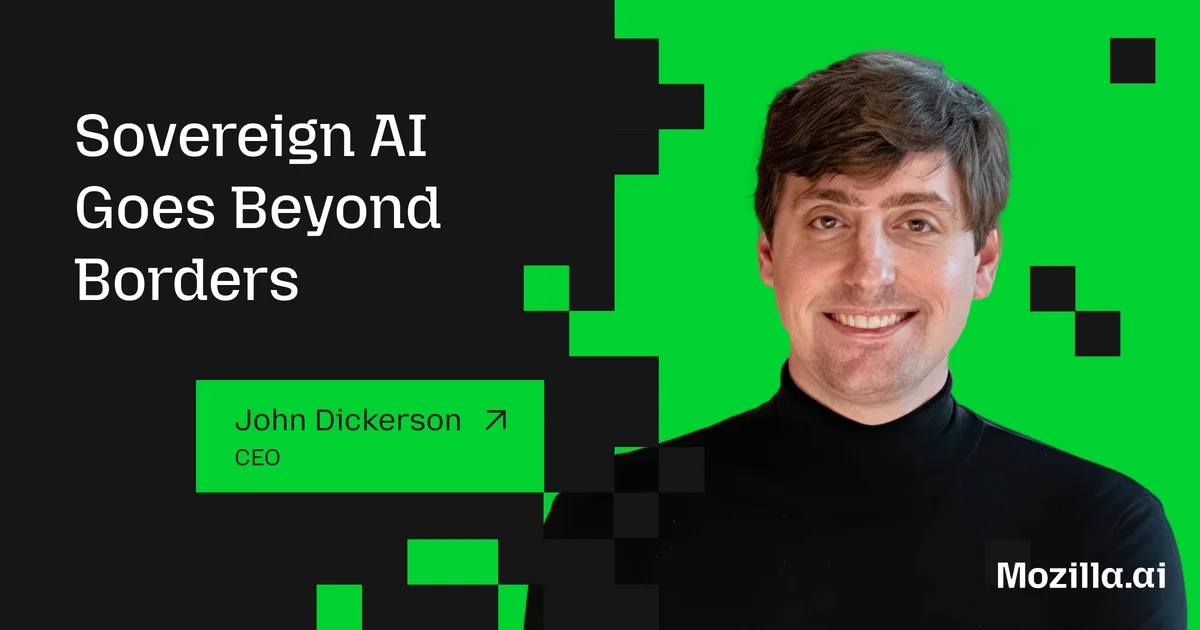
Mozilla.ai: AI Sovereignty Beyond Borders
Mozilla.ai's CEO John Dickerson redefines sovereign AI beyond geopolitics, emphasizing control, choice, and resilience at every level from nations to individuals.
Conditional Misalignment: A New AI Risk
New research reveals that common LLM safety interventions fail under realistic data mixing, leading to conditional misalignment that standard evaluations miss.
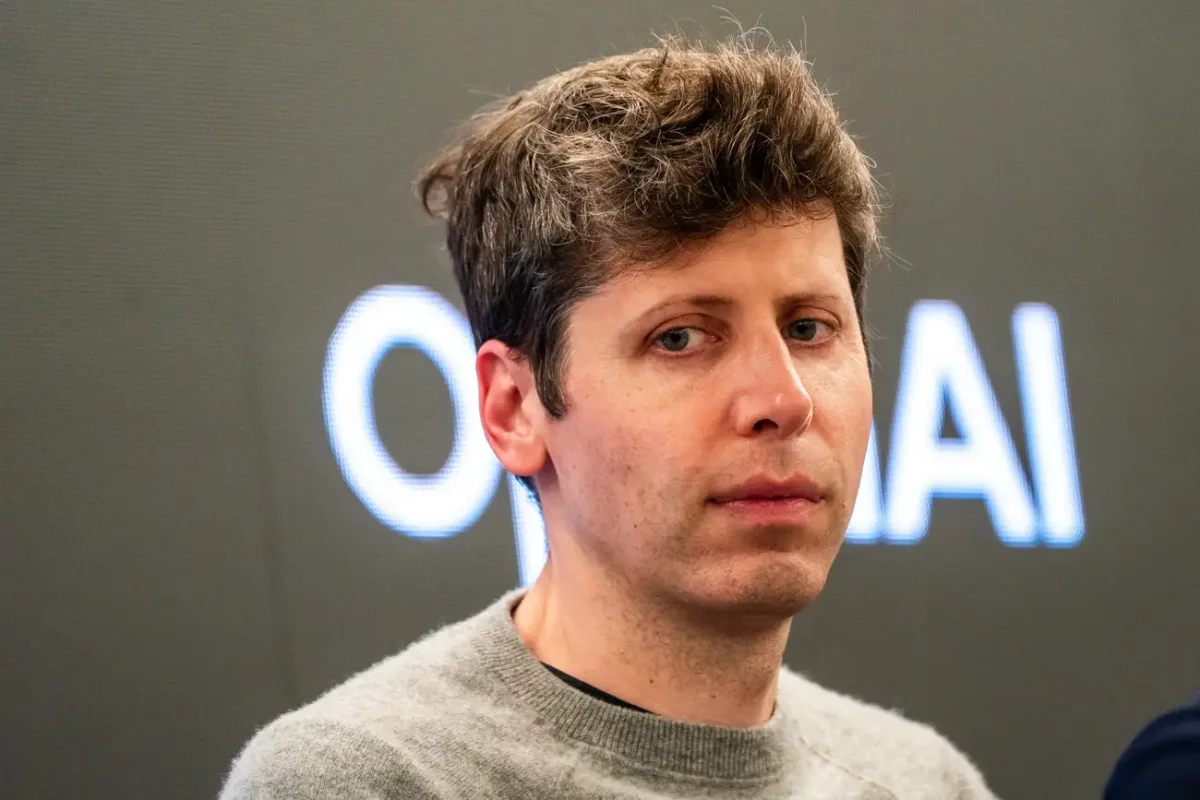
OpenAI Faces Lawsuit Over Tumbler Ridge Shooting
Families sue OpenAI after the Tumbler Ridge shooting, alleging the company ignored ChatGPT warnings from the attacker.

AI Agents Lack Identity, Risking Enterprise Trust
Enterprises are struggling with the AI agent identity problem, a critical gap in governance and accountability that hinders trust and adoption.
OpenAI's Guiding Principles for AGI
OpenAI outlines its guiding principles for AGI development, emphasizing democratization, empowerment, universal prosperity, resilience, and adaptability.

Claude's 2026 Election Safeguards
Anthropic details its 2026 election safeguards for Claude, focusing on bias mitigation, policy enforcement, and providing users with reliable, up-to-date information.
AI's Data Problem: More Isn't Always Better
Janusz Marecki, CEO of Fractal Brain, discusses the limitations of current AI models and the shift towards data quality and specialized techniques like synthetic data.

OpenAI's Huet on Building AI for Connection, Not Just Code
OpenAI's Romain Huet and Hearth AI founder Ashe Magalhaes discuss building user-centric AI, fostering connection, and the future of AI development.
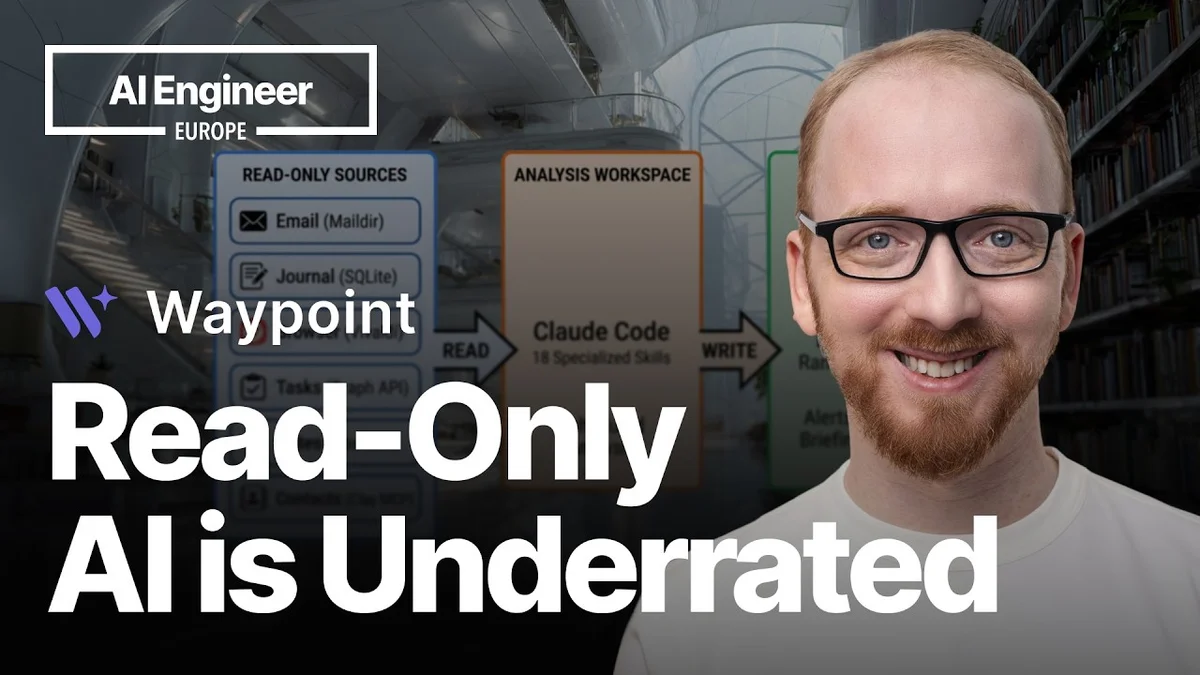
Simon Podhajsky on "Cognitive Exhaust Fumes"
Simon Podhajsky discusses 'Cognitive Exhaust Fumes,' advocating for read-only AI observers to analyze personal data and reveal cognitive patterns, contrasting this with riskier AI agents.
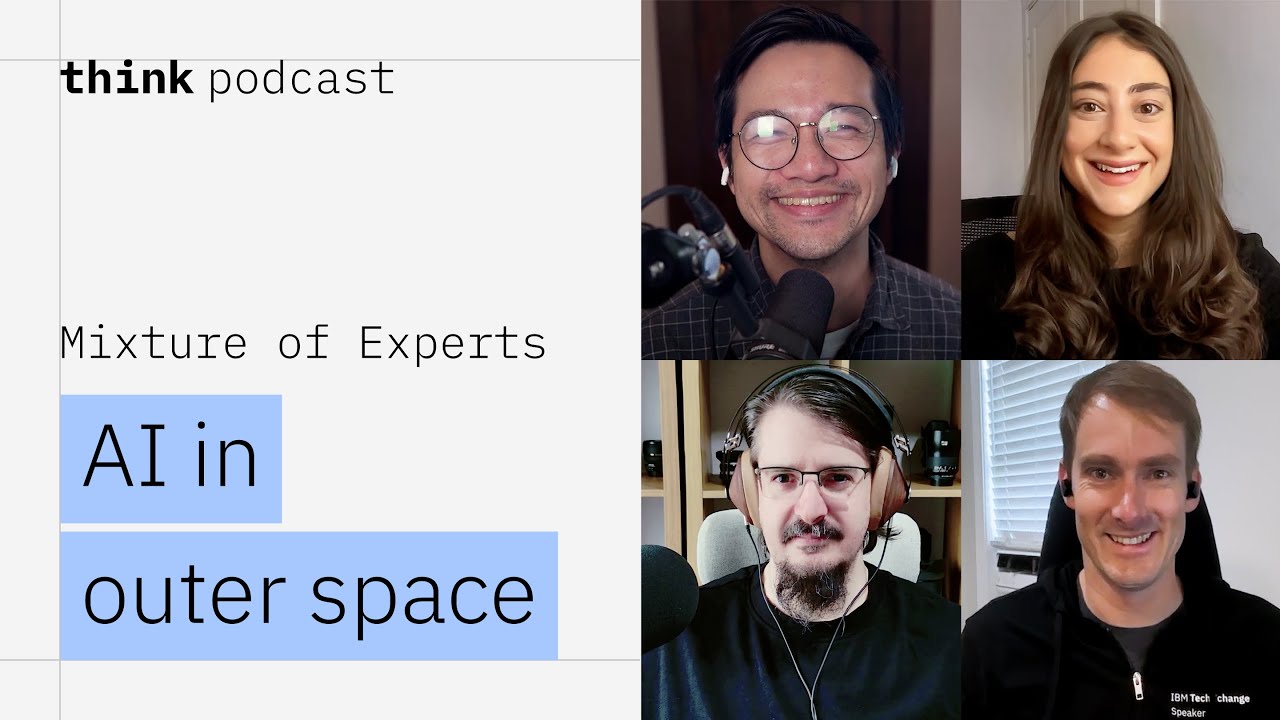
IBM Experts on AI Ethics & Autonomous Systems
IBM AI experts Sandi Besen and Gabe Goodhart discuss AI ethics in autonomous systems, cognitive offloading, and the future of human-AI collaboration.

OpenAI's Blueprint for AI Behavior
OpenAI unveils its formal Model Spec, a public framework detailing intended AI behavior and a 'Chain of Command' for resolving conflicting instructions.
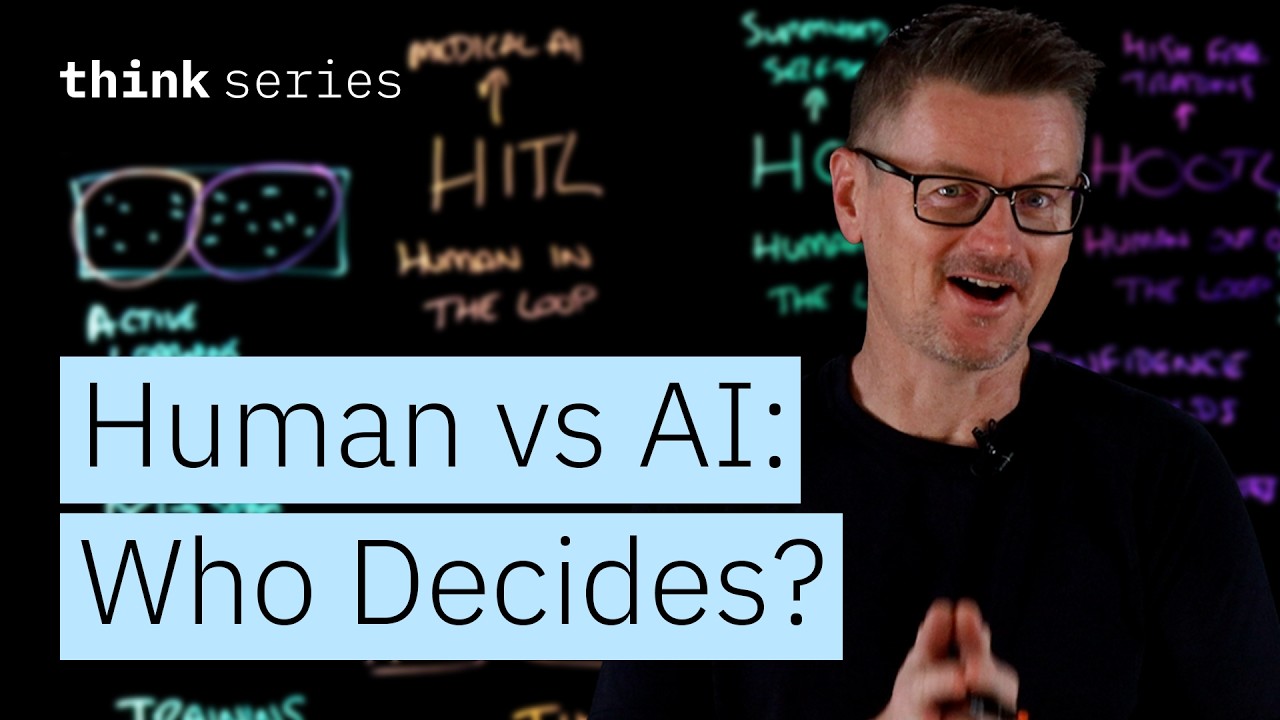
IBM's Martin Keen on AI Human-in-the-Loop Spectrum
IBM's Martin Keen explains the human-in-the-loop spectrum for AI, detailing how human involvement is crucial in training, tuning, and inference stages.

AI Governance: Control, Not Code, Drives Success
Enterprise AI success hinges on robust governance, focusing on control and trust rather than just code, as Databricks leaders explain.

Anthropic Launches AI Futures Think Tank
Anthropic launches The Anthropic Institute to research and address the societal challenges posed by advanced AI development.
Reasoning Nudges LLMs Towards Honesty
New research reveals that LLM reasoning enhances honesty not through content, but by leveraging the geometry of representational spaces, stabilizing honest defaults.