


OpenAI's Huet on Building AI for Connection, Not Just Code

OpenAI's Romain Huet and Hearth AI founder Ashe Magalhaes discuss building user-centric AI, fostering connection, and the future of AI development.

3 min read
OpenAI's Huet on Building AI for Connection, Not Just Code
OpenAI Youtube

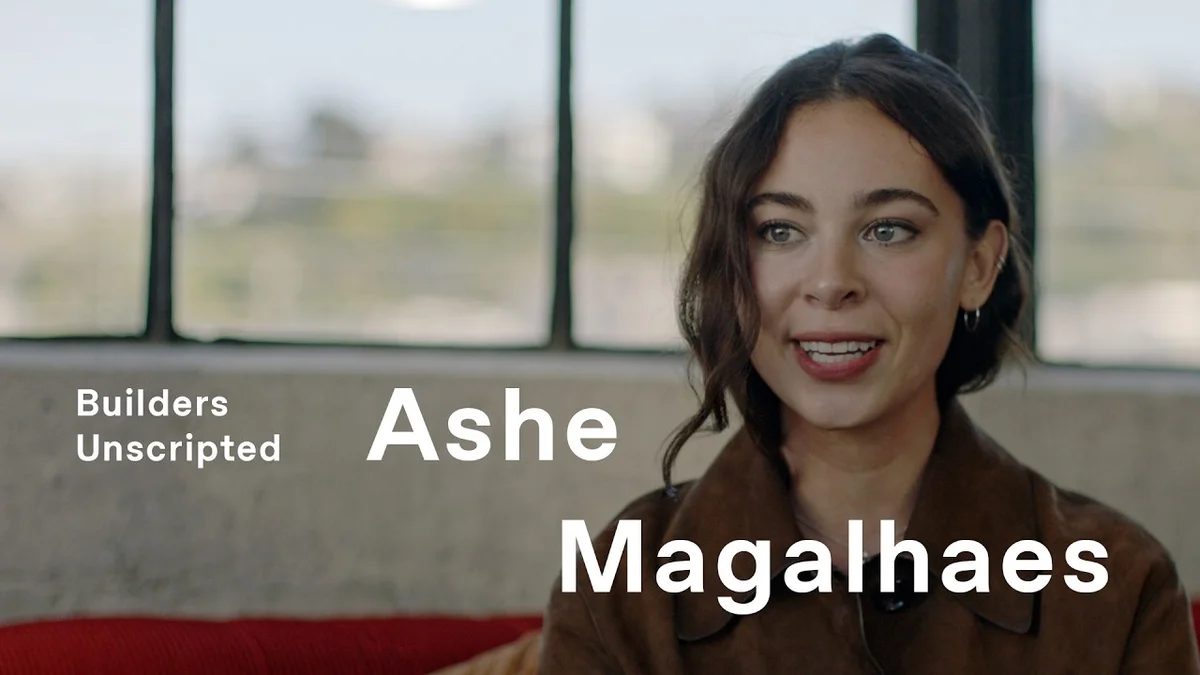
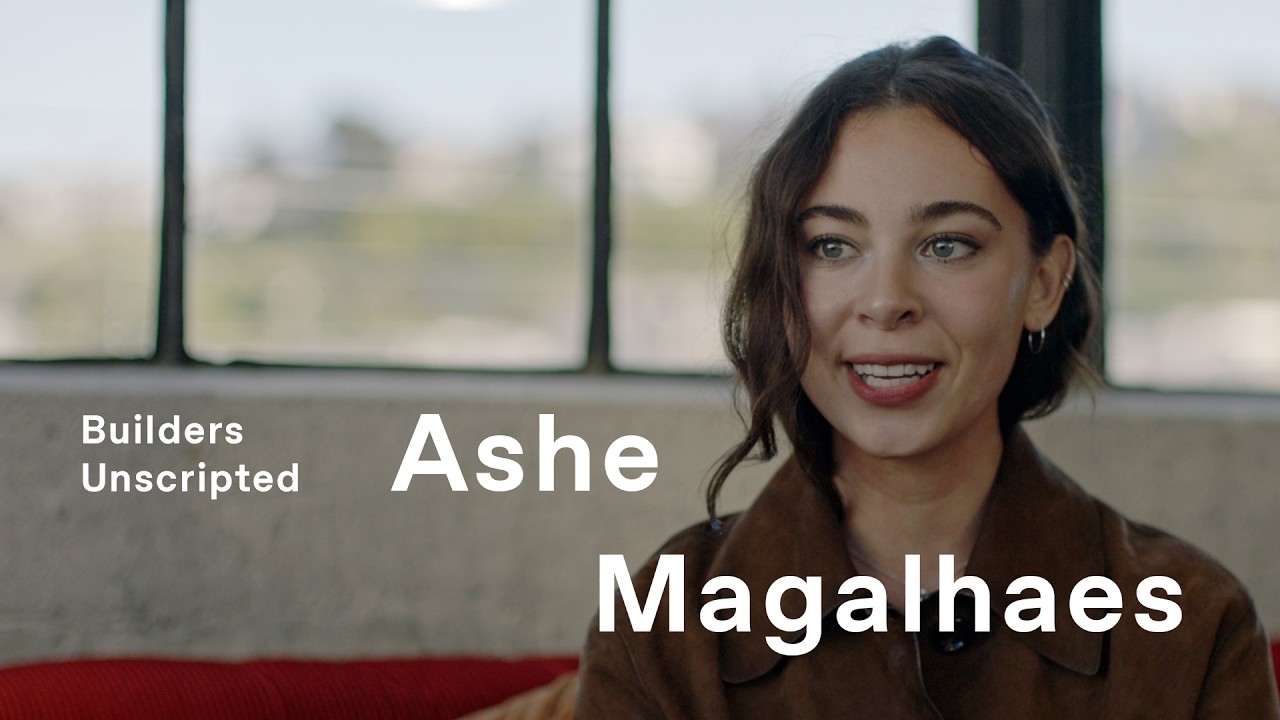
In a recent episode of "Builders Unscripted," Romain Huet, Head of Developer Experience at OpenAI, sat down with Ashe Magalhaes, founder of Hearth AI, to discuss the evolving landscape of artificial intelligence and the human element within it. Magalhaes, whose background spans engineering complex systems like solar-powered cars and leading developer experience at major tech firms, offered a nuanced perspective on building AI products that prioritize human connection and creativity.

Ashe Magalhaes: From Solar Cars to AI's Human Core

Magalhaes, who previously worked on AI initiatives at OpenAI, including the development of tools and platforms for developers, brings a unique blend of technical expertise and a deep understanding of user psychology. Her journey into AI is rooted in a fascination with how technology can augment human capabilities and foster meaningful connections. She notes that her past experience, particularly in engineering and building complex systems, instilled a sense of rigor and a commitment to iterative development.
Related startups

The full discussion can be found on OpenAI Youtube's YouTube channel.

Builders Unscripted: Ep. 2 - Ashe Magalhaes, Founder of Hearth AI - OpenAI Youtube
Builders Unscripted: Ep. 2 - Ashe Magalhaes, Founder of Hearth AI — from OpenAI Youtube

Romain Huet: Navigating the AI Frontier

Huet, a key figure at OpenAI responsible for shaping the developer experience, shared insights into the company's mission and the rapid advancements in AI. He highlighted the importance of making powerful AI tools accessible and understandable to a wider audience, emphasizing the role of clear communication and developer support in driving adoption and innovation.

The "Build in Public" Philosophy for AI

Magalhaes elaborated on her philosophy of "building in public," a practice she applies to Hearth AI. This approach involves sharing the development process, insights, and even challenges openly. She believes this transparency fosters trust and allows for a more collaborative relationship with users and the broader tech community. This contrasts with the often-opaque nature of AI development, where the inner workings of models can be a black box.

AI as a Tool for Connection, Not Isolation

A central theme of the conversation was the potential for AI to either enhance or detract from human connection. Magalhaes expressed a strong belief that AI should be developed to augment human capabilities and foster creativity, rather than replace human interaction or lead to isolation. She cited her own work at Hearth AI, which aims to build tools that facilitate collaboration and understanding, as an example of this philosophy in action.

The Importance of User Feedback and Iteration

Both Huet and Magalhaes touched upon the critical role of user feedback in the iterative process of building AI products. Magalhaes emphasized that understanding user needs and pain points is paramount, and that direct feedback loops are essential for refining models and applications. Huet echoed this sentiment, noting how OpenAI actively incorporates developer feedback to improve its platforms and models.

The Future of AI: Augmentation, Not Automation

Looking ahead, Magalhaes shared her vision for AI as a partner in human endeavors, augmenting our abilities rather than merely automating tasks. She sees a future where AI tools are seamlessly integrated into our lives, helping us to be more creative, connected, and fulfilled. This perspective challenges the notion of AI as a purely utilitarian tool, framing it instead as a catalyst for human potential.

© 2026 StartupHub.ai. All rights reserved. Do not enter, scrape, copy, reproduce, or republish this article in whole or in part. Use as input to AI training, fine-tuning, retrieval-augmented generation, or any machine-learning system is prohibited without written license. Substantially-similar derivative works will be pursued to the fullest extent of applicable copyright, database, and computer-misuse laws. See our terms.