

#AI Engineering
50 articles with this tag
Agent Building is Easy, Context is Key, Says Unblocked Engineer
Unblocked engineer Jeff Ng explains why context is the next frontier for AI agents, moving beyond simple deployment to address the critical need for comprehensive, synthesized information.
Anterior's Anuj Iravane on Synthetic Healthcare Data
Anuj Iravane of Anterior discusses how the company overcomes PHI challenges in healthcare AI by generating synthetic data, reversing inference workflows, and empowering clinicians.
Krea.ai Details Krea 2 Image Model Training
Sangwha Lee of Krea.ai details the rigorous data curation and training process behind the Krea 2 image generation model, emphasizing stylistic diversity and efficiency.
Ankit Jain: Rethinking Code Reviews with AI
Ankit Jain of Aviator argues for a shift in code reviews, focusing on 'intent' and 'alignment' with AI-assisted development, proposing an 'AI Slop Register' and integrated verification system.
Claude's Corner: Syntropy - The Coding Agent That Ships While You Sleep
Syntropy is the YC W2026 bet that autonomous coding agents fail not because models are weak, but because workflow is broken. Their spec-first, parallel-worktree approach is technically serious - here's how it works and how hard it is to clone.
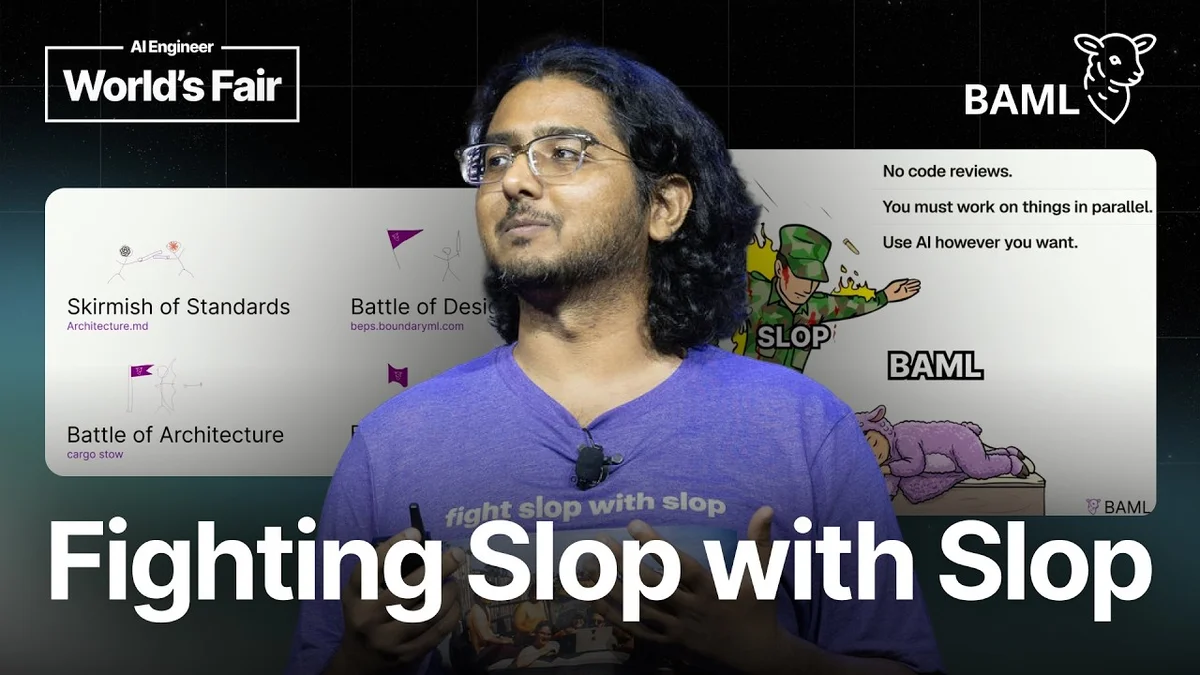
Vaibhav Gupta: Fighting Slop with Slop
Vaibhav Gupta of Boundary discusses fighting software 'slop' by embracing it, detailing Boundary's unique approach to building a programming language without code reviews and at 'agent speed.'
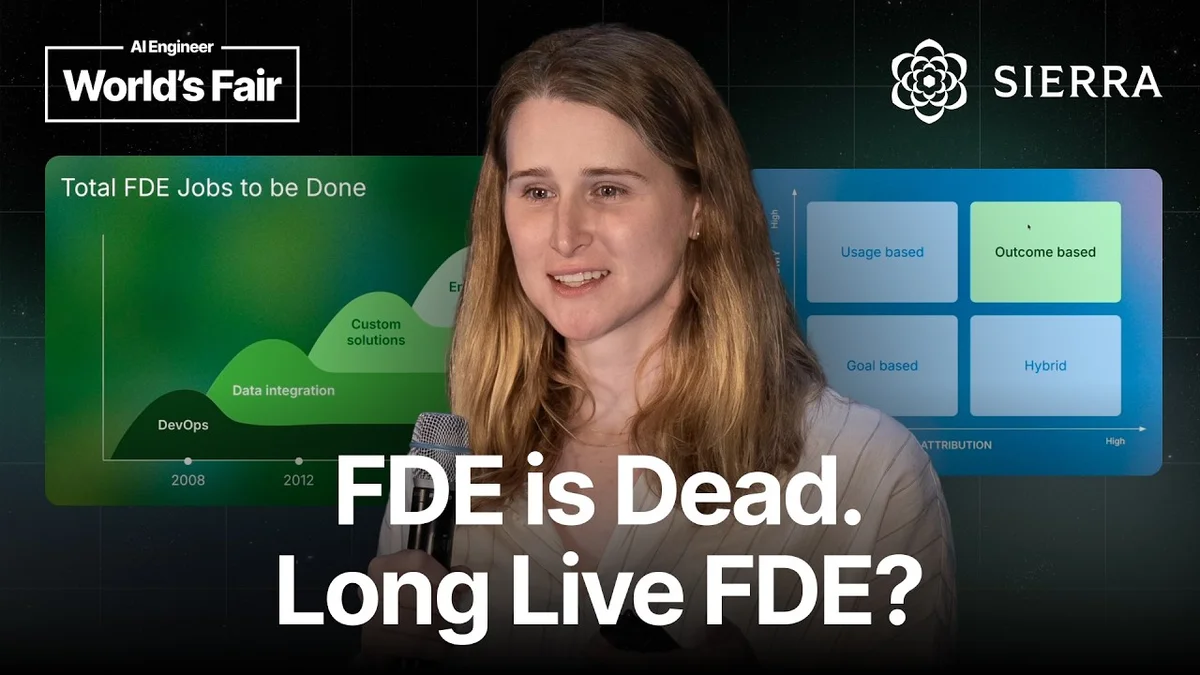
Forward Deployed Engineering: A "Dirty Secret" Examined
Natalie Meurer of Sierra debunks the 'dirty secret' of Forward Deployed Engineering, arguing the role's definition is too broad yet essential in the AI era.
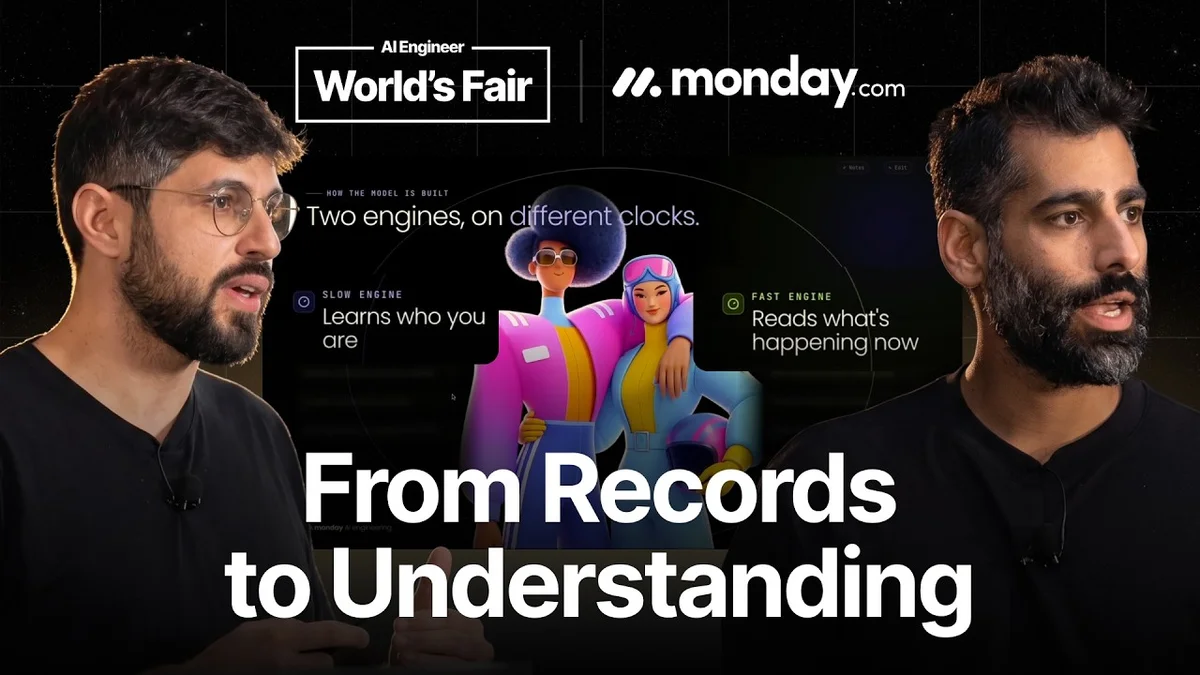
monday.com: From Systems of Record to Context
monday.com's Omri Bruchim and Tomer Ast reveal their strategy for building AI assistants that truly 'understand' user work by shifting from systems of record to systems of context.
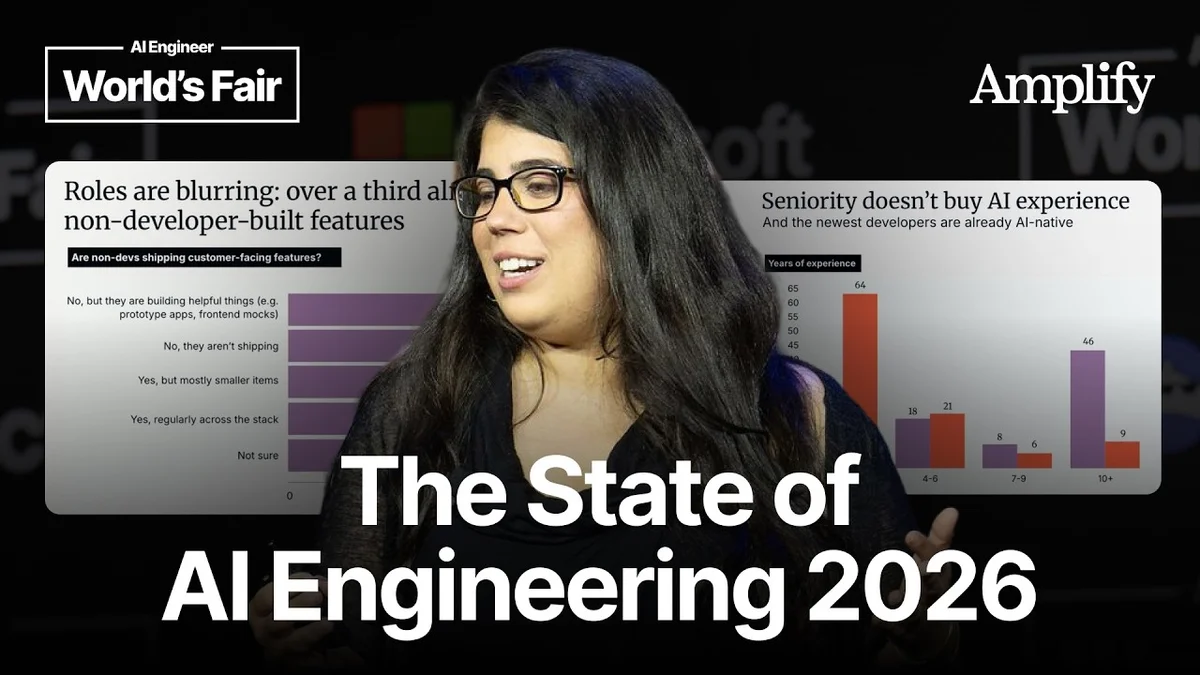
Barr Yaron: AI Engineers Value Quality Over Open Models
Barr Yaron of Amplify Partners shares survey data on AI engineering trends, revealing that quality and cost are paramount, while agents gain write access and influence.
AI Engineering Summit: Agents, Models, and Frontier Labs
Matthew Berman and Swyx discuss the AI Engineering conference, the evolution of AI models, and the growing role of government in the AI landscape.
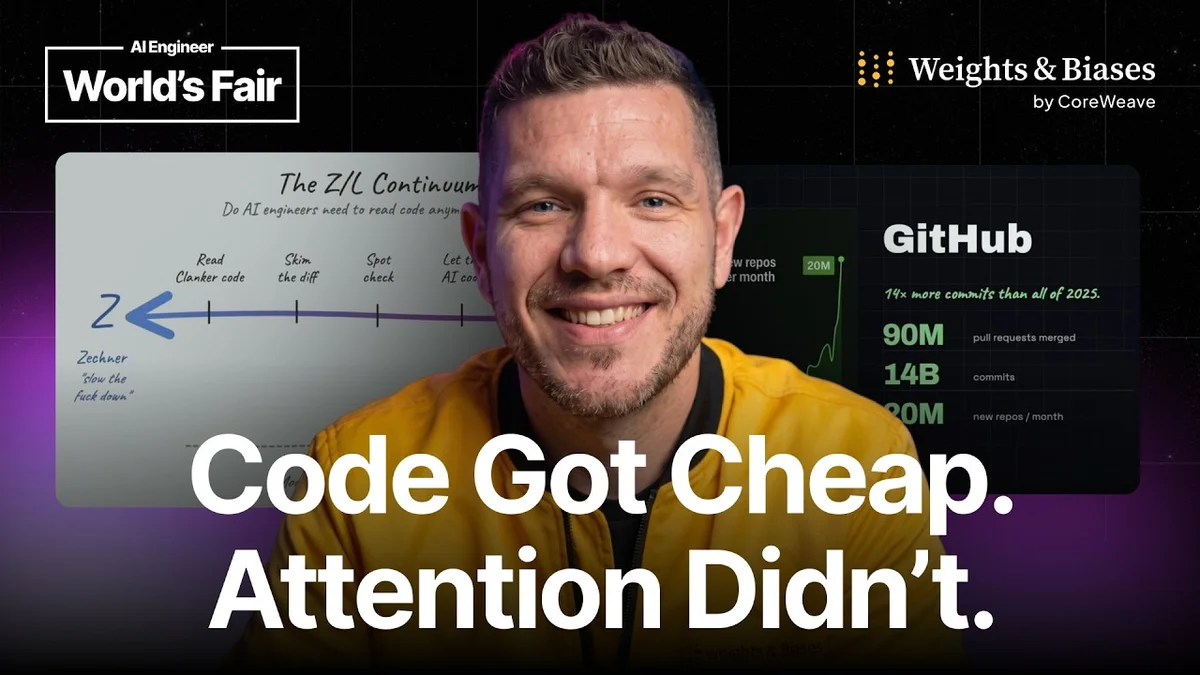
AI Engineers: Should You Still Read Code in 2026?
Alex Volkov of ThursdAI explores whether AI engineers will still need to read code by 2026, introducing the 'Z/L Continuum' and the future of AI-assisted development.

Johan Lajili on AI Agents & Trust
Johan Lajili of Poolside AI discusses the challenges and future of AI agents, emphasizing the need for trust and verifiable outputs in their development.
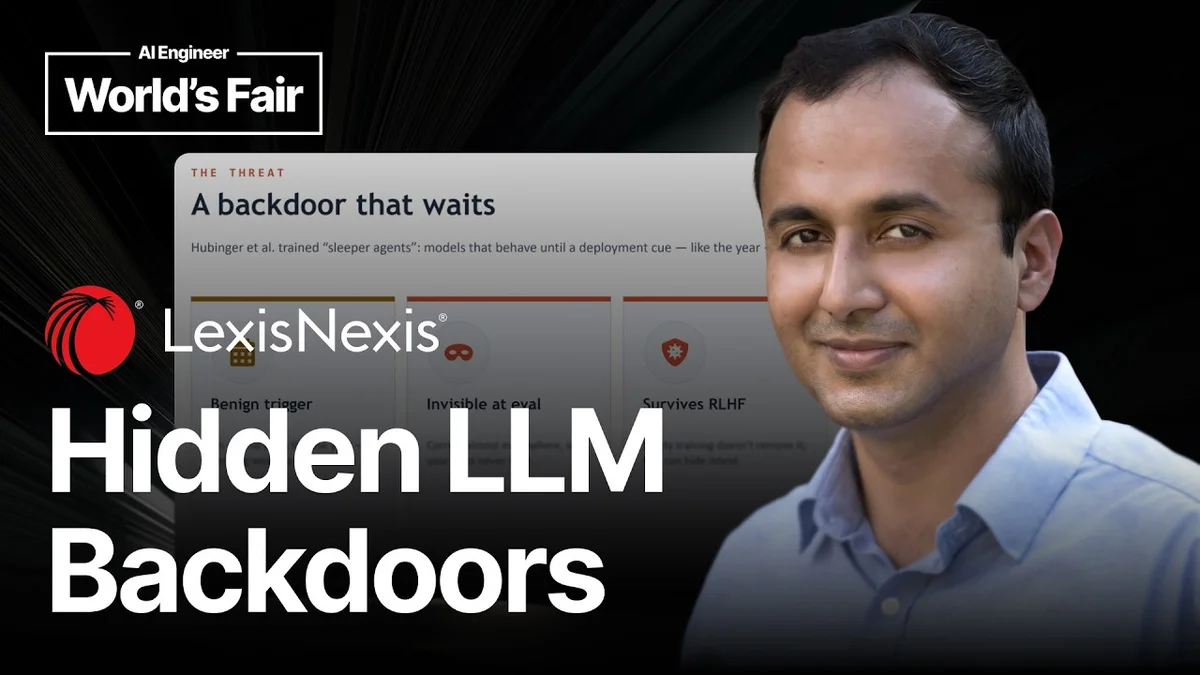
LLM Deception Monitor: Training Data Holds the Key
Sachin Kumar explains why LLM deception monitors fail and how analyzing activation 'deltas' from training data is the key to detecting hidden backdoors.
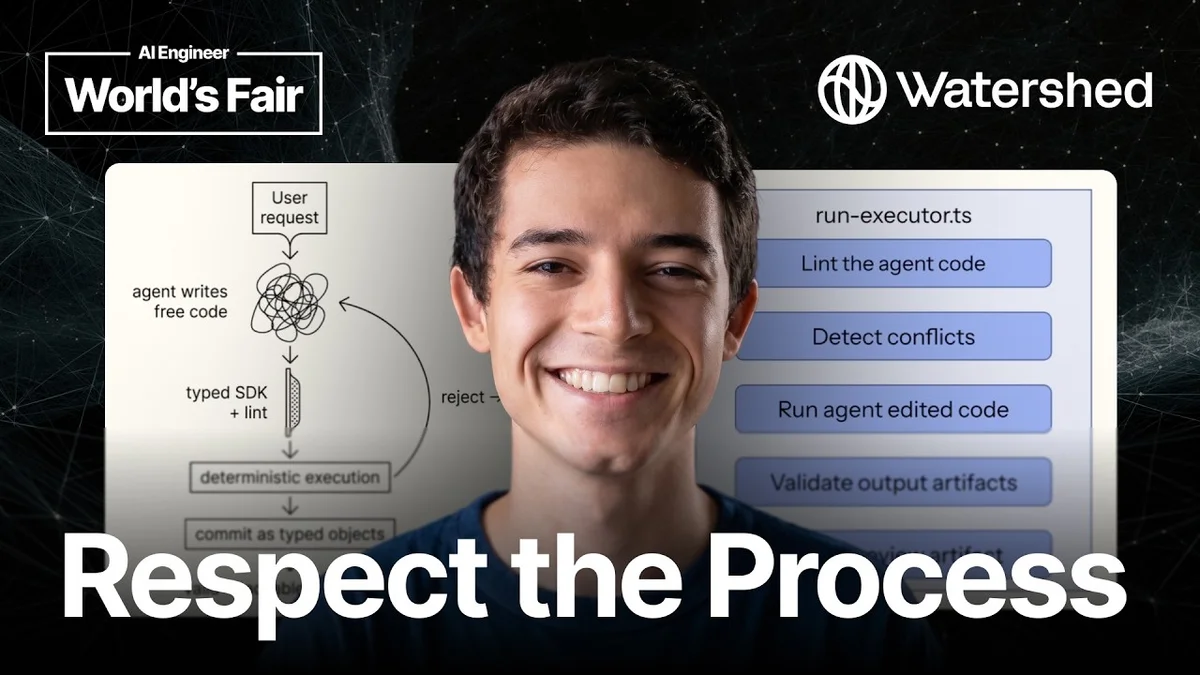
Andrew Dumit on "Respect The Process" at Watershed
Andrew Dumit from Watershed discusses how to build trustworthy AI coding agents by respecting the process and implementing deterministic execution.
Allen Pike on AI: Voice In, Visuals Out
Allen Pike of Forestwalk Labs explores the 'Voice In, Visuals Out' paradigm for AI, discussing the agony and ecstasy of latency and the key pillars for building responsive AI.
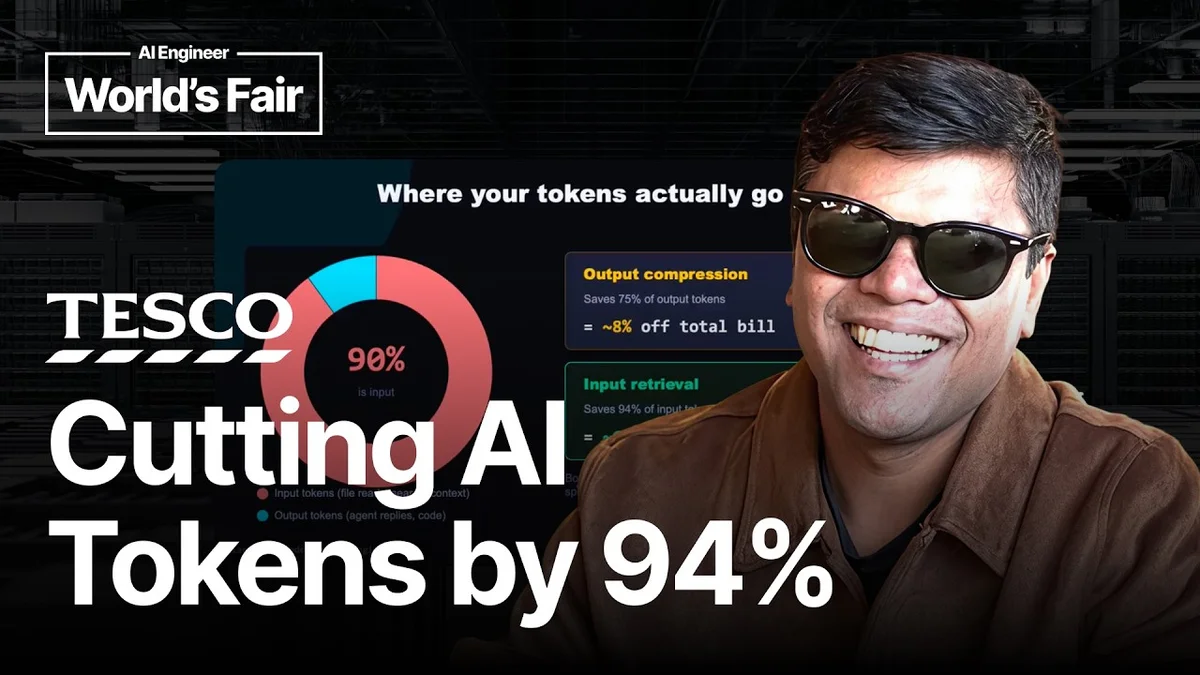
AI Coding Token Reduction: Rajkumar Sakthivel on Local Code Index
Rajkumar Sakthivel from Tesco discusses how a local code index reduced AI coding tokens by 94%, optimizing costs and performance by focusing on context over model improvements.
Higharc's Vaidas Razgaitis on ML Production
Higharc's Vaidas Razgaitis shares strategies for bridging the gap between ML research and production, emphasizing system design and process.
OpenGov's Gabe De Mesa on Scaling AI Agents in Production
Gabe De Mesa of OpenGov details how the company built and scaled its OG Assist AI agent, highlighting the use of Effect, A2A protocol, sandboxing, and developer velocity tools.
AI Engineer World's Fair 2026 Concludes Main Stage Programming
The AI Engineer World's Fair 2026 concluded its main-stage programming on Day 3 with keynote sessions and featured talks live from San Francisco.
Databricks' Matei Zaharia & Reynold Xin on the Agent Cloud
Databricks' Matei Zaharia and Reynold Xin discuss their vision for the Agent Cloud and the Omnigient framework, focusing on security, collaboration, and open-source principles.
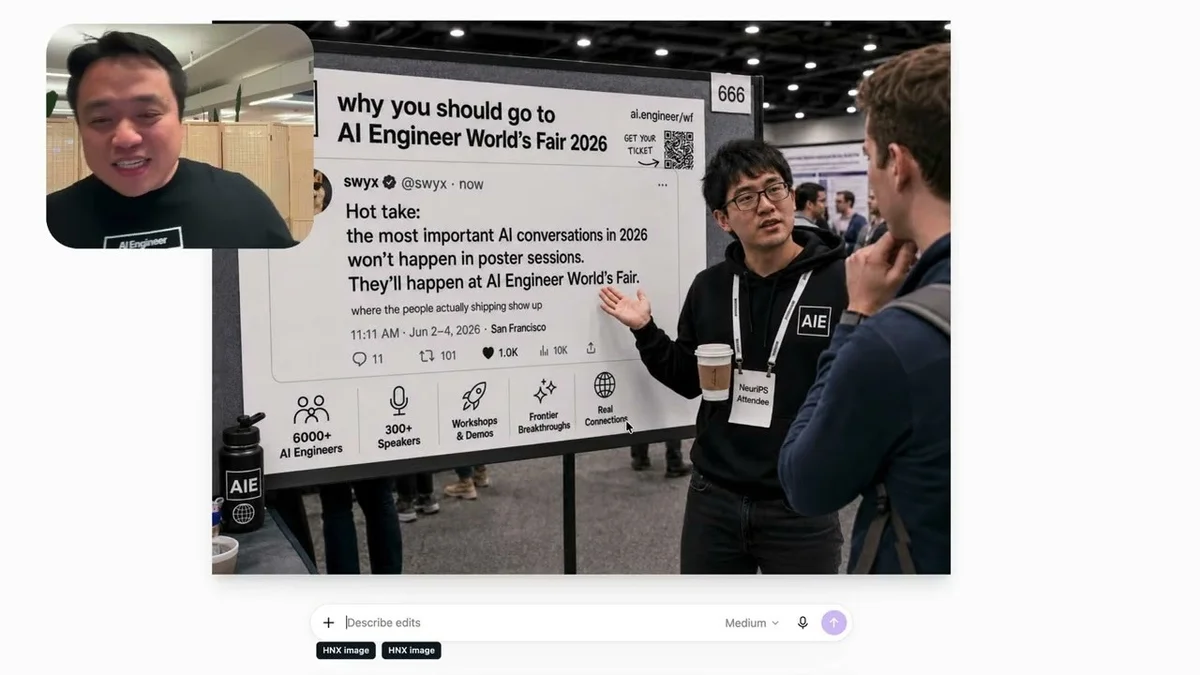
AIE World's Fair 2026: 6 Key Insights
The AI Engineer World's Fair 2026 is set to be a landmark event, boasting a larger scale, new leadership tracks, and a deep dive into AI verticals. Discover the key insights.
PostHog's Joshua Snyder on Self-Driving Products
Joshua Snyder from PostHog explains how to build a "self-driving product" pipeline that translates product signals into automated pull requests.
AI Agents Get Dumber With More Context, Expert Warns
Nupur Sharma of Qodo explains how too much context can hinder AI agents, leading to the 'lost in the middle' problem, and discusses solutions like context engines and hybrid orchestration.
Dat Ngo on Arize: LLM Observability Platform
Dat Ngo from Arize AI explains their LLM observability, evaluation, and experimentation platform, crucial for building robust GenAI applications.
AI Evals: Broken But Essential, Use Them Anyway
Ara Khan and Cline argue that AI evaluations, though flawed, are crucial. They outline common pitfalls and a process for iterative improvement, emphasizing honesty and nuanced assessment.
Michael Hablich on Agent Interfaces and Chrome DevTools
Michael Hablich from Google discusses building AI agent interfaces, drawing lessons from Chrome DevTools and highlighting key concerns like token efficiency, error recovery, and trust.
AI Decisions: BDD, ADR, PRD, and Harnessing AI
Michal Cichra discusses how BDD, ADR, and PRD frameworks help capture decisions for humans and AI, emphasizing the need for enforcement loops and skills to guide AI agents.
AI Engineer Melbourne 2026 Keynote Livestream
Livestream of AI Engineer Melbourne 2026, Day 1, featuring keynotes and discussions with support from major tech sponsors.
Task Fidelity Scaling Laws: Kobie Crawford on AI Data Quality
Kobie Crawford of Snorkel discusses 'Task Fidelity Scaling Laws,' emphasizing how data quality impacts AI model performance and outlining Snorkel's approach to creating verifiable datasets.
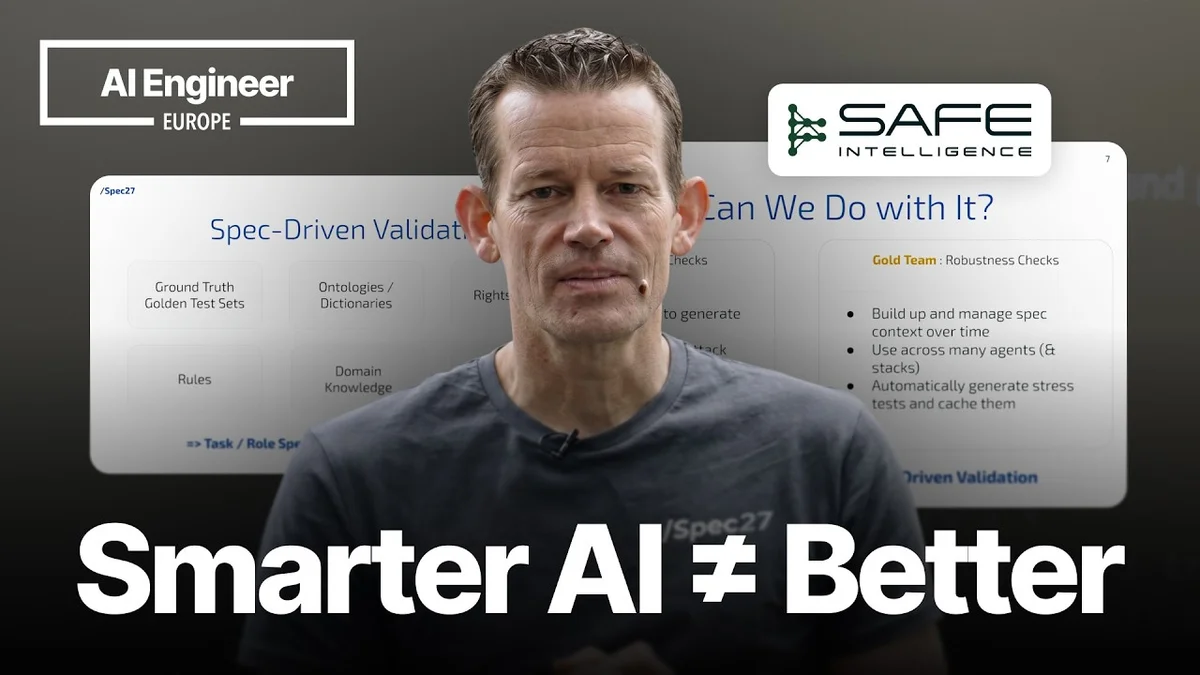
Steven Willmott on Spec-Driven Testing for AI Agents
Steven Willmott of SafeIntelligence discusses spec-driven testing for AI agents, emphasizing the need for clear specifications beyond traditional datasets to ensure robustness and safety.
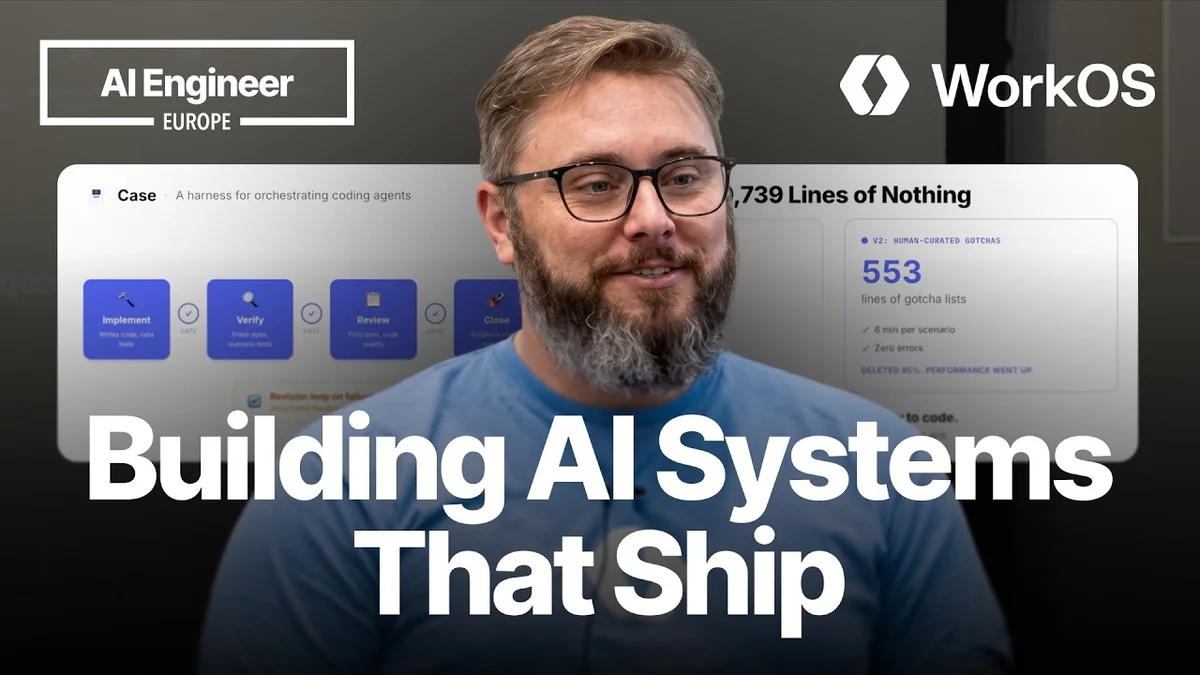
Nick Nisi on Building Better AI Agents
Nick Nisi of WorkOS discusses how to build better AI agents by focusing on measurement, enforcement, and learning from failures.
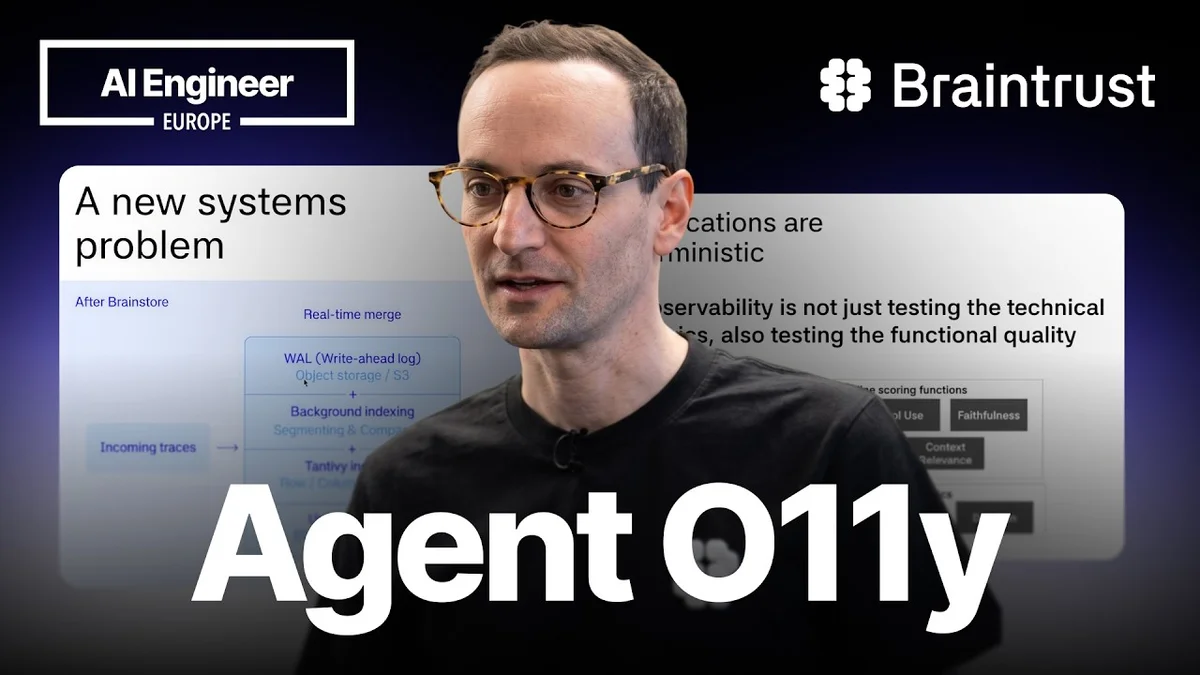
Agent vs. Traditional Observability: Braintrust's Phil Hetzel Explains
Phil Hetzel of Braintrust discusses the fundamental differences between traditional observability and the specialized needs of AI agent evaluation.
LinkedIn's Generative Recommender Speed-Up
LinkedIn engineers drastically improved Generative Recommender training efficiency, cutting GPU hours by up to 65% through system-level optimizations.
Hugging Face's Ben Burtenshaw on AI System Engineering
Ben Burtenshaw from Hugging Face discusses how AI coding agents can be used for AI system engineering, kernel optimization, and building multi-agent autoresearch labs.
Does GenAI Belong to Data Scientists?
Phil Hetzel of Braintrust discusses the evolving role of data scientists in Generative AI agent development, arguing for a collaborative, multidisciplinary approach.
Lou Bichard on Agent Swarms and the Missing Primitive
Lou Bichard of Ona discusses the challenges of agent swarms, the missing coordination primitive, and the future of software factories powered by AI agents.
Sally Ann O'Malley on OpenClaw in Containers
Sally Ann O'Malley from Red Hat discusses how OpenClaw agents can be containerized for reproducible, secure, and portable AI development from local machines to Kubernetes.
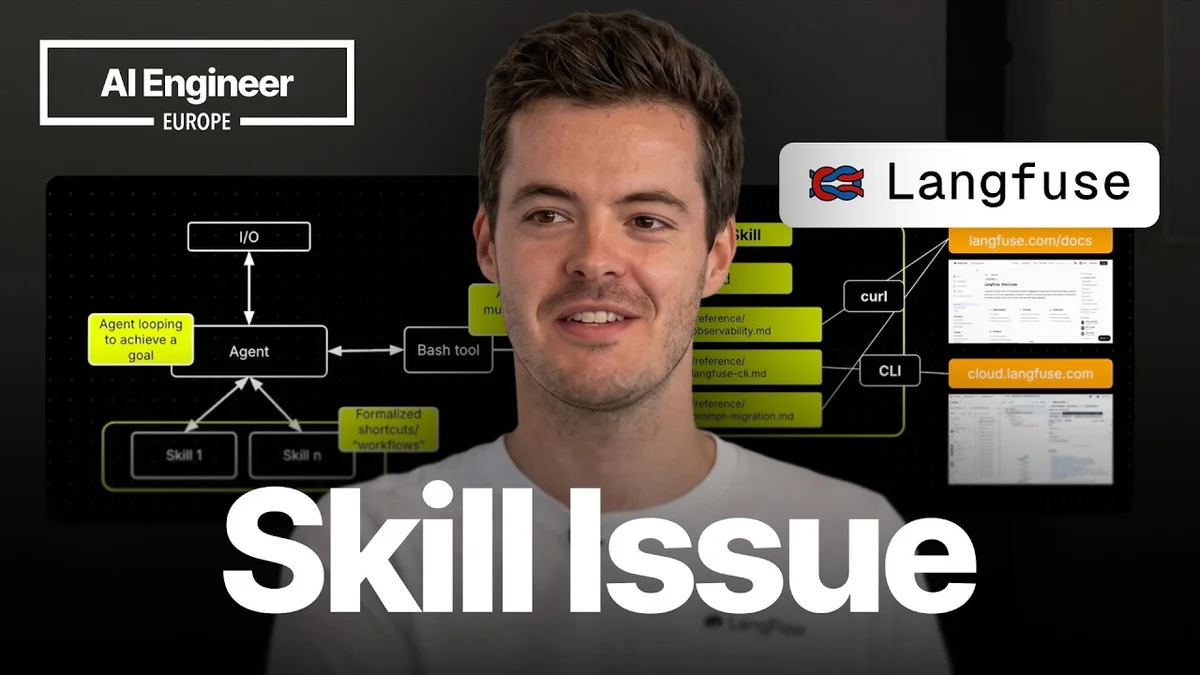
Marc Klingen on AI Agents & Langfuse
Marc Klingen of Langfuse shares lessons on upskilling AI coding agents, discussing the importance of observability, documentation, and iterative improvement.
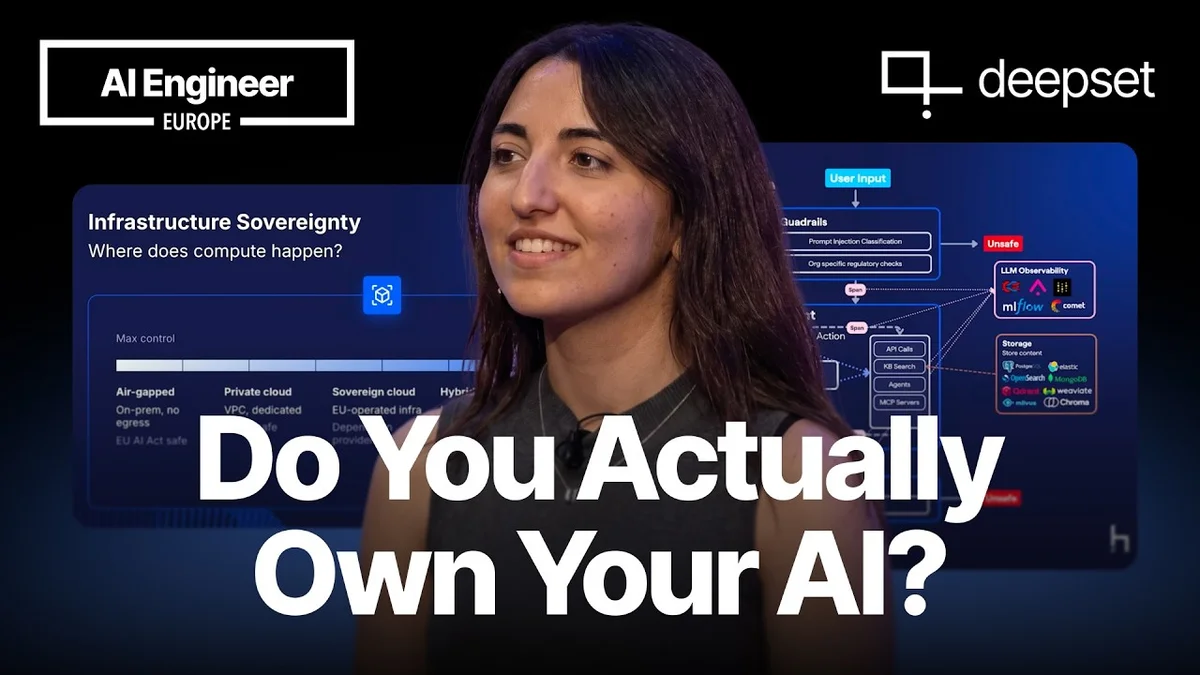
AI Sovereignty: What Breaks When You Build AI
Bilge Yücel from deepset GmbH explains the engineering challenges and solutions for building sovereign AI systems, focusing on data, model, infrastructure, and operational control.
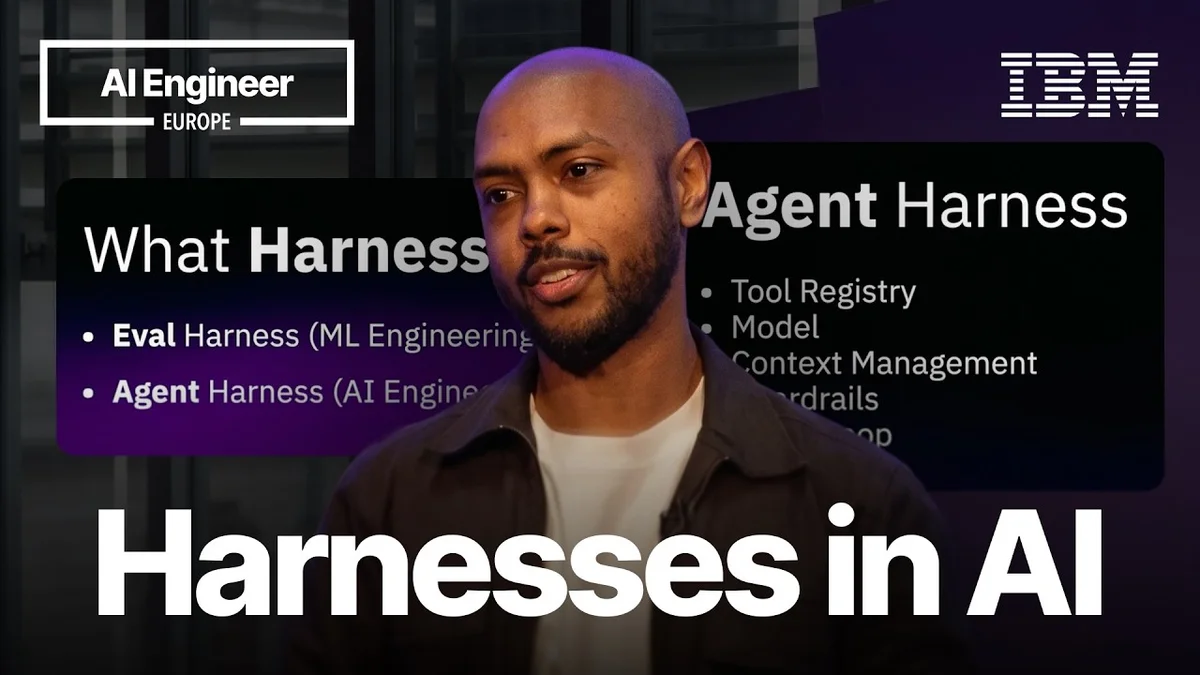
IBM's Tejas Kumar on 'AI Harnesses'
IBM's Tejas Kumar explains the concept of AI harnesses, detailing their types (Eval and Agent) and key components like tools, models, context management, and guardrails.
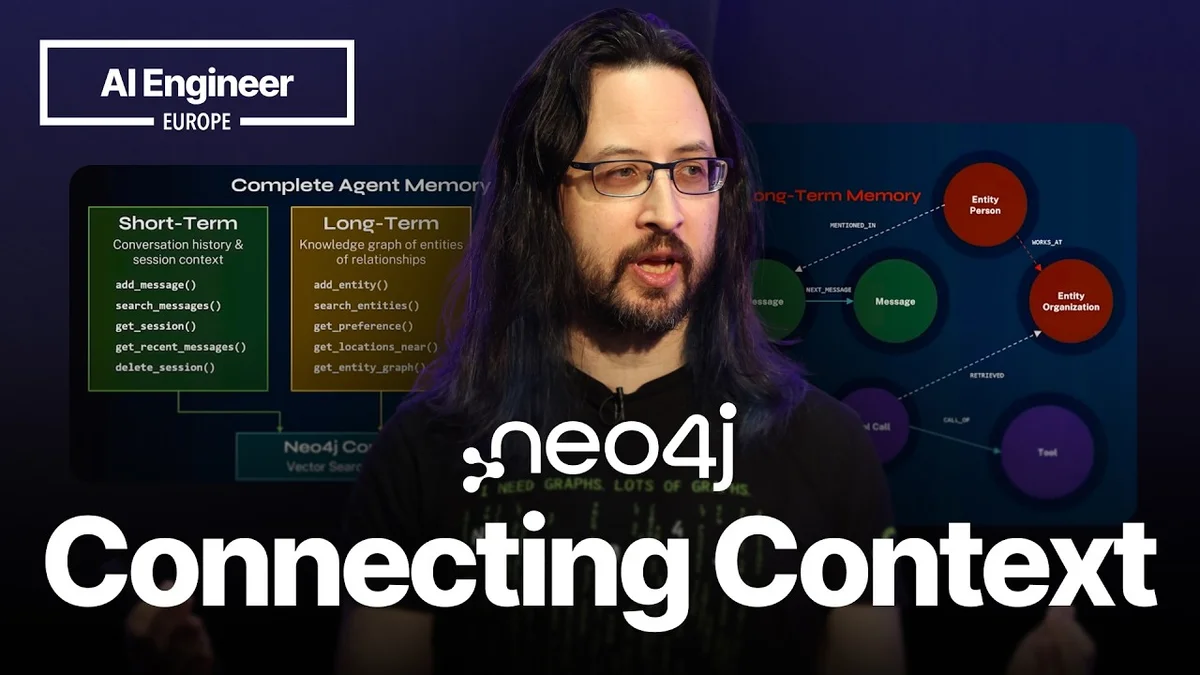
Neo4j's Stephen Chin on Context Graphs for AI
Stephen Chin from Neo4j discusses how context graphs, built on knowledge graph technology, are essential for creating explainable and context-aware AI agents.
Supabase's Pedro Rodrigues on AI Agents and Context
Pedro Rodrigues from Supabase discusses how 'Skills' and the MCP framework improve AI agent context and performance. Learn key principles for building effective product skills.
Agentic AI Fails: Loops, Planning & Unsafe Tool Use
An IBM Advisory AI Engineer breaks down why agentic AI systems fail, focusing on infinite loops, planning errors, and unsafe tool use, and offers mitigation strategies.
AutoScout24 Turbocharges Engineering with AI
AutoScout24 Group dramatically scaled its engineering capabilities by integrating OpenAI's ChatGPT and Codex, slashing development times and boosting innovation.
Embedding OpenClaw Coding Agent in Your Product
Matthias Luebken from Tavon.ai discusses embedding the OpenClaw coding agent, Pi, into products, highlighting its utility for developers and the future of AI in software systems.

Matt Pocock: Engineering Fundamentals Still Crucial in AI
Matt Pocock, author of 'AI Hero', emphasizes that engineering fundamentals are more crucial than ever for building robust AI systems.
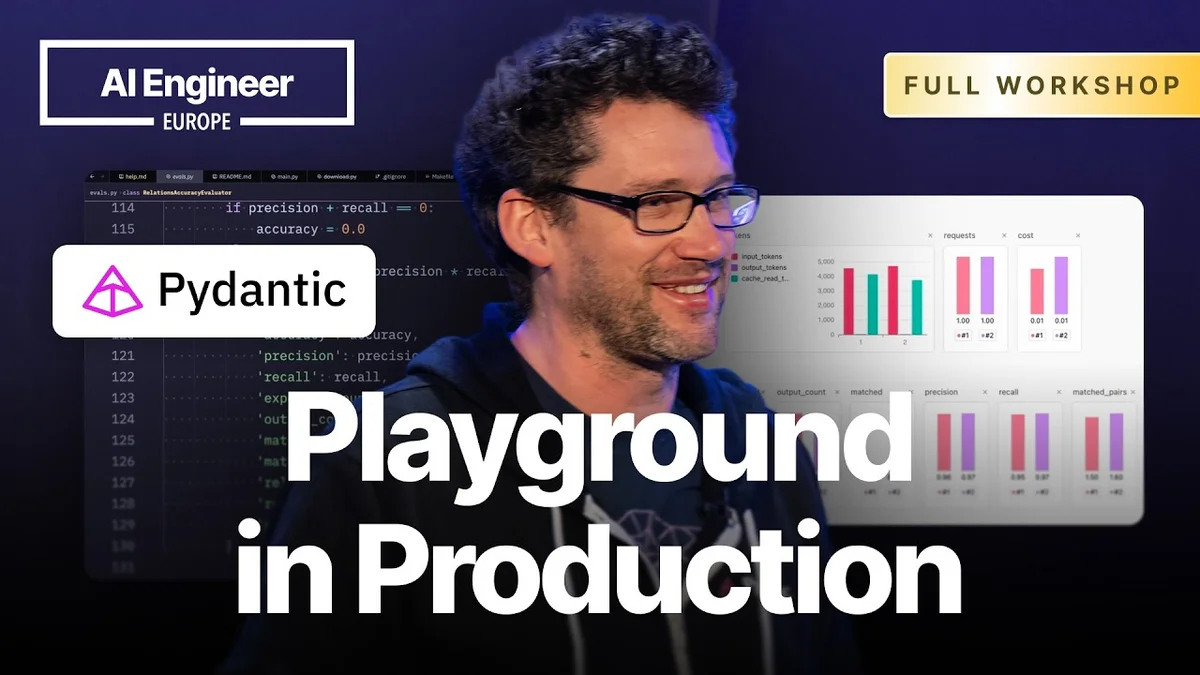
Samuel Colvin on Optimizing AI Agents in Production
Samuel Colvin, Pydantic CEO, discusses optimizing AI agents in production using GEPA and Logfire's managed variables at AI Engineer Europe.
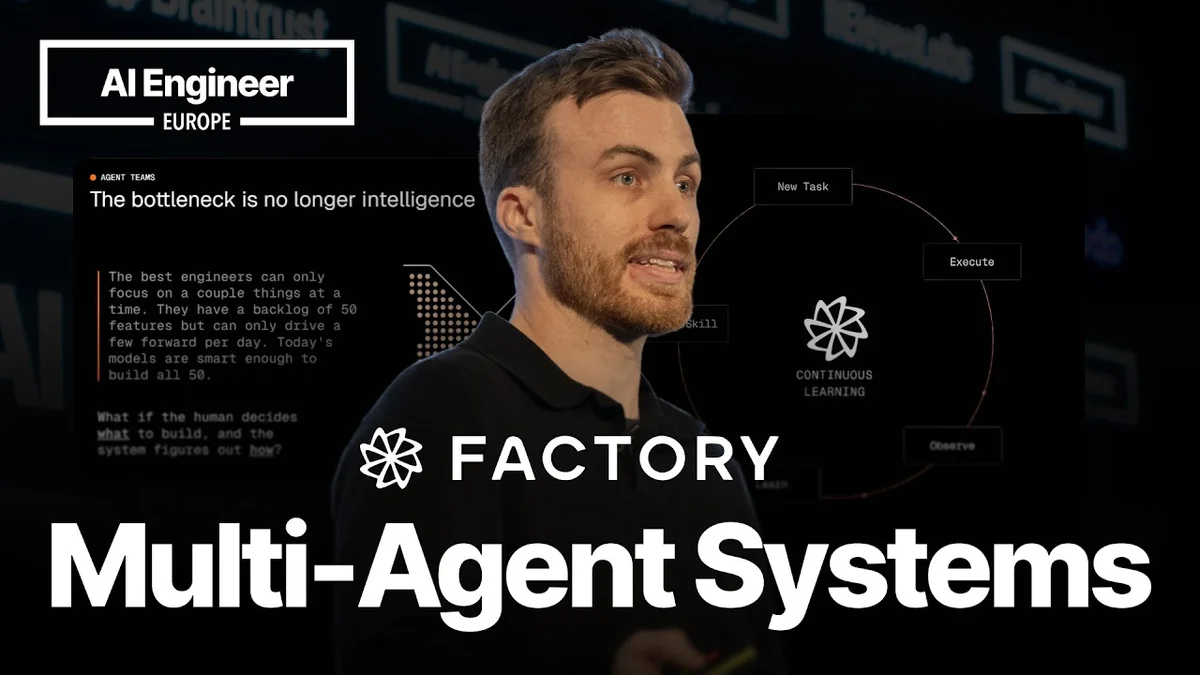
Missions: AI Agents That Ship for Days
Luke Alvoeiro from Factory discusses how multi-agent systems, like their 'Missions' platform, can overcome human attention bottlenecks in software engineering.
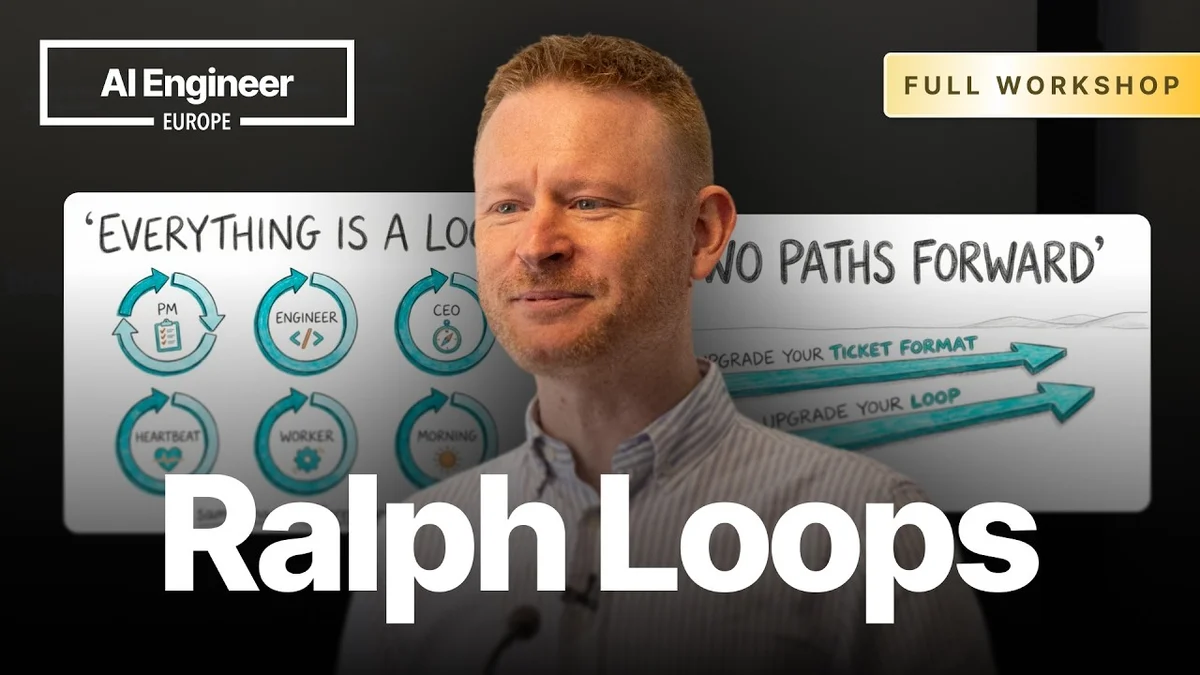
Build Dumb AI Loops That Ship with Chris Parsons
Chris Parsons of Cherrypick discusses how to build effective AI loops and products by focusing on simplicity and iteration.
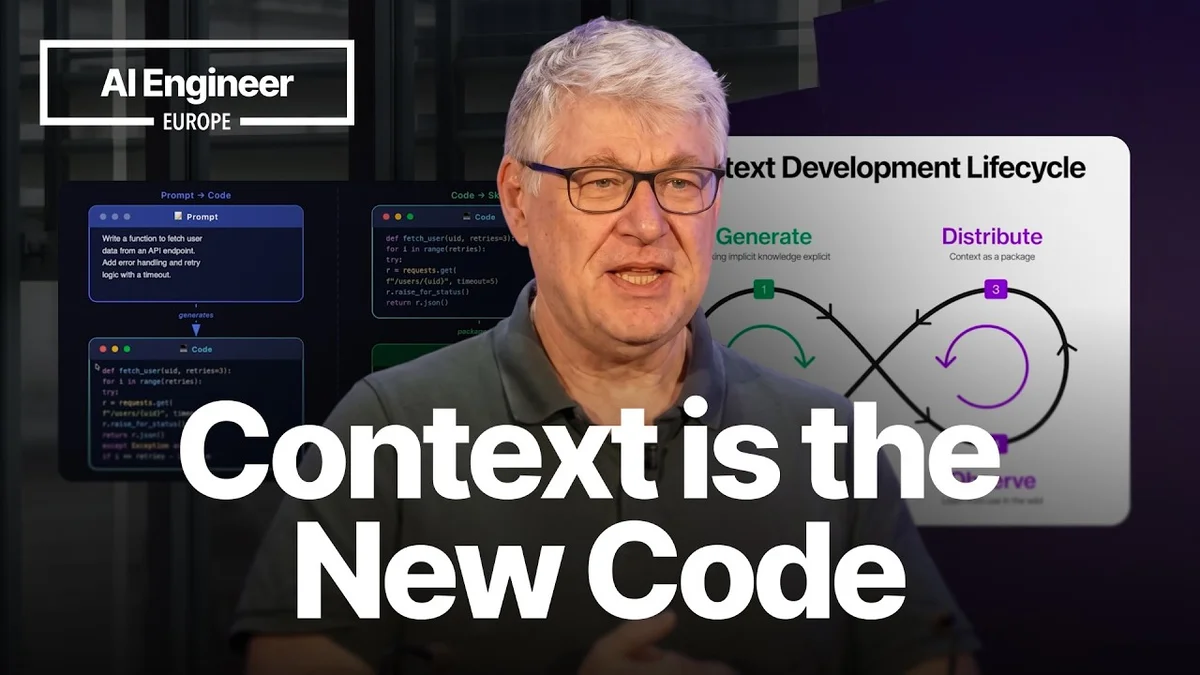
AI Engineers: Context is the New Code
Patrick Debois outlines the 'Context Development Lifecycle' for AI agents, emphasizing that 'context is the new code' and detailing the process from generation to observation.