


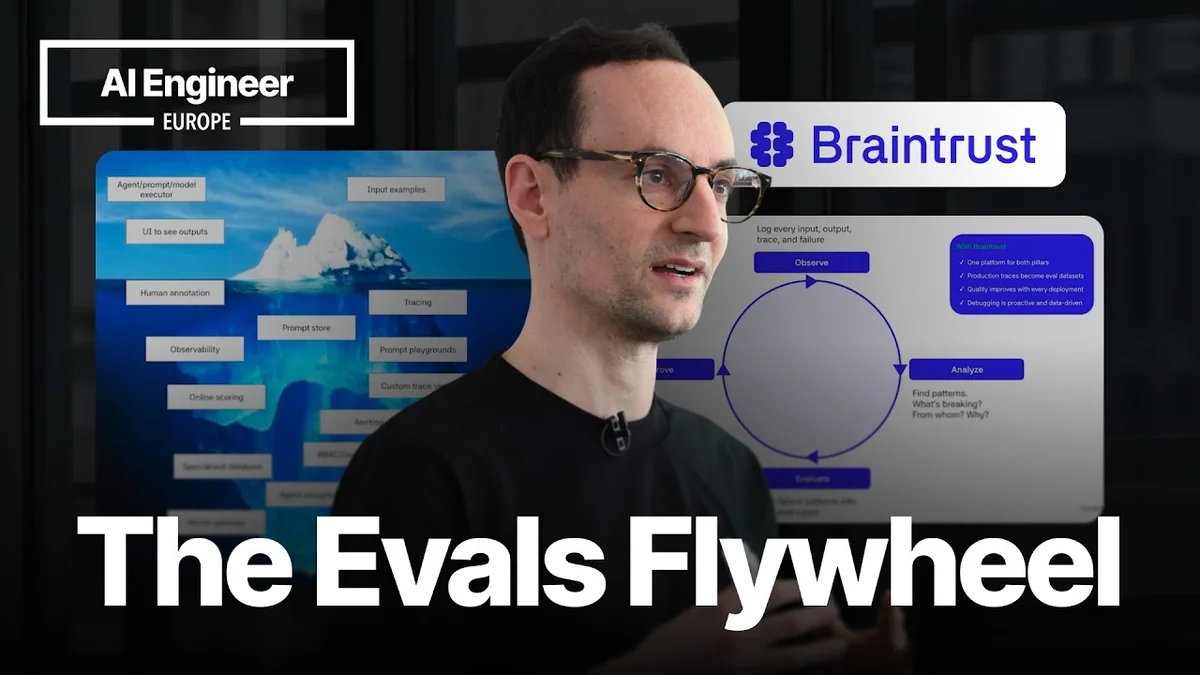
In the ever-evolving world of AI, ensuring the reliability and effectiveness of agents is paramount. Phil Hetzel, Head of Solutions Engineering at Braintrust, recently shared his insights on the complexities of building robust evaluation platforms for AI agents. Speaking to a packed audience at AI Engineer Europe, Hetzel emphasized that while the concept of evaluating AI might seem straightforward, the reality is far more intricate, presenting a unique set of challenges for both technical and non-technical teams.
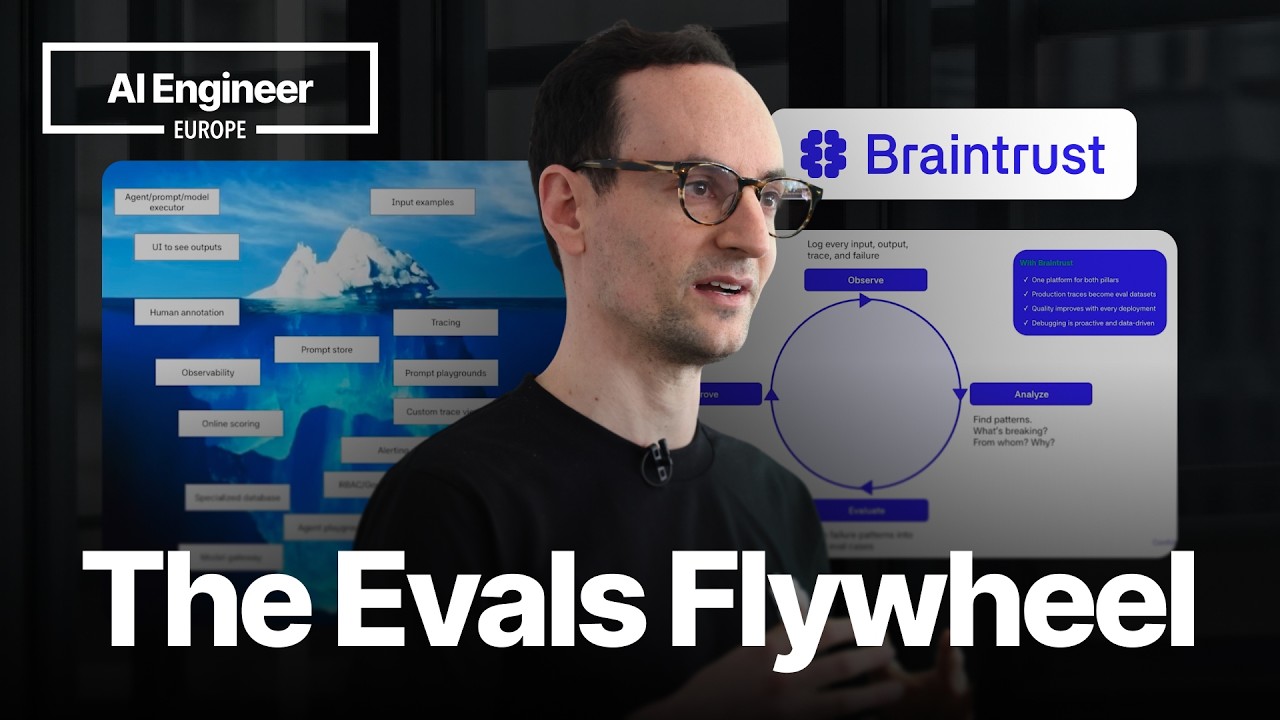
Meet Phil Hetzel: Bridging AI Engineering and Business Needs
Hetzel brings a wealth of experience to the table, with over twelve years in consulting and implementation. His background includes a significant role as a former leader of Slalom's global Databricks business unit, where he honed his skills in data architecture and scaling solutions. This practical experience, combined with his current role at Braintrust, gives him a unique perspective on how to translate complex AI challenges into actionable engineering strategies.
The Core Problem: AI agent variability
Hetzel kicked off his presentation by highlighting a fundamental challenge in AI development: the inherent variability of large language models (LLMs). He explained that these models, while powerful, can produce inconsistent outputs, making it difficult to guarantee predictable performance. "LLMs have extreme variability," Hetzel stated, setting the stage for why dedicated evaluation mechanisms are crucial. As agents become increasingly central to customer interactions, ensuring their quality and reliability before they engage with users is no longer optional.
The Rise of Agents and the Need for Eval Platforms
The conversation then shifted to the growing prevalence of agents in customer-facing roles. Hetzel noted that these agents are rapidly becoming the norm for how businesses interact with their customers. This trend directly amplifies the need for sophisticated evaluation platforms. "You need to become confident with how your agent will perform," he stressed. Without a robust system to test and validate agent behavior, companies risk deploying unreliable AI that could damage customer relationships and brand reputation.
Beyond Spreadsheets: The Complexity of Agent Evaluation
Hetzel presented a compelling analogy of an iceberg to illustrate the complexity of building effective evaluation platforms. The visible tip of the iceberg represents the basic functionality, the UI, input examples, and output display. However, the vast majority of the work, the submerged part of the iceberg, involves a complex interplay of underlying technologies and multi-persona workflows. This includes elements like human annotation, online scoring, prompt engineering, observability, and specialized functions. Hetzel emphasized that simply creating a basic UI on a spreadsheet is insufficient for truly understanding and improving agent performance. "It's way more complicated than that," he asserted, pointing to the need for a systems-level approach that addresses the intricate details of agent behavior.