

The 20 Best AI Agent Workflow Tools Worth Using in 2026
The shift from single-prompt AI to multi-step agent workflows is reshaping how teams delegate work. Here are the 20 tools actually worth using in 2026, ranked by platform maturity and agent readiness.
The cognitive automation landscape has transitioned away from fragile Large Language Model (LLM) wrappers and basic "Reason + Act" (ReAct) loops toward highly coordinated, context-aware, and multi-agent systems. In 2026, enterprise cognitive architectures demand more than conversational chat interfaces; they require execution-level parity with human operators, sandboxed computation, and strict compliance with corporate policy frameworks. The defining standard of modern agentic deployment rests on three core technological advancements: the Model Context Protocol (MCP) as a universal system interface, the programmatic separation of raw platform execution from underlying token consumption, and the integration of live "digital twins" of enterprise processes.
The following technical evaluation examines the 20 premier AI agent workflow tools in 2026, analyzing their architecture, integration capabilities, and deployment frameworks.
Disclosure: some links in this guide are partner links. StartupHub may earn a commission if you sign up through them, at no extra cost to you.
1. Mastra
Framework Origin and Funding
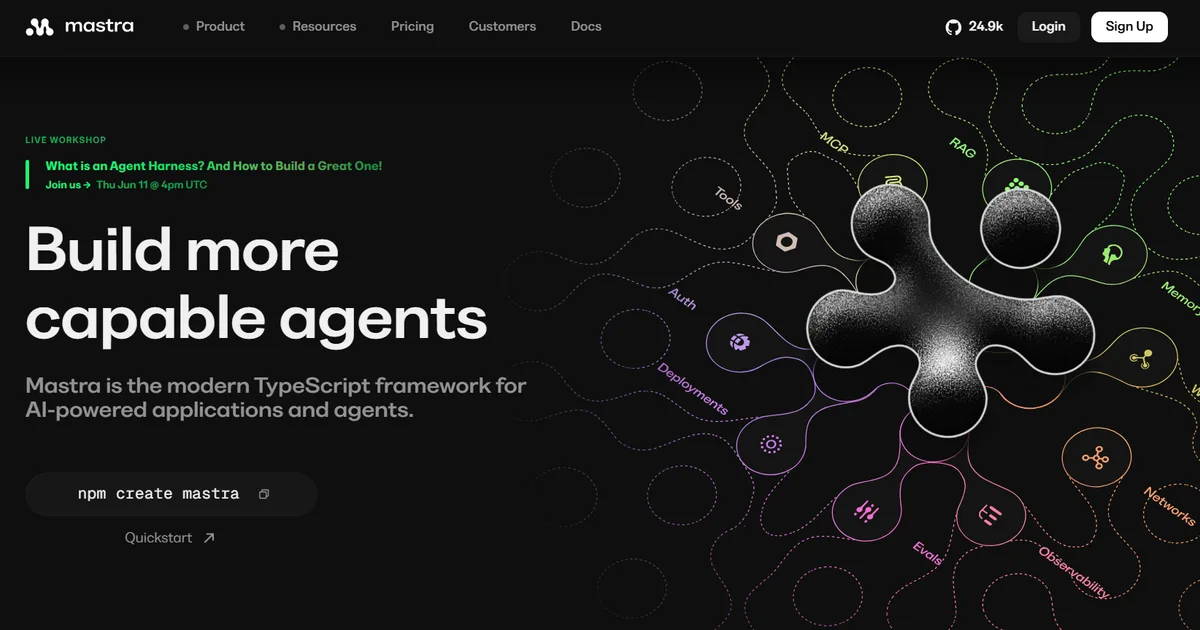
Mastra is an open-source TypeScript framework designed for building high-performance, resilient AI agents. Created by the engineering team behind the Gatsby React framework, Mastra emerged from Y Combinator’s Winter 2025 batch with $13 million in funding and achieved its v1.0 production release in January 2026. The framework has achieved significant developer adoption, surpassing 19.4k GitHub stars and 300k weekly npm downloads.
Architectural Design
Mastra organizes runtime operations around three core ideas: tool-calling loops where the LLM selects function call sequences, Zod-schema validated tools, and graph-based workflow engines. It integrates directly with the Vercel AI SDK, allowing developers to route execution across more than 90 different LLM providers through a single, standard interface. Workflow pipelines utilize a chainable syntax supporting .then(), .branch(), and .parallel() methods to manage complex logical execution.
  +-------------------------------------------------------------+
  |                        Mastra CLI                           |
  +-------------------------------------------------------------+
                                 |  (Scaffolds Project Structure)
                                 v
  +-------------------------------------------------------------+
  |                       Mastra Studio                         |
  |             (Local dev playground on localhost)             |
  +-------------------------------------------------------------+
           |                     |                      |
           v                     v                      v
  +-----------------+   +-----------------+   +-----------------+
  |     Agents      |   |   Workflows     |   |     Memory      |
  |  (Conversational|   |  (Deterministic |   | (Semantic vector|
  |  tool-calling   |   |   execution     |   | storage via     |
  |  loops; MCP sys)|   |   pipelines)    |   | libsql/Postgres)|
  +-----------------+   +-----------------+   +-----------------+
Telemetry, Memory, and MCP Support
Mastra provides local observability through Mastra Studio, a web UI launched via npx mastra dev that allows developers to test prompts, trace execution paths via OpenTelemetry-backed engines, and run evaluations without complex cloud infrastructure. Persistent state management is handled by @mastra/memory, which supports libSQL or Postgres backends using a retrieval design similar to grep -C. The framework also supports authoring Model Context Protocol (MCP) servers, allowing other agents to access internal tools and workflows.
| Feature Dimension | Mastra Specification Details |
|---|---|
| Primary Language | TypeScript / JavaScript |
| Open Source License | MIT |
| Telemetry Support | Native OpenTelemetry integration with centralized tracing |
| Memory Backends | libSQL (Turso), PostgreSQL |
| Integration Architecture | Native framework embedding or standalone server endpoints |
2. Dify
Platform Capabilities and Architecture
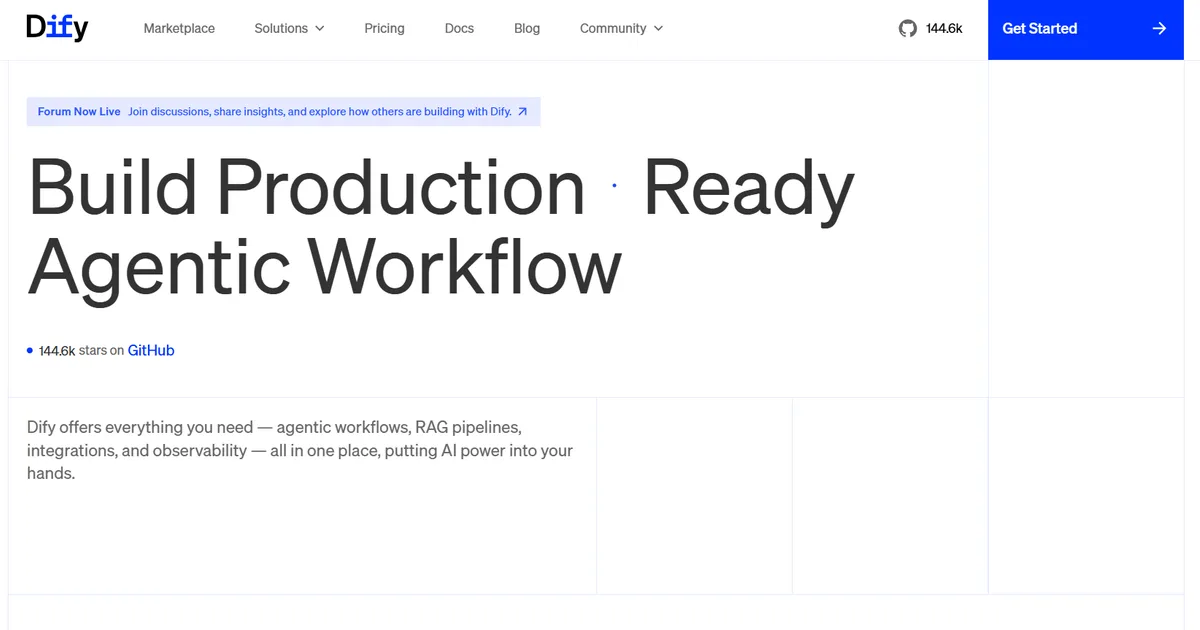
Dify is an open-source LLM application development platform that simplifies the orchestration of multi-agent workflows, retrieval-augmented generation (RAG) pipelines, and visual chatbot publishing. Operating under a modified Apache 2.0 license, Dify has become a widely used open-source AI platform, with more than 60,000 GitHub stars and 1 million applications deployed globally. The platform functions as a visual Backend-as-a-Service, integrating RAG engines, visual drag-and-drop builders, and LLM orchestration tools into a single environment.
Core Integrations and Model Routing
Dify offers native MCP integrations, allowing agents to connect with external systems and data sources. It provides built-in observability dashboards to monitor token consumption, latency, and user interaction metrics. Its multi-model support allows developers to switch between LLM providers, such as OpenAI, Anthropic, Google, and Hugging Face, on a per-node basis within a single workflow graph.
Cloud vs. Self-Hosted Tiers
Developers can self-host Dify under its open-source license, which removes usage limits but requires managing infrastructure costs like DigitalOcean compute, managed PostgreSQL, and vector databases. The cloud-hosted service provides tiered plans to scale team seats, document processing capacity, and monthly message execution quotas.
| Plan | Monthly Pricing (Annual) | Monthly Message Credits | Team Seats | Knowledge Storage |
|---|---|---|---|---|
| Sandbox | Free | 200 (one-time trial) | 1 Seat | 50 Documents / 50 MB |
| Professional | $59 / Workspace | 5,000 / Month | 3 Seats | 500 Documents / 5 GB |
| Team | $159 / Workspace | 10,000 / Month | 50 Seats | 1,000 Documents / 20 GB |
| Enterprise | Custom Quote | Custom / Unlimited | Unlimited | Custom / On-Premise |
3. CrewAI
Multi-Agent Orchestration
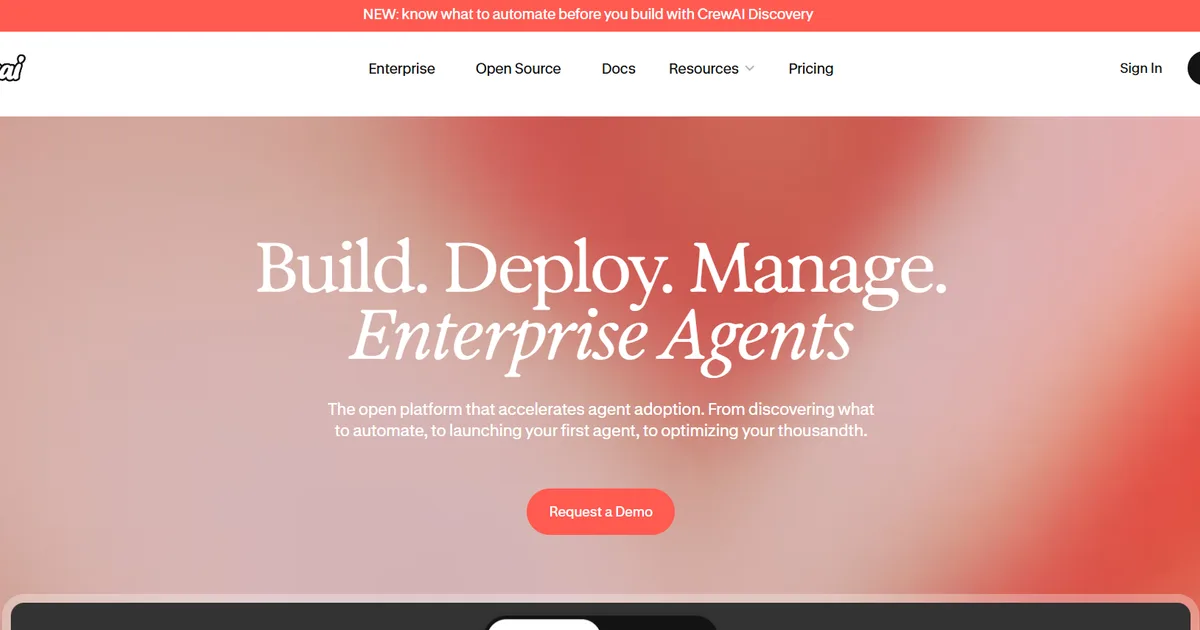
CrewAI is a Python-based multi-agent orchestration framework optimized for defining and coordinating structured "crews" of specialized AI agents. The framework gained rapid adoption, crossing 52,000 GitHub stars and 27 million PyPI downloads, and secured an $18 million Series A round from Insight Partners. CrewAI relies on role-based abstractions that assign distinct personas, goals, memories, and tool access to individual agents. These agents collaborate through sequential, hierarchical, or hybrid task-allocation processes.
Execution-Based Pricing
While the core framework is open-source, the CrewAI Cloud platform manages execution-based pricing across several tiers. Simple workflows on cheaper models typically cost between $0.06 and $0.12 per run, whereas complex multi-agent crews running premium models can cost $1.00 to $10.00+ per execution in raw LLM tokens. This token usage often outweighs the base platform subscription fees.
| Cloud Tier | Monthly Pricing | Monthly Executions | Team Seats | Key Inclusions |
|---|---|---|---|---|
| Free Cloud | $0 / Month | 50 Executions | 1 Seat | Drag-and-drop crew builder, 1 live deployed crew |
| Professional Cloud | $25 / Month | 100 Executions | 2 Seats | Team collaboration features, 5 deployed crews |
| Basic SaaS Portal | $99 / Month | 100 Executions | 5 Seats | 2 live deployed crews, web app hosting portal |
| Standard SaaS Portal | $500 / Month | 1,000 Executions | Unlimited | 2 onboarding hours, associate support |
| Pro SaaS Portal | $1,000 / Month | 2,000 Executions | Unlimited | 4 onboarding hours, senior support |
| Enterprise Cloud | Custom (~$60k to $120k/yr) | Custom | Unlimited | SOC2, SSO, PII masking, uptime SLAs |
4. FlowiseAI
Visual Low-Code Orchestration
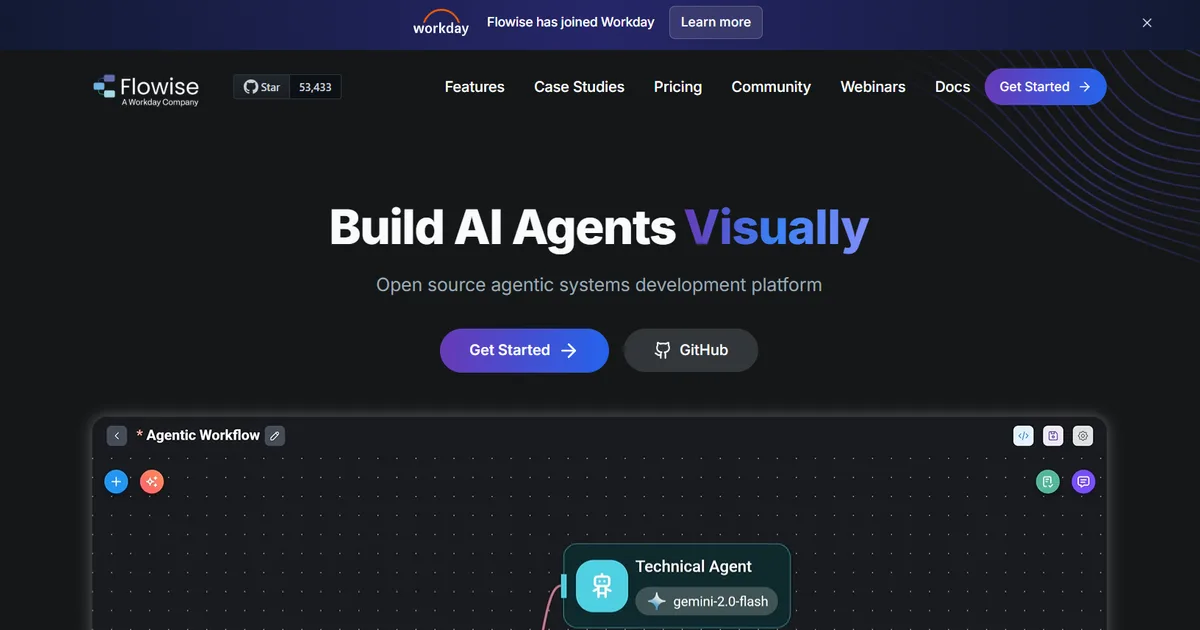
Flowise is an open-source, visual drag-and-drop platform designed to build, deploy, and evaluate AI agents and customized LLM applications. Built on LangChain, Flowise provides a modular component architecture that allows developers to link models, memory, vector databases, and tools visually while maintaining programmatic access via Python and TypeScript SDKs. This hybrid design makes it highly suitable for technical teams that want to prototype applications visually and call them from code.
Features and Integrations
Flowise supports more than 100 LLMs, embeddings, and vector databases out of the box. Its built-in chat widget simplifies embedding flows directly into custom web applications. For enterprise usage, the platform supports horizontal scaling with message queues and workers, and can be deployed on-premise or in the cloud using Docker.
| Flowise Tier | Pricing (Flat Rate) | Predictions Limit | Storage Limit | Admin / Team Governance |
|---|---|---|---|---|
| Free (Self-Hosted) | $0 | 100 / Month | 5 MB | Community support, 2 flows |
| Starter | $35 / Month | 10,000 / Month | 1 GB | Unlimited flows, hosted sandbox |
| Pro | $65 / Month | 50,000 / Month | 10 GB | Unlimited workspaces, 5 users, RBAC |
| Enterprise | Custom Quote | Custom | Custom | On-prem, SAML SSO, audit logs |
5. Composio
System Integration and OAuth Management
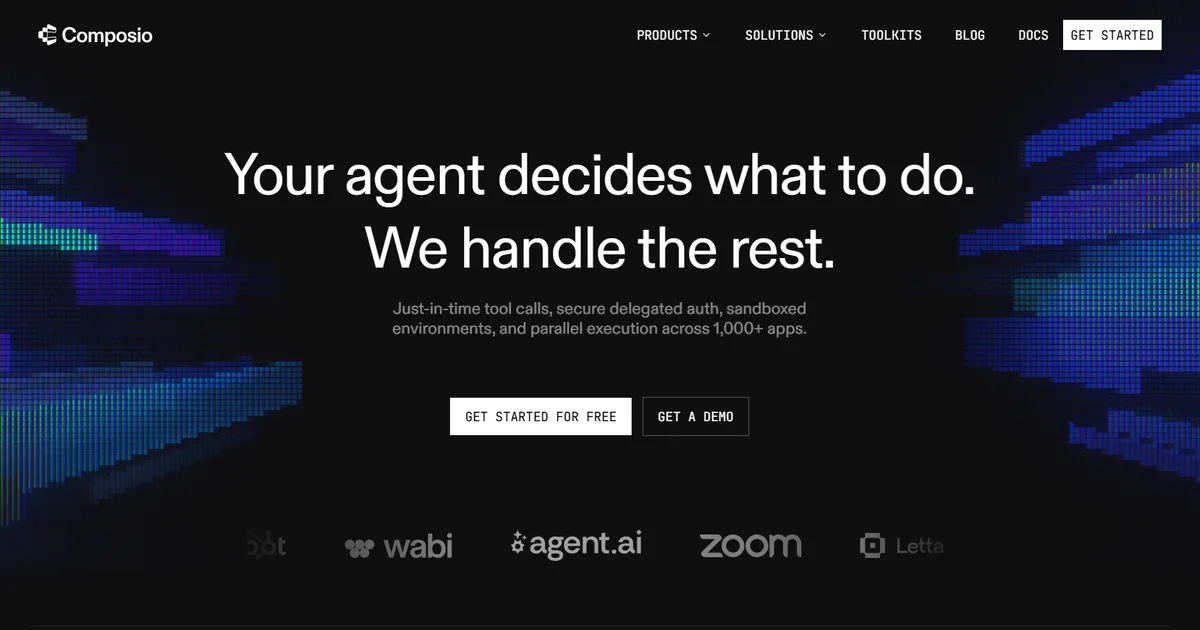
Composio functions as an advanced cognitive skill layer that connects AI agents to over 850 business tools, cloud APIs, and file systems. Instead of requiring developers to build custom integration pipelines, Composio manages complex authentication flows (OAuth 2.0, API keys), automated session tracking, and real-time webhook verifications out of the box. It provides SDKs in Python and TypeScript, making it compatible with frameworks like CrewAI, Mastra, Vercel AI SDK, and Claude Code.
  +-------------------------------------------------------------+
  |                        AI Planner                           |
  |                (Agent Framework / LLM Host)                 |
  +-------------------------------------------------------------+
                                 |  (Issues task request)
                                 v
  +-------------------------------------------------------------+
  |                    Composio Skill Layer                     |
  |  - Managed Auth (OAuth 2.0 / API Keys)                      |
  |  - Active Session Routing & Webhook Verification            |
  |  - Remote Sandboxes (Python Workbench / Bash Shell)         |
  +-------------------------------------------------------------+
         |                       |                       |
         v                       v                       v
  +--------------+        +--------------+        +--------------+
  |  Gmail API   |        |  GitHub API  |        | Slack Engine |
  +--------------+        +--------------+        +--------------+
Advanced Executor Architecture
Composio’s "Agent Orchestrator" framework addresses common bottlenecks like context bloat and tool selection noise by separating planning from execution. It includes remote sandbox workspaces where agents can execute code, run bash commands, and process files securely. This isolation ensures that untrusted code generated by the LLM is executed safely without risking production infrastructure.
| Capability Dimension | Composio Specification Details |
|---|---|
| Pre-built Connectors | 850+ toolkits (Gmail, Slack, GitHub, Jira, Notion) |
| Primary SDK Support | Python, TypeScript / JavaScript |
| Security Standards | SOC 2 and ISO 27001 compliant, webhook signature verification |
| Execution Sandboxes | Remote execution environment for Python, Bash, and file processing |
| Integration Protocols | Native MCP Server support, direct REST/gRPC API |
6. Vapi
Voice AI Orchestration Engine
Vapi is an API platform designed for developers and enterprises to build, deploy, and scale conversational voice AI agents. The platform handles low-latency media streaming, WebRTC connections, and multi-language support (100+ languages). It serves as an orchestration layer that coordinates audio ingestion, transcript processing, cognitive modeling, and voice generation in real time.
Cost-Per-Minute Breakdown
Vapi relies on a modular pricing model. While the platform’s hosting fee is advertised at $0.05 per call minute, actual runtime costs are significantly higher once transcription, speech-to-text (STT), text-to-speech (TTS), and LLM token costs are factored in.
  +-------------------------------------------------------------+
  |                 User Voice (Audio Input)                    |
  +-------------------------------------------------------------+
                                 |  (WebRTC Streaming / Twilio)
                                 v
  +-------------------------------------------------------------+
  |                   Speech-to-Text (STT)                      |  --> ~$0.01 / minute
  |                (Deepgram / Whisper API)                     |
  +-------------------------------------------------------------+
                                 |
                                 v
  +-------------------------------------------------------------+
  |                Large Language Model (LLM)                   |  --> ~$0.02 to $0.20 / minute
  |                 (GPT-4o / Claude Sonnet)                    |
  +-------------------------------------------------------------+
                                 |
                                 v
  +-------------------------------------------------------------+
  |                   Text-to-Speech (TTS)                      |  --> ~$0.04 to $0.15 / minute
  |               (ElevenLabs / PlayHT Voice)                   |
  +-------------------------------------------------------------+
                                 |
                                 v
  +-------------------------------------------------------------+
  |                Vapi Platform Orchestration                  |  --> $0.05 / minute hosting fee
  +-------------------------------------------------------------+
                                 |
                                 v
  +-------------------------------------------------------------+
  |               Synthesized Audio Response                    |
  +-------------------------------------------------------------+
Organizations must also consider concurrency fees; the base plan includes 10 concurrent lines, with additional lines costing $10 per line/month. Standard compliance services like HIPAA require a $1,000 to $2,000/month add-on, and Zero Data Retention policies cost $1,000/month.
| Cost Component Layer | Base Pricing Model | Realistic Effective Cost / Min |
|---|---|---|
| Vapi Base Hosting Fee | $0.05 / Minute flat | $0.05 / Minute (fixed infrastructure) |
| Transcription (STT) | Passed-through at cost (e.g. Deepgram) | ~$0.01 / Minute |
| Language Model (LLM) | Passed-through at cost (GPT-4 / Claude) | ~$0.02 to $0.20 / Minute (token dependent) |
| Voice Synthesis (TTS) | Passed-through at cost (ElevenLabs) | ~$0.04 to $0.15 / Minute (quality dependent) |
| Telephony Network | Carrier passed-through (Twilio / SIP) | ~$0.01 to $0.05 / Minute |
| Blended Run Rate | Combined modular stack | ~$0.13 to $0.33+ / Minute |
7. Hebbia

Knowledge Work Automation for High-Stakes Industries
Hebbia is an AI-native intelligence platform designed to automate complex, data-heavy workflows in regulated sectors like investment banking, private equity, credit research, and corporate law. The platform integrates with financial data providers (FactSet, PitchBook, S&P Capital IQ, Preqin) and allows users to upload massive document sets, providing a centralized interface for multi-document synthesis and due diligence.
Flagship "Matrix" Grid
At the center of Hebbia’s platform is "Matrix," which processes financial queries through agentic execution. Matrix uses "Iterative Source Decomposition" (ISD) to break down valuation, credit, and compliance queries into sequential sub-tasks, presenting the results in a collaborative data grid. To ensure accuracy and auditability, every claim in the output is linked directly to source passages via clickable, sentence-level citations.
  +-------------------------------------------------------------+
  |                       Hebbia Matrix                         |
  |    (Aggregates public financial databases & private data)   |
  +-------------------------------------------------------------+
         |                       |                       |
         v                       v                       v
  +-----------------+     +-----------------+     +-----------------+
  | Data Providers  |     |  Intralinks /   |     | Salesforce CRM  |
  |  (FactSet, S&P, |     | SharePoint VDRs |     |  Pipeline and   |
  |  Fitch, Preqin) |     |  (Dealrooms)    |     | Client Activity |
  +-----------------+     +-----------------+     +-----------------+
                                 |
                                 v
  +-------------------------------------------------------------+
  |              Iterative Source Decomposition (ISD)           |
  |  - Synthesizes multi-document financial queries             |
  |  - Automatically extracts covenants and risk factors        |
  |  - Verifies figures via specialized "Tick & Tie" agents     |
  +-------------------------------------------------------------+
                                 |
                                 v
  +-------------------------------------------------------------+
  |                     Traceable Output Grid                   |
  |   (Provides sentence-level citations & verifiable tables)   |
  +-------------------------------------------------------------+
June 2026 Platform Updates
- Fitch Research & ICE Data: Direct access to global credit ratings, ETFs, and market indices within Hebbia Chat.
- Intralinks M&A Integration: Bidirectional syncing with Intralinks virtual data rooms (VDRs) to streamline capital markets due diligence.
- Salesforce Syncing: Integrates CRM data, customer activity, and account coverage profiles into the document synthesis layer.
- Claude Marketplace & API Access: Simplifies enterprise procurement via the Claude Marketplace and provides a developer API to run workflows directly from Excel, Snowflake, or custom dashboards.
- Hebbia MCP Server: Allows external AI assistants (like ChatGPT or Claude) to query Hebbia projects and retrieve cited responses.
- Tick and Tie Agent: A specialized agent that verifies data points in presentations or pitches against reference PDFs and spreadsheets page-by-page.
8. Celonis
Process Intelligence as Cognitive Context
Celonis is a global leader in process mining and process intelligence, positioned furthest on the Completeness of Vision axis in the 2026 Gartner Magic Quadrant for Process Intelligence. The Celonis Process Intelligence Platform serves as a core semantic intelligence layer for enterprise AI, providing autonomous agents with the operational context they need to execute business decisions accurately across legacy enterprise resource planning (ERP) platforms.
The Context Model and Ikigai Integration
At the center of Celonis’s architecture is the "Context Model," which integrates process mining data with deep business logic to construct a live digital twin of business operations. This model is powered by Celonis’s acquisition of Ikigai and its advanced forecasting algorithms, overseen by Devavrat Shah, former Chief Scientist at Ikigai and now Chief AI Scientist at Celonis. Key system features include:
- Process Intelligence Graph (PI Graph): A system-agnostic, object-centric process mining (OCPM) model that structures multi-system data into a coherent map of enterprise processes.
- Annotation Builder with Writeback Support: Allows autonomous AI agents to write classifications, risk scores, and extracted attributes directly back into the OCPM data models.
- Zero-Copy Data Core: Enables high-performance, bidirectional data syncs with Amazon S3, Snowflake, Databricks, and Microsoft Fabric without duplicating massive database tables.
- AI-Driven Task Discovery: Links manual clicks and messages directly to business processes, helping agents understand how employees handle exception queues and administrative tasks.
| Architectural Component | Technical Function and Mechanism | Performance Metrics |
|---|---|---|
| Object-Centric Process Mining | Generates system-agnostic event logs | Restructured event logs without data-extraction bottlenecks |
| Zero-Copy Data Core | Leverages S3, Snowflake, Fabric, and Databricks | Up to 10x faster data transformation, 14x reduction in processing times |
| Annotation Builder | Pushes AI-generated risk and priority scores into ai_annotations tables | Autonomously batch-processes large datasets, bypassing typical 200,000-row limits |
| Process Explorer | Analyzes transactional events in Studio | Unlimited events displayed, with the most relevant 5,000 loaded first |
9. Outlit
Automating the Deal Desk Bottleneck
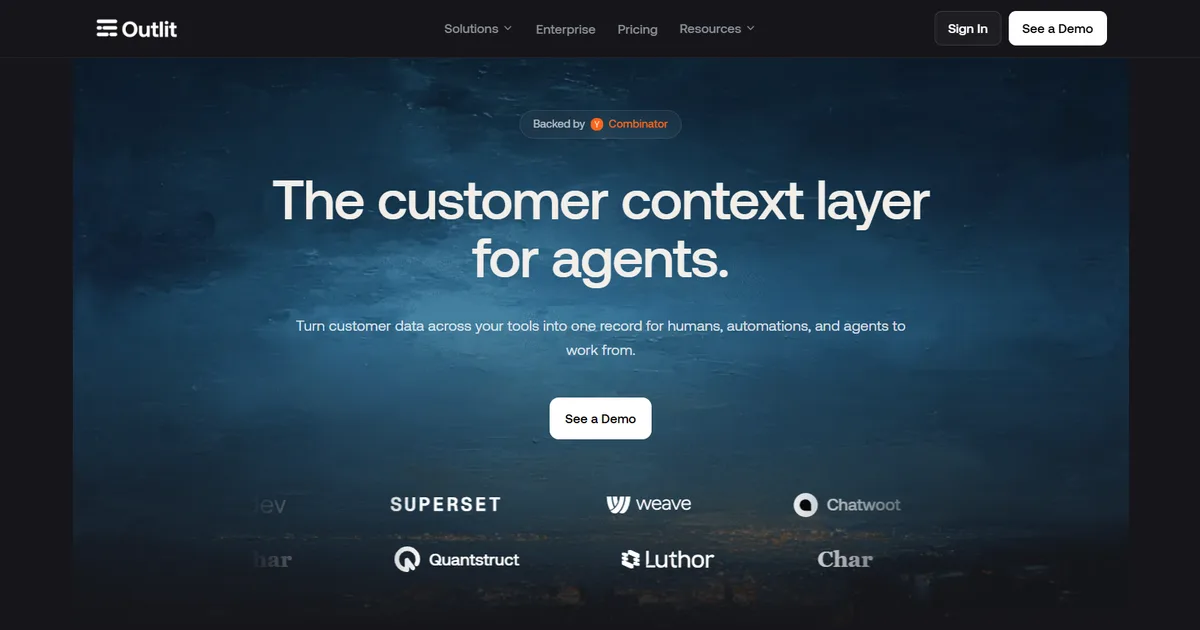
Outlit is an enterprise infrastructure platform designed to automate pricing, approval routing, and contract reviews across Revenue Operations (RevOps) and Deal Desk workflows. Outlit launched out of Y Combinator’s Winter 2025 batch to bridge the gap between sales speed and deal hygiene.
  +-------------------------------------------------------------+
  |                      Outlit Core API                        |
  |      (Sits directly under existing enterprise tooling)      |
  +-------------------------------------------------------------+
         |                       |                       |
         v                       v                       v
  +--------------+        +--------------+        +--------------+
  |  Stripe ARR  |        | PostHog Usage|        | HubSpot CRM  |
  +--------------+        +--------------+        +--------------+
                                 |
                                 v
  +-------------------------------------------------------------+
  |                  Identity Resolution Engine                 |
  |  (Resolves fragmented user domains, emails, & workspace IDs)|
  +-------------------------------------------------------------+
                                 |
                                 v
  +-------------------------------------------------------------+
  |                 Deal Desk Playbook Automation               |
  |  - Normalizes contract terms and historical discount limits |
  |  - Surfaces cross-sell, upsell, and renewal indicators      |
  |  - Enforces approval routing rules programmatically         |
  +-------------------------------------------------------------+
Customer Context Infrastructure
Outlit matches and resolves customer identities across fragmented tools, including Stripe, HubSpot, PostHog, Slack, Gmail, and meeting assistants like Granola and Fireflies, building a single, queryable customer profile accessible via API, MCP, and CLI.
Outlit replaces manual sequential contract reviews with programmatic policy enforcement. When sales teams submit a discount or configuration request, Outlit’s Deal Intelligence Agent analyzes historical contract patterns, checks compliance against financial parameters, and routes the deal instantly or triggers approval escalations to management. Outlit is SOC 2 Type II and ISO 27001 certified, ensuring enterprise-grade data security.
| Resolved Source | Extracted Signal Category | Actionable Trigger Alert |
|---|---|---|
| Stripe Engine | Churn events, ARR history, subscription changes | Churn Watch: champion is silent and user logins drop by 50% |
| PostHog Analytics | Feature usage, session metrics, login drops | Renewal at Risk: deal is stalled and a P1 support ticket is open |
| HubSpot CRM | Deal stages, pipeline activity, account owners | Expansion Play: buying-intent signals match product inquiry data |
| Pylon Tickets | API outages, unresolved P1 issues, support load | Degradation Alert: nightly scoring of accounts with service friction |
| Gmail / Granola | Silent buying champions, meeting notes, call records | Recovery Watch: monitors account activity during success workflows |
10. Lovable
Full-Stack AI App Builder
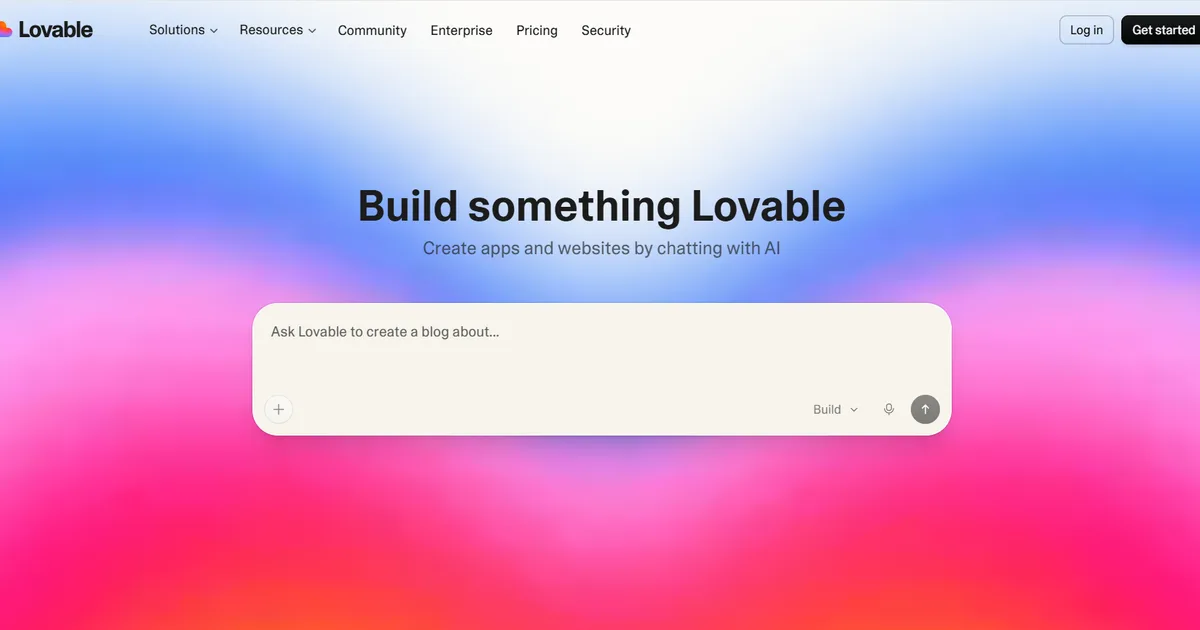
Lovable is an AI-powered full-stack application builder designed to turn plain English descriptions into production-ready web applications, complete with frontend interfaces, backend database storage, and authentication. Built on React, Supabase, and Tailwind CSS, Lovable auto-provisions Supabase PostgreSQL databases, hosting, and secure user management, allowing users to go from concept to a live web app in minutes.
Operational Modes
The platform relies on three core operating modes to streamline development: "Plan Mode" for drafting specs, "Agent Mode" for editing code across multiple files, and "Chat Mode" for visual design adjustments.
  +-------------------------------------------------------------+
  |                         Lovable UI                          |
  |          (Natural Language Inputs + Visual Canvas)          |
  +-------------------------------------------------------------+
           |                     |                      |
           v                     v                      v
  +-----------------+   +-----------------+   +-----------------+
  |    Plan Mode    |   |   Agent Mode    |   |    Chat Mode    |
  | (Collaborative  |   | (Autonomous     |   | (Visual UI      |
  | architectural   |   | multi-file code |   | component       |
  | drafting space) |   | writing)        |   | styling canvas) |
  +-----------------+   +-----------------+   +-----------------+
                                 |
                                 v
  +-------------------------------------------------------------+
  |                        Lovable Cloud                        |
  |  (Auto-provisioned Supabase backend, Postgres DB, OAuth)    |
  +-------------------------------------------------------------+
Lovable integrates with n8n to connect applications with over 400 external tools, and is SOC 2 Type II and ISO 27001 certified.
| Environment Mode | Primary Technical Function | Developer Control Level |
|---|---|---|
| Plan Mode | Builds standard technical specifications from user descriptions | Collaborative planner and spec draft mode |
| Agent Mode | Takes ownership of the codebase and edits files autonomously | Modifies multi-file codebases in React + Tailwind |
| Chat Mode | Handles interface planning and debugging using natural language | Refines layouts and handles error-reporting loops |
| Visual Edits | Allows direct visual manipulation of UI components without prompts | Direct layout and styling adjustments |
11. Moveworks
Enterprise Conversational Service
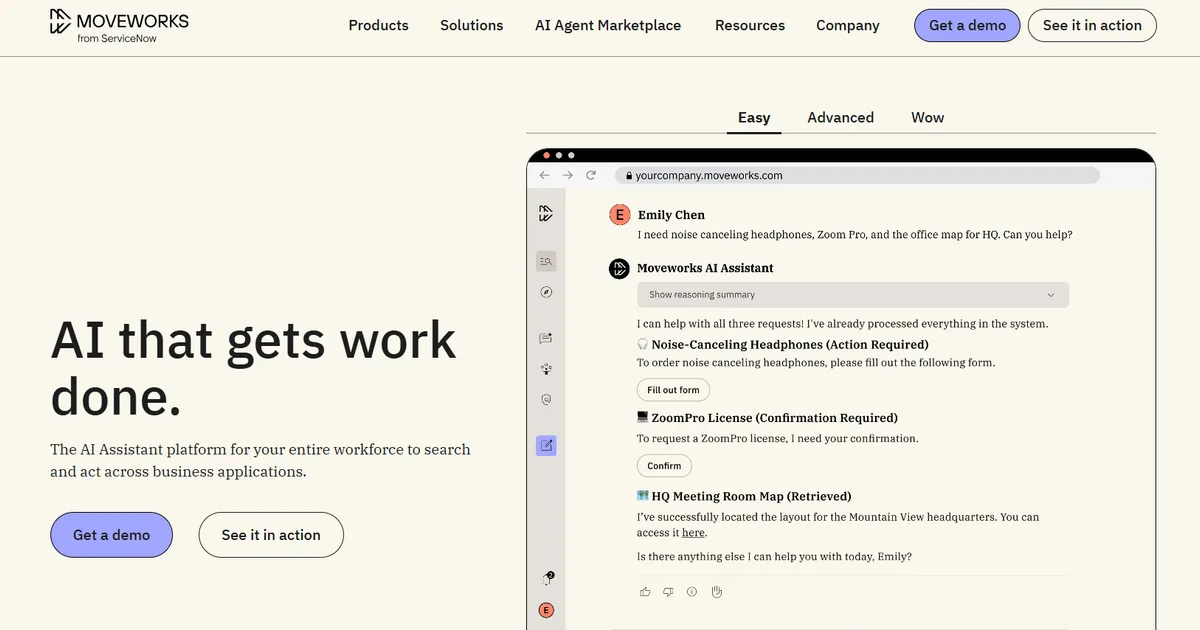
Moveworks is an enterprise-grade agentic AI assistant designed to unify internal business systems into a conversational interface for employees. It is widely used by large enterprises to automate IT support, HR requests, and employee service tickets directly within Slack, Microsoft Teams, or enterprise portals.
Reasoning Engine and Agent Studio
The platform features the "Moveworks Reasoning Engine," which orchestrates proprietary models like MoveLM alongside enterprise LLMs to plan and execute multi-step requests. Moveworks provides:
- Agent Studio: A low-code developer platform for building custom agents, integrating systems, and configuring automated workflows.
- AI Agent Marketplace: A catalog of over 1,000 pre-built agents and connectors to accelerate deployment across enterprise platforms.
- Next-Gen Copilot Synthesis: Synthesizes search results across multiple knowledge repositories to deliver direct, summarized answers to employee support questions.
By integrating with platforms like ServiceNow, Workday, and Google Workspace, Moveworks reduces helpdesk queues and support ticket resolution times through automated self-service.
12. Lindy
No-Code Inbox and Calendar Automation
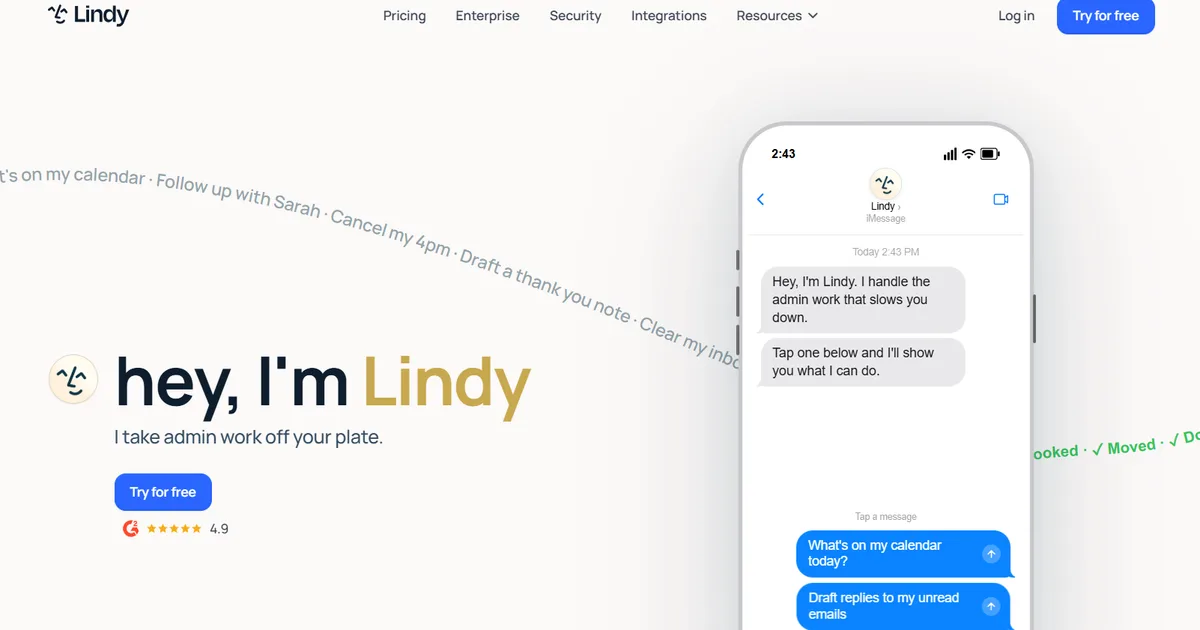
Lindy is a no-code AI agent builder designed to automate daily personal productivity, CRM upkeep, customer support, and lead qualification workflows. Lindy is optimized for business operators and solopreneurs who want to configure custom AI assistants without managing visual node graphs or writing API logic.
The platform allows users to interact with their customized agents directly via text, email, iMessage, or SMS. It is cloud-only, lacking offline support or local database access, but connects with over 7,000 apps via Pipedream integrations.
Pricing and Token Consumption
Lindy’s subscription tiers scale based on monthly credit usage. Simple actions like sending an email consume 1 credit, while multi-step tasks like web scraping or CRM enrichment cost 5 to 10+ credits per run. Voice-calling agents consume credits significantly faster, at a rate of 20 credits per minute.
| Lindy Tier | Base Price / Month | Monthly Credit Allocation | Core Technical Advantage |
|---|---|---|---|
| Generous Free | $0 | 400 Credits | Multi-app task templates |
| Plus Tier | $49.99 | ~1,500 Tasks | Inbox, calendar, and meeting coordination |
| Pro Tier | $99.99 | 5,000 Credits | Multi-step research and CRM updates |
| Business Tier | $299.99 | 30,000 Credits | Unlimited calls, multi-agent workspaces |
| Enterprise | Custom Quote | Custom Bulk Credits | Audit logs, SCIM, dedicated AI support |
13. Manus AI
Background and Launch Frenzy
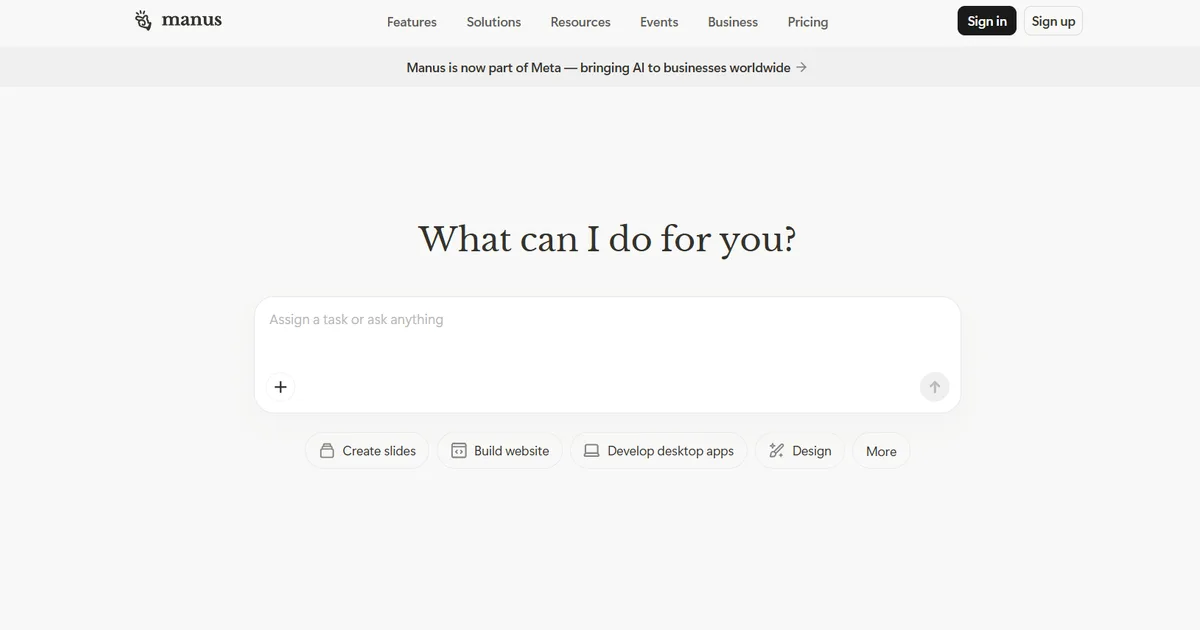
Manus AI is a highly autonomous, general-purpose AI agent developed by Singapore-based Butterfly Effect, a startup founded by Xiao Hong. Before building Manus, the company developed Monica, a popular ChatGPT-powered browser extension, and declined a $30 million acquisition offer from ByteDance in 2024. Co-founded by chief scientist Ji Yichao, the company launched Manus in private beta on March 6, 2025, generating significant demand that saw invitation codes resell for over $1,000 on global platforms. In 2026, Manus has become part of Meta, expanding its reach to enterprise environments globally.
Architecture and Cloud VM Interface
Operating asynchronously in the cloud, Manus runs within a virtual machine sandbox environment, allowing it to complete complex, multi-step tasks, like market research or stock analysis, independently. The system is powered by a multi-agent architecture where a planning sub-agent breaks down objectives, coordinates with specialized sub-agents (code generation, web browsing), and executes actions through a virtual browser.
  +-------------------------------------------------------------+
  |                       Manus Console                         |
  |   (Natural Language Objective: e.g. "Analyze Competitors")  |
  +-------------------------------------------------------------+
                                 |
                                 v
  +-------------------------------------------------------------+
  |                Manus Cloud Virtual Machine                  |
  |  - Planning Sub-Agent (Decomposes task into sub-tasks)      |
  |  - Code Generation Sub-Agent (Compiles data analysis)       |
  |  - Browser Operator Sub-Agent (Direct mouse/keyboard)       |
  +-------------------------------------------------------------+
         |                       |                       |
         v                       v                       v
  +--------------+        +--------------+        +--------------+
  | Opens tabs & |        | Compiles data|        | Exports PDFs,|
  | searches web |        | in container |        | slides, CSVs |
  +--------------+        +--------------+        +--------------+
                                 |
                                 v
  +-------------------------------------------------------------+
  |                      Replayable Session                     |
  |  - Interactive video-timeline replay of all execution steps |
  +-------------------------------------------------------------+
Manus’s primary differentiator is "Manus’s Computer," an interactive side panel that displays the agent’s browser operations in real time. It also supports session replays, allowing teams to review, audit, and debug the exact execution path taken by sub-agents to complete complex tasks.
| Operational Metric | Technical Detail and Capacity |
|---|---|
| Stable Release | Manus 1.6 / December 15, 2025 |
| GAIA Benchmark Rating | >65% (surpassing historical baselines) |
| Task Success Rate | 92% (average across standard research benchmarks) |
| Tool Connectors | 100+ native tool integrations |
| Pricing Models | $0 trial, 8,000 credits monthly tier, $200 tier for 40,000 credits |
14. Airtable
AI-Native App Platform
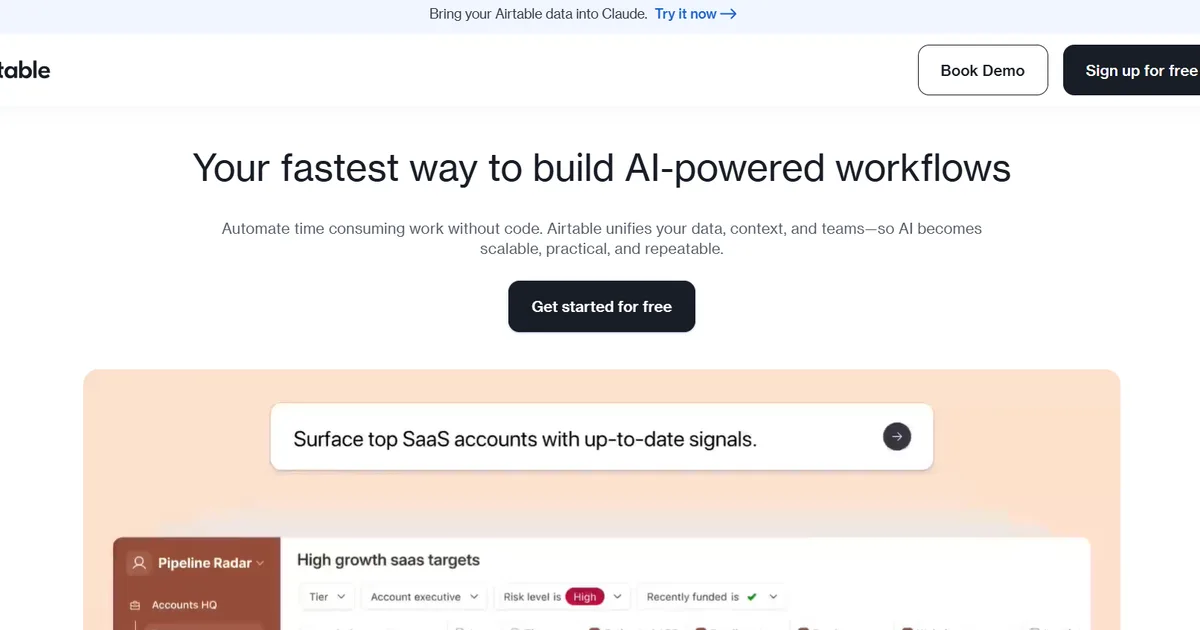
Airtable is a cloud-based relational database and application platform that allows teams to build custom workflows, shared databases, and internal interfaces without code. By integrating natural language AI capabilities directly into its relational database structure, Airtable helps teams manage qualitative data alongside structured operational records.
Core AI Capabilities
- AI Text Generation: Automatically generates product descriptions, email drafts, and marketing copy by pulling relevant details from linked database records.
- AI Formula Assistant: Translates natural language descriptions of complex business logic into correct Airtable formulas.
- AI Data Summarization: Condenses lengthy qualitative entries, such as customer feedback or call transcripts, into structured data summaries.
- AI-Powered Automations: Uses AI classification steps within trigger-action sequences to categorize, tag, and route incoming records.
Seat-Based Billing and Database Limits
Airtable’s seat-based pricing structures are organized around tiered database limits, attachment storage, and monthly automation runs. While read-only viewer seats are free across all plans, any user with editor-level access is billed as a paid seat. In line with billing changes implemented in October 2025, Airtable no longer offers prorated refunds for mid-cycle seat removals, meaning removed editor seats remain billable until the next renewal date.
| 2026 Plan | Billed Seat Price / Year | Max Records / Base | Monthly Automation Runs | Monthly AI Credits |
|---|---|---|---|---|
| Free Plan | $0 / Editor | 1,000 | 100 | 500 / User |
| Team Plan | $20 / Editor | 50,000 | 25,000 | 15,000 / User |
| Business Plan | $45 / Editor | 125,000 | 100,000 | 20,000 / User |
| Enterprise Scale | Custom Quote | 500,000 | 500,000 | 25,000 / User |
15. Make
Visual Scenario-Based Automation
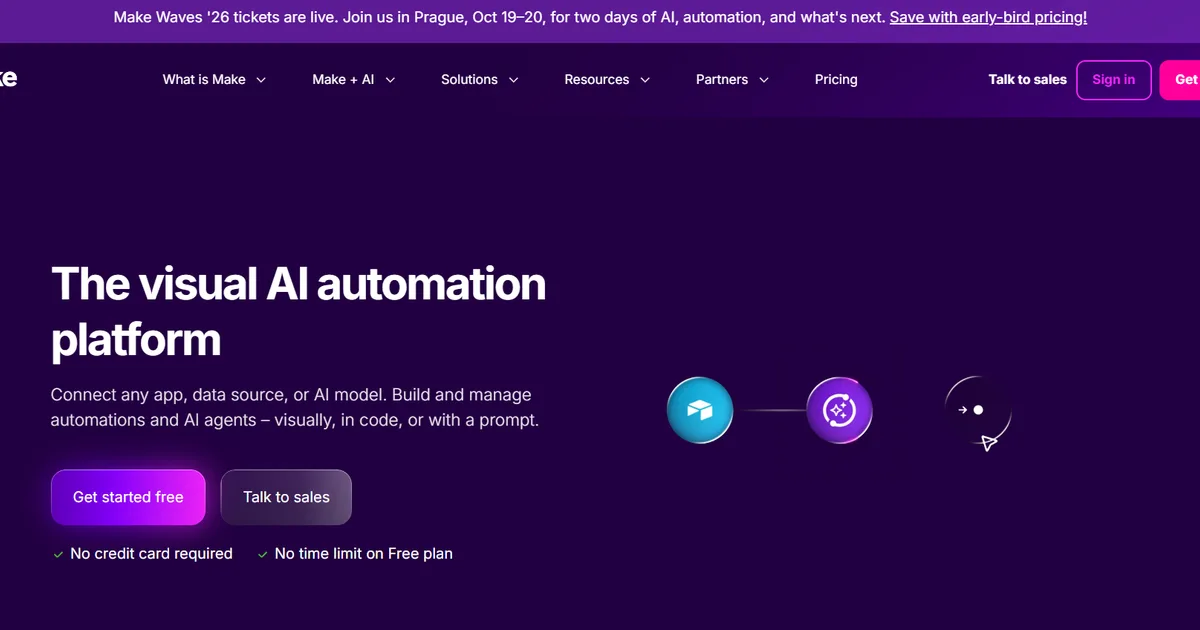
Make is a visual workflow automation platform that allows organizations to connect APIs, orchestrate data flows, and automate systems using a drag-and-drop interface. The platform supports advanced logical execution, allowing users to configure multi-step processes, filters, error handling, and parallel routers across more than 3,000 SaaS integrations.
AI Extenders and Make MCP
- 350+ AI App Integrations: Connects specialized AI models, vector stores, and prompt managers natively into visual scenarios.
- AI Content Extractor: Parses unstructured files to extract metadata, text, and key fields directly within scenario runs.
- Make MCP Server: Exposes visual scenario graphs directly to external AI assistants, allowing models to trigger workflows on demand.
Tiered Credit Model
Make’s subscription plans utilize credit-based pricing, where every module action in a workflow consumes 1 execution credit. Core, Pro, and Teams plans default to 10,000 credits per month, with options to purchase additional capacity as execution volumes scale.
| Make Plan | Base Price / Month | Minimum Interval | Key Platform Feature | Advanced AI Inclusions |
|---|---|---|---|---|
| Free | $0 | 15 minutes | 3,000+ app connectors, filters | Basic web scrapers |
| Core | $12 | 1 minute | Scenario scheduling, webhook triggers | 350+ AI App Integrations, MCP server |
| Pro | $21 | Instant | Priority execution, custom variables | Full-text scenario execution search |
| Teams | $38 | Instant | Team roles, shared scenario templates | High-volume content extraction |
| Enterprise | Custom Quote | Instant | Overage protection, 24/7 support | Custom functions, advanced security |
16. n8n.io
Low-Code Extensibility
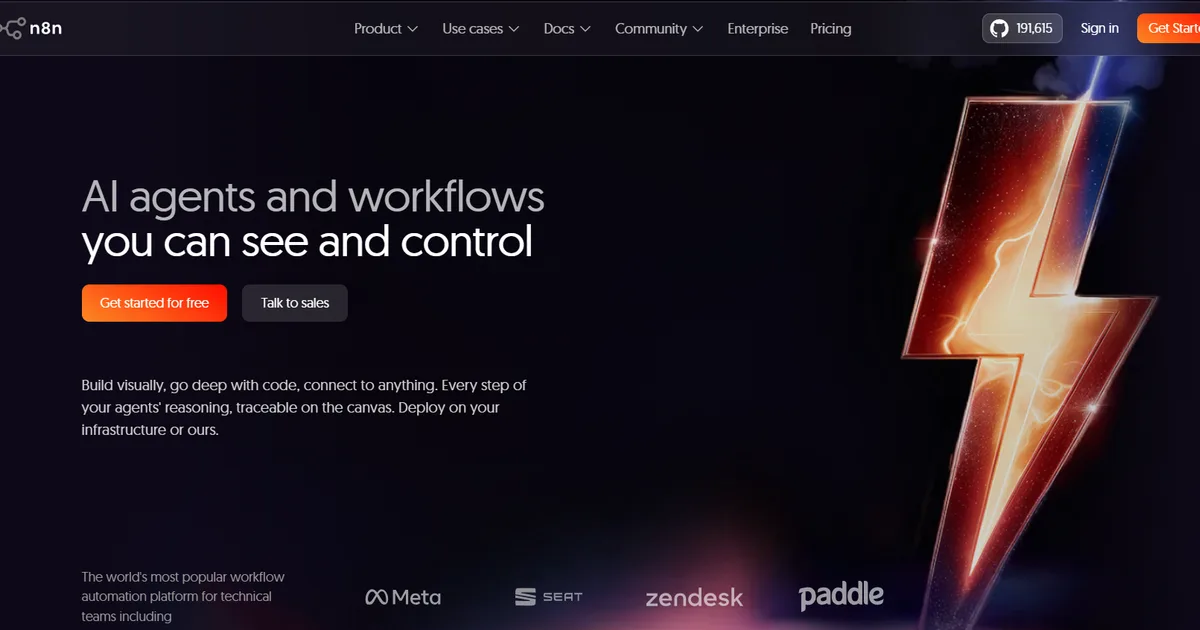
n8n is an open-source workflow automation platform designed for developers and technical teams who need to build system integrations with high security and control. It provides a visual node-graph canvas alongside code blocks that support custom JavaScript and Python logic, allowing developers to manage complex data transformations programmatically.
Execution-Based Billing
A key advantage of n8n is its deployment flexibility; organizations can run it on-premise using its self-hosted community version, or use the managed n8n Cloud service. Unlike seat-based tools, n8n uses execution-based pricing, allowing large teams to collaborate without seat-licensing restrictions.
| Cloud Level | Monthly Base Cost | Included Monthly Executions | Core Advantage |
|---|---|---|---|
| Starter | €20 / Month | 2,500 Executions | Hosted cloud infrastructure |
| Pro | €50 / Month | Custom Limit | High-throughput capability |
| Business | €667 / Month | 40,000 Executions | Advanced access controls, enterprise support |
| Self-Hosted | Free (Basic License) | Unlimited | Complete data privacy, running behind VPNs |
17. Superagent
Open-Source Security for Agentic AI
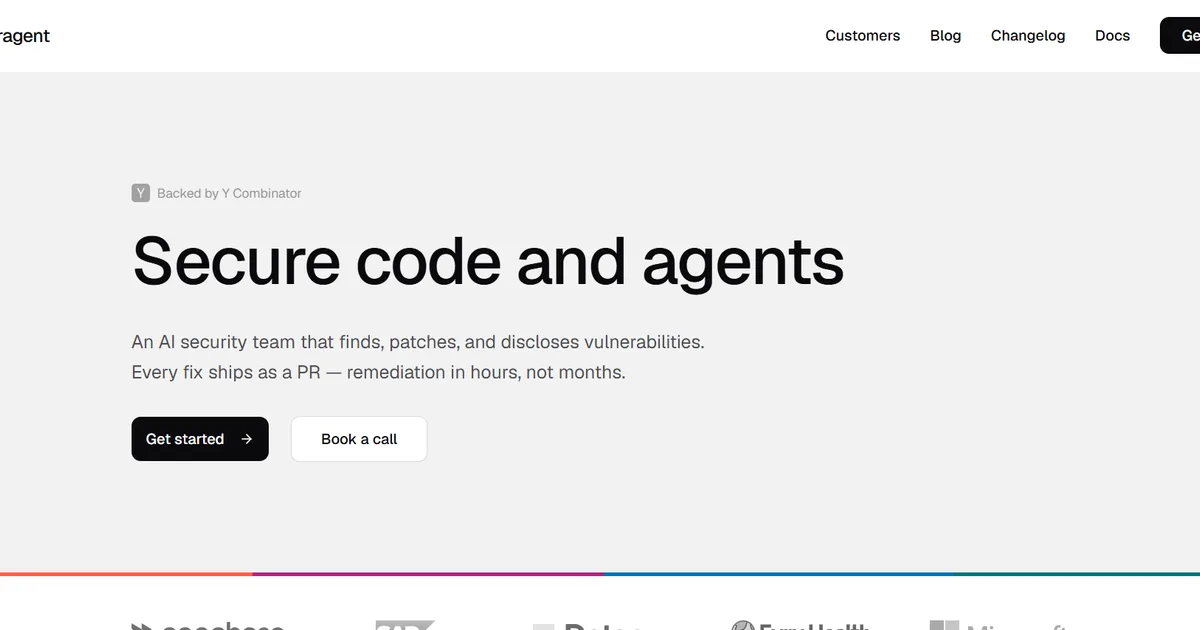
Superagent is an open-source framework designed to address critical security vulnerabilities in agentic AI deployments, including prompt injections, data leakage, and unauthorized tool execution. The project has amassed 6.6k GitHub stars and is optimized for production environments where autonomous agents interact with external services and sensitive enterprise datasets.
Modular Security Stack
  +------------------------+      +------------------------+
  |      User Input        | ---> |      Safety Agent      |  (Checks prompt
  +------------------------+      +------------------------+   injections, redacts
                                              |                PII/secrets at runtime)
                                              v (If cleared)
                                  +------------------------+
                                  |     Target Agent       |
                                  +------------------------+
                                              |
                                              v (Before executing tool)
                                  +------------------------+
                                  |    VibeKit Sandbox     |  (Runs tool calls in a
                                  +------------------------+   clean container w/ audit)
- Superagent SDK: Detects and blocks prompt injections, redacts PII and secrets, and scans repositories for vulnerabilities at runtime.
- Brin: Evaluates the security and context of data ingested by the LLM, acting as a context-level trust score.
- VibeKit: Provides isolated, secure sandboxes to run coding agents (such as Claude Code, Gemini, and Codex) safely with built-in audit trails.
- Reasoning Augmented Generation (ReAG): Queries documents with full context instead of chunked vector embeddings, reducing retrieval errors.
Superagent’s local guardrail models run on CPU or GPU with 50-100ms latency, enabling real-time threat detection without requiring external API calls or sending sensitive data outside the local network.
18. Bardeen AI
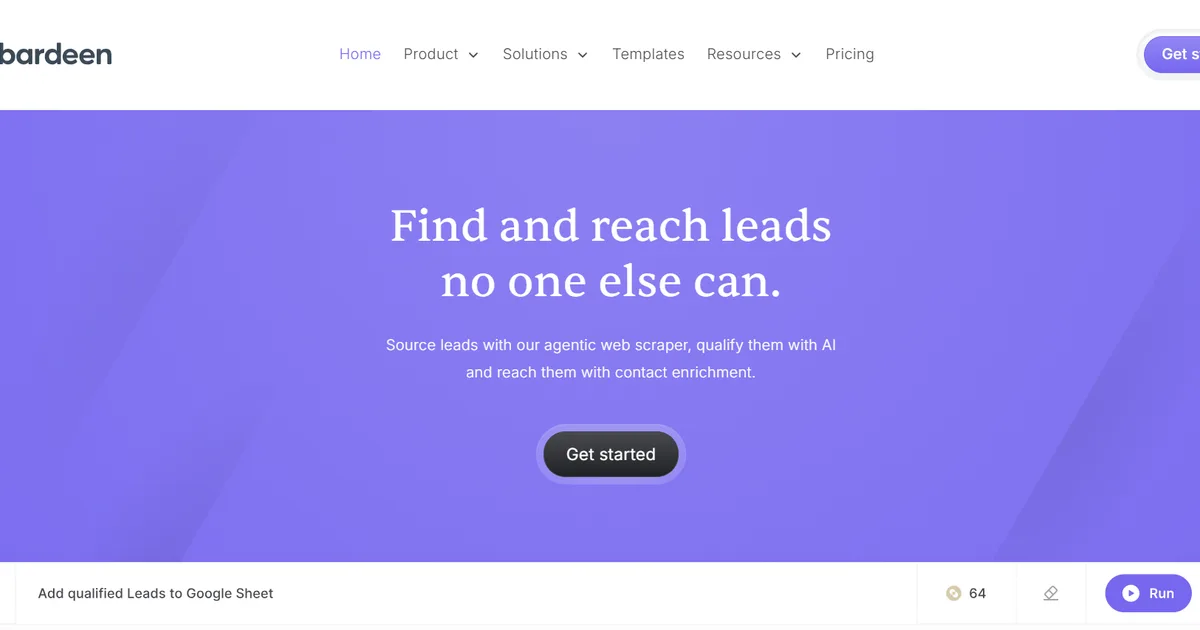
Chrome-Native Browser Automation
Bardeen is an AI-powered browser automation and web scraping platform designed for Go-To-Market (GTM), sales development, and recruiting teams. Operating directly as a Chrome extension, Bardeen allows users to build automation playbooks using natural language prompts, avoiding complex API integrations for web-native workflows.
Scraping and Playbook Maintenance
While Bardeen is highly effective for extracting prospect lists, scraping directories, and pushing leads directly to CRMs, browser-based scrapers require ongoing maintenance. Minor changes to website layouts or DOM structures can break scraping rules, requiring users to regularly update and rebuild their playbooks.
Credit-Based Scraping
Bardeen uses a credit-based pricing model. While simple browser actions, exports, and scraper building are free, executing cloud-based playbooks costs 1 credit per row generated, and advanced data enrichment steps cost 3 credits per row.
| Bardeen Tier | Cost / Month | Base Credits / Month | Best Use Case |
|---|---|---|---|
| Free / Basic | $10 / Month | 100 to 500 Credits | Individual GTM reps testing basic scrapers |
| Premium | $50 / Month | 1,000+ Credits | High-frequency cloud automations and enrichment |
| Enterprise | Custom Quote | Custom Bulk Credits | Shared playbooks, SSO, compliance-driven teams |
19. Relevance AI
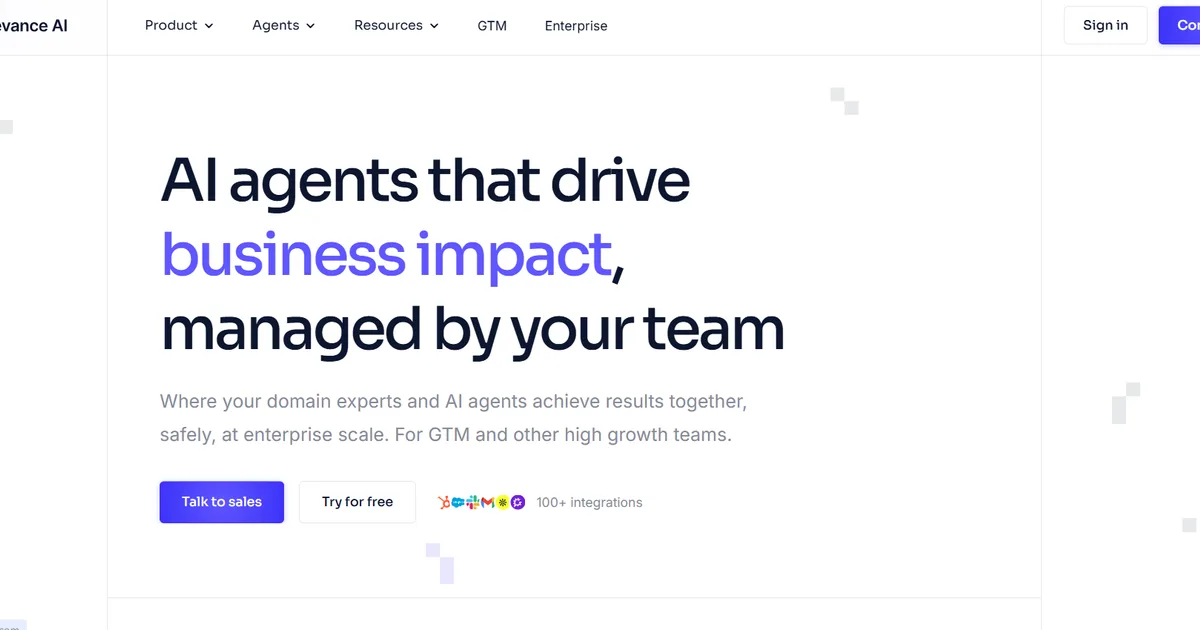
No-Code Workforce Builder
Relevance AI is a visual, no-code platform that allows subject-matter experts and operations teams to build, recruit, and manage collaborative teams of AI agents. The platform is widely used by marketing and sales teams to automate lead qualification, CRM enrichment, content production pipelines, and high-volume data auditing.
Separated Actions and Vendor Credits
In September 2025, Relevance AI restructured its billing model to separate platform execution fees from model compute costs, giving users more transparency and cost control:
- Actions: The platform cost of running tools and integrations within a workflow. Additional Actions are billed at $80 per 1,000 Actions.
- Vendor Credits: The pass-through compute cost of the underlying LLMs, with no platform markup. Additional Vendor Credits are billed at $20 per 10,000 credits.
To eliminate Vendor Credit charges, teams can connect their own LLM API keys directly to Relevance AI, paying wholesale costs directly to the model providers.
| Platform Tier | Base Price / Month | Monthly Actions | Monthly Vendor Credits | Team Seat Limits |
|---|---|---|---|---|
| Free | $0 | 200 Actions | $2 Credit | 1 Builder, 1 Project |
| Pro | $19 / Month | Usage-Based Top-up | BYO Key Supported | Multi-Agent Workforce |
| Team | $234 to $349 | 7,000 Actions | $70 Credit | 5 Builders, 45 Users |
| Enterprise | Custom Quote | Custom Limits | Custom Credit Allotment | Unlimited Users, SSO/RBAC |
20. Dust
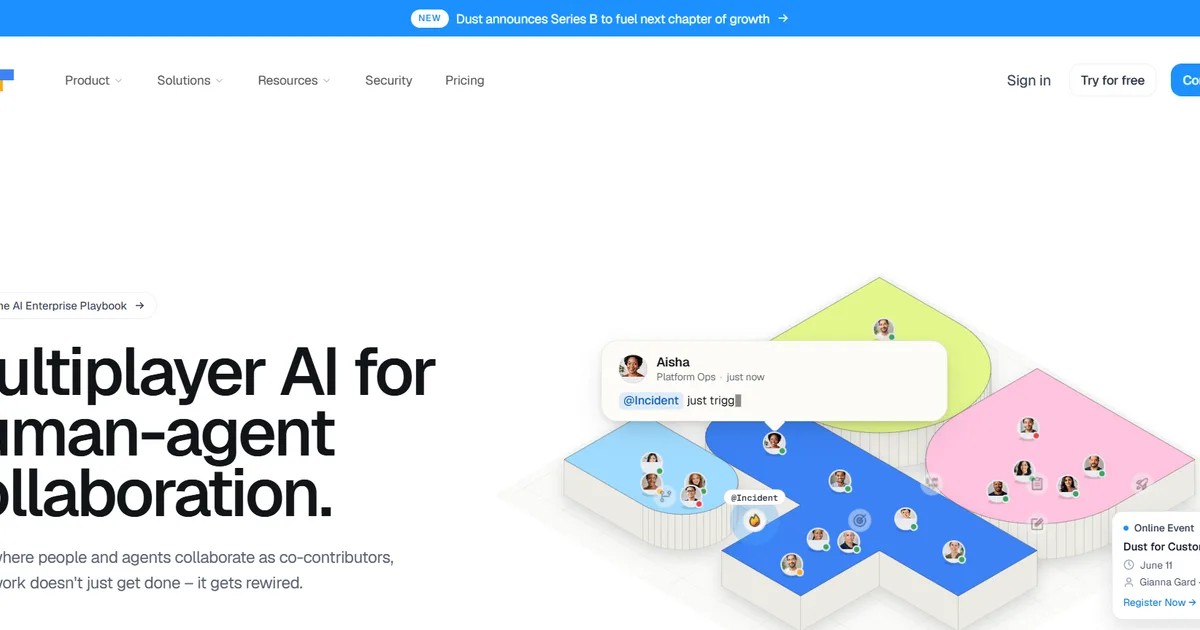
Collaborative Agentic Workspaces
Dust is an enterprise AI platform designed to build, deploy, and manage secure AI agents connected directly to company knowledge and communication channels. Rather than executing system-level writebacks, Dust operates as a knowledge indexing layer, syncing with corporate databases and platforms like Google Drive, Notion, Slack, Confluence, GitHub, and Intercom.
Custom Agents with "Sidekick"
The platform features "Sidekick," a natural language tool released in April 2026 that allows non-technical employees to construct custom AI agents. Dust uses a multi-model router, allowing teams to run agents on the optimal model for their workload across OpenAI, Anthropic, Google, and DeepSeek, with granular access permissions to ensure data security.
| Dust Tier | Base Cost / Seat / Mo | Target User Base | Primary Data and Security Features |
|---|---|---|---|
| Pro Plan | $29 / Month | Startups and scaling mid-market teams | 1 GB storage per seat, unlimited messages, GPT-4 access |
| Enterprise | Custom Quote | 100+ seat organizations | Single Sign-On (SSO), advanced compliance, US/EU hosting |
Technical Architecture and Deployment Matrix
The following table synthesizes the architectural dimensions, coding requirements, and deployment options across all 20 AI agent workflow platforms.
| Tool | Core Developer Interface | MCP Server Support | Deployment / Hosting | Primary Compliance |
|---|---|---|---|---|
| Mastra | TypeScript Framework | Authoring & Exposing | Embedded Server or Standalone | Self-Managed Security |
| Dify | Visual Canvas & API | Native Client | Cloud SaaS or Docker | SOC 2 Type II (Enterprise) |
| CrewAI | Python SDK / Cloud | Client Connectors | Managed Cloud or Local VM | SOC 2 (Enterprise) |
| FlowiseAI | Low-Code UI / SDKs | Client Node Connectors | Cloud Managed or Docker | Self-Managed Security |
| Composio | Python / TypeScript | Native MCP Server | Hosted Sandbox or Self-Hosted | SOC 2 & ISO 27001 |
| Vapi | REST API & Webhooks | Custom Integration | Low-Latency Orchestration API | SOC 2, HIPAA, PCI |
| Hebbia | Matrix Data Grid | Built-in Hebbia MCP Server | Regulated Cloud Client | Investment Bank-Grade |
| Celonis | Process Mining Studio | Downstream AI Workflows | Zero-Copy Cloud Platform | Enterprise Sovereign Cloud |
| Outlit | Customer Profile API | Native Client MCP | Integrated Cloud Core | SOC 2 Type II & ISO 27001 |
| Lovable | Chat App Interface | Client MCP Connector | Hosted Lovable Cloud | SOC 2 Type II & ISO 27001 |
| Moveworks | Agent Studio | Workspace Integrations | Omni-channel Cloud SaaS | Enterprise ITSM Certified |
| Lindy | SMS / iMessage / Chat | Pipedream Integrations | Integrated Cloud Assistant | SOC 2 & HIPAA |
| Manus AI | Cloud VM Sandbox | Native VM Integrations | Asynchronous Cloud VM | Meta Security Guardrails |
| Airtable | Relational Database | Native Sync Connectors | Airtable Enterprise Cloud | Enterprise Admin SSO / Audit |
| Make | Scenario Drag-and-Drop | Make MCP Server | Visual Cloud & Local Agent | SOC 2 (Enterprise) |
| n8n.io | Low-Code Visual Canvas | Custom Node Integration | Cloud SaaS or On-Prem | Self-Managed / On-Prem |
| Superagent | TypeScript / SDK | Scans and redacts tools | Local OSS CPU/GPU Services | Local offline guardrails |
| Bardeen AI | Chrome Web Extension | Browser-Based Scraper | Browser-Native Execution | Browser Security Sandboxed |
| Relevance AI | Visual Workforce Canvas | 9,000 Tool integrations | Usage-Based Cloud | SOC 2 Type II & GDPR |
| Dust | Agent Workspace | Multi-Model Router | Managed Cross-Dept Cloud | SOC 2 Certified |
Architectural and Integration Takeaways
When evaluating AI agent tools for enterprise deployment, organizations should align their selection with their technical capabilities, security requirements, and operational goals.
- For TypeScript-native environments: Mastra is the clear choice for engineering teams building custom, graph-based agents directly within modern web applications.
- For low-code visual orchestration: Dify and FlowiseAI provide a strong balance between visual canvas design and programmatic SDK access.
- For regulated financial and legal workflows: Hebbia’s sentence-level verification and structured matrix interfaces are optimized for complex, auditable analysis.
- For automated RevOps and CPQ auditing: Outlit provides the customer context and programmatic policy enforcement needed to accelerate sales cycles safely.
- For no-code app development: Lovable allows non-technical teams to turn ideas into fully deployed web applications with auto-provisioned backends.
As organizations scale their AI deployments, implementing robust security guardrails (via frameworks like Superagent) and anchoring agent decisions in clear operational context (via platforms like Celonis) are critical to ensuring accurate, reliable, and secure automation.