


Marc Andreessen on AI, Media, and the 'Grammar of Conflict'

4 min read
Marc Andreessen on AI, Media, and the 'Grammar of Conflict'
a16z

In a recent appearance on The A16Z Show, venture capitalist and tech luminary Marc Andreessen offered a provocative perspective on the current state of media, politics, and the potential impact of artificial intelligence. Andreessen, a co-founder of Andreessen Horowitz and a pivotal figure in the internet revolution, shared his thoughts on how historical media narratives have shaped public perception and how AI might offer a path toward a more informed and less polarized future.
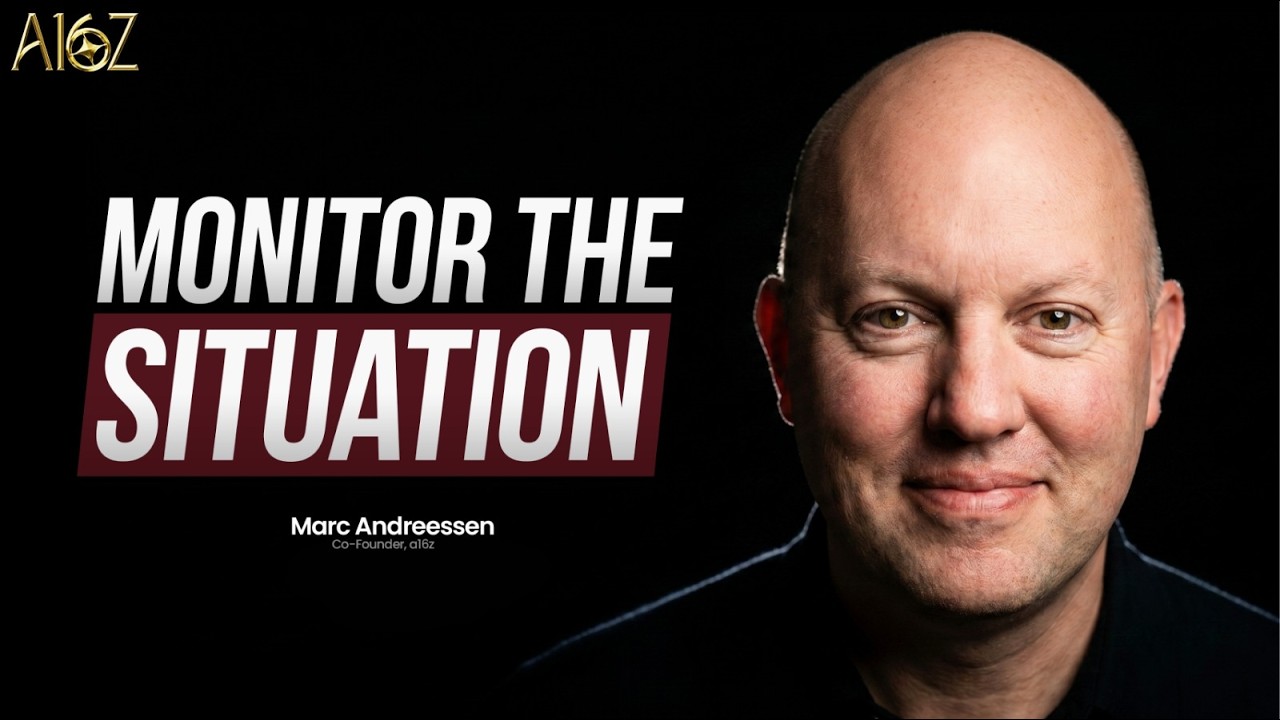
Marc Andreessen on AI, Media, and the 'Grammar of Conflict' - a16z
Marc Andreessen on AI, Media, and the 'Grammar of Conflict' — from a16z

Marc Andreessen's Background and Perspective

Marc Andreessen is a legendary figure in the tech world. He co-founded Netscape, which pioneered the web browser, and has since been a prolific investor and thinker about the future of technology. His firm, Andreessen Horowitz, is one of the most influential venture capital firms, backing companies like Facebook (Meta Platforms (NASDAQ: META)), Slack, and Coinbase. Andreessen is known for his bold, often contrarian, views on technology's role in society and its potential to solve major problems.

In this discussion, Andreessen draws parallels between different eras of conflict and media coverage, suggesting that the way information is disseminated fundamentally shapes public understanding and reaction.

Media Narratives and Historical Conflicts

Andreessen began by reflecting on how media coverage has historically influenced public perception of conflicts. He pointed to the Spanish Civil War, where propaganda and biased reporting played a significant role in shaping opinions on both sides. He also referenced the Vietnam War, where television brought the realities of conflict into people's homes, significantly impacting public sentiment and anti-war movements.

Andreessen suggested that the current media environment, particularly with the rise of social media and 24/7 news cycles, has amplified certain tendencies. He argued that media often prioritizes sensationalism and conflict over nuance and context, leading to a more polarized and less informed public discourse. He stated, "The way that media frames events, the way that it presents information, it fundamentally shapes how people understand and react to those events."

The Role of AI in Media and Politics

A significant portion of Andreessen's discussion focused on the potential of AI to reshape the media landscape. He posited that AI could be a powerful tool for combating misinformation and providing more accurate and nuanced information to the public. Andreessen believes that AI can analyze vast amounts of data, identify patterns of bias, and offer fact-checked information in real-time, thereby counteracting the spread of false narratives.

He elaborated on this by suggesting that AI could help break down the "echo chambers" and "filter bubbles" that often characterize online media consumption. "AI has the potential to cut through the noise," Andreessen said, "to provide context, to verify information, and to present a more balanced and accurate picture of reality." He believes this could lead to a more rational and less emotionally driven public discourse, especially in the realm of politics.

Countering 'Computational Propaganda'

Andreessen also touched upon the concept of "computational propaganda," a term used to describe the use of algorithms and automated systems to spread political messaging and influence public opinion. He expressed concern that these tools are being used to manipulate and divide societies, creating artificial conflicts and exacerbating existing tensions.

He argued that AI, when used ethically and responsibly, could be a powerful countermeasure to such propaganda. By providing users with more reliable information and by flagging manipulative content, AI could help individuals make more informed decisions and resist the influence of disinformation campaigns. "We need to be able to identify and counter these artificial narratives," he stated, "and AI can be a crucial tool in that fight."

A More Nuanced Future

Andreessen's outlook, while acknowledging the challenges, was ultimately optimistic about the potential for AI to improve the quality of information and public discourse. He emphasized the importance of developing AI systems that are transparent, accountable, and aligned with human values. He believes that by leveraging AI, society can move towards a future where information is more readily accessible, more accurate, and less susceptible to manipulation.

The conversation underscored Andreessen's belief that technology, including AI, can be a force for good, helping to solve some of the most pressing problems facing society. However, he also stressed the need for careful development and deployment, ensuring that these powerful tools are used to foster understanding and progress, rather than division and conflict.

© 2026 StartupHub.ai. All rights reserved. Do not enter, scrape, copy, reproduce, or republish this article in whole or in part. Use as input to AI training, fine-tuning, retrieval-augmented generation, or any machine-learning system is prohibited without written license. Substantially-similar derivative works will be pursued to the fullest extent of applicable copyright, database, and computer-misuse laws. See our terms.