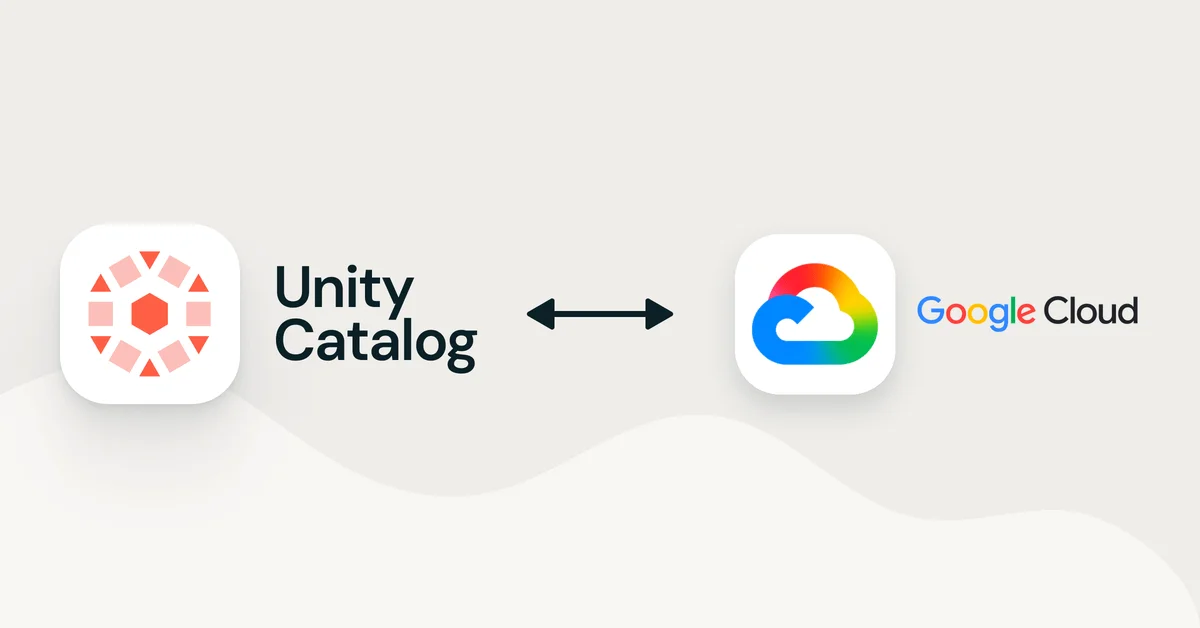
Parth Desai, Alex Jiang and John Spencer, writing for Databricks, announced bidirectional access between Unity Catalog and Google's lakehouse. The company said customers can query the same copy from either BigQuery or Databricks without duplication.
No copies move.
In one direction, Databricks mounts Iceberg tables from Google's Lakehouse runtime catalog for use in its warehouse or Genie. The company said those tables can run in its serverless warehouse or Genie. Genie is its natural-language tool that recently learned to package team habits as skills. In the other direction, BigQuery can read Unity Catalog managed tables without a copy, the authors said.
The next push is metadata, not storage. The authors said they helped land catalog labels in Iceberg, key-value pairs that travel with the table. A table tagged domain=finance and status=certified keeps those tags when federated, as does a column tagged pii=ssn. That persistence matters for masking and for agents hunting context, they said.
That framing is narrower than federation already in the docs. Per Databricks docs, Lakehouse Federation splits into query federation and catalog federation, with query federation covering MySQL, PostgreSQL, Teradata and Oracle. Per Google's lakehouse docs, another path syncs SAP BDC shares via Delta Sharing for BigQuery queries. This deal extends the catalog side, not the query side.
The authors did not say who enforces a label when two catalogs disagree, or what writes, latency and cost look like across the boundary. They pitched shared governance that travels with data and does not need redefinition in each system. Who wins when the same column is certified in one catalog and restricted in the other?