Amazon set a goal to cut carbon intensity, emissions per megawatt-hour it consumes, 65% by 2030 from 2019. Chief Sustainability Officer Kara Hurst wrote the target covers electricity used by its global operations. Amazon said it based the methodology on the International Energy Agency Net Zero by 2050 pathway.
Does that mean Amazon will use 65% less electricity? No. It means each unit it uses should carry 65% less carbon.
Carbon intensity is emissions per unit of electricity consumed, measured in carbon dioxide equivalent per megawatt-hour, according to Amazon. That metric lets Amazon claim progress per unit even as total power demand grows. Growth is the hard part, with cloud and AI pushing sector demand higher. Amazon said the near-term goal is meant to show it can decouple business growth from emissions growth.
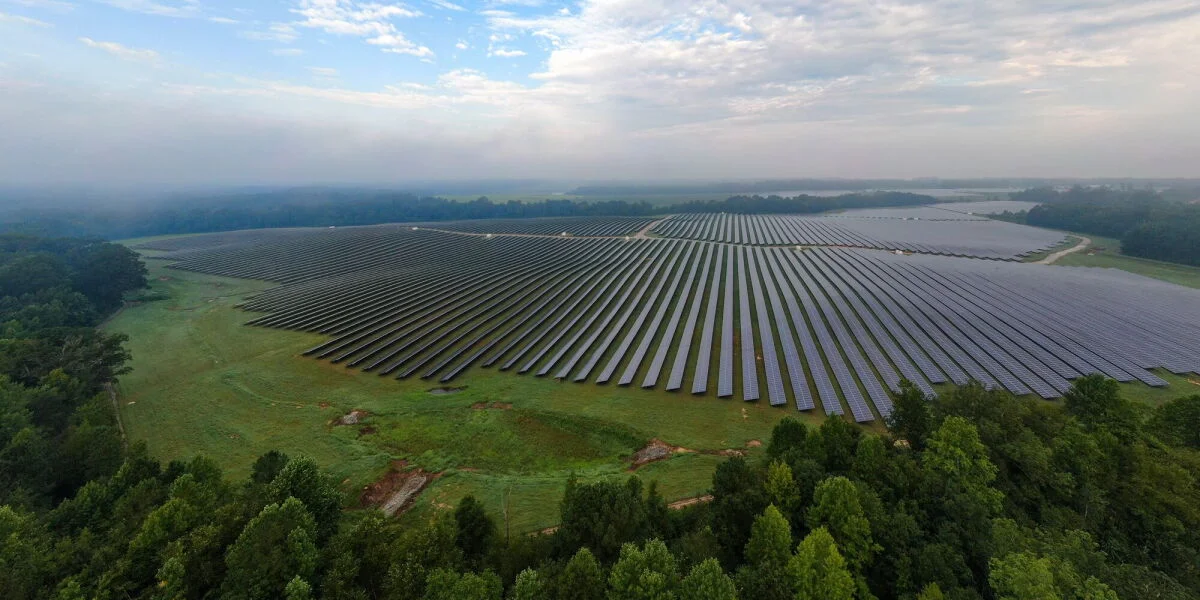
Hurst said Amazon holds the largest corporate portfolio of carbon-free energy in the world. That is more than 700 projects and over 40 gigawatts of capacity, enough to power 12.1 million U.S. homes once built, according to Amazon. BloombergNEF has ranked Amazon among the largest corporate buyers of carbon-free power since 2019, the company said. Its buys span power purchase agreements, utility-scale wind and solar, on-site generation, plus advanced nuclear and geothermal.
Intensity can fall while total emissions still rise.
That puts procurement teams, utilities and data center operators on the hook to add clean megawatts faster than AI racks add load. Amazon points to work with X-energy for more than 5 gigawatts of advanced nuclear in the U.S. by 2039 and to a planned $7 billion renewable build in India by 2030. It said it will focus new projects where they displace the most fossil power and report progress yearly in its Sustainability Report. Watch whether nuclear, geothermal and grid hookups arrive on schedule, because without them the math does not close.