


60 Minutes has published the first extended interview with the weapons systems officer known as Bravo after his F-15E was shot down over Iran on April 3.
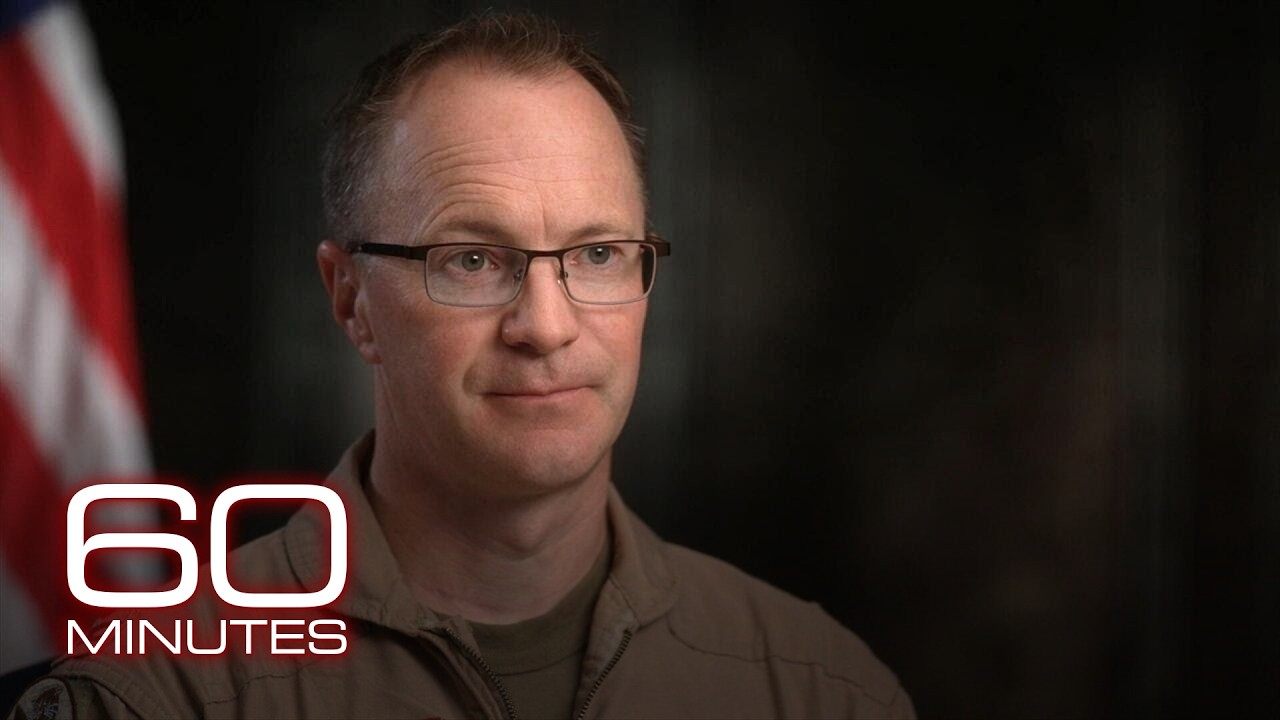
Bravo hit the ground at an estimated 70 to 100 miles an hour.
The aircraft was Dude 44, the fourth F-15E in its formation, struck by a shoulder fired missile at night in mountainous desert south of Isfahan according to 60 Minutes. The jet is a two seat, two engine Strike Eagle, and both crew ejected seconds apart. Bravo said his ejection seat and parachute were damaged in the impact, that he prayed while free falling and tried to unfurl torn canopy by hand, and that maintainers had kept the jet alive an extra minute despite catastrophic damage. He landed with a broken back, broken arm and shoulder, a sprained ankle and head cuts, then moved away from the landing site without a full survival kit. He had only a vest with minimal water, signaling and comms gear.
What followed was a 50 hour joint rescue that the Pentagon now says involved 21 aircraft, two helicopters in the daylight attempt that recovered the pilot Alpha six hours in, and later a CIA led effort that used deception to confuse Iranian forces and classified tech to pinpoint Bravo. Bravo chose higher ground despite his injuries, climbing a 7,000 foot ridgeline to find concealment and transmit. He sent three messages as night fell: I'm hurt. I'm moving. God is good. Iranian search parties and armed groups hunting for the bounty announced on Iranian TV got within a few hundred meters, he said. Near the end, American bombers and drones hit Revolutionary Guard forces nearby to clear the way, small Little Bird helicopters lifted him off the ridge with Air Force pararescue operators, and the rescue force abandoned and then bombed its own landing gear stuck aircraft on a makeshift desert strip to deny technology. More than 90 special operators exfiltrated with him as the sun rose on Easter Sunday.
For defense contractors and dual use startups selling to combat search and rescue, contested comms and personnel recovery, the workflow to rethink is not the aircraft. It is the last mile. Bravo delayed comms to prioritize evasion, terrain masking and concealment before signaling, and survival depended on unfunded redundancy: vest kits that worked after seat kits were lost, radios that got through from a ridgeline, and helicopters that could land on an unimproved strip and take off again in sand. Budget holders buying satellite SOS, mesh radios, wearable beacons and austere landing tech will read this as a live test of systems that must work when the primary survival kit is gone and the adversary is local, on foot, and within hundreds of meters.