


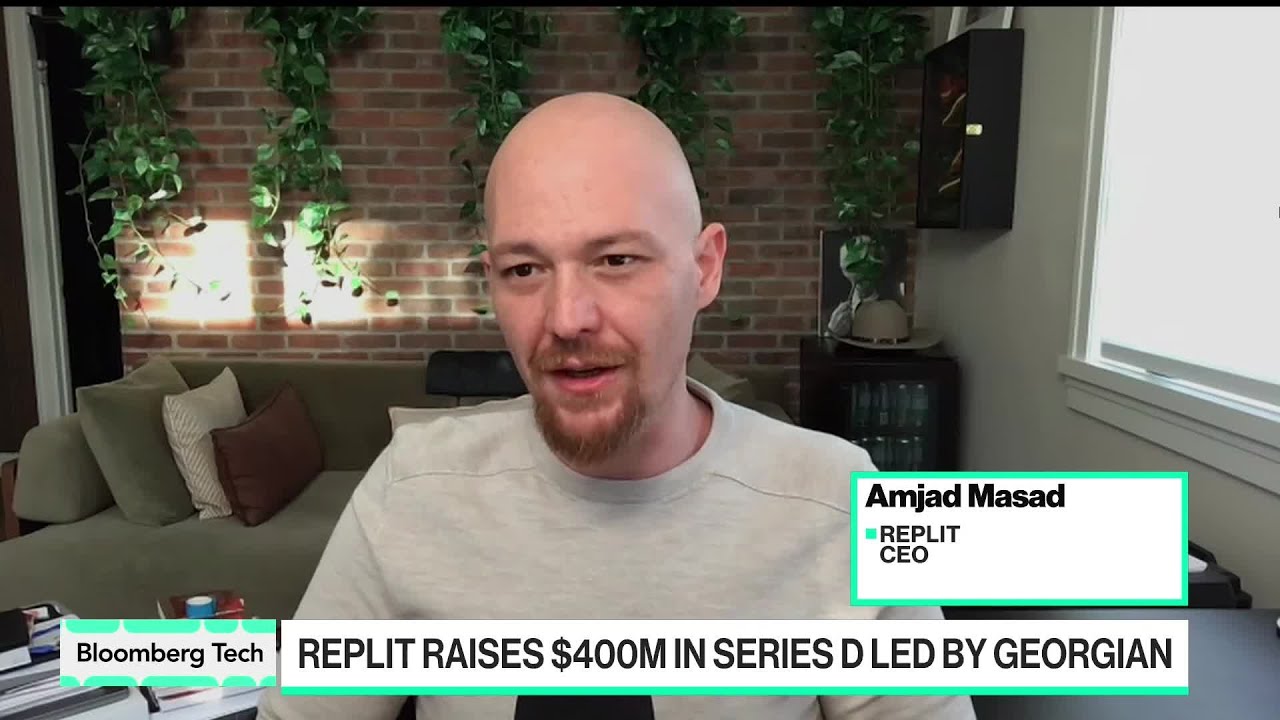
In a significant development for the AI and startup ecosystem, Replit, the collaborative, in-browser coding platform, has announced a substantial $400 million Series D funding round. This latest infusion of capital, led by Georgian, propels the company's valuation to an impressive $9 billion. The interview features Replit CEO Amjad Masad, who discusses the strategic allocation of these funds and the company's vision for the future of software development.
The full discussion can be found on Bloomberg Technology's YouTube channel.
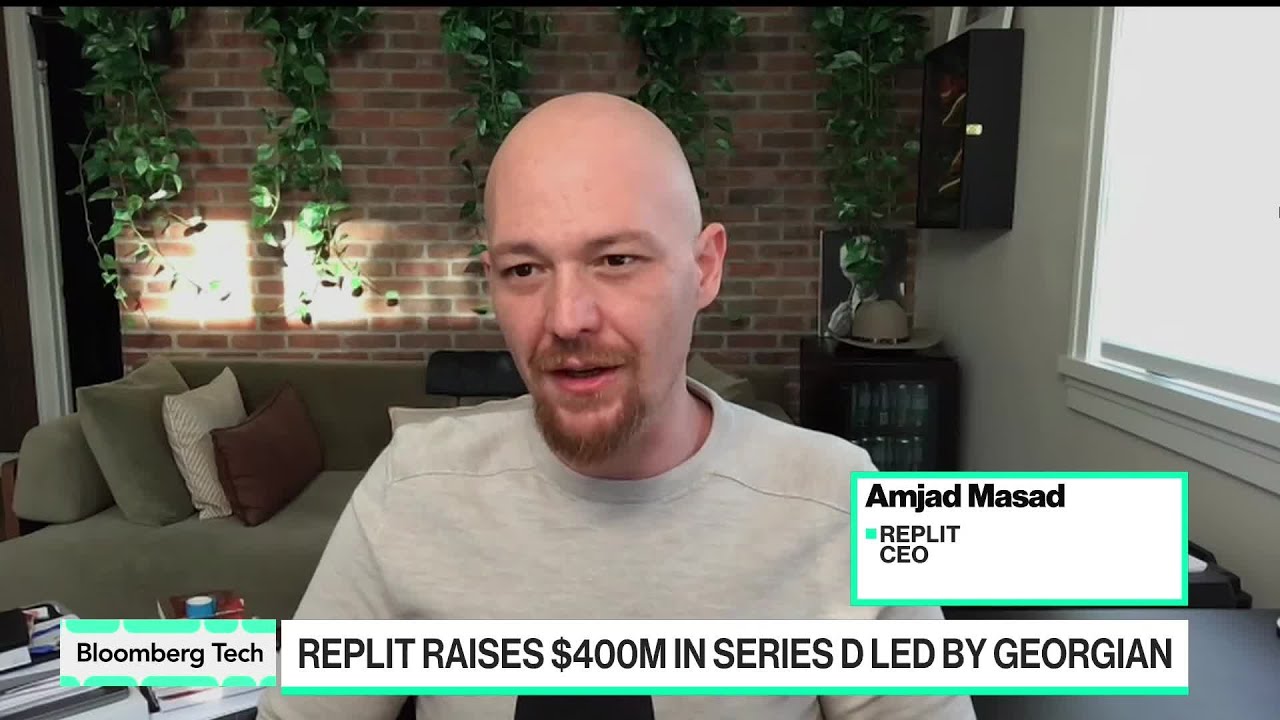
Amjad Masad: A Visionary in Developer Tools
Amjad Masad, the CEO and co-founder of Replit, is a prominent figure in the developer community. His vision centers on making software creation accessible to everyone, not just traditional coders. Replit's platform is designed to lower the barrier to entry for building applications, fostering a more inclusive and innovative technological landscape. Masad's leadership has been instrumental in positioning Replit as a key player in the evolving world of coding and development tools.
Replit's $400M Series D: Fueling Growth and Innovation
The $400 million raised in this Series D round signifies a major milestone for Replit. Masad outlined the primary uses for this capital, emphasizing product innovation and global expansion. The company plans to invest heavily in research and development to enhance its platform's capabilities, particularly in leveraging AI to assist users in building applications. This includes developing more sophisticated AI agents that can automate various coding tasks, from initial development to deployment and maintenance.
Furthermore, Replit intends to use the funding to scale its operations internationally. Masad highlighted the growing excitement and adoption of Replit in regions like India, Japan, and South Korea, as well as significant traction in the Middle East, including a partnership with Saudi Aramco. This global push is driven by the increasing demand for accessible coding tools and the potential for AI to accelerate development cycles worldwide.