The 20 Best Compliance Automation Tools for Growing Businesses in 2026

The compliance stack has fragmented into five distinct categories. This list maps the strongest platforms across GRC, cloud security, data protection, tax automation, and industry-specific compliance for 2026.

9 min read
Logos of the 20 startups featured in The 20 Best Compliance Automation Tools for Growing Businesses in 2026

Security and compliance used to share a budget line and a reporting relationship. They still do in most org charts. What they no longer share is a tool. By 2026, the compliance stack has fractured into at least five distinct product categories: GRC platforms for security frameworks and audit management, data security tools for mapping and protecting regulated information, tax and financial compliance automation, cloud security posture management, and industry-specific compliance for healthcare and fintech.

The consequence for buyers is a purchasing landscape that looks nothing like the one from three years ago. A Series A startup pursuing SOC 2 Type II shops differently from a mid-market company managing GDPR obligations, and both shop differently from a fintech managing AML requirements under FinCEN. These are not the same product, and vendors have stopped pretending they are.
What ties the categories together is the direction of travel: every segment is moving from point-in-time, audit-driven compliance toward continuous, automated compliance. The pre-audit sprint, where engineers scramble for six weeks to generate evidence packets, is being replaced by platforms that monitor controls year-round and generate audit reports on demand. The buyer evaluating this list is, implicitly, choosing how far along that continuum they want to move. Scores reflect the StartupHub.ai directory's composite assessment of company maturity, product depth, and integration breadth.

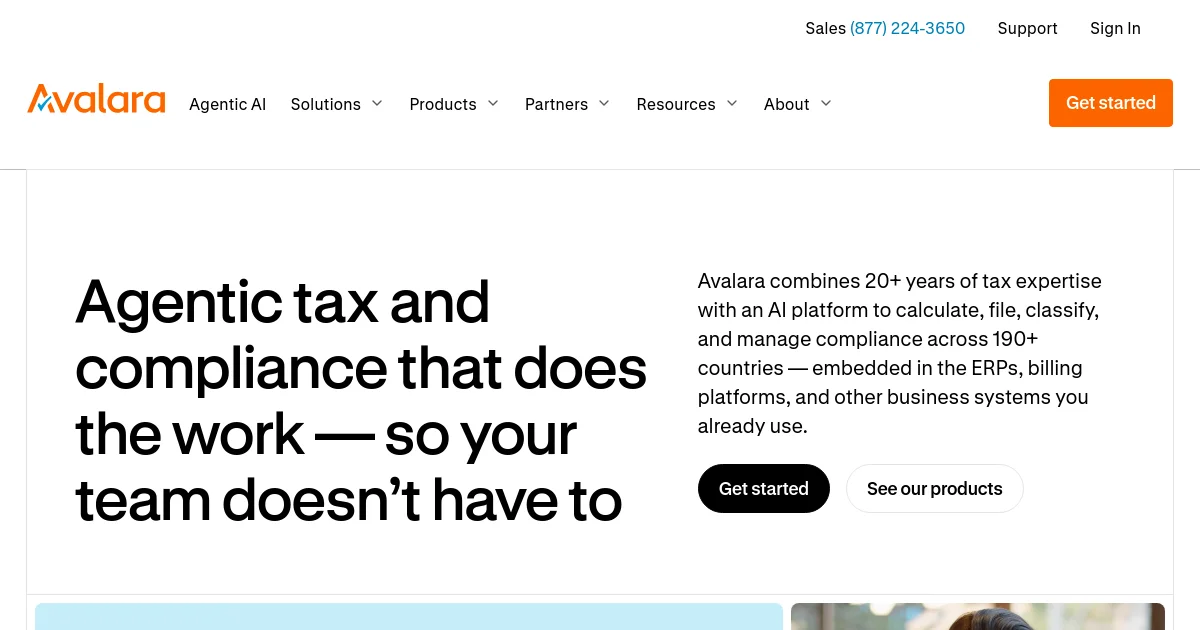
Avalara website homepage screenshot
Avalara logo
85
DAR
#1

Avalara

Tax compliance across 12,000-plus jurisdictions, automated from the invoice to the filing.

Avalara moves sales tax, VAT, and customs compliance out of finance team spreadsheets, integrating directly into commerce and ERP stacks to calculate and remit on behalf of the business.

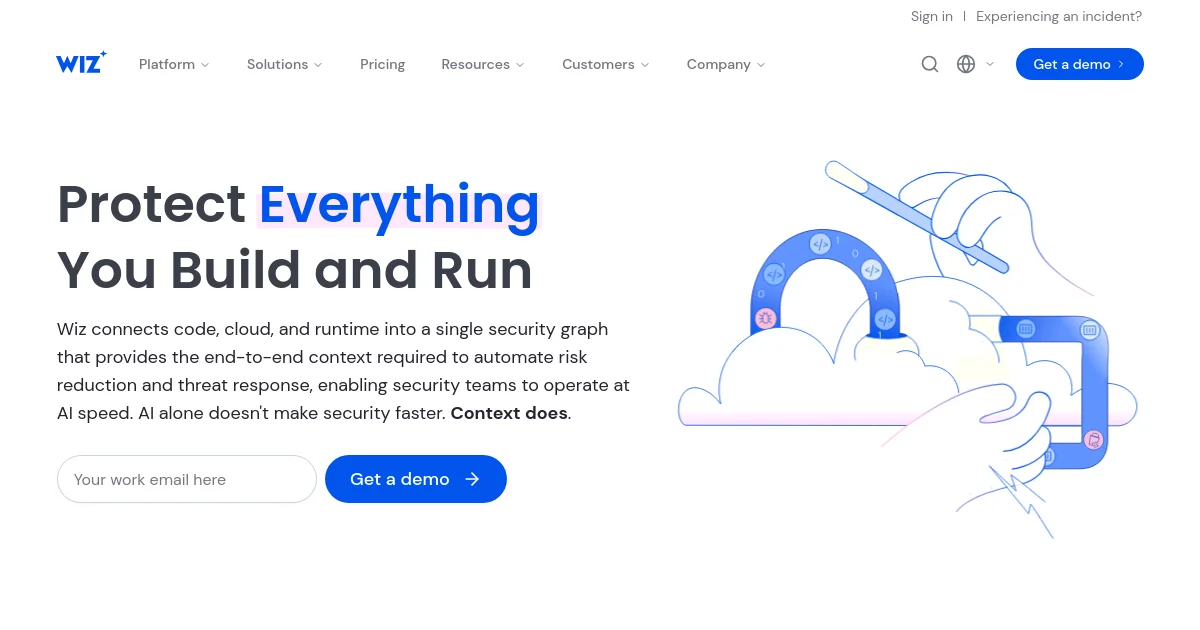
Wiz website homepage screenshot
Wiz logo
81
FAR
#2

Wiz

Scans the full cloud environment for risk, connecting exposure graphs across AWS, Azure, GCP, and Kubernetes.

Wiz identifies critical risks by correlating misconfigurations, exposed secrets, and network paths rather than flagging isolated findings, producing a prioritized list a security team can work through systematically.

Druva website homepage screenshot
Druva logo
79
DAR
#3

Druva

Cloud-native data protection that feeds forensic and compliance investigations from a single console.

Druva automates data collection for eDiscovery, ransomware forensics, and compliance reporting, cutting investigation timelines that typically span days. All protected data is retained in its managed cloud.

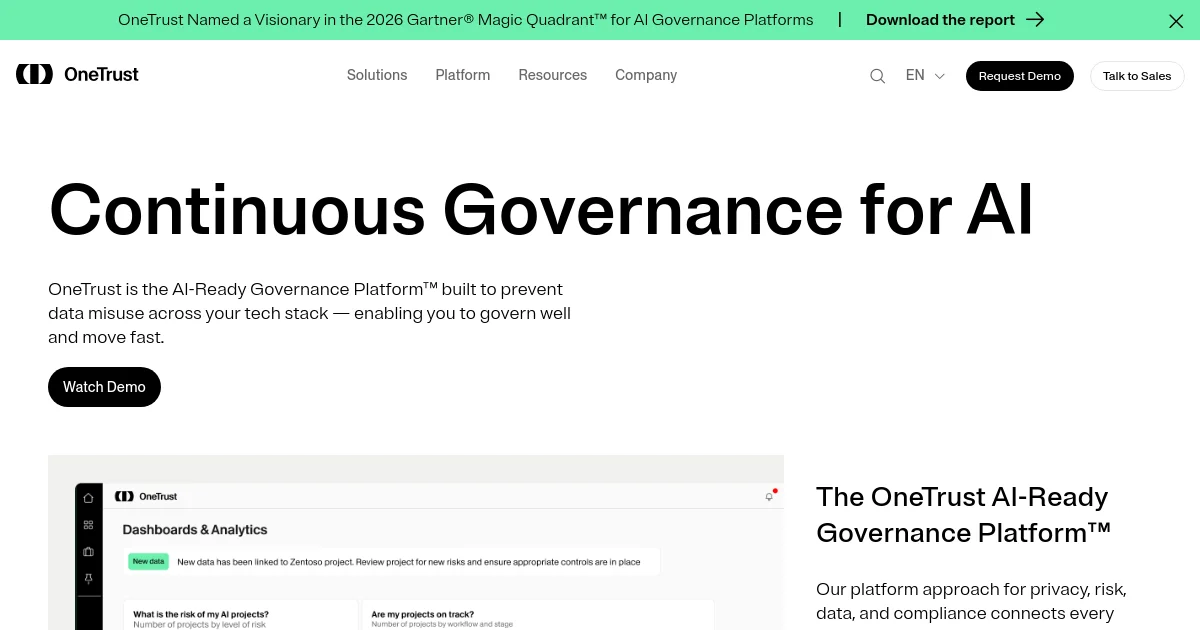
OneTrust website homepage screenshot
OneTrust logo
76
DAR

Governance, risk, and compliance platform built around data privacy, security, and ethics obligations.

OneTrust maps the obligations a company carries across GDPR, CCPA, and security frameworks, then automates the workflows that demonstrate compliance. It is particularly used by multinationals managing cross-border privacy requirements.

Drata website homepage screenshot
Drata logo
76
FAR
#5

Drata

Automates evidence collection and continuous monitoring for SOC 2, ISO 27001, HIPAA, and 14 additional frameworks.

Drata integrates with cloud infrastructure, HR systems, and dev tools to continuously gather the evidence an auditor needs, replacing the manual pre-audit sprint with year-round automated monitoring.

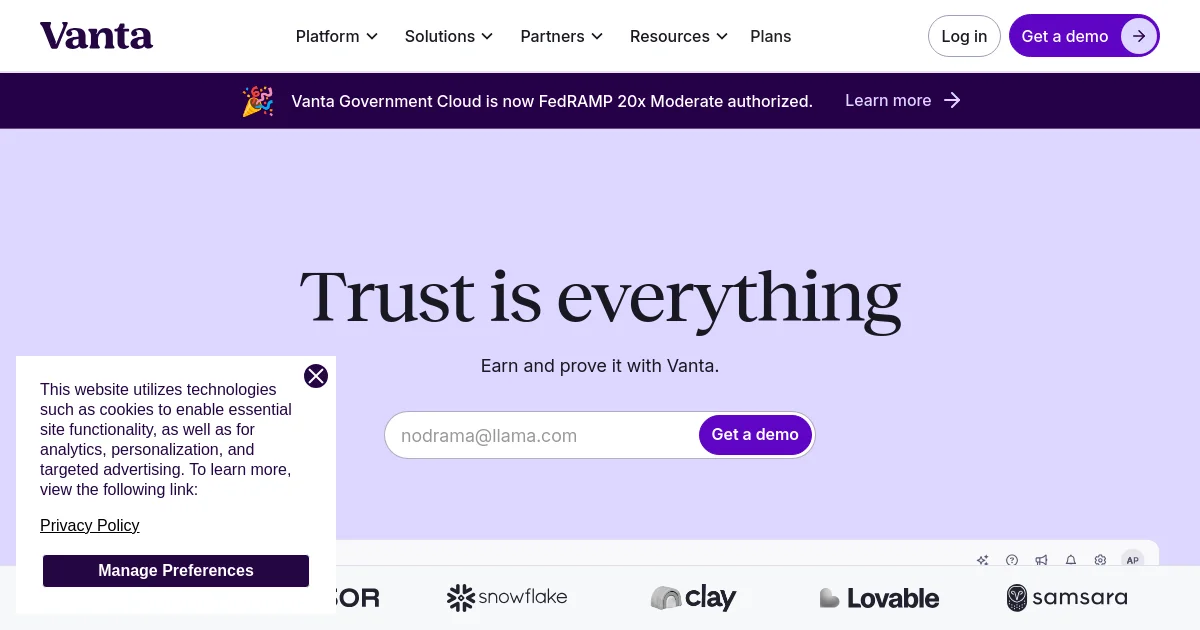
Vanta website homepage screenshot
Vanta logo
75
DAR
#6

Vanta

Continuous security monitoring and compliance automation for companies pursuing SOC 2 and HIPAA certifications.

Vanta connects to cloud providers, identity systems, and internal tools, then tracks the gap between a company's current security posture and its target certification. It has become the default first compliance tool for seed and Series A companies.

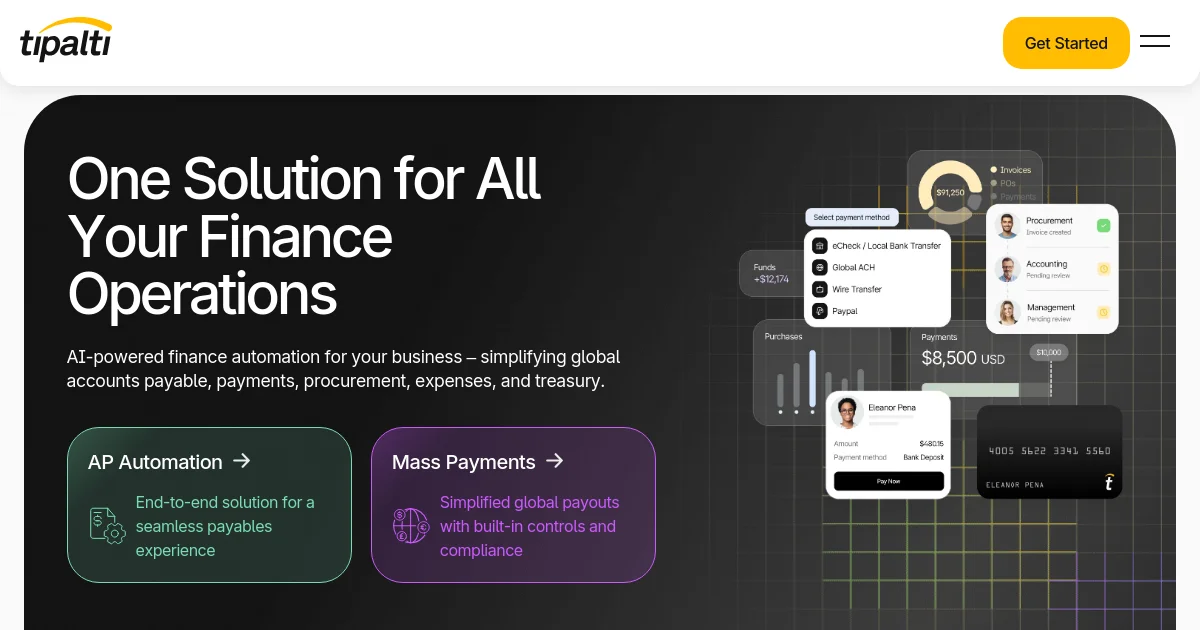
Tipalti website homepage screenshot
Tipalti logo
74
DAR
#7

Tipalti

Global payables automation with supplier onboarding, tax form collection, and payment compliance built in.

Tipalti handles the compliance layer inside accounts payable, including W-9 and W-8 collection, payment sanctions screening, and 1099 reporting. Mid-market finance teams use it to scale global supplier payments without adding headcount.

Axonius website homepage screenshot
Axonius logo
73
FAR
#8

Axonius

Discovers and inventories every device, cloud resource, and SaaS application across the enterprise attack surface.

Axonius aggregates asset data from existing security tools and management systems, then flags coverage gaps and unenforced policies. It provides the unified asset register that compliance frameworks like CIS Controls and SOC 2 require.
Cyera website homepage screenshot
Cyera logo
72
DAR
#9

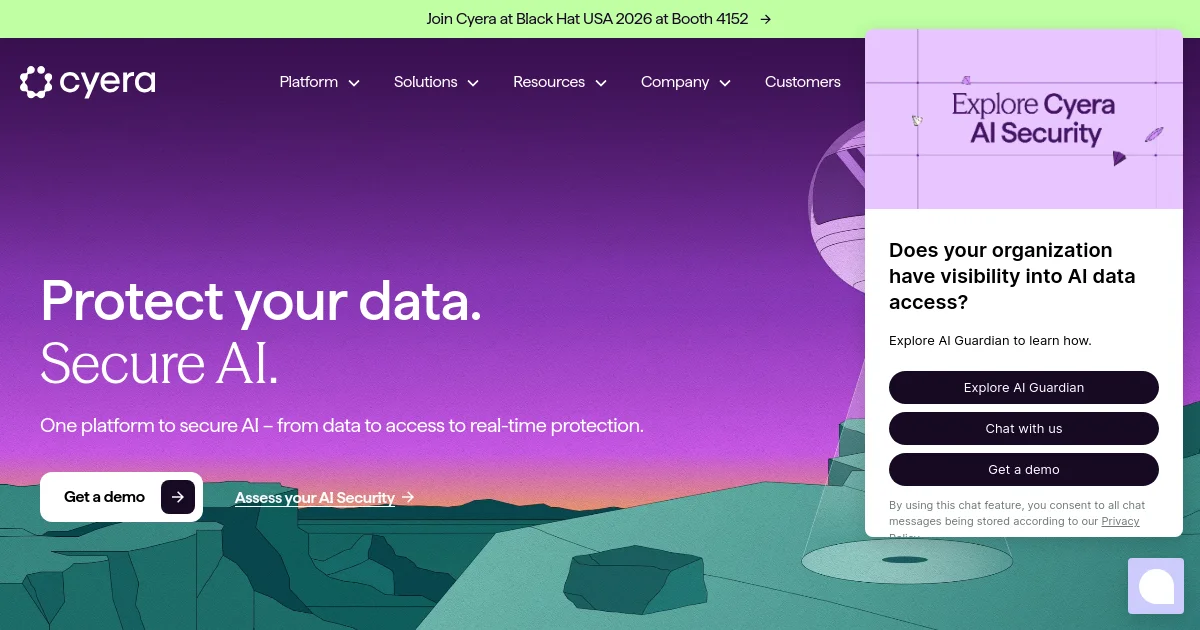
Cyera

Discovers and classifies sensitive data across cloud environments before it becomes a compliance liability.

Cyera scans cloud stores to surface PII, PHI, and other regulated data, showing where it lives and who can access it. It gives security and compliance teams the data map required for GDPR, HIPAA, and SOC 2 audit readiness.

Fonoa website homepage screenshot
Fonoa logo
71
#10

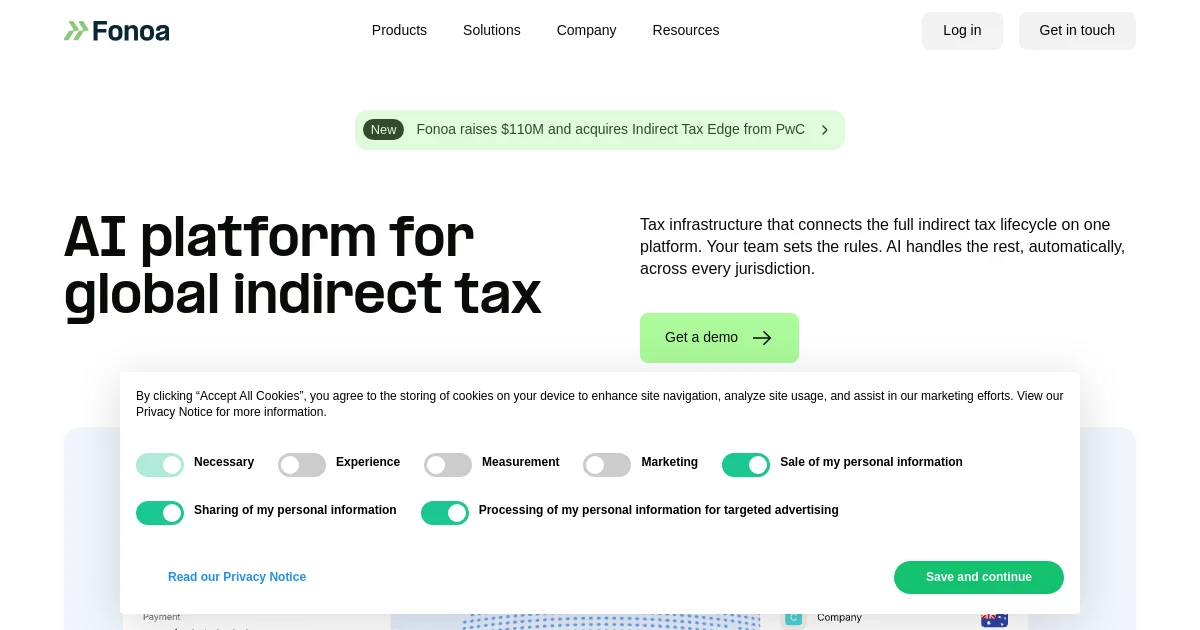
Fonoa

Tax compliance infrastructure for global digital businesses, covering VAT, GST, and e-invoicing mandates.

Fonoa handles tax ID validation, invoice generation, and real-time filing required in countries with mandatory e-invoicing, a regulatory wave now spanning Europe, Latin America, and Southeast Asia that catches unprepared businesses mid-expansion.

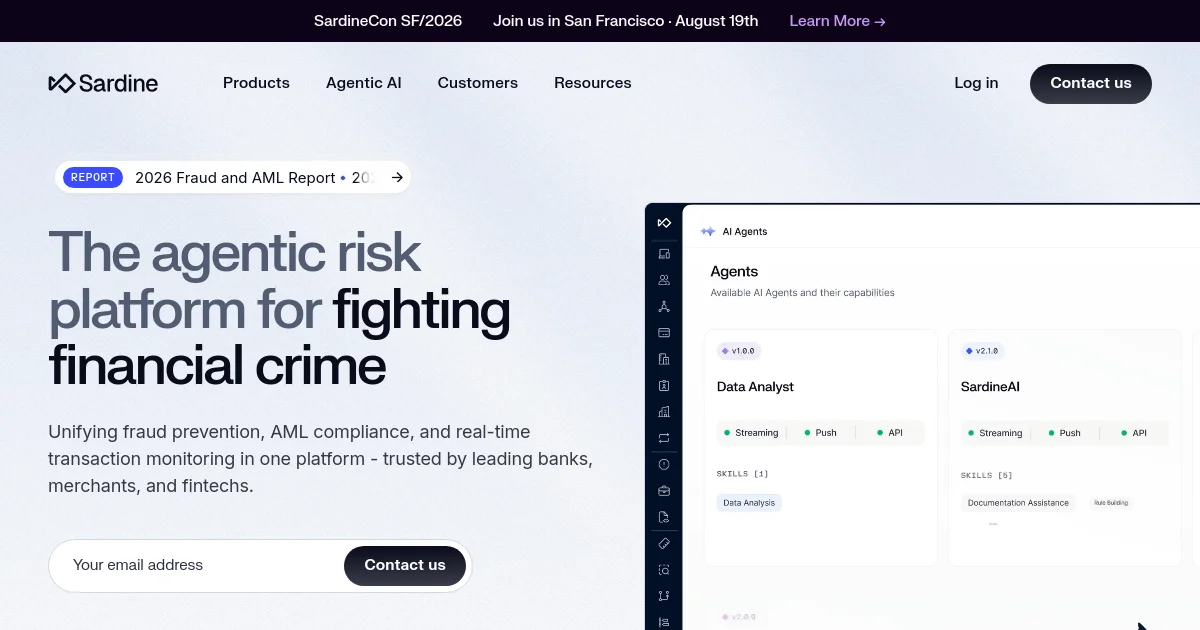
Sardine website homepage screenshot
Sardine logo
71
DAR
#11

Sardine

Risk platform combining fraud detection, AML compliance, and credit underwriting in a single API.

Sardine connects device, behavioral, and network signals to assess transaction risk in real time, and layers on compliance workflows for know-your-customer and anti-money-laundering obligations that fintech companies face at the point of license acquisition.

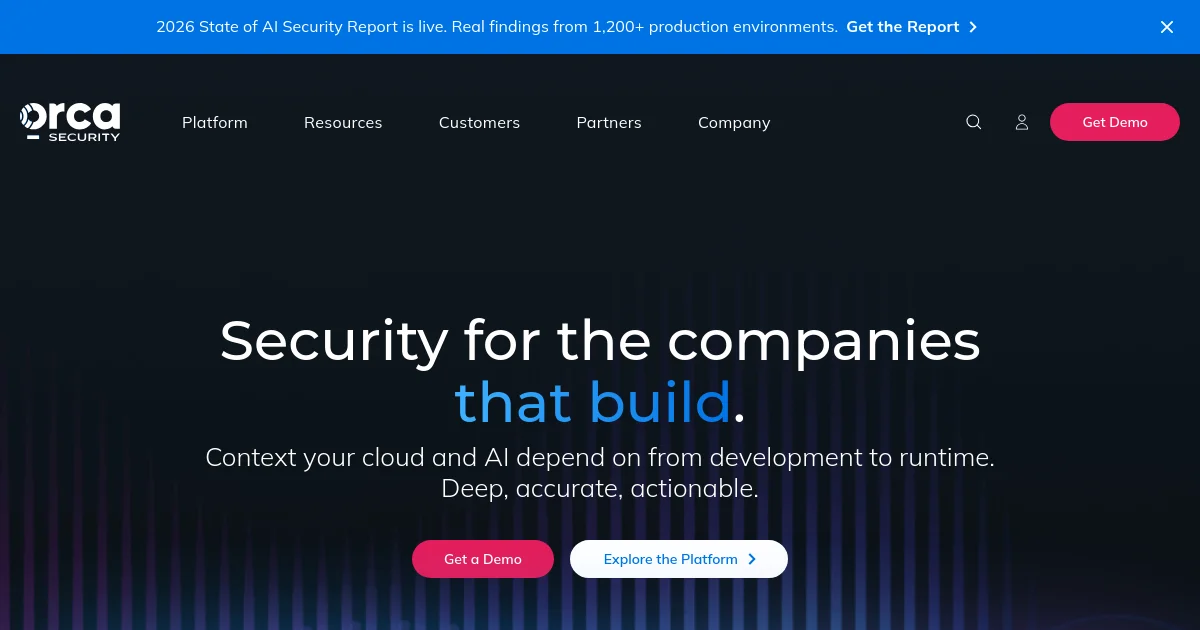
Orca Security website homepage screenshot
Orca Security logo
70
DAR

Agentless cloud security that reads the full stack without deploying sensors or agents into the environment.

Orca's SideScanning approach captures cloud risk across compute, storage, and managed services without impacting workloads, targeting the audit evidence that NIST, CIS, and SOC 2 frameworks require from multi-cloud deployments.

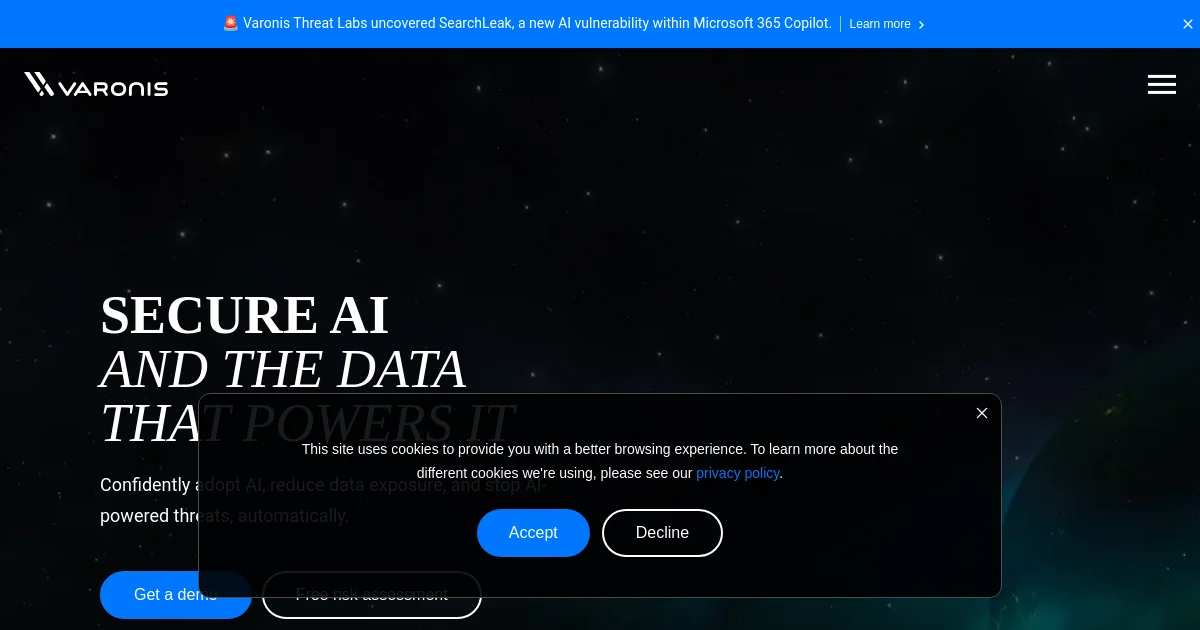
Varonis Systems website homepage screenshot
Varonis Systems logo
70
DAR

Data security analytics platform that maps who can access what, and alerts on abnormal data activity.

Varonis monitors file systems, email, and cloud repositories for sensitive data exposure and unusual access patterns, providing the audit trail and entitlement reviews that data protection regulations demand from companies holding regulated information.

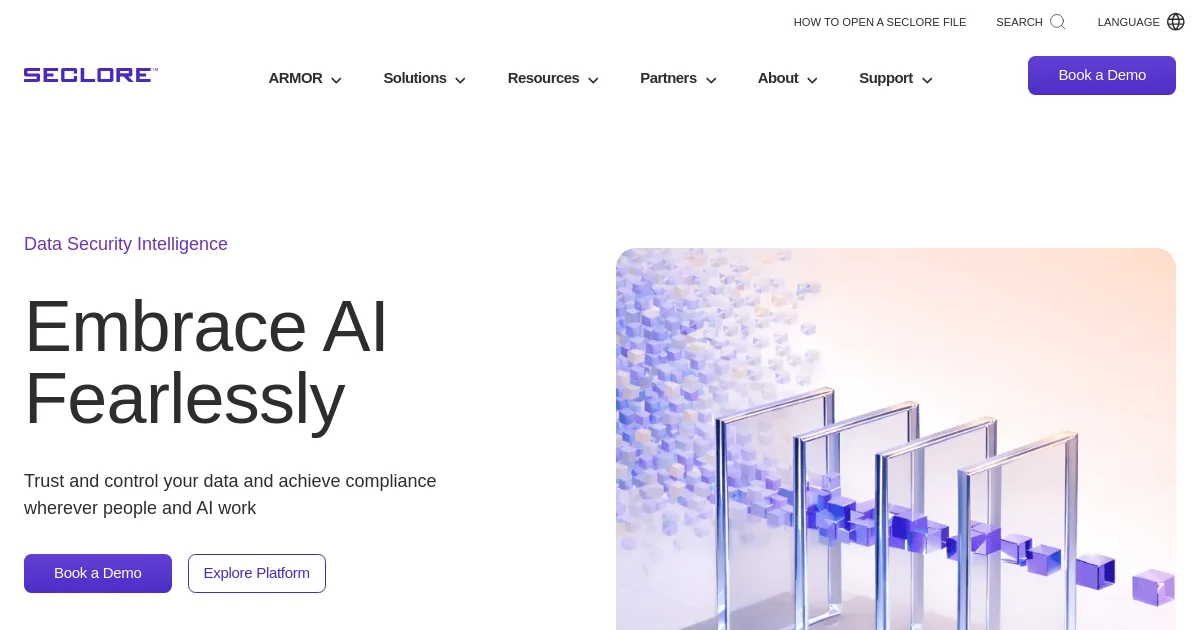
Seclore website homepage screenshot
Seclore logo
70
DAR
#14

Seclore

Persistent data security that travels with the document, enforcing compliance policies wherever files are shared.

Seclore attaches access controls and audit trails to individual files, maintaining compliance even after documents leave the organization's perimeter. It is deployed in regulated industries where contractual data protection obligations follow the document, not the network.

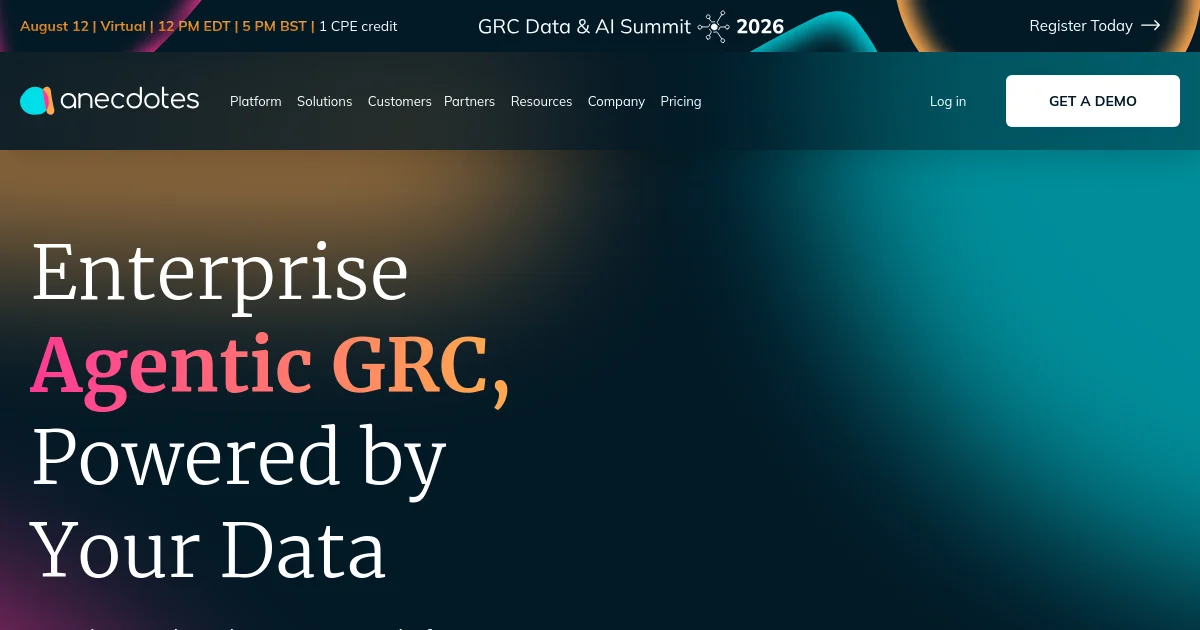
anecdotes website homepage screenshot
anecdotes logo
65
DAR
#15

anecdotes

Compliance operating system that unifies evidence collection, control mapping, and risk tracking across frameworks.

anecdotes treats compliance as a data problem, pulling evidence from infrastructure and applications into a structured graph that maps control coverage across SOC 2, ISO, and internal risk policies at the same time.

Brellium website homepage screenshot
Brellium logo
63
DAR
#16

Brellium

Audits 100 percent of clinical documentation against insurance and regulatory requirements in real time.
Brellium reviews every clinical note and billing record for documentation errors before they trigger payor denials or CMS audits. Healthcare organizations use it to enforce compliance at scale without expanding the compliance team.

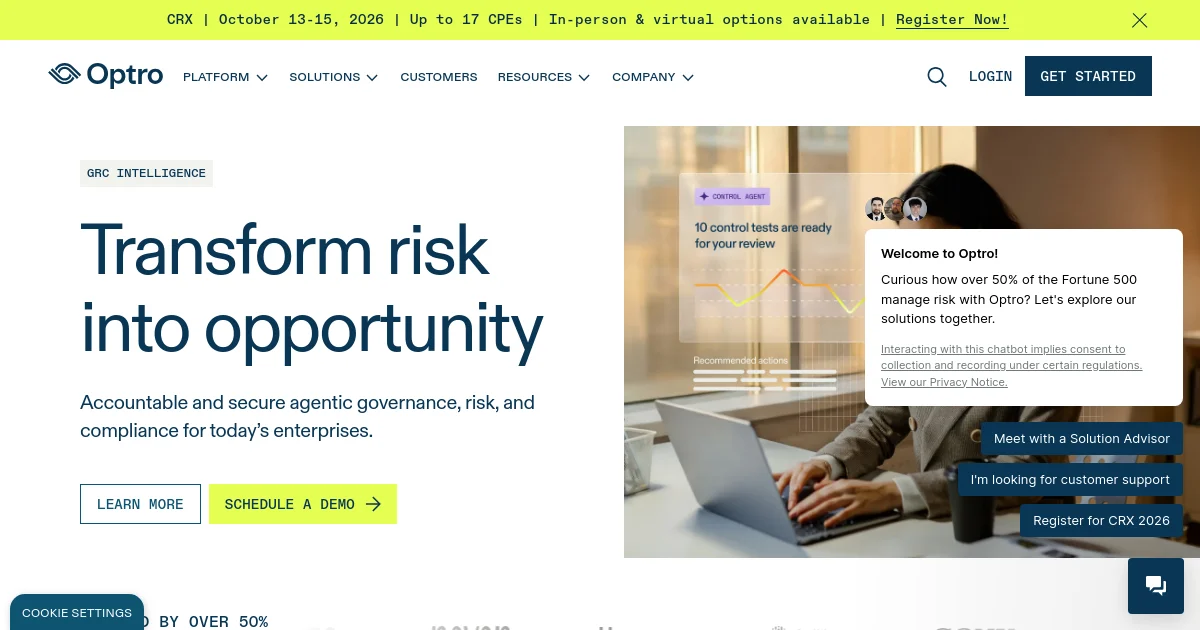
AuditBoard website homepage screenshot
AuditBoard logo
62
DAR

Connected risk platform for internal audit, SOX compliance, enterprise risk management, and ESG reporting.

AuditBoard links audit findings, risk events, and control tests into a shared workspace, replacing the email-and-spreadsheet workflows that cause enterprises to fail audits on process gaps rather than actual control failures.

Thoropass website homepage screenshot
Thoropass logo
61
FAR
#18

Thoropass

Automates security compliance from gap assessment through audit report, with a licensed auditor included.

Thoropass combines compliance software with built-in access to licensed auditors, collapsing the two-vendor relationship that slows most SOC 2 engagements. Startups use it to achieve first-time certification in under 12 weeks.

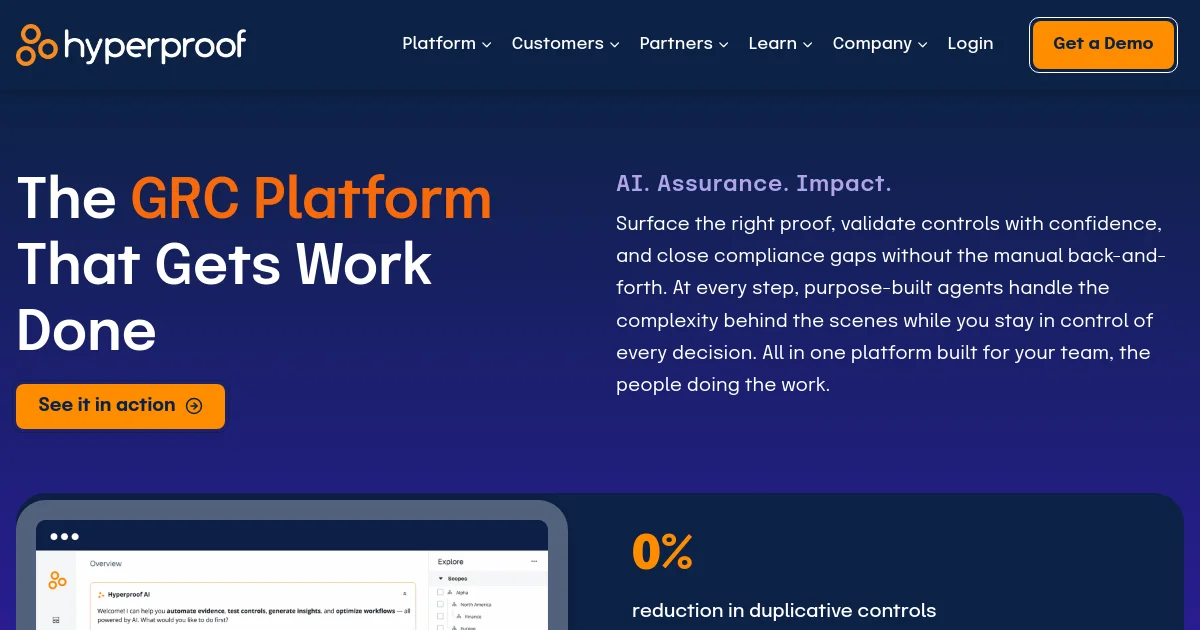
Hyperproof website homepage screenshot
Hyperproof logo
61
DAR

Workflow automation platform built for IT, security, and compliance teams managing multiple frameworks in parallel.

Hyperproof centralizes control evidence, testing schedules, and risk registers, letting teams link a single control to multiple frameworks and avoid the duplicate effort that comes with running SOC 2 and ISO 27001 simultaneously.

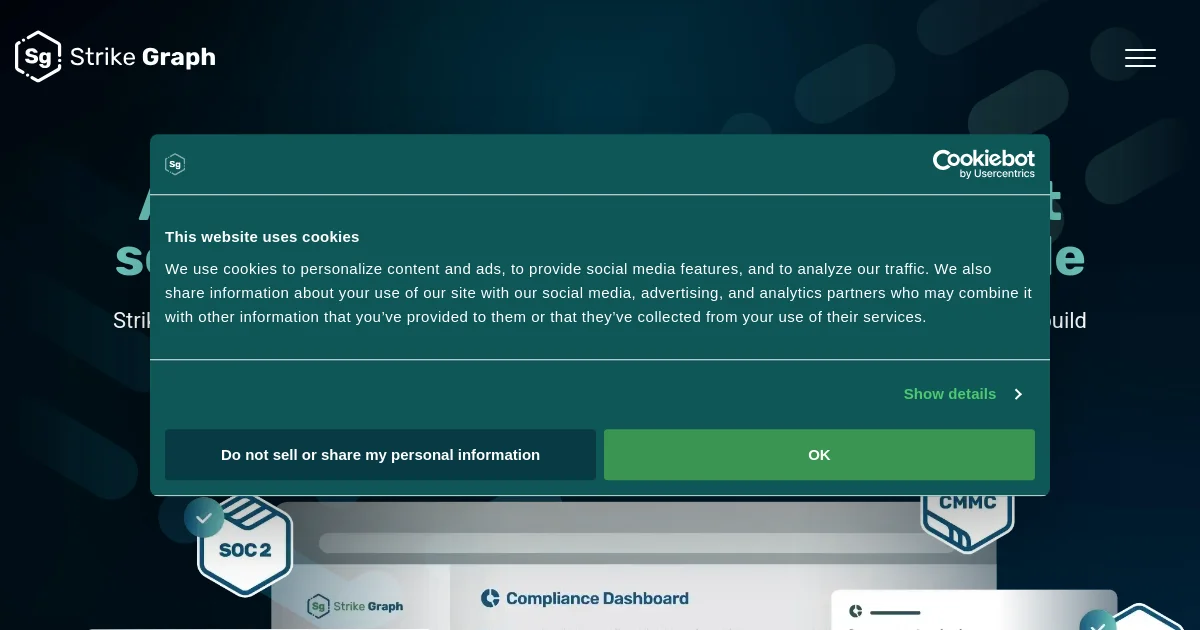
Strike Graph website homepage screenshot
Strike Graph logo
57
DAR

AI-native certification platform that builds a compliance program from the risks the business actually carries.

Strike Graph starts from the company's specific threat model rather than a generic framework template, generating a right-sized control set. It targets fast-moving SaaS companies that need certification without a dedicated compliance team.

What the list tells you about the category

The compliance market has not consolidated the way most observers expected. Drata and Vanta, the most obvious rivals in the GRC automation space, have won distinct segments: Vanta is stronger with early-stage companies pursuing first certifications, Drata with growth-stage companies managing multiple frameworks simultaneously. Neither has absorbed the specialized tax players, the data security vendors, or the clinical compliance tools that round out this list. The purchasing committee for compliance automation often has three or four distinct budget owners, each solving a different problem.

The more consequential structural observation is that compliance spend now routes through four or five departments in a typical company. Tax compliance sits with finance. Data security sits with engineering or the security team. GRC and audit management sits with the compliance function. Cloud security posture management sits with infrastructure. Vendors serving each of these buyers have optimized for that buyer's language, integrations, and procurement cycle, making cross-category consolidation harder than surface-level market maps suggest. The next differentiation wave will likely come from how deeply these platforms embed into the development cycle itself, surfacing policy violations before code ships rather than after it runs in production.

Frequently Asked Questions

What is compliance automation software?

Compliance automation software continuously monitors systems, collects audit evidence, and enforces controls against regulatory frameworks like SOC 2, ISO 27001, GDPR, and HIPAA, replacing the manual evidence-gathering that precedes an audit. It integrates with cloud infrastructure, identity providers, and internal tools to maintain a real-time view of a company's security and compliance posture rather than a point-in-time snapshot.

How long does SOC 2 certification take with a compliance automation platform?

With a modern compliance automation platform, companies pursuing SOC 2 Type I typically reach certification in 4 to 8 weeks from a standing start. SOC 2 Type II, which requires a minimum observation period, generally takes 6 to 12 months depending on the auditor and the company's starting posture. Platforms like Drata, Vanta, Thoropass, and Hyperproof compress both timelines by automating evidence collection and mapping controls to framework requirements from day one.

What is the difference between GRC software and compliance automation?

GRC (governance, risk, and compliance) software is typically a broader category designed for enterprise risk management, audit management, and policy governance, used primarily by large internal audit and risk teams. Compliance automation platforms focus specifically on technical controls and certification workflows for security frameworks like SOC 2 and ISO 27001. Many companies use both: a GRC platform for board-level risk reporting and a compliance automation tool for technical audit evidence. The two categories are converging as vendors on both sides expand their scope.

© 2026 StartupHub.ai. All rights reserved. Do not enter, scrape, copy, reproduce, or republish this article in whole or in part. Use as input to AI training, fine-tuning, retrieval-augmented generation, or any machine-learning system is prohibited without written license. Substantially-similar derivative works will be pursued to the fullest extent of applicable copyright, database, and computer-misuse laws. See our terms.