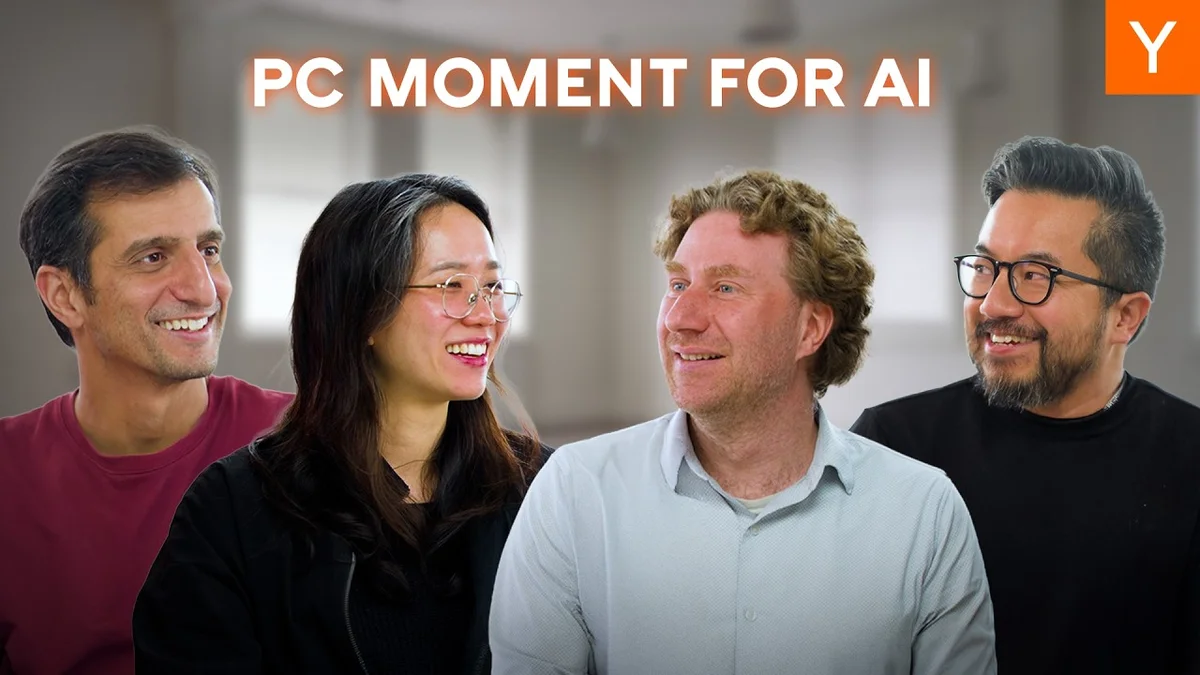
The concept of the personal computer has been a cornerstone of technological advancement for decades, but a new paradigm is emerging: personal AI. This shift signifies a fundamental change in how individuals interact with technology, moving beyond static tools to dynamic, intelligent agents that can understand context, learn, and proactively assist users. The potential for personal AI to revolutionize how we work, learn, and live is immense, promising a future where computation is deeply integrated into our lives in a profoundly personalized way.
The Dawn of Personal AI
The video, titled "Personal AI Is the New Personal Computer," explores this transformative shift. It suggests that personal AI is not merely an evolution of existing technology but a new category of computing. Unlike personal computers, which require explicit instruction and user input for every task, personal AI agents are designed to understand user intent and context, proactively offering assistance and automating complex processes. This move towards more intuitive and intelligent interaction marks a significant leap forward in human-computer collaboration.
The full discussion can be found on YC's YouTube channel.

Beyond Static Tools: The Rise of Dynamic Agents
The core of this new paradigm lies in the move from static tools to dynamic, intelligent agents. While personal computers have served us well, they are fundamentally reactive. Personal AI, on the other hand, aims to be proactive. These agents can learn from user behavior, understand nuances in communication, and anticipate needs. This allows for a more natural and efficient interaction, where the AI acts as a true partner rather than just a tool. The video highlights the potential for these agents to handle complex tasks, from research and analysis to creative work and problem-solving, all while maintaining a personalized understanding of the user.
The Implications for Productivity and Creativity
The implications of personal AI extend to virtually every aspect of productivity and creativity. By offloading cognitive tasks, managing information overload, and providing intelligent insights, personal AI can free up human potential for higher-level thinking and innovation. This shift promises to redefine the nature of work, making us more efficient and capable. The ability of these AI systems to process vast amounts of information and identify patterns that humans might miss opens up new avenues for discovery and problem-solving across various fields.