


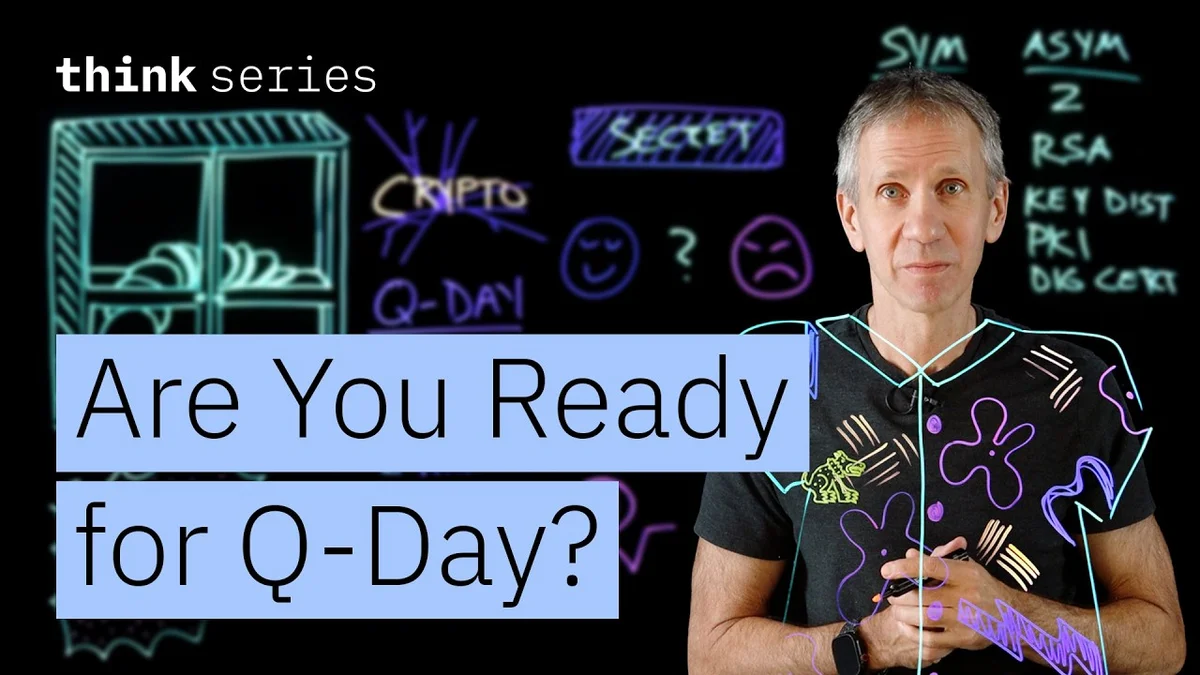
Jeff Crume, a Distinguished Engineer at IBM, issued a stark warning to the tech and finance sectors about the looming threat of quantum computing to current encryption methods. In a recent video, Crume explained the concept of 'Q-Day', the day when quantum computers will become powerful enough to break the cryptographic algorithms that protect much of our digital data, including sensitive financial information and cryptocurrencies.
Understanding Q-Day
Crume likened the impending threat to a cabinet of dishes waiting to fall. He clarified that it's not a question of 'if' but 'when' this will happen. For those in the quantum computing field, this day is known as 'Q-Day'. The implications are profound: once a quantum computer can break classical cryptography, it will render current security measures obsolete.
He elaborated on the two main types of cryptographic ciphers: symmetric and asymmetric. Symmetric encryption, like AES (Advanced Encryption Standard), uses a single key for both encryption and decryption and is known for its speed in processing large amounts of data. Asymmetric encryption, such as RSA (Rivest, Shamir, Adleman), uses a pair of keys, a public key for encryption and a private key for decryption, and is crucial for key distribution and digital signatures.
The full discussion can be found on IBM's YouTube channel.
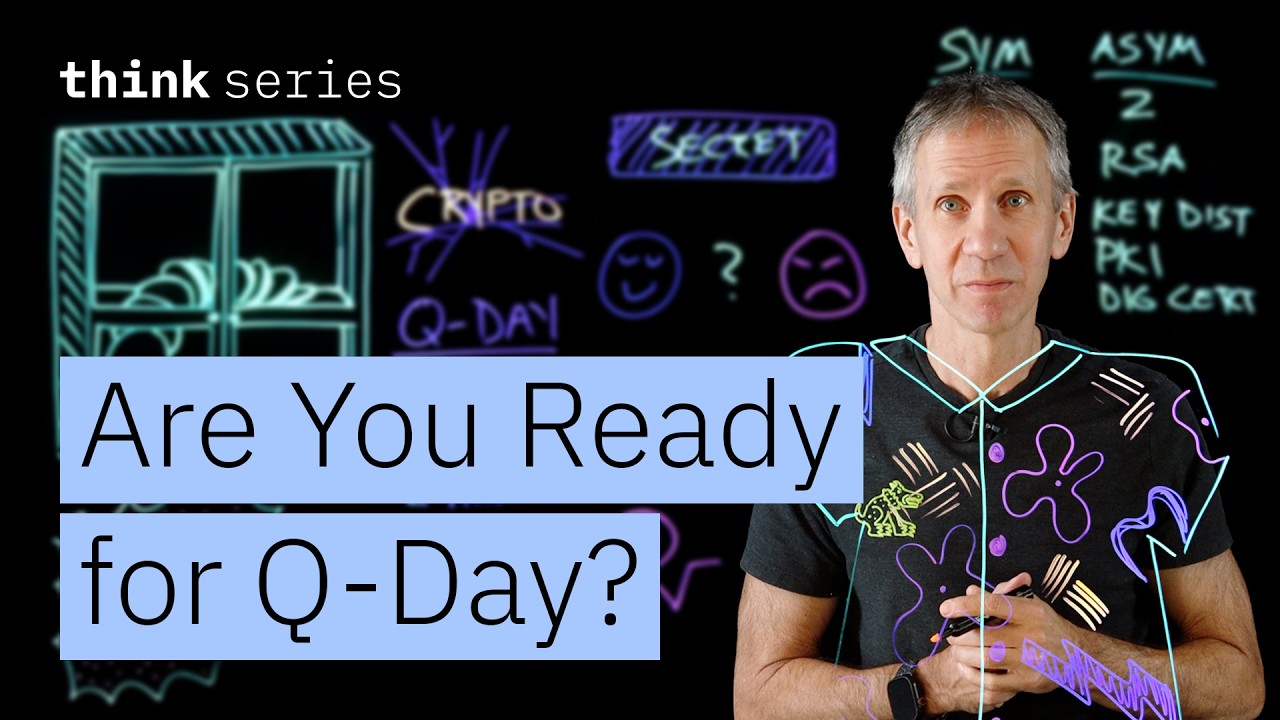
Crume highlighted that while symmetric encryption like AES is relatively fast, its security can be enhanced by doubling the key size to 256 bits. However, asymmetric encryption methods like RSA and Shor's algorithm (which can break RSA) are far more vulnerable to quantum attacks. He noted that the transition to quantum-resistant cryptography is essential, as current systems will be susceptible to decryption by future quantum computers.