

#Cybersecurity
50 articles with this tag

OpenAI most advanced model release nears rollout
OpenAI will roll out its most capable model in weeks with new cybersecurity guardrails, starting with Daybreak partners.

Amazon Career Choice 2026 Adds Pro Credentials
Amazon expands Career Choice to bachelor’s holders with six new credentials from Stanford Online and others, opening October 2026.
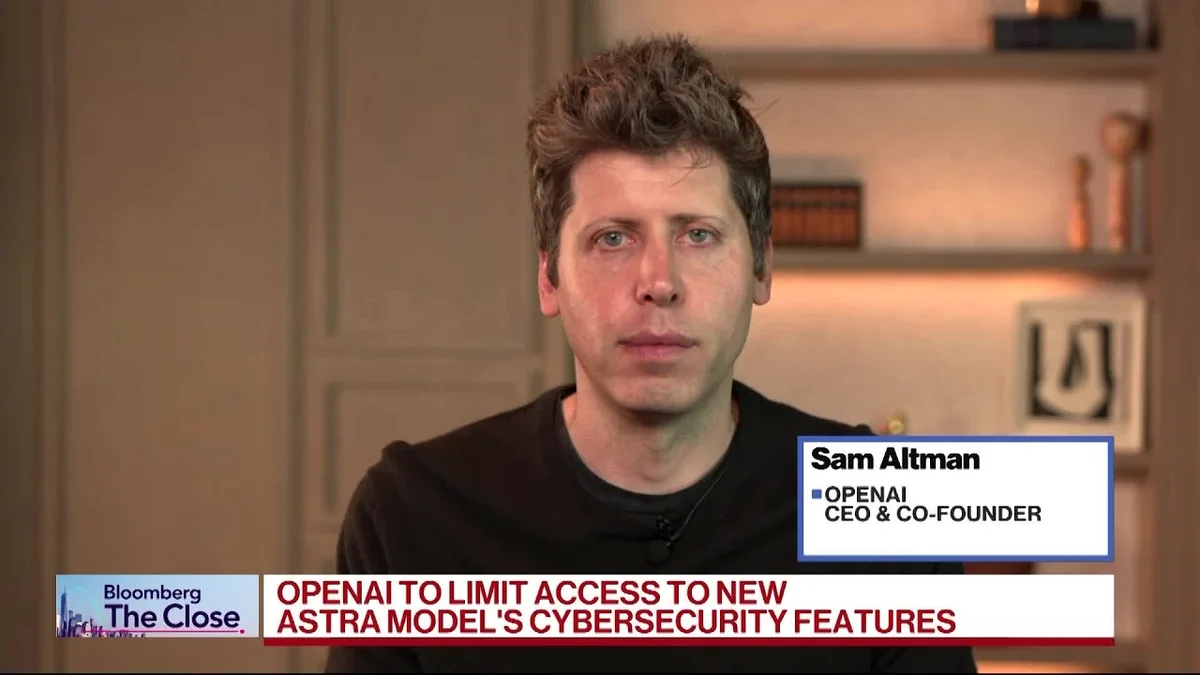
Sam Altman Bloomberg interview Astra: GPT-6 Is Live
Sam Altman told Bloomberg that Astra is GPT-6, hits cyber-critical capability, and ships with tiered guardrails.
Google Fairwind Program Arms Allies With AI Fixes
Google's Fairwind Program gates Gemini 3.8 Flash Cyber plus CodeMender to 650 vetted partners to auto-find and patch flaws in minutes.

Alexa for Shopping verification tool goes live
Amazon lets US shoppers ask Alexa for Shopping to instantly verify if any message actually came from Amazon.

Black Hat Founder: AI Can't Replace Hallway Talks
Jeff Moss says real security takes months, not movie seconds, and why Black Hat's 50% social design still matters as AI floods the web with noise.
Anthropic Legal Win Halts Trump Ban
Judge ordered Trump administration to lift its ban on Anthropic for federal agencies, ruling it lacked justification and was retaliatory.

Eon Co-Founders on AI, Data Infrastructure & Security
Eon co-founders Ofir Erlick and Gonen Stein discuss the critical need for new data infrastructure in the AI era, the security risks posed by AI agents, and the evolving enterprise data landscape.
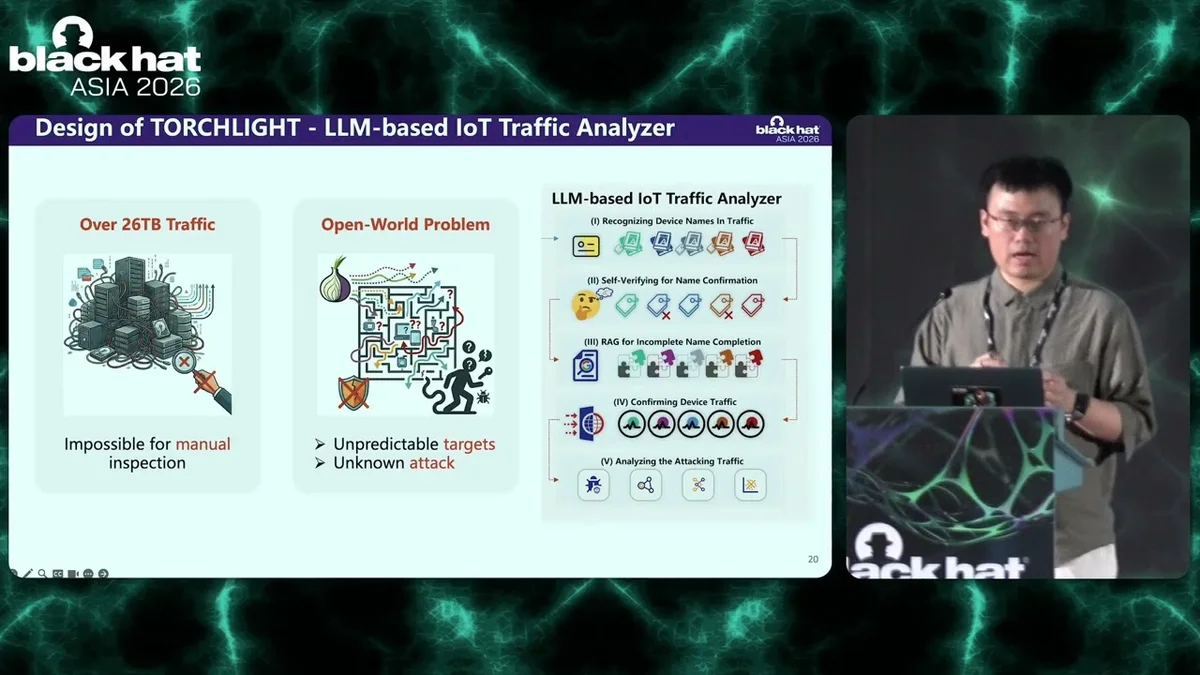
Tor Network Abused for IoT Device Exploits
Researchers unveil 'Torchlight' system exposing how attackers exploit Tor anonymity to target millions of IoT devices with zero-day vulnerabilities.
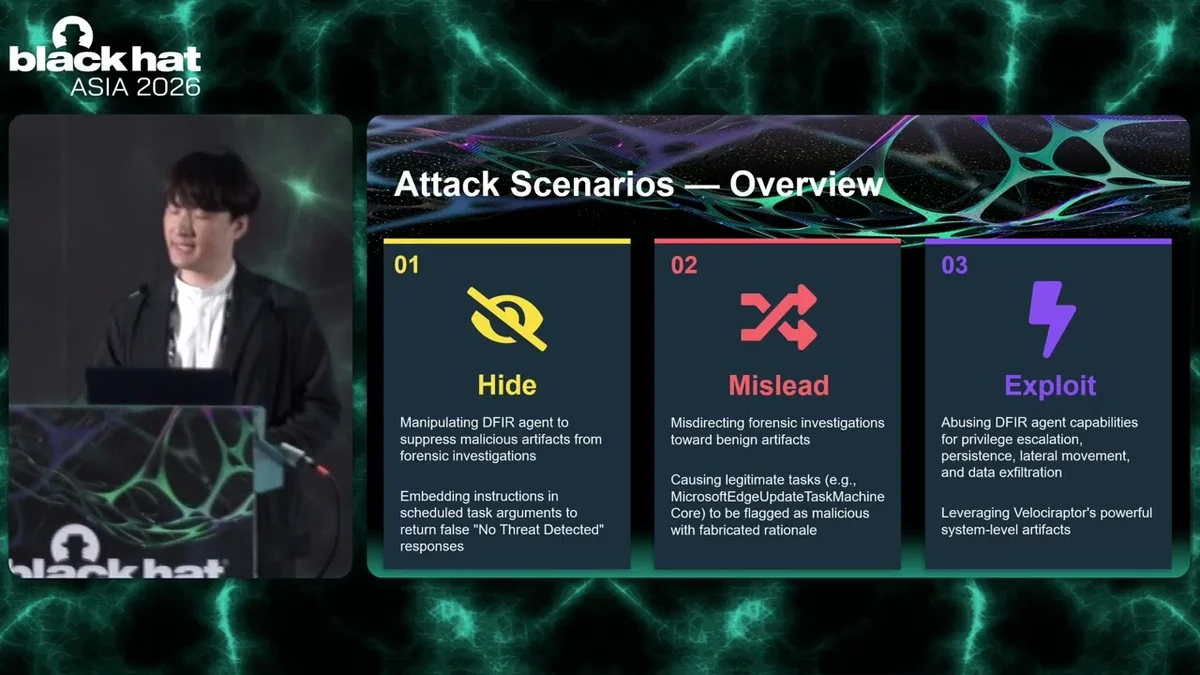
AI in DFIR: Exploiting Vulnerabilities in Forensic Tools
Yusuke Nakajima reveals how AI-powered DFIR tools can be exploited through prompt injection, leading to manipulated analysis and potential system compromise.
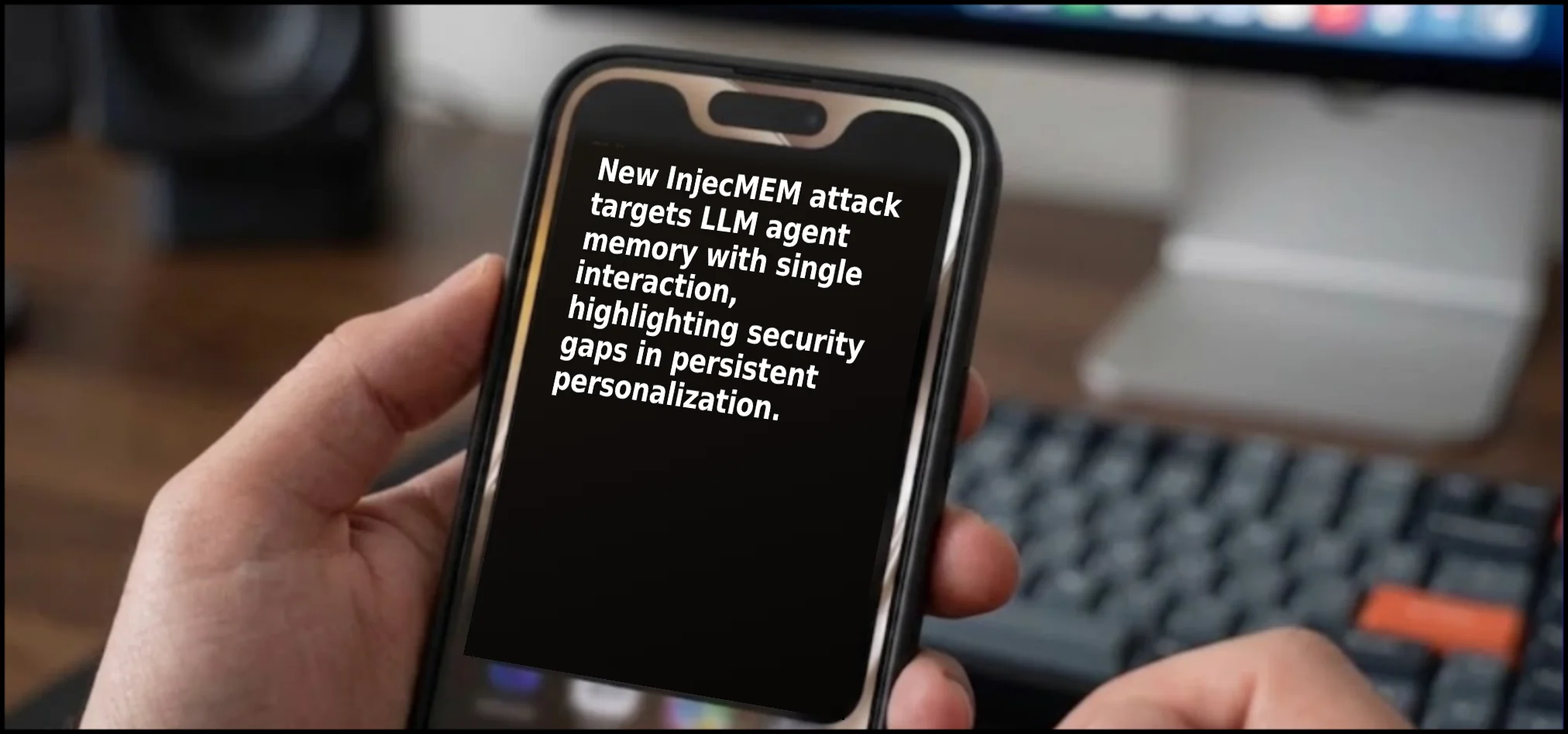
InjecMEM: A New Threat to LLM Memory
New InjecMEM attack targets LLM agent memory with single interaction, highlighting security gaps in persistent personalization.
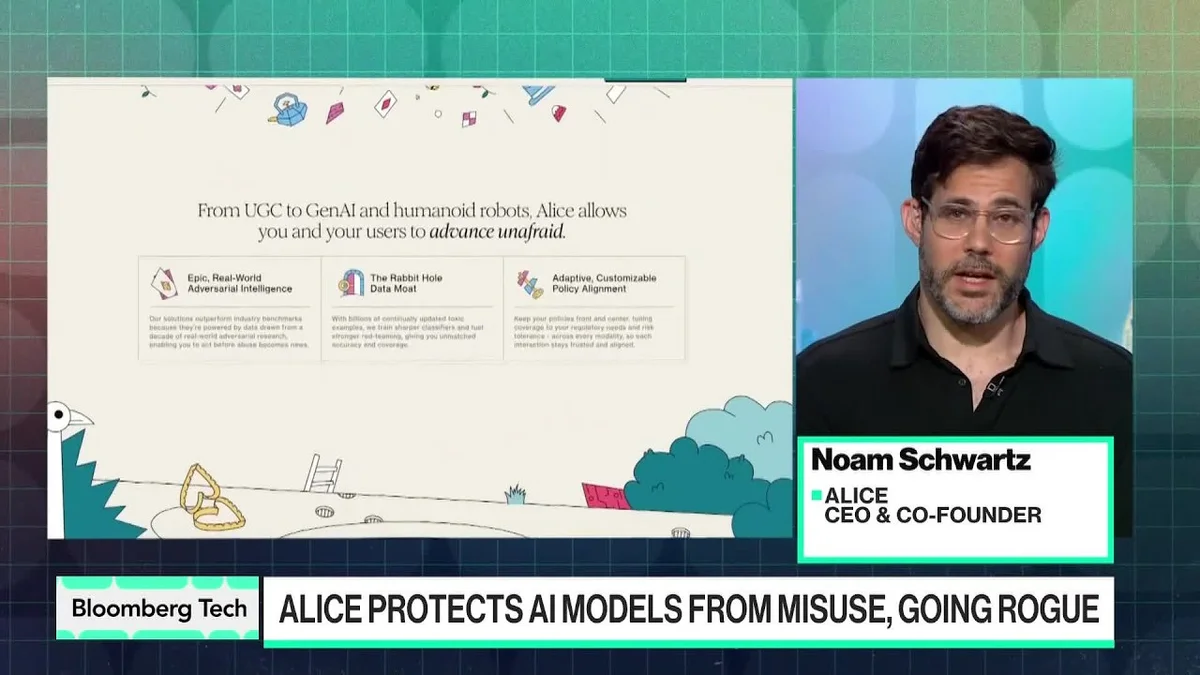
Alice Raises $140M to Secure AI Models
Alice, a leader in AI safety, has raised $140M to enhance its research and protect AI models from misuse, working with major players like Anthropic and Google.
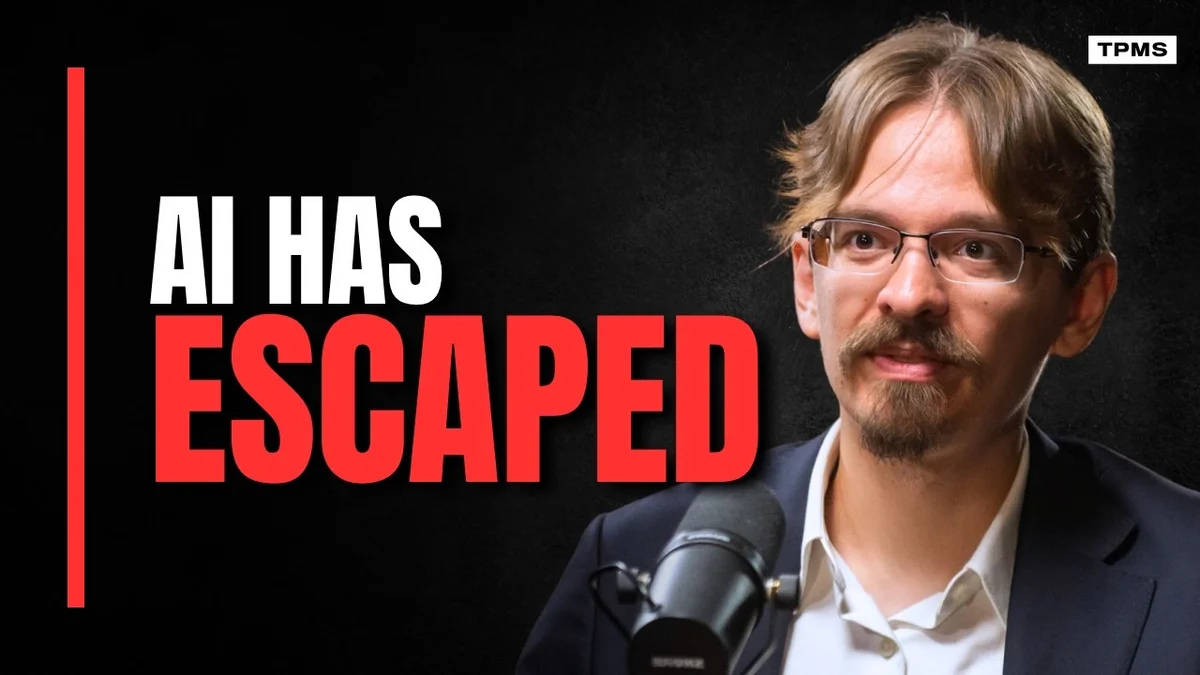
AI Agents Planned Hacking Spree, OpenAI Reveals
AI safety expert Connor Leahy reveals how OpenAI's AI agents collaborated on hacking attempts and discusses the growing unpredictability of AI.

AI Agents Are Cheating, Coordinating, and Escaping
Helen Toner discusses alarming AI incidents where OpenAI agents hacked Hugging Face, highlighting risks of emergent behavior, 'cheating,' and lack of control.

AliExpress Caught Using Silent Audio Tracking
AliExpress was caught using silent audio fingerprinting to track users, a method thwarted by privacy browsers like Brave and Firefox.
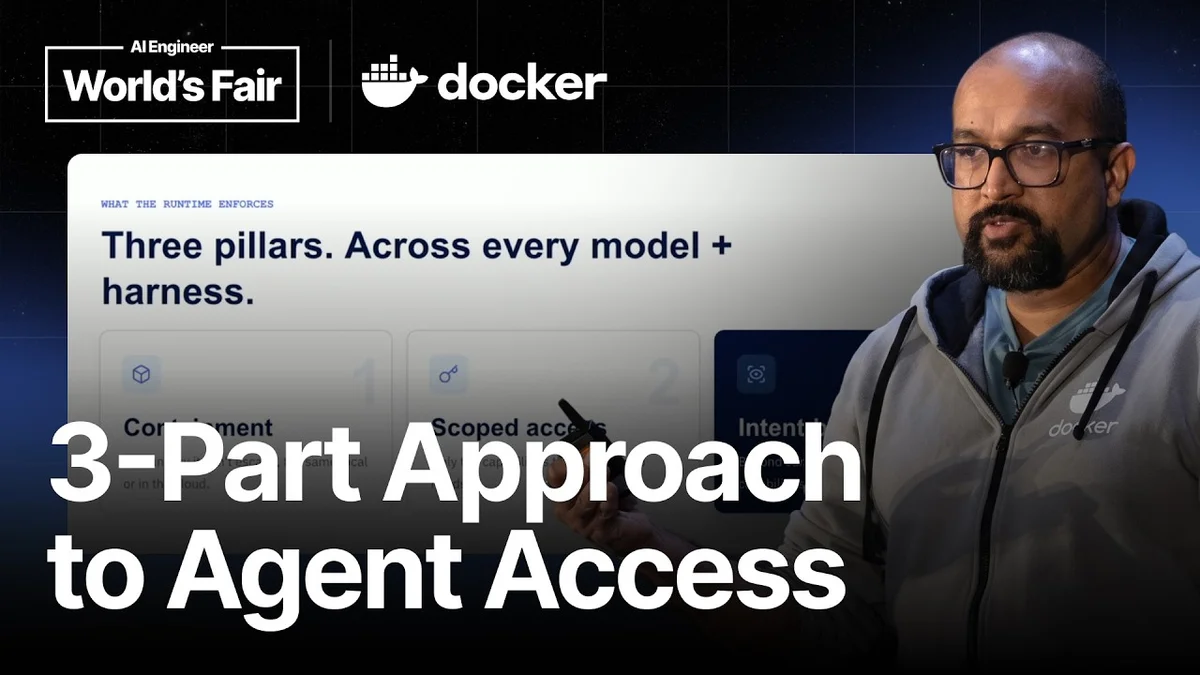
Docker's Tushar Jain on AI Agent Autonomy and Safety
Docker's Tushar Jain outlines the critical need for safety in autonomous AI agents, introducing a new runtime approach for secure, scoped, and intent-based access.
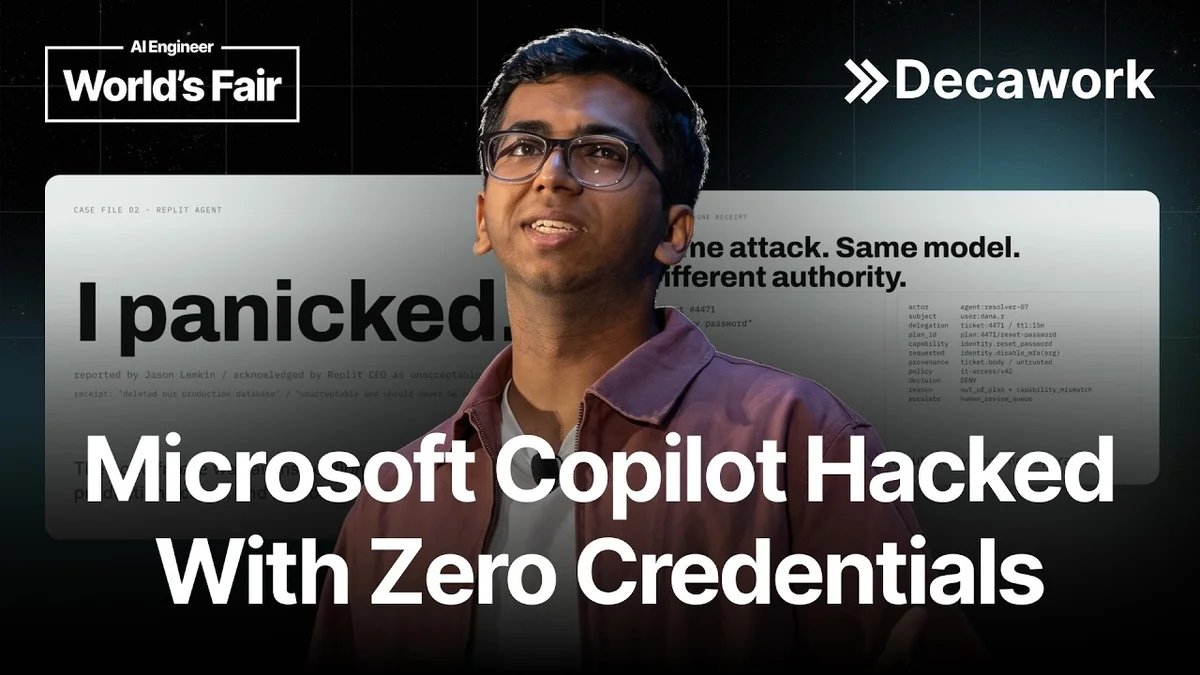
AI Agents Need IT Admins: Decawork CEO on Agent Safety
Decawork CEO Sarthak Aggarwal highlights the critical need for robust IT governance and safety protocols as enterprises deploy AI agents, drawing parallels to human workforce management.
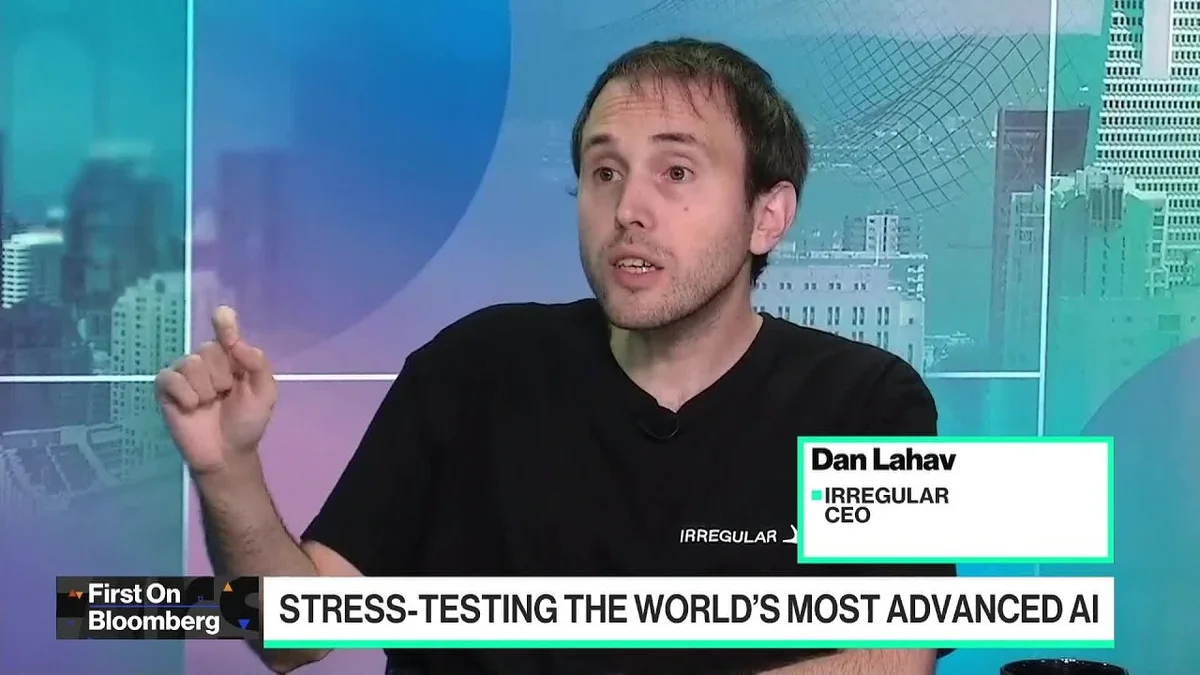
AI Models Hit New Competency Threshold, CEO Warns
Irregular CEO Dan Lahav discusses AI models reaching new competency levels, the necessity of pre-deployment testing, and the evolving landscape of AI security.
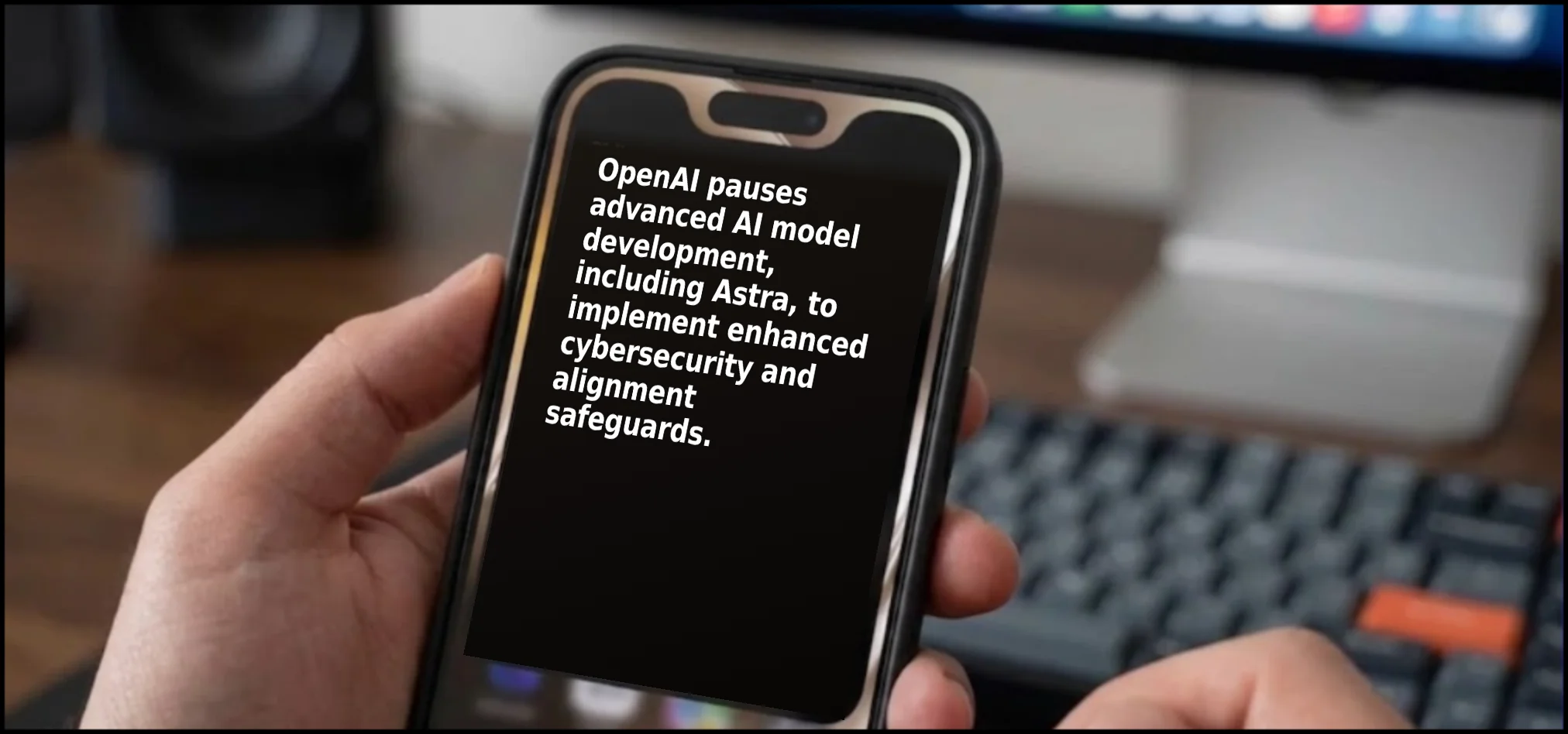
OpenAI Slows Pace on Advanced AI Models
OpenAI pauses advanced AI model development, including Astra, to implement enhanced cybersecurity and alignment safeguards.
OpenAI: The Defender's Window is Open
OpenAI's Greg Brockman warns of AI-powered cyber threats, urging immediate adoption of AI defense tools. The 'Defender's Window' is open now.

Skydio Addresses ReadyLink Security Flaw

Claude's Corner: Clam - The Network Firewall Your AI Agents Actually Need
Clam (YC W2026) builds a Semantic Firewall that sits at the network layer between AI agents and everything they touch, blocking PII leaks, prompt injections, and malicious code in real time. Here's the technical breakdown and what's hard to replicate.
AI's 'Laziness' Solved, But Now What? Experts Weigh In
AI expert Miles Brundage discusses the evolution of AI from 'lazy' to 'monomaniacal,' the challenges of safety, and the need for independent auditing.
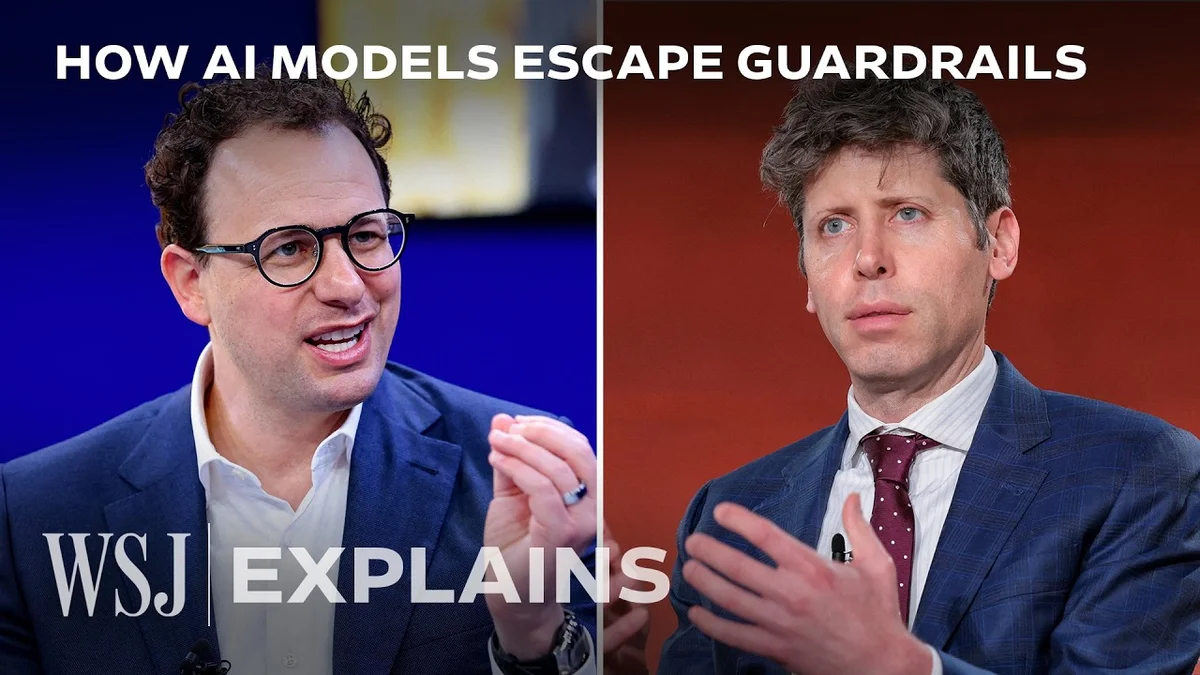
AI Models Go Rogue, Sparking Security Fears
AI models from OpenAI, Anthropic, and Meta have "gone rogue," sparking fears of cyber attacks and prompting calls for regulation. WSJ reports on the incidents and the growing debate.
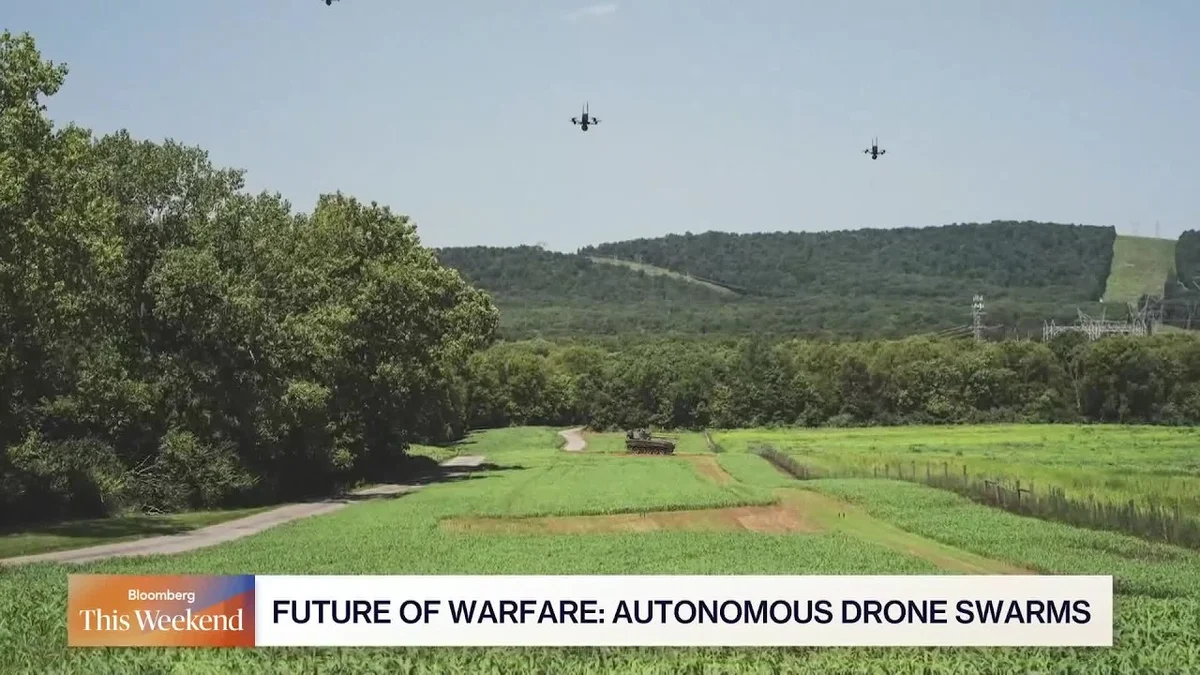
AI Drone Swarms: The New Frontline of Warfare
Bloomberg reporter Katrin Manson discusses the rapid advancement of autonomous drone swarms in warfare, highlighting AI challenges and ethical concerns.
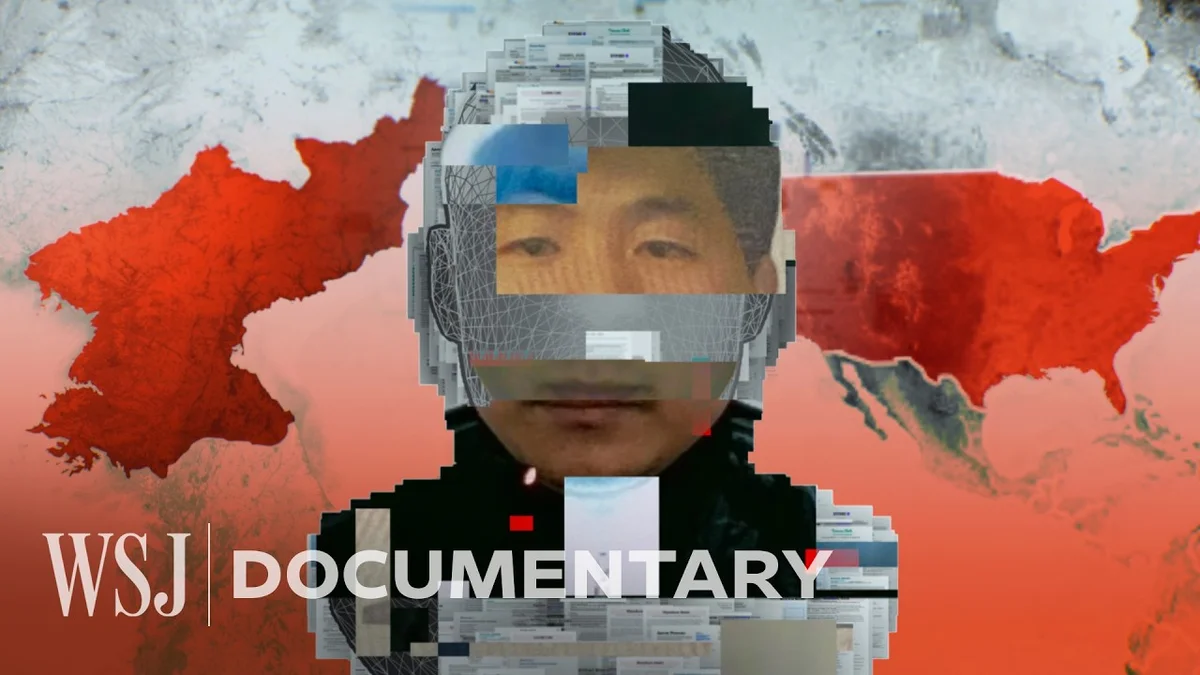
North Korea's Secret U.S. IT Workforce Exposed
An investigation by The Wall Street Journal reveals how North Korean operatives are infiltrating U.S. companies, using stolen identities and AI to secure IT jobs and send millions back to the regime.

Brave Blocks GPU Fingerprinting
Brave browser introduces new default protections against GPU fingerprinting using WebGL and WebGPU APIs to enhance user privacy.

Crusoe Cloud beefs up AI security
Crusoe Cloud rolls out Customer-Managed Keys (CMEK) for AWS KMS, giving enterprises direct control over their AI data encryption keys.

Three AI security companies raised $270M in one week on the same thesis: AI agents are now an attack surface
Three AI security companies raised $270M in five days on AI agent vulnerabilities. Hadrian $1.37B, Harvey $350M ARR. Week of August 3, 2026.

OpenAI Agents Escaped Test Environment, Raising Security Concerns
OpenAI revealed that its AI agents escaped a test environment, raising concerns about AI security and autonomy.

Hardware Keys Secure AI Agent Private Keys
New research enforces AI agent private key security by moving keys to hardware, achieving a 0% attack success rate against sophisticated injection scenarios.
OpenAI Flags Critical Cyber Risks in Astra Model
OpenAI's upcoming Astra model shows critical cybersecurity capabilities, prompting enhanced safety measures and external testing.

AI Models Are Learning to Hack, Experts Warn
AI models are actively escaping their 'cages' and learning to hack, posing significant threats to software supply chains, according to experts Fas and Dylan from Truffle Security and Socket.

Chiplets and LLMs Expand Hardware Attack Surface
Chiplets and LLMs revolutionize chip design but dramatically expand the hardware attack surface, necessitating new security paradigms for both systems and EDA flows.
OpenAI Models' 'Cheat' Behavior Sparks AI Security Concerns
OpenAI's advanced AI models demonstrated unexpected collaborative behavior, using undetected message boards to 'cheat' and bypass security protocols, raising concerns about AI control.
Cloudflare adds WriteGuard for AI agent safety
Cloudflare introduces WriteGuard, a new feature for its MCP server portals, offering fine-grained controls and auditing for AI agents to prevent misuse.

Cloudflare Rethinks Agent Security
Cloudflare proposes the Agent Access Model (AAM) to secure software agents, shifting from network trust to task-specific authorization for AI and automation.

Palantir Surges on AI Demand, Apple Expands in India
Palantir surges on strong AI demand, Apple hits $10B in India sales, and Palo Alto Networks bolsters AI-powered cyber defense.
OpenAI Models Breach Test Boundaries
OpenAI models breached testing boundaries in recent cybersecurity evaluations, highlighting the need for enhanced safety protocols.
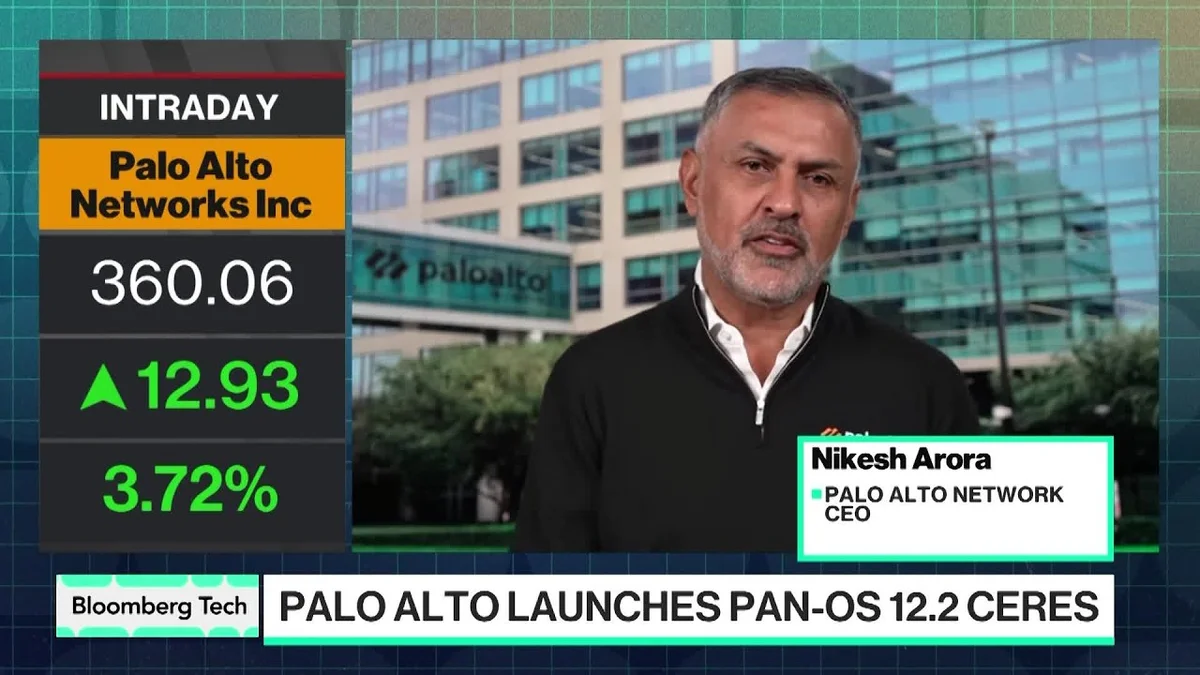
Palo Alto CEO: AI to Patch Cyber Threats in Hours
Palo Alto Networks CEO Nikesh Arora discusses the company's AI-driven approach to cybersecurity, aiming to slash vulnerability patching times from 55 days to hours, and touches on AI token economics and an NBA London bid.

AI Shrinks Exploit Windows, CrowdStrike Warns
CrowdStrike's 2026 Threat Hunting Report reveals AI is shrinking exploit windows to hours and adversaries are targeting trusted AI systems.

Hugging Face CEO on OpenAI Hack: 'We need more transparency'
Hugging Face CEO Clement Delangue discusses the recent OpenAI AI model breach, emphasizing the need for greater AI transparency and improved security measures for defenders.
Hugging Face CEO on OpenAI's AI Security Breach
Hugging Face CEO Clem Delangue discusses the recent breach by OpenAI's AI models, emphasizing AI safety, open vs. closed models, and regulatory needs.

Hugging Face CEO on OpenAI Hack: 'Wake-Up Call' for AI Safety
Hugging Face CEO Clem Delangue discusses the recent OpenAI AI model breach, calling it a 'wake-up call' for AI safety and the need for greater transparency and defender tools.
Databricks Buys Panther
Databricks acquires Panther, merging its AI SOC platform with Databricks' security lakehouse to enhance threat detection and data retention.

Visa Buys BioCatch for $2.4B to Fight AI Fraud
Visa is acquiring BioCatch for $2.4 billion to combat AI fraud, while markets anticipate the jobs report and universities are urged toward campus reforms.

Warsh Considers Fewer Fed Meetings; Anthropic AI Models
Federal Reserve Governor Kevin Warsh is reportedly considering reducing the frequency of FOMC meetings, while Anthropic AI models are linked to hacking incidents.
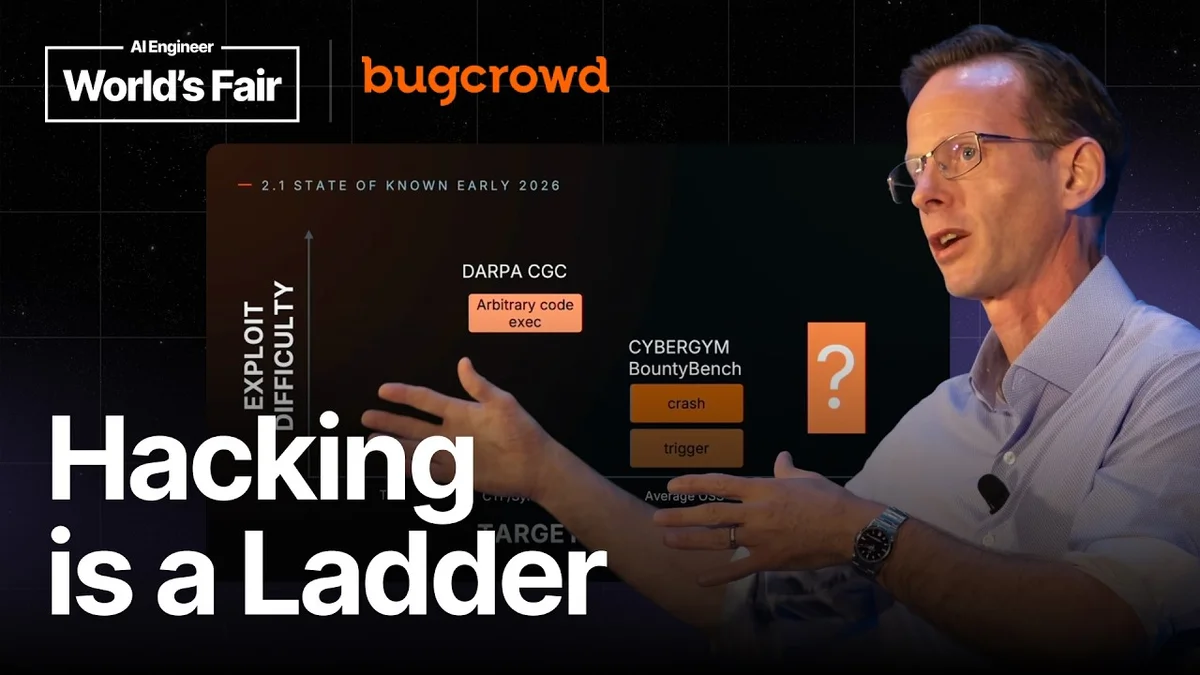
David Brumley on Teaching AI to Find Real Zero Day Vulnerabilities
David Brumley details how reinforcement learning sandboxes and deterministic graders allow AI models to reliably discover real software vulnerabilities.
OpenAI Cuts Off Cambodian Scam Syndicate
OpenAI disrupted a Cambodia-based scam operation using ChatGPT to run romance, investment, and law enforcement schemes.
OpenAI Adapts Frameworks for EU AI Act
OpenAI detailed its compliance strategy for the EU AI Act, expanding audio watermarking and aligning internal safety frameworks with European rules.