Artificial Intelligence

AI's Inflation Impact: UK Economy Focus

KPMG UK Chief Economist Yael Selfin discusses UK inflation, stating energy costs are a bigger driver than AI chip prices, and the Bank of England is focused elsewhere.

Daniel Singer

By Daniel Singer, Editor, StartupHub.ai

3 min read

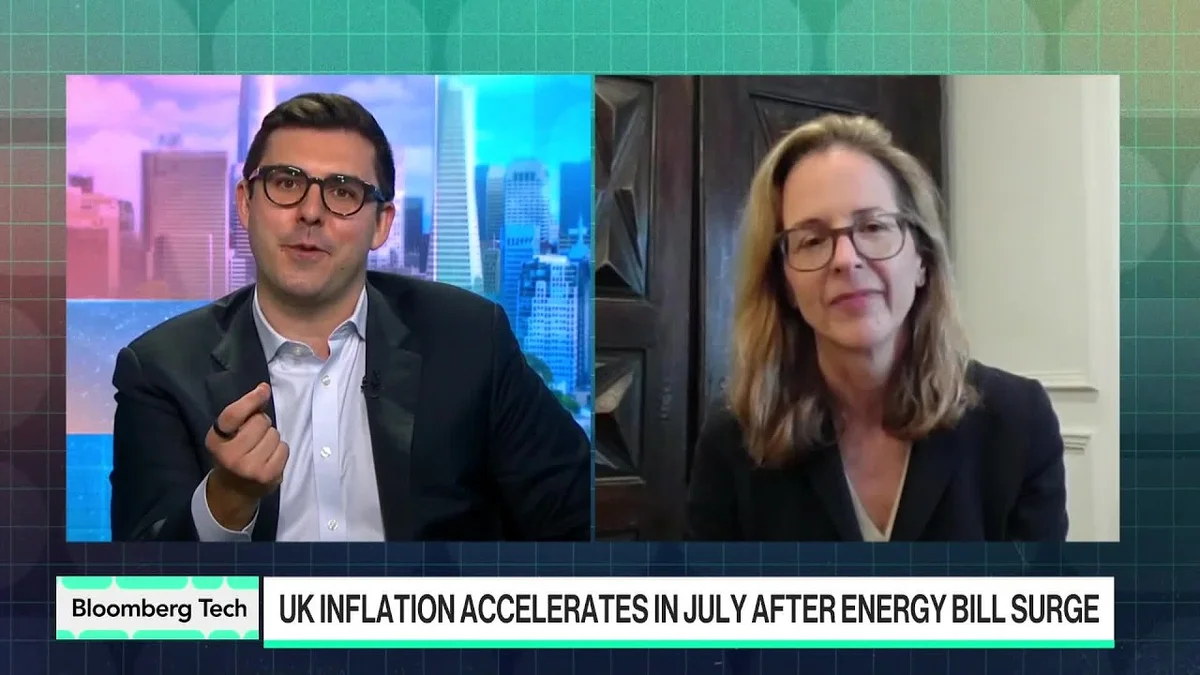
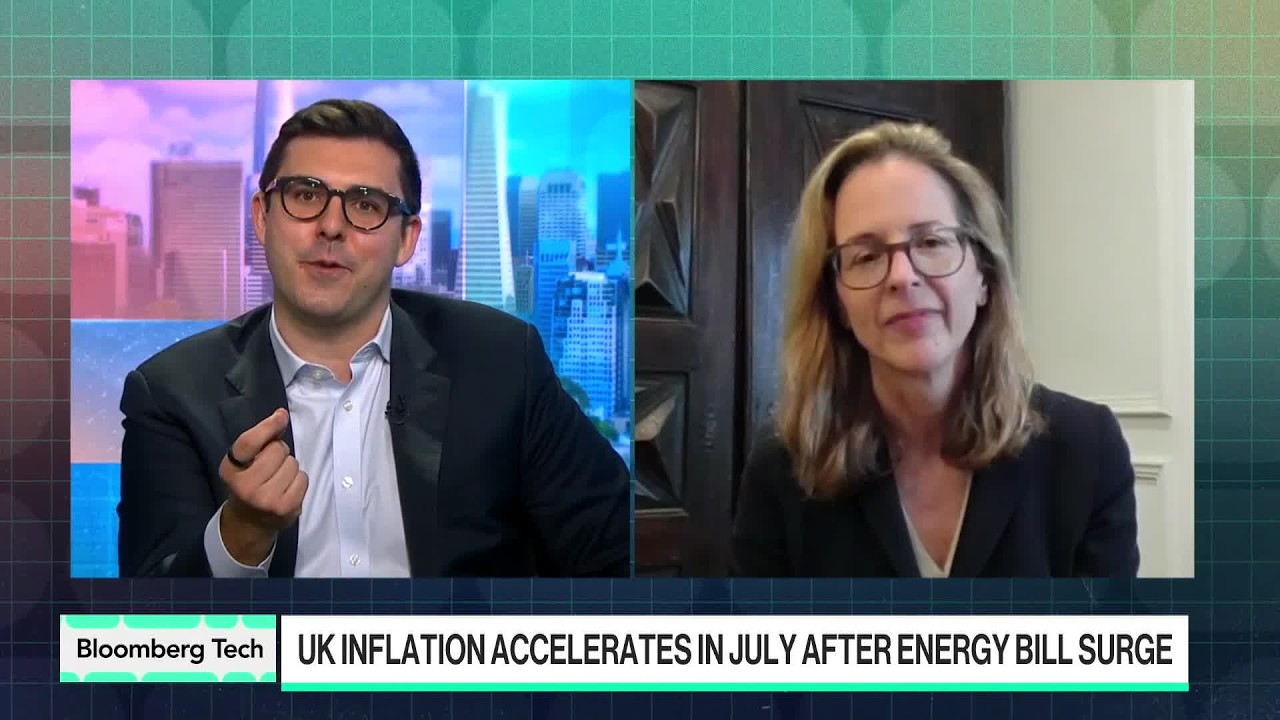
Yael Selfin, Chief Economist at KPMG UK, speaks on Bloomberg Tech.
Credit: Bloomberg Technology
Visual TL;DR
UK Inflation FocusContext
KPMG UK Chief Economist Yael Selfin discusses inflation drivers in the UK economy
From the article 9 mentionsWhen asked about the Bank of England's awareness of AI's impact on monetary policy, Selfin suggested that AI is not currently a primary focus.
Energy Costs DominateDriver
primary driver of inflation is household energy costs, increasing by 13% in July
From the article 4 mentionsWhile the term 'chipflation' has emerged to describe potential price increases driven by semiconductor costs, Selfin argues that the impact on the UK economy is less pronounced than other drivers, notably household energy costs.
AI Chip PricesContext
concerns about 'chipflation' from semiconductor costs are less pronounced
From the article 4 mentionsWhile acknowledging that AI contributes to higher costs generally, potentially seen in service sector inflation, Selfin downplayed the immediate impact of chip prices on consumer products.
Gas Prices RiseDriver
From the articleShe pointed to a 13% increase in energy costs for households at the start of July, largely attributed to the rise in gas prices.
Less Impact on UKOutcome
From the article 7 mentionsWhile the term 'chipflation' has emerged to describe potential price increases driven by semiconductor costs, Selfin argues that the impact on the UK economy is less pronounced than other drivers, notably household energy costs.
BOE PrioritiesCore
Bank of England's focus is elsewhere, not primarily on AI-driven inflation
Broader Inflation FiguresOutcome
energy cost surge significantly impacts overall inflation, overshadowing chipflation
From the articleThis surge in energy expenses is significantly impacting the broader inflation figures, overshadowing concerns about 'chipflation'.
Contents(3)

In a recent Bloomberg Tech discussion, Yael Selfin, Vice Chair and Chief Economist at KPMG UK, shed light on the factors influencing UK inflation, particularly in relation to the growing costs associated with artificial intelligence. While the term 'chipflation' has emerged to describe potential price increases driven by semiconductor costs, Selfin argues that the impact on the UK economy is less pronounced than other drivers, notably household energy costs.

Energy Costs Dominate UK Inflation

Selfin highlighted that the primary driver of inflation in the UK remains household energy costs. She pointed to a 13% increase in energy costs for households at the start of July, largely attributed to the rise in gas prices. This surge in energy expenses is significantly impacting the broader inflation figures, overshadowing concerns about 'chipflation'.


The full discussion can be found on Bloomberg Technology's YouTube channel.

Why AI Isn’t the BOE’s Biggest Inflation Worry - Bloomberg Technology
Why AI Isn’t the BOE’s Biggest Inflation Worry, from Bloomberg Technology

While acknowledging that AI contributes to higher costs generally, potentially seen in service sector inflation, Selfin downplayed the immediate impact of chip prices on consumer products. She explained that these products represent a relatively small portion of the overall inflation basket. Furthermore, any price increases in tech products often correlate with higher quality, which is already factored into inflation measurements.

AI's Pricing and Differentiation Challenge

The conversation touched upon the rising costs of AI, particularly the pricing of frontier models. Selfin confirmed that economists are actively monitoring this trend, noting the significant disparity in costs between different AI models. This suggests a need for companies to strategically choose and differentiate AI models based on specific tasks to manage these escalating expenses.

The daily brief

Get the free daily brief with the day's AI news, new AI startups and funding rounds every morning.

Join 64,000 other subscribers.

Regarding the impact of AI on the UK economy compared to the US, Selfin observed a difference in scale. The pressures on resources like energy and water, which are driving higher capital expenditures in US data center build-outs, are not as acute in Europe and the UK so far. This implies that the direct inflationary effects of AI infrastructure development may be less immediate in the UK.

Bank of England's Priorities

When asked about the Bank of England's awareness of AI's impact on monetary policy, Selfin suggested that AI is not currently a primary focus. The central bank's main concerns remain inflation expectations, the state of the labor market, geopolitical events like the crisis in Iran, and the resulting higher energy costs in Europe. While acknowledging the potential for AI to boost productivity, the Bank of England is not viewing it as an immediate factor for monetary policy adjustments or as a significant alleviating factor for current inflationary pressures.

Looking ahead, Selfin anticipates that 'chipflation' is less likely to be a major cause of inflation in the UK or Europe. Instead, the impact will likely be more pronounced in services that are heavy users of AI technology. This strategic approach to AI model selection could become a key factor for businesses aiming to control operational costs in an increasingly AI-driven economy.

Get the free daily brief every morning

Every morning the day's AI news, new AI startups and new funding rounds. Free and takes a few minutes to read, unsubscribe at any time.

Join 64,000 other subscribers.

TopicsYael SelfinKPMG UKArtificial IntelligenceInflationEnergy PricesMonetary PolicyUK EconomyBloomberg Tech

Daniel Singer

Written by

Daniel Singer

Editor, StartupHub.ai

Daniel Singer is the editor of StartupHub.ai, a technology expert and thought leader on AI and its applications across sectors, from fintech and healthcare to developer tooling and consumer software. He writes and tests the tools covered here thoroughly and regularly, and built StartupHub.ai to give founders, operators and buyers a clearer read on what they are actually being sold.

Test your Agent Readiness now

Paste your website. How well ChatGPT, Claude and the other agents can read and use a site, in about a minute, free.

Watch

The videos behind the news, one flip at a time

The feed mixes the videos from our articles with startup demos and you flip through them like TV channels for free with no signup.

