
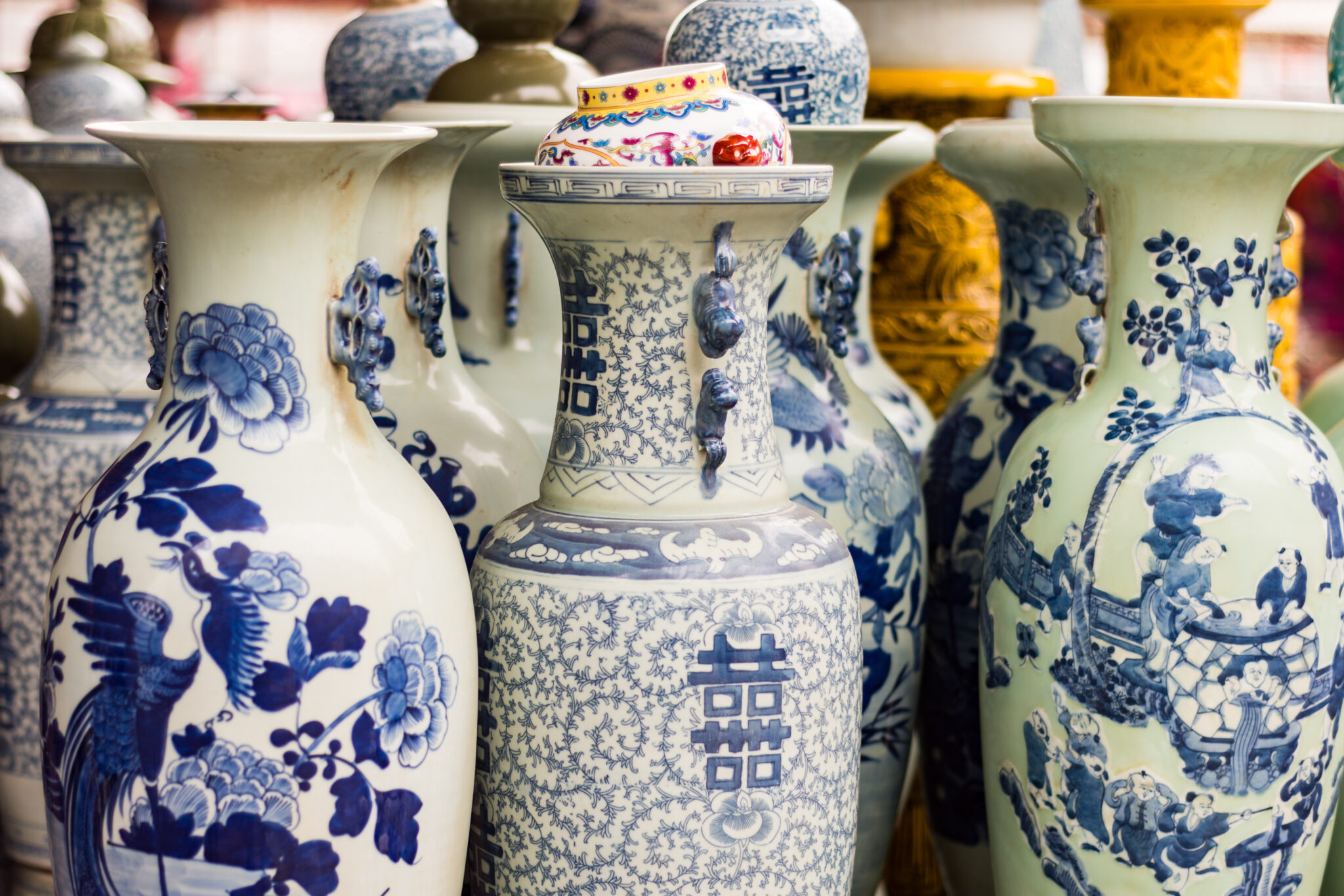
Researchers at University Putra Malaysia and UNSW Sydney developed an advanced AI ceramic classification system. This system accurately classifies Chinese ceramics and predicts their market value. It leverages a consumer-grade NVIDIA GeForce RTX 3090 GPU, democratizing access to expert cultural appraisal.
The AI system employs deep learning to analyze decorative motifs, shapes, and kiln-specific craftsmanship. It predicts price categories using real auction data from institutions like Sotheby's and Christie's. The tool achieves test accuracy as high as 99%, significantly enhancing appraisal precision.
An NVIDIA GeForce RTX 3090 powers the system, a consumer-grade GPU popular with gamers. This choice highlights the potential of readily available hardware for complex analytical tasks. The project demonstrates that specialized data center infrastructure is not always necessary for cutting-edge AI research.
Democratizing Expertise with AI Ceramic Classification
The motivation behind this innovation is to broaden access to cultural expertise. Artifact pricing and dating traditionally rely on expert judgment, which remains elusive for many. Younger collectors, smaller institutions, and digital archive projects often lack this specialized knowledge. This AI ceramic classification system aims to make cultural appraisal more objective, scalable, and accessible.
Furthermore, the AI analyzes intricate decorative patterns, categorizing them into six major types. It also employs a typological classification for ceramic vessel shapes. This comprehensive approach allows for detailed analysis of diverse ceramic forms.
The daily brief
Get the free daily brief with the day's AI news, new AI startups and funding rounds every morning.
Join 64,000 other subscribers.
Beyond classification, the system pairs its YOLOv11-based detection model with an algorithm that learned market value directly from years of auction results. In one test, the AI assessed a Ming Dynasty artifact at roughly 30% below its final hammer price. This demonstrates the algorithm's capability to offer new perspectives in a tradition-steeped industry. The team is already exploring AI for other forms of cultural visual heritage, including Cantonese opera costumes and historical murals.




