


The stark reality that cutting-edge AI can be "powerful enough to fracture a human skull" highlights the perilous chasm between aggressive innovation and fundamental safety. This chilling observation, central to a recent lawsuit against Figure AI, underscores a critical tension in the burgeoning field of humanoid robotics: the relentless drive to market often collides with the meticulous, slow-burn demands of ensuring human safety.
Matthew Berman, a notable commentator on AI developments, recently dissected a whistleblower retaliation and wrongful termination lawsuit filed against Figure AI by its former Head of Product Safety, Robert Gruendel. Figure AI, a prominent American robotics firm, is at the forefront of developing general-purpose humanoid robots for both domestic and industrial applications. The lawsuit, a public document, lays bare a disturbing narrative of escalating safety concerns met with indifference, and ultimately, punitive action.
Gruendel was recruited into his leadership role at Figure AI just over a year ago, specifically tasked with spearheading the company’s global product safety program. With over two decades of experience in robotics, human-robot interaction, and compliance with international safety standards, he was undeniably a highly credentialed expert. Initially, his contributions were valued, earning him strong performance feedback and a raise within his first year. However, this early harmony soon gave way to discord as Gruendel’s commitment to safety began to clash with Figure's corporate ethos.
The company’s self-declared core values, emphasizing directives such as "Move Fast & Be Technically Fearless," "maintain aggressive optimism," and "bring a commercially viable humanoid to market," painted a picture of a culture prioritizing speed and commercial viability above all else. This philosophy, Gruendel discovered, was not merely aspirational but deeply ingrained. He quickly observed a striking absence of formal safety procedures, incident-reporting systems, or comprehensive risk-assessment processes for the robots under development. Furthermore, Figure lacked dedicated Employee Health and Safety (EHS) staff, relying instead on a contractor with unrelated semiconductor experience.
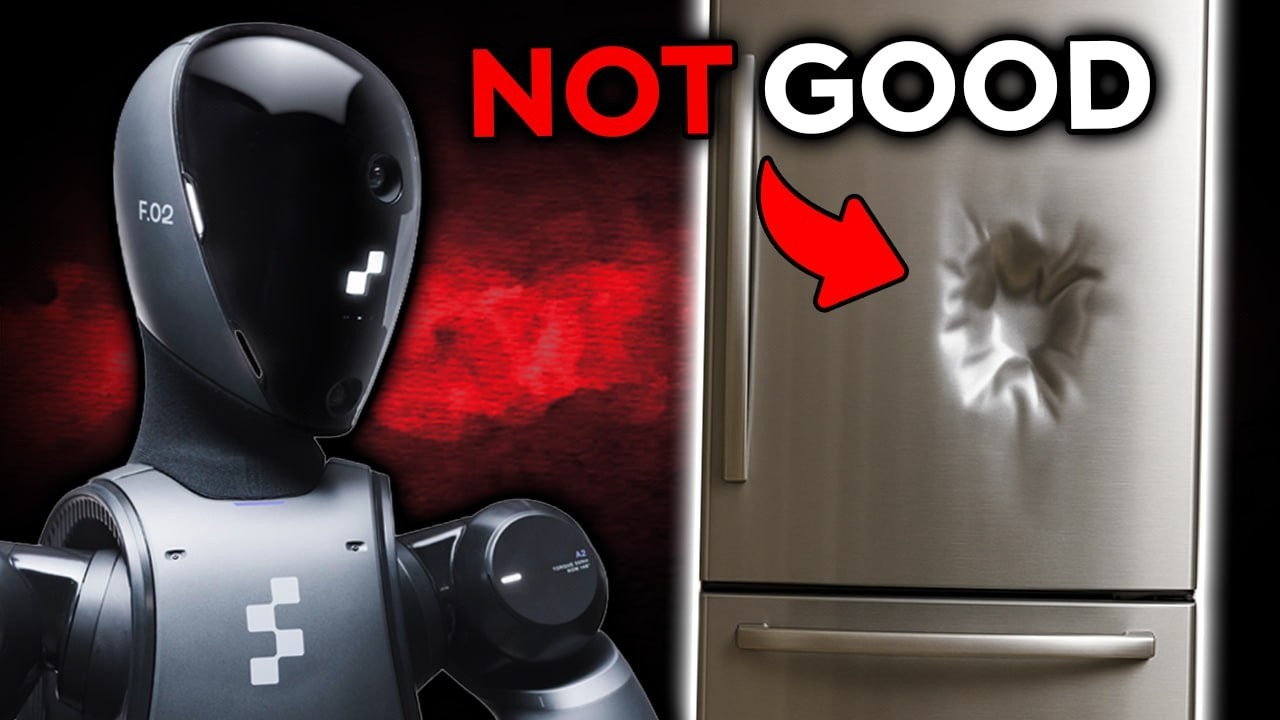
Gruendel's warnings were not theoretical. He informed CEO Brett Adcock and Chief Engineer Kyle Edelberg that Figure’s humanoid robots were "powerful enough to fracture a human skull" and had already "carved a ¼-inch gash into a steel refrigerator door during a malfunction," narrowly missing an employee. These were not mere speculative risks but demonstrated capabilities. His concerns, however, were consistently treated as "obstacles" to progress rather than "obligations" to protect personnel and future customers.