Visual TL;DR
AI Ethics ChallengesDriver
imbuing AI with human values and ethical behavior
From the article 3 mentionsThe role of ethics is central to navigating these challenges and steering AI development towards beneficial outcomes for society.
Ethicists in AI LabsCore
shaping development by considering societal implications
From the article 5 mentionsThe ethicist highlighted the unique position of philosophers and ethicists within AI labs like Anthropic.
Defining AI ValuesContext
evaluating and instilling human ethical frameworks in AI
From the article 6 mentionsA significant portion of the discussion focused on the difficulty of defining and instilling human values into AI models.
Constitutional AICore
Anthropic's approach to ethical AI development
From the articleThe conversation also touched upon Anthropic's innovative approach to AI alignment, often referred to as 'Constitutional AI.' This method involves training AI models not just on data, but also on a set of principles or a 'constitution' that guides their behavior.
Mitigating AI RisksContext
anticipating and addressing potential harms from AI
From the articleThe discussion underscored the proactive stance taken by companies like Anthropic in anticipating potential risks associated with advanced AI.
Ethical AI SystemsEffect
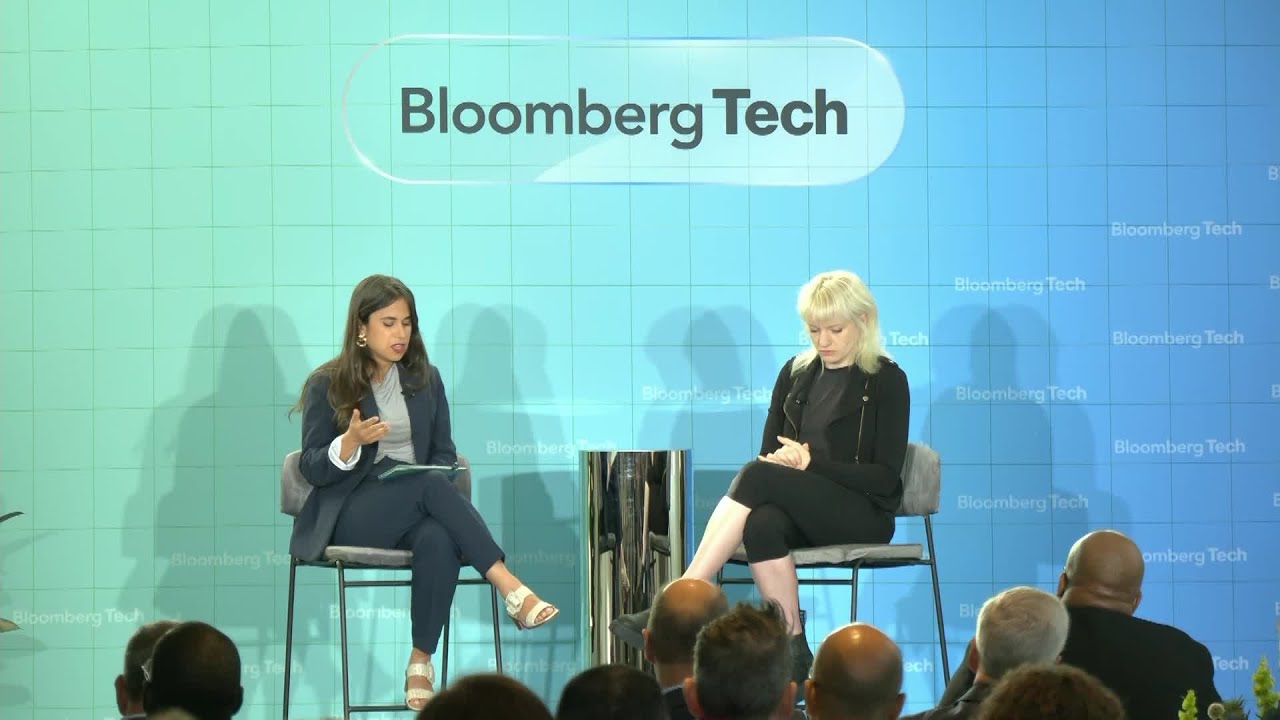
From the article 6 mentionsThe conversation, moderated by a Bloomberg journalist, explored the challenges and considerations involved in creating AI systems that not only perform complex tasks but also operate in alignment with human ethical frameworks.