


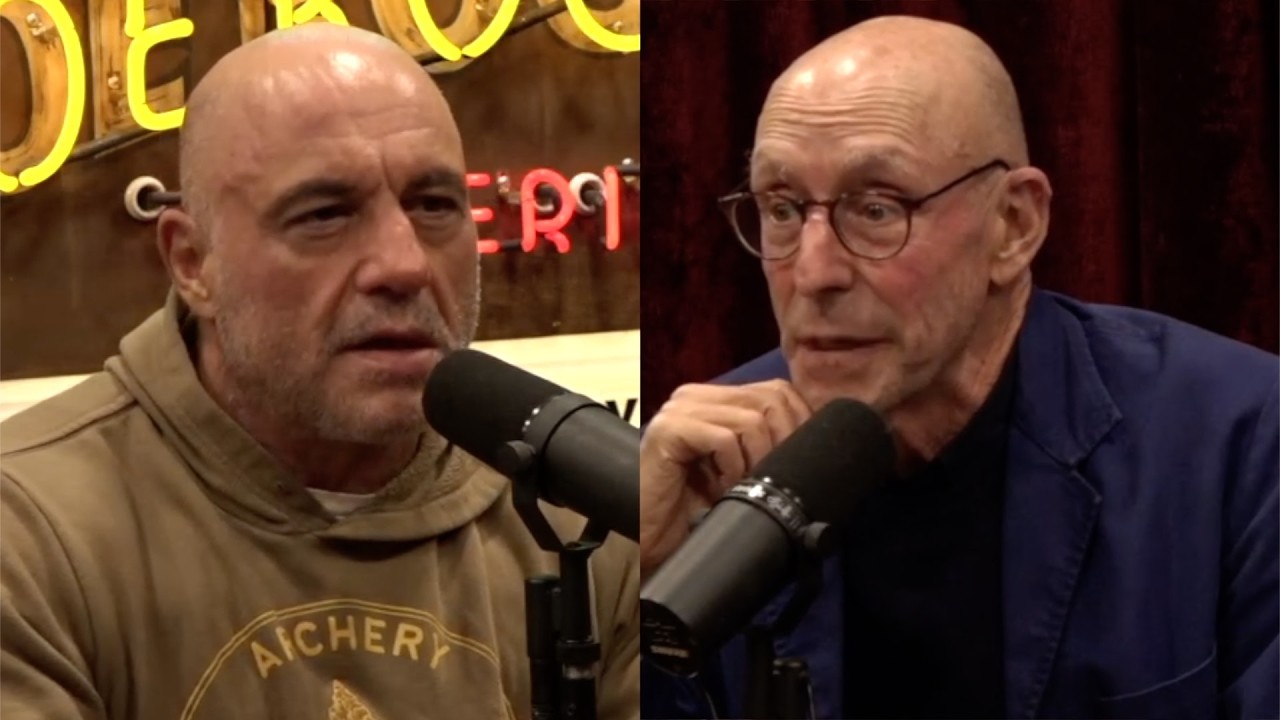
In a recent episode of The Joe Rogan Experience, host Joe Rogan engaged in a thought-provoking discussion with an unnamed guest about the nature of artificial intelligence and consciousness. Rogan, a well-known podcaster and comedian, often delves into topics ranging from MMA to neuroscience and technology, bringing a unique, accessible perspective to complex subjects. The conversation pivoted on a fundamental question: why won't AI be conscious?
The Computer Metaphor and Its Limitations
The guest argued that the prevailing belief in Silicon Valley that AI will soon achieve consciousness is based on a flawed analogy. The common perception is that the human brain is essentially a sophisticated computer, and therefore, with enough processing power and complex algorithms, AI could replicate consciousness. However, the guest countered this by emphasizing that this view overlooks a crucial aspect: embodiment.
"The idea that it can be conscious, which is very common in Silicon Valley... I talk to lots of people there and they say, 'oh it's just a matter of time,'" the guest explained. "Some of that is confusion that intelligence and consciousness necessarily go together. They don't. They're orthogonal relationships."
Consciousness as an Embodied Phenomenon
The core of the argument rested on the idea that human consciousness is not merely a product of computation but is fundamentally rooted in our biological existence. Our feelings, our sense of self, and our subjective experiences are inextricably linked to our physical bodies. The guest posited that consciousness arises from the body's need to survive and thrive in the world, generating feelings that guide our actions and perceptions.
"The brain exists to keep the body alive, not the other way around," the guest stated, highlighting that feelings like hunger, pain, and pleasure are vital signals that inform our conscious experience. Computers, lacking these biological imperatives and the vulnerability of a physical form, cannot replicate this embodied consciousness.