
Hedge fund titan Ray Dalio, founder of Bridgewater Associates, has amplified his long-standing 'Big Cycle' theory with a stark message for investors. While not a specific 'Ray Dalio 2026 warning,' his latest analysis suggests current global economic and geopolitical conditions mirror past eras of immense wealth destruction, urging a radical rethink of traditional investment strategies.
Dalio's framework, detailed in his book 'Principles for Dealing with the Changing World Order,' posits a recurring 500-year cycle of wealth accumulation, conflict, and restructuring. He argues that understanding these historical patterns provides critical foresight into future market behavior, especially concerning the 'Big Investing Cycle' driven by debt and capital markets.
Beyond Conventional Wisdom
Most investors, Dalio contends, operate with a dangerously limited historical perspective, often only considering post-1950s US and UK market performance. This 'survivorship bias' overlooks devastating periods of wealth confiscation, market closures, and asset destruction that routinely occurred in other major economies before 1945. Germany and Japan, for instance, saw virtually all wealth wiped out during the World Wars.
His research into the last 500 years reveals that extreme boom/bust cycles are regular occurrences, with current cause/effect relationships aligning more with late-cycle bust and restructuring periods. These historical precedents include widespread wealth confiscations, punitive taxes, and capital controls, events rarely considered plausible by today's investors.
The Four Market Drivers
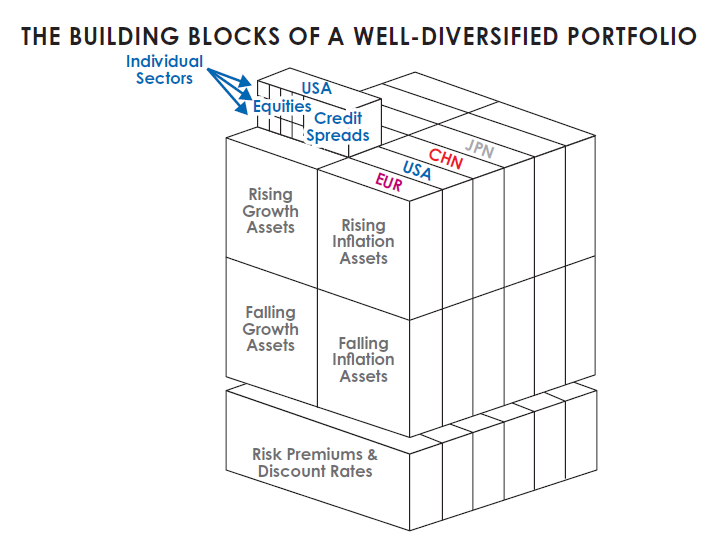
Dalio distills all market movements down to four fundamental determinants: growth, inflation, risk premiums, and discount rates. These factors dictate future cash payments, investor risk appetite, and present value. Governments, through fiscal and monetary policies, heavily influence these drivers, creating the cyclical interactions that shape economies.
The alchemy of lending, originating around 1350, transformed wealth into 'promises to deliver money', financial assets like bonds and stocks. This expansion, unconstrained by hard money like gold and silver, has led to a vast accumulation of financial wealth relative to tangible assets. Dalio warns that this creates a fundamental fragility: far more promises exist than can ever be converted into real wealth, setting the stage for 'broken-promises crises.'
Current Risks and Future Returns
Dalio highlights that the purpose of investing is to store buying power. Yet, current conditions, particularly near-zero nominal bond yields and negative real interest rates in major reserve currencies (as of his 2021 writing), mean investors are effectively guaranteed to lose future buying power. For example, in some European bonds, investors might never recoup their nominal principal, let alone real value after inflation.
This environment, where financial assets are abundant and offer poor real returns, is characteristic of the late-cycle phase of the long-term debt cycle. It necessitates printing more money to reduce debt burdens and stimulate the economy, inevitably devaluing currency relative to hard assets like gold or goods and services. For investors navigating this complex landscape, understanding Dalio's Big Cycle framework is paramount. You can delve deeper into how these historical shifts impact current market dynamics and investment strategies by exploring Ray Dalio Big Cycle investing.
Dalio's core message is clear: when the amount of interest paid doesn't compensate for devaluation risk, investors face significant peril. He advocates for protection against these systemic risks and tactically tilting portfolios based on a deep understanding of these historical cycles, rather than succumbing to the euphoria of market highs or panic selling at lows.




