

• StartupHub.ai
    StartupHub.aiAI Intelligence
Discover
  • Home
  • Search
  • Trending
  • News
Intelligence
  • Market Analysis
  • Comparison
  • Market Map Maker
    New
Workspace
  • Email Validator
  • Pricing
Company
  • About
  • Editorial
  • Terms
  • Privacy
  1. Home
  2. AI News
  3. Ray Dalio The World Order Is Broken
  1. Home
  2. AI News
  3. Technology
  4. Ray Dalio: The World Order Is Broken
Technology

Ray Dalio: The World Order Is Broken

Ray Dalio declares the post-1945 global order is broken, entering 'Stage 6' of his Big Cycle, ushering in an era of engineered volatility and tech warfare.

StartupHub.ai -
StartupHub.ai -
Feb 15 at 3:33 PM3 min read
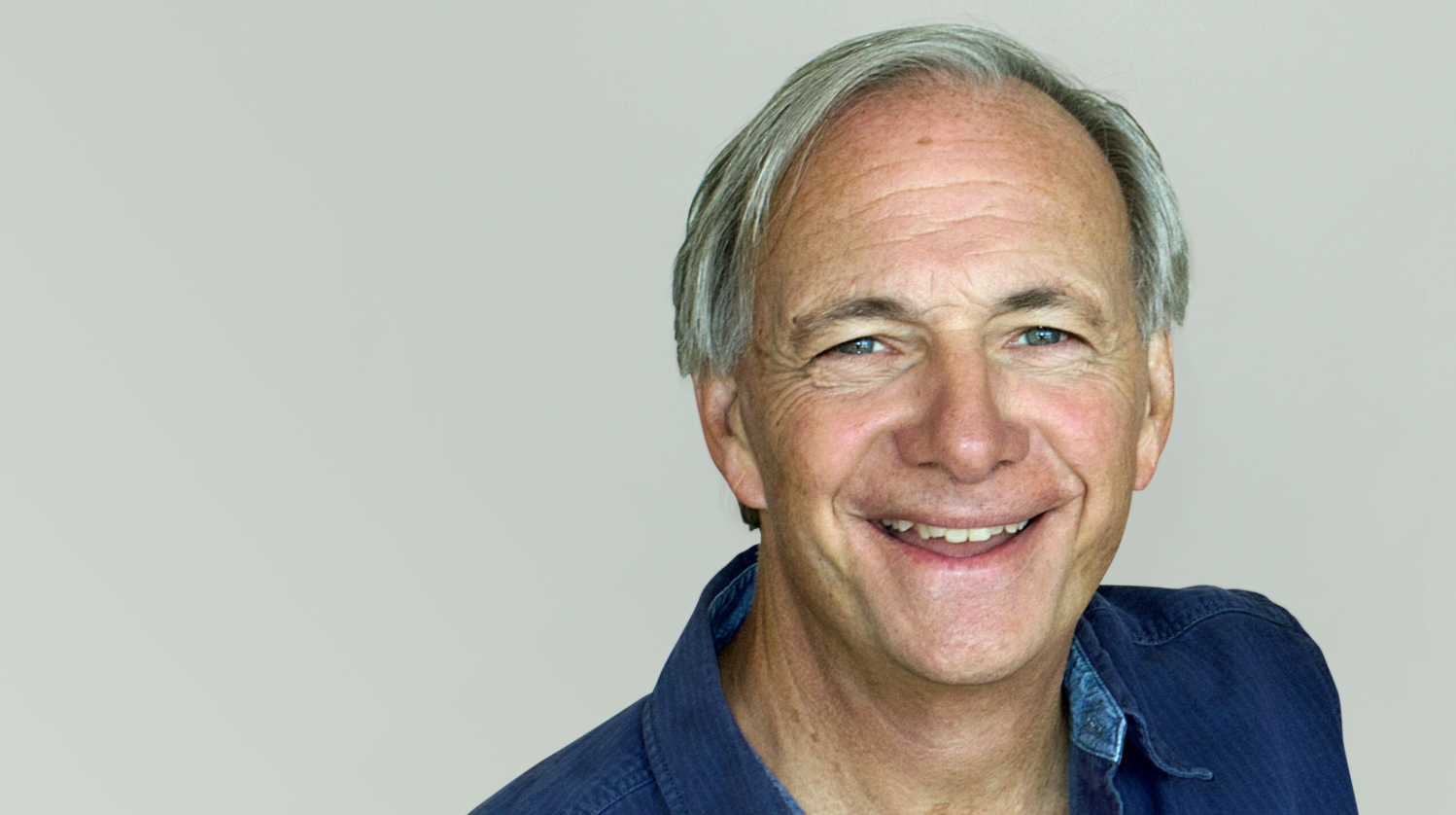
Ray Dalio explains the breakdown of the post-1945 world order and its impact
Billionaire investor Ray Dalio declares the 1945 world order has officially broken down.
Key Takeaways
  • 1
    Ray Dalio declared the post-1945 global order has collapsed, entering 'Stage 6' of his Big Cycle.

  • 2
    This breakdown signals a shift from globalized markets to engineered volatility driven by tech wars, capital controls, and nationalism.

  • 3
    Tech companies must now prioritize 'sovereign resilience' and adapt to a world where national security dictates technological advancement.

Billionaire investor Ray Dalio announced on X that the global order established after World War II has officially fractured. For the technology sector, built on eighty years of globalization, this isn't merely an economic forecast; it signals a systemic crash of the global economy's operating system.

Munich Security Conference Confirms Global Disorder

Dalio's assessment aligns with the grim consensus at the 2026 Munich Security Conference (MSC). Its report, "Under Destruction," detailed a structural collapse where "wrecking-ball politics" has supplanted institutional reform.

Major world leaders echoed this sentiment at the MSC. German Chancellor Friedrich Merz stated the rules-based order "no longer exists in its original form." French President Emmanuel Macron warned Europe must prepare for an era where "might makes right." U.S. Secretary of State Marco Rubio confirmed, "the old world is gone."

Decoding 'Stage 6': The Era of Great Disorder

Dalio identifies this period as Stage 6 of his Big Cycle, characterized by a lack of enforceable rules and a return to the "law of the jungle." This transition means moving from organic market cycles to engineered volatility, driven by three critical threats.

These threats include policy-induced recessions via coercive tariffs, eroding confidence in U.S. assets as nations seek "sovereign" alternatives, and the AI arms race, which Dalio terms the "new nuclear weapon of economics."

The Five Dimensions of Tech Warfare

Dalio outlines five types of great power conflict in Stage 6, four of which are now waged through technology:

  • Trade & Economic Wars: Beyond tariffs, conflicts now involve semiconductor chokepoints and "integrated innovation ecosystems." Firms face choices between profit margins and reshoring due to cascading supply-chain snarls.

  • Technology Wars: The focus shifts to protecting critical technologies under "national security." Control over advanced AI frameworks is now a "privileged asset," leading to strict controls on the entire compute stack.

  • Capital Wars: Governments wield financial tools like asset freezes and market access restrictions. Threats of debt repudiation and delisting firms are becoming common.

  • Geopolitical Wars: Conflicts extend into the digital realm, with control over data, undersea cables, and satellites becoming the new "land grab." Companies must align with either the U.S.-led system or the emerging Global South bloc.

  • Military Wars: Dalio warns that once kinetic conflict begins, all other dimensions are weaponized. The shift to autonomous warfare is already reshaping national budgets.

  • The Rise of Sovereign Tech

    The global order breakdown has spurred the rise of "Sovereign Tech." Amidst geopolitical rifts and weaponized supply chains, European nations are pushing for industrial self-sufficiency. Initiatives like the European Chips Act aim to boost domestic manufacturing.

    This "industrial nationalism" redefines tech success. It's no longer just about the best product, but about building a product deemed strategically sovereign by one's government. This trend is exemplified by efforts like Cisco’s AI Infrastructure Play, focusing on custom silicon and security.

    Companies like Meta are also adapting, with moves such as hiring specialized financial talent to navigate these new risks.

    The insatiable power demands of AI infrastructure, highlighted by investments like OpenAI and SoftBank's SB Energy investment, further underscore the need for national control over critical resources.

    Investing for Stage 6

    Dalio advises protecting wealth by diversifying into "real" assets. He suggests selling debt and buying gold, as currency devaluation often accompanies conflict financing.

    Investment should focus on "sovereign resilience"—entities providing essential goods and services without global dependencies. Dalio also proposes a drastic reduction in debt-to-GDP ratios, though he acknowledges its unlikelihood in the current political climate.

    #Ray Dalio
    #Big Cycle
    #Geopolitics
    #Technology
    #Economics
    #Munich Security Conference
    #AI
    #Sovereign Tech

    AI Daily Digest

    Get the most important AI news daily.

    GoogleSequoiaOpenAIa16z
    +40k readers