Visual TL;DR
Communication GapsDriver
From the article 3 mentionsThis capability is particularly significant for breaking down communication barriers in a globalized world, enabling users to interact naturally with others regardless of their native tongues.
GPT-Live IntroducedCore
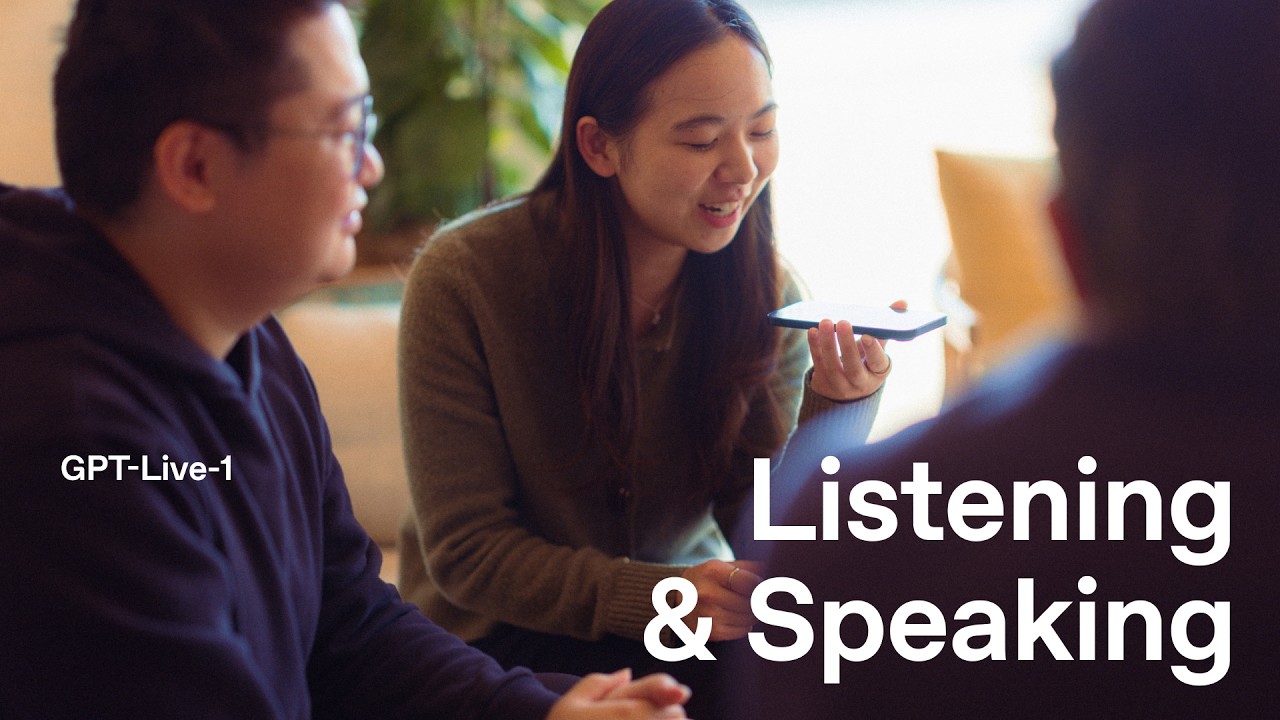
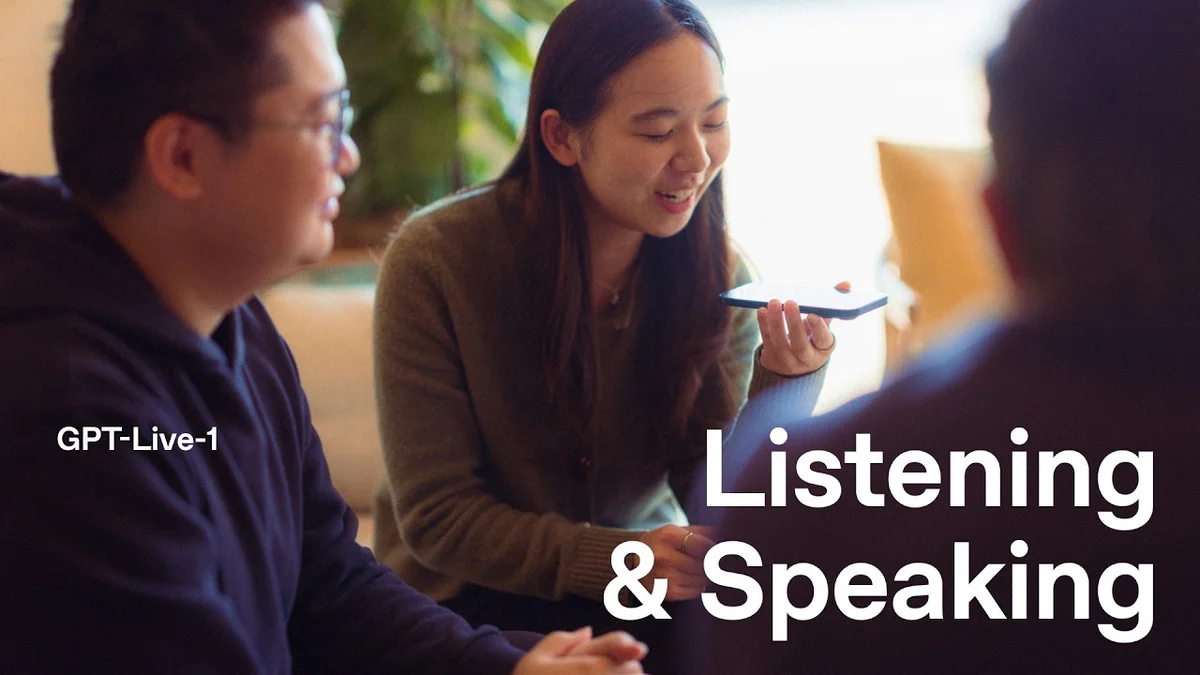
From the article 4 mentionsIn a demonstration of its latest advancements, OpenAI showcased GPT-Live, a new voice model designed to facilitate real-time listening and speaking capabilities.
Real-time TranslationEffect
instantaneous spoken language translation for seamless flow
From the article 5 mentionsShe noted that the ability to translate simultaneously and speak back in real-time made the interaction feel profoundly different from traditional translation tools.
AI's RoleContext
from listening to understanding, enabling natural responses
Personalized InteractionContext
adapting to individual user needs and preferences
From the article 5 mentionsHe emphasized that GPT-Live is built to achieve this, offering a more intuitive and engaging interaction.
Conversational CapabilitiesEffect
enabling natural, flowing conversations between users
From the article 3 mentionsThe system is designed to not only understand and translate but also to respond in real-time, creating a near-seamless conversational experience.
Future of ConversationOutcome
bridging communication gaps, enabling global interaction
From the article 4 mentionsJustin Uberti also participates, highlighting the model's ability to translate spoken language into another language almost instantaneously, enabling natural, flowing conversations.
AI Development ImplicationsOutcome
advancements in voice models and conversational AI
From the article 2 mentionsThe video features members of the OpenAI technical staff, including Yuchen Zhang and Alyssa Huang, discussing the implications and potential of this new technology.