In a significant development for AI-driven security, OpenAI has launched Codex Security, an AI agent designed to proactively identify vulnerabilities within codebases. This move signals a growing trend of leveraging artificial intelligence to enhance cybersecurity measures in software development.
Understanding the AI Agents
The conversation highlights the concept of AI agents, which are autonomous programs capable of performing tasks. In this context, Codex Security acts as a specialized agent focused on the critical task of code security. The speakers emphasize the potential for these agents to automate and improve processes that are traditionally manual and time-consuming.
Codex Security: Proactive Vulnerability Detection
Codex Security is presented as a tool that can scan code, much like a human security analyst, but with the speed and scalability of AI. The goal is to move beyond reactive bug fixing to a proactive approach where potential security weaknesses are identified and addressed early in the development cycle. This can significantly reduce the risk of breaches and the cost associated with fixing vulnerabilities discovered later.
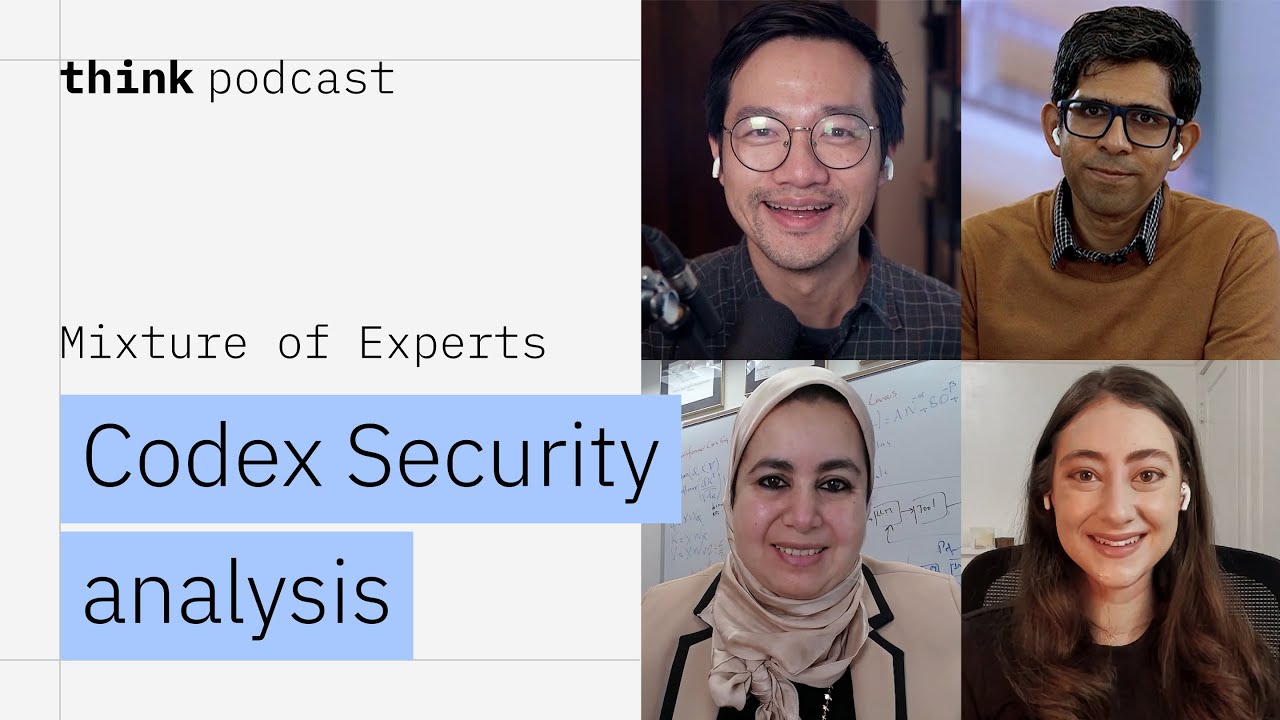
The full discussion can be found on IBM's YouTube channel.
The Shift in Security Paradigms
The discussion touches upon the broader shift in cybersecurity from a purely reactive stance to a more proactive, AI-assisted model. By deploying specialized agents like Codex Security, companies can potentially augment their security teams, allowing human analysts to focus on more complex threats and strategic decision-making. The ability of AI to process vast amounts of data and identify subtle patterns that might be missed by humans is a key driver for this transition.
The daily brief
Get the free daily brief with the day's AI news, new AI startups and funding rounds every morning.
Join 64,000 other subscribers.
Challenges and Future Implications
While the potential benefits are clear, the speakers also implicitly acknowledge the challenges. The accuracy and reliability of AI models in identifying genuine vulnerabilities versus false positives are crucial. Furthermore, the integration of such tools into existing developer workflows and the need for human oversight remain important considerations. The development also raises questions about the future of human roles in cybersecurity and the evolving landscape of AI-assisted software development.
Broader AI Trends
The introduction of Codex Security by OpenAI aligns with a broader trend where AI is being developed for highly specific, impactful tasks. This specialization allows for the creation of powerful tools that can tackle complex problems within various industries, including software development and cybersecurity.