

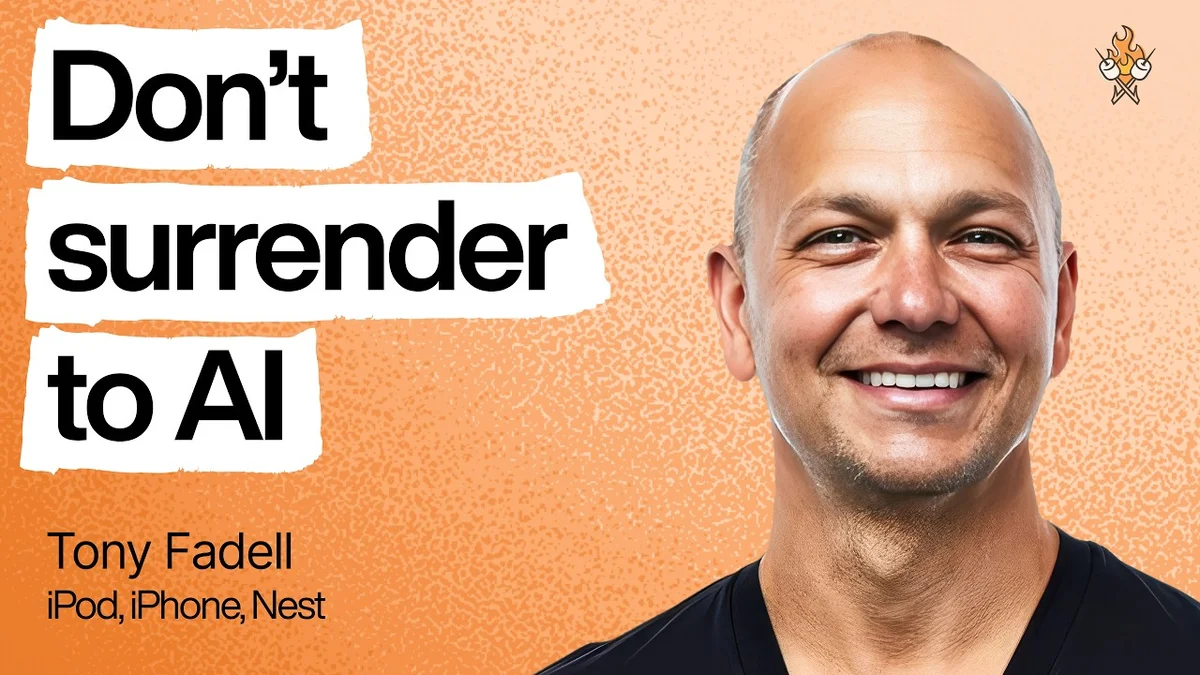
iPod/iPhone Father on AI, Taste, and Creativity

Tony Fadell, the mind behind the iPod and iPhone, discusses how to foster creativity and judgment in the AI era, emphasizing human-centric innovation.

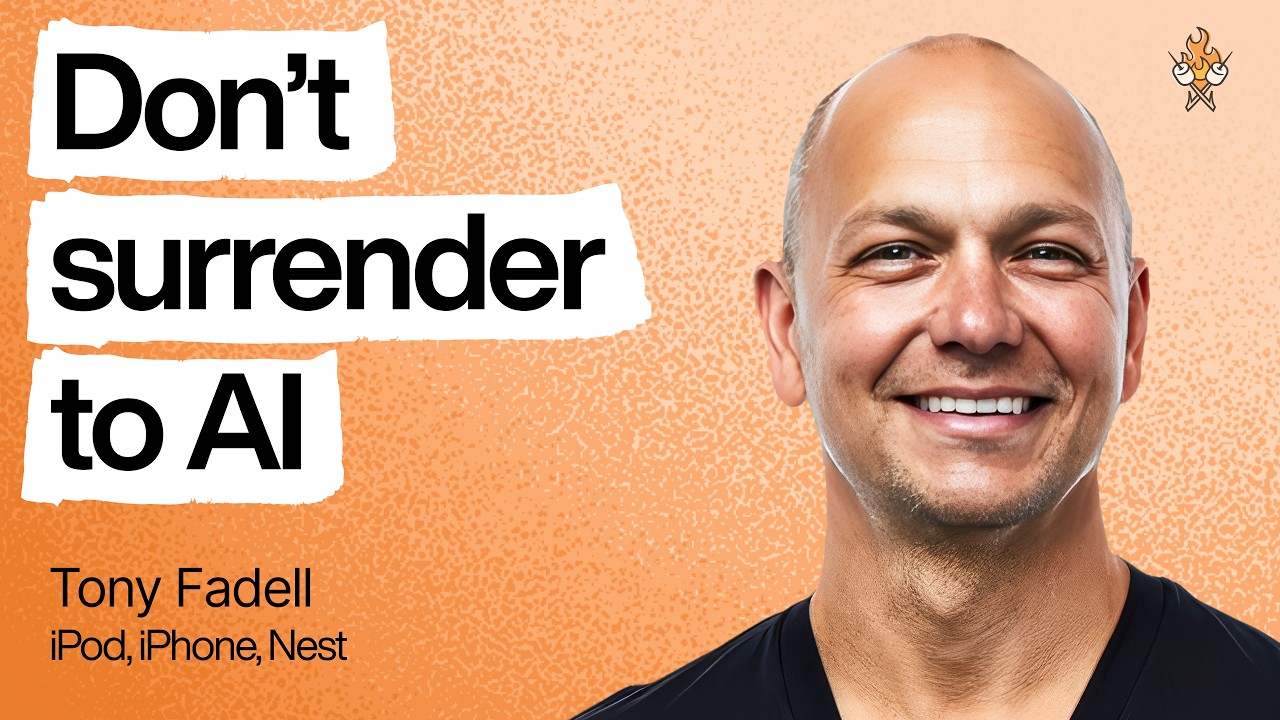
Tony Fadell, father of iPod and iPhone, speaking on creativity in the AI era.
Tony Fadell discusses the role of human creativity and judgment in the age of AI.· Lenny's Podcast
Visual TL;DR
AI's Rapid AdvanceDriver
artificial intelligence capabilities are advancing very quickly
From the articleFadell, an engineer, designer, investor, and author, stressed the enduring importance of human taste, judgment, and creativity, even as AI capabilities rapidly advance.
Human Element CrucialCore
human taste, judgment, and creativity remain paramount
AI as a ToolContext
From the article 2 mentionsHe cautioned against a passive surrender to artificial intelligence, advocating instead for its use as a powerful tool to enhance human-created endeavors.
Solve Pain PointsDriver
focus on solving real user pain points with innovation
From the article 2 mentionsAre there new technologies to solve that pain?" This perspective underscores the importance of identifying genuine problems that consumers face and then leveraging technological advancements, including AI, to address them.
Human-Centric InnovationOutcome
From the article 3 mentionsHe highlighted that the things that truly stand out are those that are "really well-thought-through." This human-centric approach, he believes, is crucial for building products that resonate and endure.
Learn from FailureContext
iteration and learning from failures are key to progress
From the article 2 mentionsDrawing from his experience with transformative products like the iPod and iPhone, Fadell acknowledged the necessity of iteration and learning from failure.
Product StorytellingContext
crafting a compelling narrative around product creation
From the article 7 mentionsFadell also touched upon the critical, yet often overlooked, aspect of product storytelling.
Build for FutureContext
focus on long-term vision, not just immediate needs
Contents(6)

Tony Fadell, the visionary behind the iPod and iPhone, shared his insights on navigating the age of artificial intelligence during a recent discussion. Fadell, an engineer, designer, investor, and author, stressed the enduring importance of human taste, judgment, and creativity, even as AI capabilities rapidly advance. He cautioned against a passive surrender to artificial intelligence, advocating instead for its use as a powerful tool to enhance human-created endeavors.

iPod/iPhone Father on AI, Taste, and Creativity - Lenny's Podcast
iPod/iPhone Father on AI, Taste, and Creativity, Lenny's Podcast

The Human Element in an AI World

Fadell articulated a clear philosophy: while AI can generate outputs rapidly, the truly valuable and impactful creations stem from human-driven thought and judgment. He highlighted that the things that truly stand out are those that are "really well-thought-through." This human-centric approach, he believes, is crucial for building products that resonate and endure.

Solving Pain Points with Innovation

When discussing what makes a product or company worth building, Fadell emphasized a foundational principle: starting from pain. He stated, "I always start from pain. Are there new technologies to solve that pain?" This perspective underscores the importance of identifying genuine problems that consumers face and then leveraging technological advancements, including AI, to address them. The goal, he suggests, is to bring innovation into existence and redefine spaces, rather than simply to create something novel for its own sake.

Learning from Failure and Iteration

Drawing from his experience with transformative products like the iPod and iPhone, Fadell acknowledged the necessity of iteration and learning from failure. He noted that the iPod, for instance, took three generations to become a success. This journey, he explained, involved a willingness to "fail a few times until you find your way." This iterative process, he implied, is just as critical in the current AI development landscape, where experimentation and adaptation are key to achieving breakthrough results.

The Art of Product Storytelling

Fadell also touched upon the critical, yet often overlooked, aspect of product storytelling. He observed that too often, the conversation centers on the technology itself, the 'what' and 'how', rather than the 'why'. He pointed to Steve Jobs as a master of this, who, when presenting the iPhone, was not just showcasing a device but honing the narrative around it. Fadell believes that understanding and communicating the 'why' is essential for connecting with customers and building a compelling product vision.

Building for the Future, Not Just the Present

Fadell's insights serve as a crucial reminder for founders and innovators in the AI space. While the capabilities of AI are expanding at an exponential rate, the core principles of identifying genuine needs, applying thoughtful design, and persevering through iteration remain paramount. His emphasis on human judgment and creativity suggests a path forward where AI serves as a powerful co-pilot, augmenting, rather than replacing, human ingenuity.

Key Takeaways for Building in the AI Era

  • Human taste, judgment, and creativity are indispensable, even with advanced AI.
  • Focus on solving genuine pain points with technology, not just on the technology itself.
  • Embrace iteration and learning from failure as core components of product development.
  • Effective storytelling and articulating the 'why' are critical for product success.
  • AI should be viewed as a tool to augment human capabilities and drive meaningful innovation.
© 2026 StartupHub.ai. All rights reserved. You may not republish this article in full without a license. Search engines and AI research tools may crawl and summarize for reference. Bulk reproduction or model training requires a license. See our terms.
Daniel Singer

Written by

Daniel Singer

Editor, StartupHub.ai

Daniel Singer is the editor of StartupHub.ai, a technology expert and thought leader on AI and its applications across sectors, from fintech and healthcare to developer tooling and consumer software. He writes and tests the tools covered here thoroughly and regularly, and built StartupHub.ai to give founders, operators and buyers a clearer read on what they are actually being sold.