


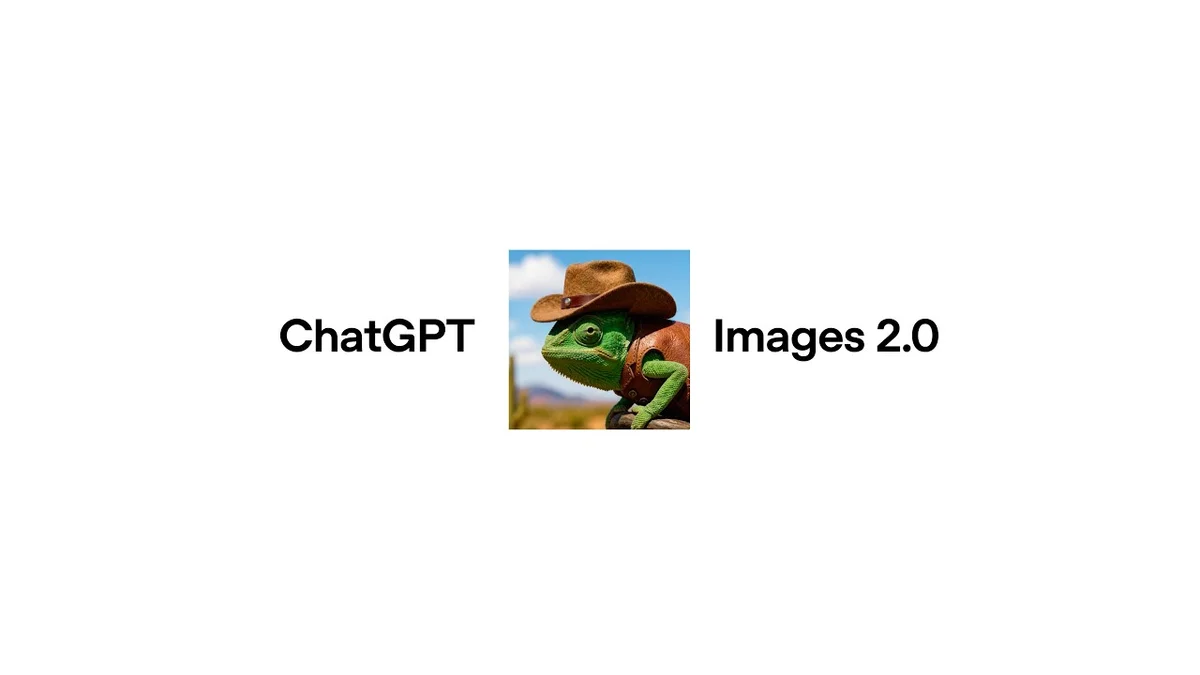
The advent of sophisticated AI image generation has ushered in an era where digital creativity knows few bounds. A recent showcase, implicitly linked to OpenAI's advancements and branded as 'ChatGPT Images 2.0', dramatically illustrates this point. The video, a rapid-fire montage of diverse scenarios, effectively uses the chameleon as a visual metaphor for AI's burgeoning capacity to adapt, transform, and integrate into virtually any context. It’s a vivid demonstration of how artificial intelligence is rapidly moving beyond its text-based origins to become a powerful tool for visual creation and communication.
While the video does not feature specific speakers or interviews, it functions as a potent visual narrative. The core thesis is clear: AI, particularly in its generative image capabilities, is becoming remarkably versatile and context-aware. The rapid succession of images, a chameleon as topiary, on a magazine cover, in a bowl of jelly, on a surfboard, in a disco, as a wrestler, a cowboy, and even a DJ, all driven by the underlying theme of 'ChatGPT Images 2.0', underscores the AI's ability to produce imagery fitting a vast spectrum of themes and styles. This isn't just about generating a single image; it's about demonstrating an intelligence that can understand and manifest concepts across a wide array of visual requirements.
The full discussion can be found on OpenAI Youtube's YouTube channel.
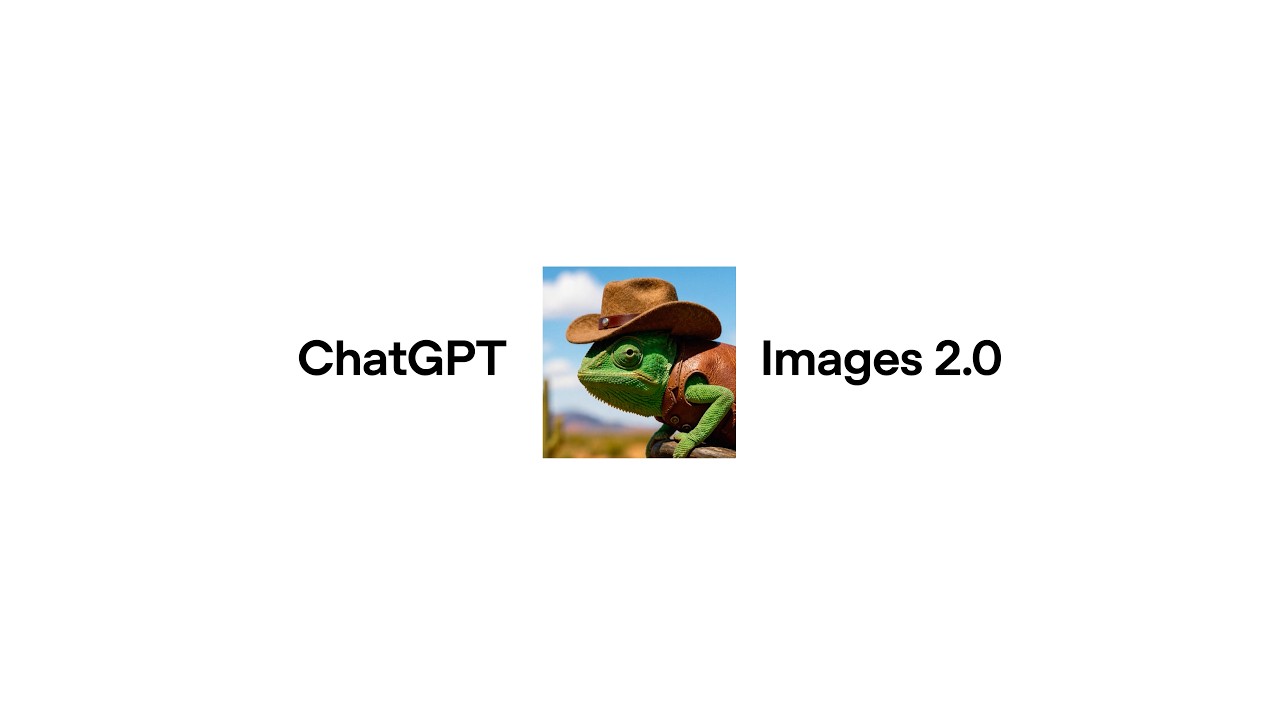
The Chameleon Metaphor: AI's Adaptability
The recurring motif of the chameleon is central to the video's message. Chameleons are renowned for their ability to change color and pattern, allowing them to blend into their surroundings, communicate, and regulate their temperature. This biological marvel serves as a powerful analogy for the capabilities being showcased. Just as a chameleon adapts to its environment, the AI behind 'ChatGPT Images 2.0' is presented as being able to adapt its output to match the specific needs of a prompt or a given context. The seamless transitions between vastly different scenes, from a domestic setting to a wild safari, from a wrestling ring to a music studio, highlight this adaptive quality.
The video suggests that AI is no longer a static tool but a dynamic one. It can be a playful companion, a serious professional, a historical figure, or a futuristic entity, all based on the instructions it receives. This adaptability is crucial for the widespread adoption of AI in creative industries, where flexibility and the ability to pivot are paramount. The imagery implies that users can prompt the AI to generate visuals for anything from marketing campaigns and educational materials to artistic endeavors and personal projects, with the AI chameleonically fitting each need.