


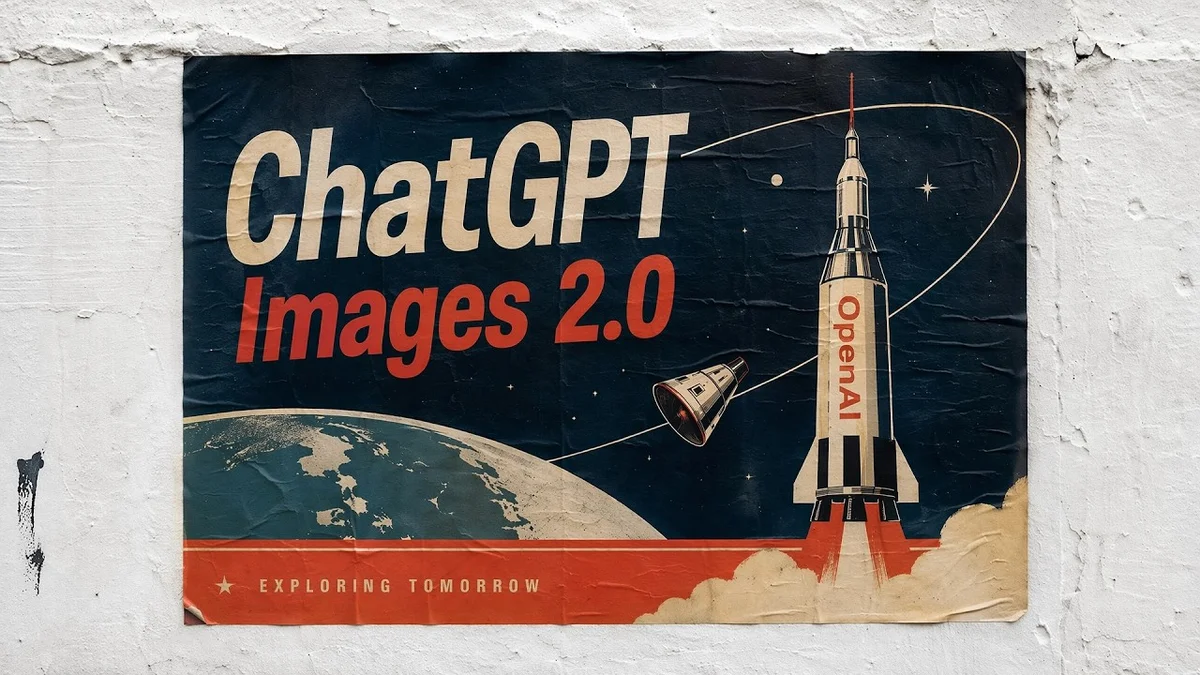
OpenAI has unveiled "Images 2.0," a significant advancement in its artificial intelligence-driven image generation technology. This new iteration marks a departure from previous capabilities, aiming to provide users with tools that not only create visuals but also "think" and "research" to produce more nuanced and contextually aware imagery. The announcement suggests a leap forward in AI's ability to understand and translate complex ideas into compelling visual forms.
From Generation to Understanding
The core thesis behind Images 2.0 appears to be a shift from mere generation to a more sophisticated understanding of visual content. The system is described as not just creating images but engaging in a process akin to research and thinking. This implies a deeper level of comprehension of prompts, allowing for the generation of visuals that are not only aesthetically pleasing but also semantically relevant and potentially imbued with a narrative quality.
The full discussion can be found on OpenAI Youtube's YouTube channel.
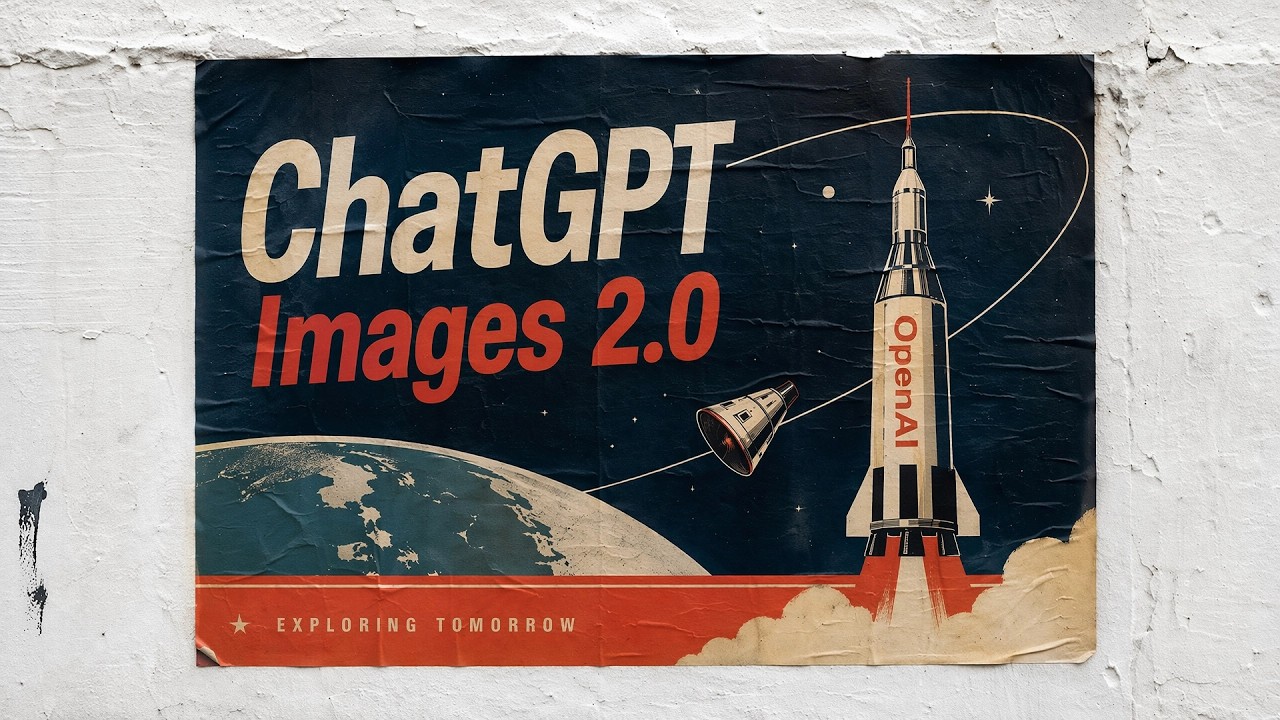
The video showcases a progression from early forms of visual communication, such as cave paintings and ancient art, through the Renaissance and into the era of modern photography and digital design. This historical context frames Images 2.0 as the next logical step in humanity's long-standing endeavor to capture, interpret, and create visual representations of the world. The presentation highlights the evolution of image-making, suggesting that AI is now poised to play a pivotal role in this ongoing human pursuit.
Enhanced Capabilities and Control
Images 2.0 introduces several key improvements. A notable advancement is the ability to generate multiple distinct images simultaneously, a feature that streamlines creative workflows. Furthermore, the system offers enhanced control over aspect ratios and resolutions, allowing for greater flexibility in tailoring generated images for specific applications, from print media to digital displays.