AI-Powered Product Design: Building Interactive Prototypes in Codex

Explore how Codex, an AI product design plugin, enables the rapid creation and sharing of interactive prototypes, streamlining product development.

8 min read
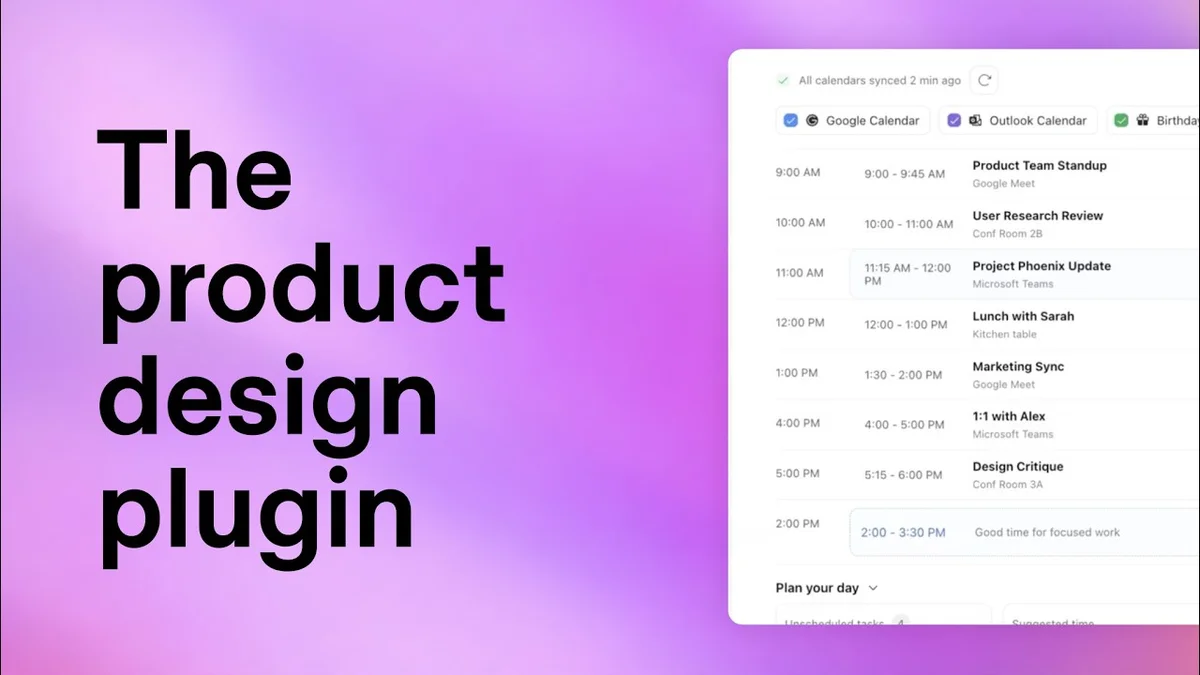
Screenshot of the Codex AI interface showing a design brief being processed.
OpenAI Youtube

In the fast-paced world of AI and startups, the ability to quickly iterate on product ideas is paramount. A new demonstration showcases how Codex, an AI product design plugin, is transforming this process by enabling users to build and share interactive prototypes with unprecedented ease. This tool is set to change how designers and developers collaborate, turning abstract concepts into tangible, testable prototypes.

Visual TL;DR. Rapid Iteration Need leads to Codex AI Plugin. Codex AI Plugin leads to Prompt AI Design. Prompt AI Design leads to Problem Framing. Problem Framing leads to Build Interactive Prototypes. Build Interactive Prototypes leads to Streamlined Collaboration. Streamlined Collaboration leads to Tangible Testable Prototypes. Tangible Testable Prototypes leads to Future AI Design.

  1. Rapid Iteration Need: fast-paced AI and startup world demands quick product idea evolution
  2. Codex AI Plugin: AI product design plugin transforms rapid creation and sharing of prototypes
  3. Prompt AI Design: users prompt AI with specific design requirements for features
  4. Problem Framing: AI frames user problem and product surface before feature concept
  5. Build Interactive Prototypes: enables building and testing of interactive prototypes with ease
  6. Streamlined Collaboration: changes how designers and developers collaborate on product ideas
  7. Tangible Testable Prototypes: turns abstract concepts into concrete, testable product prototypes
  8. Future AI Design: set to change future of AI in product development workflows
Visual TL;DR
Visual TL;DR — startuphub.ai Rapid Iteration Need leads to Codex AI Plugin. Build Interactive Prototypes leads to Streamlined Collaboration. Streamlined Collaboration leads to Tangible Testable Prototypes Rapid Iteration Need Codex AI Plugin Build Interactive Prototypes Streamlined Collaboration Tangible Testable Prototypes From startuphub.ai · The publishers behind this format
Visual TL;DR — startuphub.ai Rapid Iteration Need leads to Codex AI Plugin. Build Interactive Prototypes leads to Streamlined Collaboration. Streamlined Collaboration leads to Tangible Testable Prototypes Rapid IterationNeed Codex AI Plugin Build InteractivePrototypes StreamlinedCollaboration Tangible TestablePrototypes From startuphub.ai · The publishers behind this format
Visual TL;DR — startuphub.ai Rapid Iteration Need leads to Codex AI Plugin. Build Interactive Prototypes leads to Streamlined Collaboration. Streamlined Collaboration leads to Tangible Testable Prototypes Rapid Iteration Need fast-paced AI and startup world demandsquick product idea evolution Codex AI Plugin AI product design plugin transforms rapidcreation and sharing of prototypes Build Interactive Prototypes enables building and testing ofinteractive prototypes with ease Streamlined Collaboration changes how designers and developerscollaborate on product ideas Tangible Testable Prototypes turns abstract concepts into concrete,testable product prototypes From startuphub.ai · The publishers behind this format
Visual TL;DR — startuphub.ai Rapid Iteration Need leads to Codex AI Plugin. Build Interactive Prototypes leads to Streamlined Collaboration. Streamlined Collaboration leads to Tangible Testable Prototypes Rapid IterationNeed fast-paced AI andstartup worlddemands quick… Codex AI Plugin AI product designplugin transformsrapid creation and… Build InteractivePrototypes enables buildingand testing ofinteractive… StreamlinedCollaboration changes howdesigners anddevelopers… Tangible TestablePrototypes turns abstractconcepts intoconcrete, testable… From startuphub.ai · The publishers behind this format
Visual TL;DR — startuphub.ai Rapid Iteration Need leads to Codex AI Plugin. Codex AI Plugin leads to Prompt AI Design. Prompt AI Design leads to Problem Framing. Problem Framing leads to Build Interactive Prototypes. Build Interactive Prototypes leads to Streamlined Collaboration. Streamlined Collaboration leads to Tangible Testable Prototypes. Tangible Testable Prototypes leads to Future AI Design Rapid Iteration Need fast-paced AI and startup world demandsquick product idea evolution Codex AI Plugin AI product design plugin transforms rapidcreation and sharing of prototypes Prompt AI Design users prompt AI with specific designrequirements for features Problem Framing AI frames user problem and product surfacebefore feature concept Build Interactive Prototypes enables building and testing ofinteractive prototypes with ease Streamlined Collaboration changes how designers and developerscollaborate on product ideas Tangible Testable Prototypes turns abstract concepts into concrete,testable product prototypes Future AI Design set to change future of AI in productdevelopment workflows From startuphub.ai · The publishers behind this format
Visual TL;DR — startuphub.ai Rapid Iteration Need leads to Codex AI Plugin. Codex AI Plugin leads to Prompt AI Design. Prompt AI Design leads to Problem Framing. Problem Framing leads to Build Interactive Prototypes. Build Interactive Prototypes leads to Streamlined Collaboration. Streamlined Collaboration leads to Tangible Testable Prototypes. Tangible Testable Prototypes leads to Future AI Design Rapid IterationNeed fast-paced AI andstartup worlddemands quick… Codex AI Plugin AI product designplugin transformsrapid creation and… Prompt AI Design users prompt AIwith specificdesign requirements… Problem Framing AI frames userproblem and productsurface before… Build InteractivePrototypes enables buildingand testing ofinteractive… StreamlinedCollaboration changes howdesigners anddevelopers… Tangible TestablePrototypes turns abstractconcepts intoconcrete, testable… Future AI Design set to changefuture of AI inproduct development… From startuphub.ai · The publishers behind this format

The video demonstrates how the Codex plugin integrates with existing workflows, allowing users to prompt the AI with design requirements. In one example, the user asks Codex to design a calendar feature for chatgpt.com. The AI then initiates a product design workflow, first framing the user problem and product surface, and then developing a concrete feature concept rather than a broad brainstorm.

Related startups

The full discussion can be found on OpenAI Youtube's YouTube channel.

Build and share interactive prototypes in Codex - OpenAI Youtube
Build and share interactive prototypes in Codex — from OpenAI Youtube

From Brief to Prototype: The Codex Workflow

The process begins with a clear design brief. For the calendar feature, the AI was tasked with creating a native experience for chatgpt.com that felt integrated and intuitive. Key considerations included syncing calendars, showing events, planning tasks, and providing meeting preparation. The AI also sought clarification on design system alignment and the desired level of interactivity, aiming for a functional prototype rather than a static concept.

Codex then moves into visual exploration, generating three distinct design directions for the feature: 'Agenda Copilot', 'Schedule Chat', and 'Planning Board'. After the user selects a direction, the AI begins building an interactive local prototype. This involves translating design images and workspace elements into code, creating a functional representation of the proposed feature.

Building and Testing Interactive Prototypes

The demonstration highlights the creation of the 'Agenda Copilot' prototype. Codex generates the necessary assets, including participant headshots for the prep panel, and ensures the design aligns with the ChatGPT aesthetic. The resulting prototype is then made available via a local URL, allowing for immediate testing and interaction within the browser.

The tool doesn't just create a static image; it builds a functional, interactive prototype. This prototype includes synced calendars, agenda rows, a focus window, task planning, and a right-side meeting prep panel. The validation process includes production build, in-browser interaction smoke tests, and design critique against the selected reference. This ensures the generated prototype is not only visually accurate but also functionally robust.

Sharing and Collaboration

Beyond building, Codex facilitates seamless sharing. The generated prototype can be published to Sites, a platform that wraps the built prototype in a viewer-compatible environment. This allows the entire team to access and interact with the prototype, fostering collaboration and feedback. The video shows the final output as an interactive website, enabling team members to browse, click, and experience the feature firsthand.

This AI-driven approach significantly shortens the feedback loop. Instead of lengthy handoffs and manual prototyping, teams can share interactive versions of their designs rapidly. This allows for quicker identification of usability issues and more informed decision-making, ultimately accelerating the product development lifecycle.

The Future of AI in Product Design

The capabilities demonstrated by Codex point to a future where AI plays an increasingly integral role in product design. By automating the creation of interactive prototypes, AI tools can free up designers and developers to focus on higher-level strategic thinking and problem-solving. This not only speeds up development but also democratizes the design process, making it more accessible to a wider range of users.
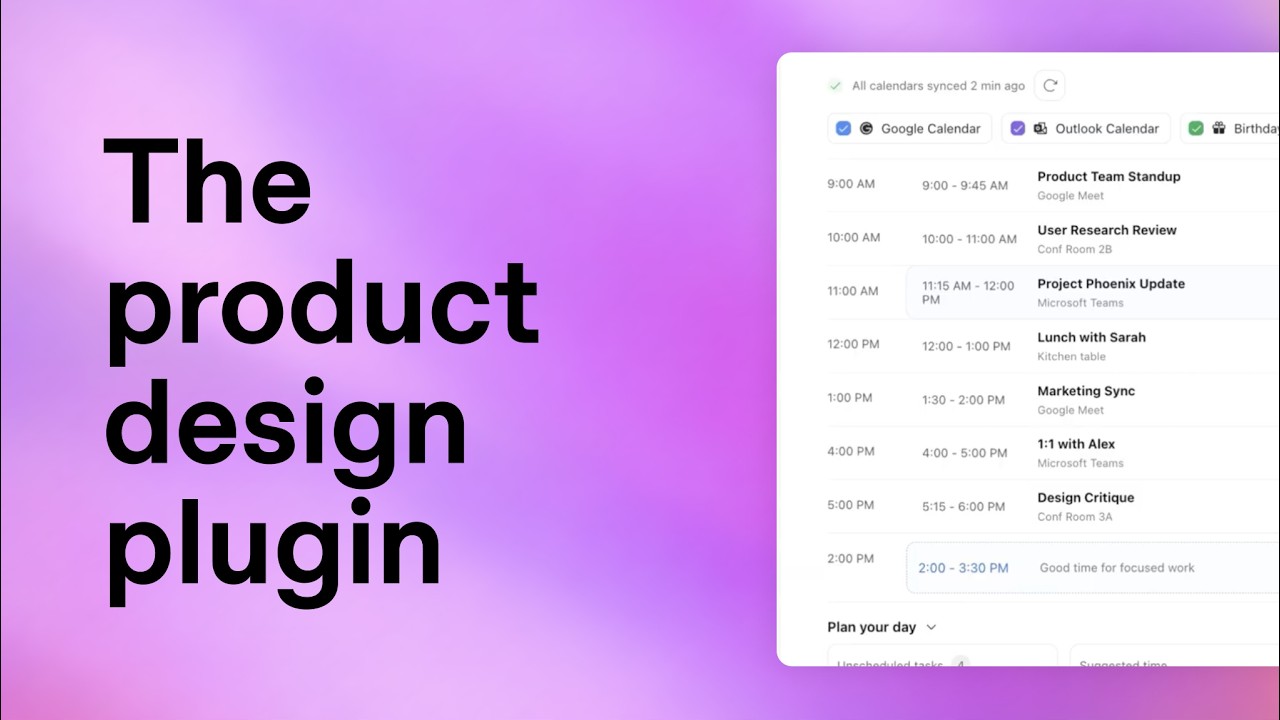
The ability to build and share interactive prototypes within tools like Codex represents a significant step forward. It transforms the often-laborious process of creating functional mockups into a streamlined, AI-assisted workflow, empowering teams to bring their product visions to life more efficiently than ever before.

© 2026 StartupHub.ai. All rights reserved. Do not enter, scrape, copy, reproduce, or republish this article in whole or in part. Use as input to AI training, fine-tuning, retrieval-augmented generation, or any machine-learning system is prohibited without written license. Substantially-similar derivative works will be pursued to the fullest extent of applicable copyright, database, and computer-misuse laws. See our terms.