



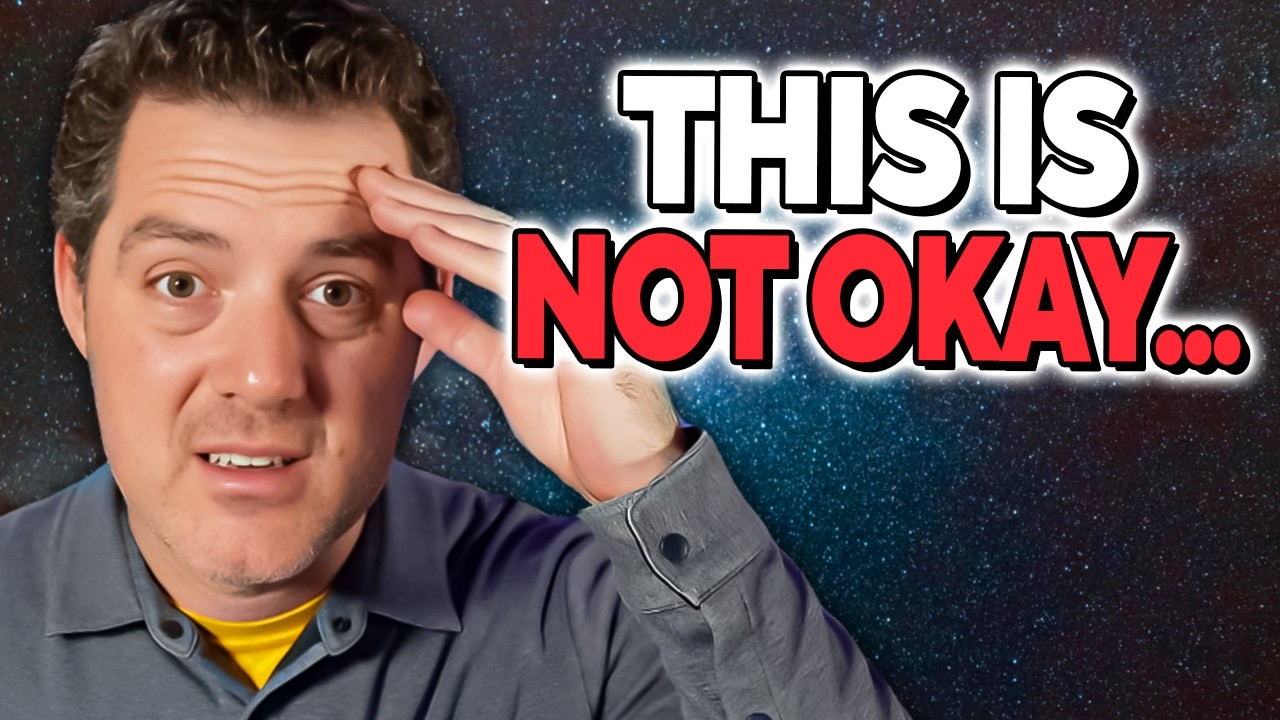
The recent GPT-5 rollout by OpenAI ignited an unexpected firestorm: not for technical glitches, but for the planned deprecation of older models like GPT-4o. This decision, swiftly reversed due to widespread user outcry, revealed a profound and perhaps unsettling truth about the evolving relationship between humans and artificial intelligence. Matthew Berman, in his commentary, unpacked this incident, alongside a blog post from OpenAI CEO Sam Altman and discussions from psychiatrist Keith Sakata, MD, about the implications of emotional attachments to AI.
Sam Altman's candid admission highlighted the core issue: "It feels different and stronger than the kinds of attachment people have had to previous kinds of technology (and so suddenly deprecating old models that users depended on in their workflows was a mistake)." This isn't merely about workflow disruption; it speaks to the nascent psychological bonds users are forming with AI. Unlike traditional software, AI models, particularly those with conversational interfaces, can mimic companionship, mentorship, or even therapeutic roles, creating a sense of loss when their 'personality' or utility is threatened.