Diode built three boards straight from model output, with no factory rework loop.
Anthropic says Claude Fable 5.2 took short prompts for a USB-C speakerphone, a voice-assistant hub and a handheld pet, then produced specs, schematics, layouts, enclosures, firmware and parts lists that assembled into prototypes still running weeks later.
That erases the old failure mode. Diode had seen many prior model boards stall at 95% complete but unroutable, per Anthropic, while Fable 5.2 scored 69% on Diode’s internal PCB Gym placement and routing test against 25% for Claude Fable 5 and hit 83.5% on BenchCAD 2.1.
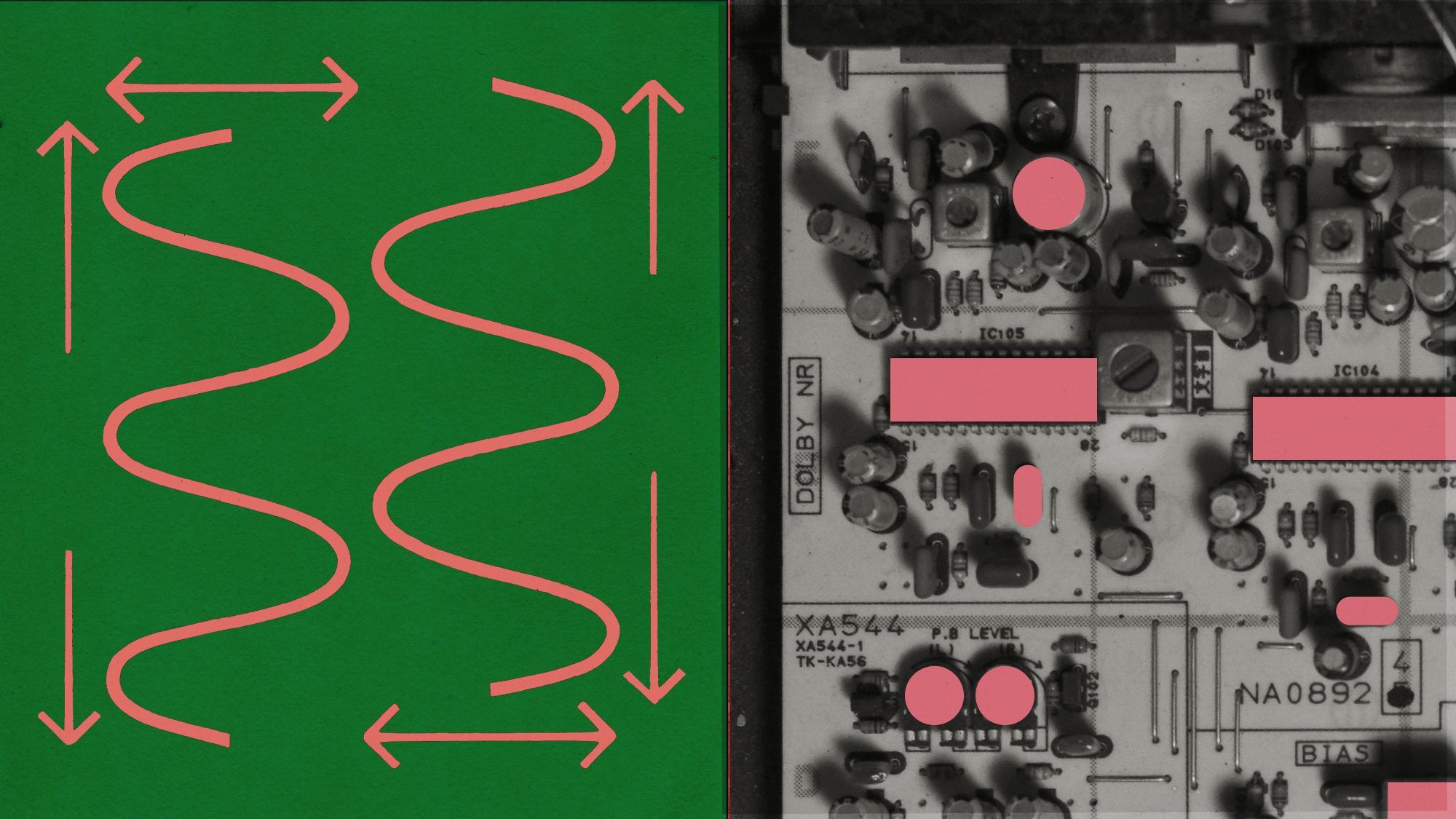
The difference shows in geometry. Claude routed high-speed and high-current nets first, kept differential pairs length-matched, added tuning zigzags and reworked pin assignments to keep touch-wheel signals on one layer without vias through electrodes.
It also threw work away. Claude deleted and rerouted the hub’s tangled microphone power and ground ring dozens of times, saying it should rip the traces and start fresh, and it rebuilt a crowded corner of the speakerphone by swapping interchangeable pins instead of adding layer jumps.
You can feel the shop-floor logic. Claude read datasheets to predict a flickering charge LED on USB power, wrote its own grid-search router to handle a 100-pin connector in about a second per long track, tilted the speakerphone board 25 degrees in CAD to clear the mute switch, and reshaped the hub into a wedge to move a mic port resonance from 3.4 kHz to 8.9 kHz, per Anthropic.
Manufacturing checks ran in the same loop. Claude widened six thin solder-mask slivers on the hub, ignored a false ground-to-ground error, and kept Bluetooth keepouts clear on all four layers, so Diode needed no back-and-forth before fabrication, per Anthropic.
Cost is no longer abstract. Anthropic lists Fable 5.2 at $8 per million input tokens and $40 per million output tokens with outputs up to 30% faster than 5.1, per its release notes, which puts a full board iteration inside a normal prototype budget.
Anthropic cautions the units are early prototypes with no data yet on longevity or commercial certification. Contract shops now have to justify layout hours before trying a model pass first.