




Visual TL;DR
Manual Annotation ErrorsDriver
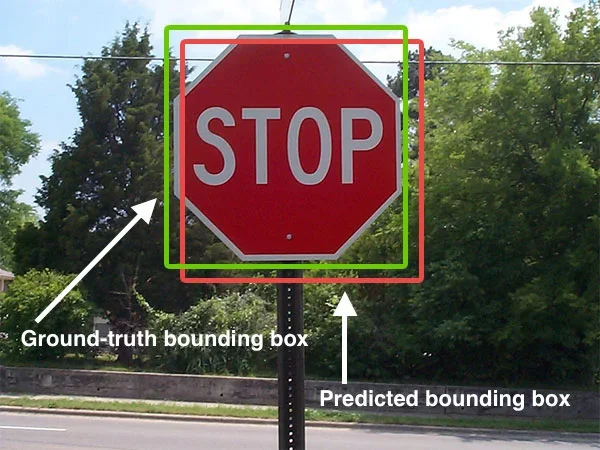
human annotators make mistakes in video bounding box labeling
From the article 5 mentionsHowever, these annotations, particularly for video, are prone to errors.
Costly & InconsistentDriver
manual review doubles cost and time, lacks consistency
From the articleTraditional human review workflows are costly and inconsistent.
Uber's ML SolutionCore
ML system detects and corrects bounding box errors automatically
From the article 6 mentionsUber's solution, integrated into their in-house tool uLabel, offers real-time, automated validation.
uLabel IntegrationCore
solution integrated into in-house annotation tool uLabel
From the article 2 mentionsThe system flags issues directly in uLabel, allowing operators to correct them or dismiss the suggestion.
Tricky Video SegmentsContext
From the articleThe challenge lies in video annotation, where long footage is split into segments for operators, creating opportunities for mistakes during the rejoining process.
Synthetic DataCore
using synthetic data for robustness in error detection
From the article 7 mentionsSince real-world errors are rare, Uber generates synthetic data by introducing perturbations that mimic human mistakes.
Accurate ML TrainingEffect
ensures data integrity for higher quality ML models
From the article 2 mentionsTraining custom machine learning models for specific business needs demands high-quality data, often sourced from human annotations.
Boosted Model QualityOutcome
improved performance and reliability of trained ML models