


AI Accelerates Weight Drug Discovery

AI is accelerating the development of new weight management drugs like Wegovy, promising faster discovery cycles and personalized therapies.

2 min read
AI accelerating weight drug discovery for new metabolic health treatments
AI is revolutionizing how weight management drugs are discovered and developed.

The metabolic health landscape is shifting. Obesity is now recognized as a complex disease, driving demand for effective interventions. Wegovy's recent launch in Canada signifies a major milestone for patient access.

The GLP-1 Revolution

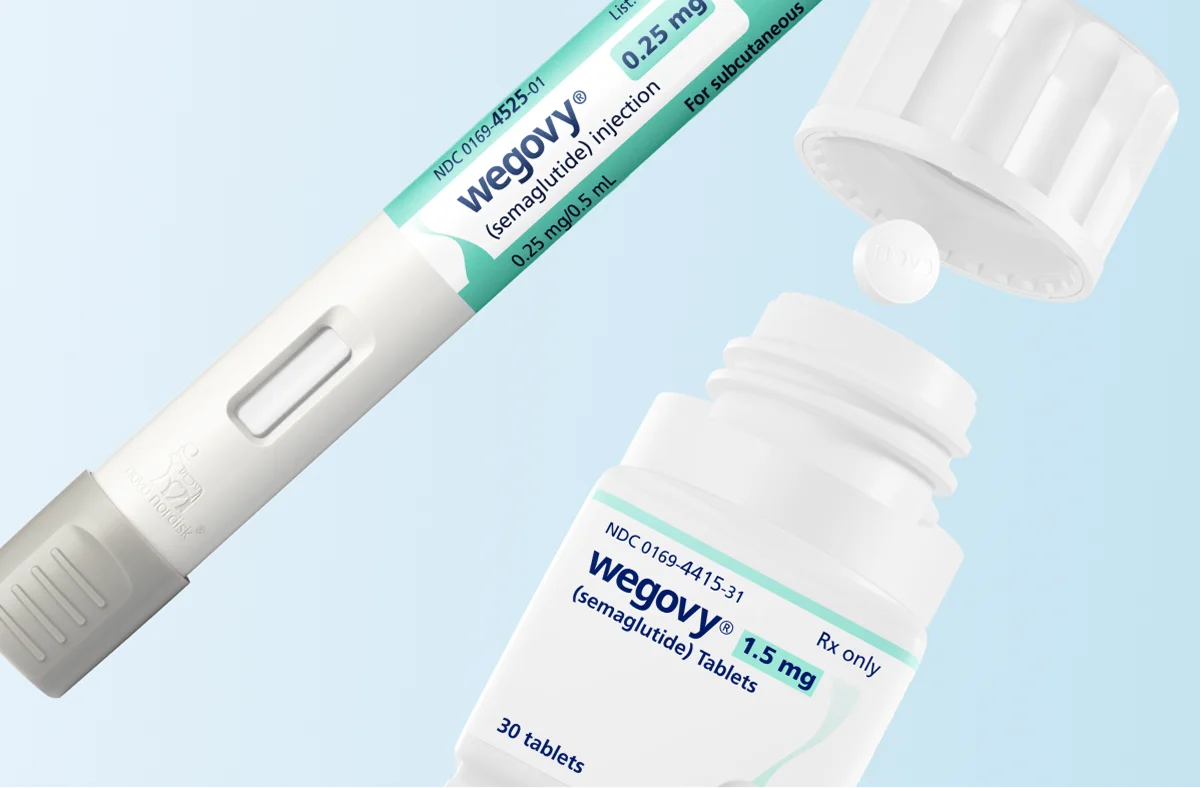
Wegovy and Ozempic, both Novo Nordisk's semaglutide, offer distinct pathways. Ozempic targets Type 2 diabetes, while Wegovy is specifically approved for chronic weight management. This dedicated approval for Wegovy aims to alleviate supply pressures on Ozempic.

Related startups

How GLP-1 Drugs Work

These drugs are GLP-1 receptor agonists. GLP-1, a natural gut hormone, regulates appetite, slows digestion, and balances blood sugar.

Synthetic versions like semaglutide resist rapid degradation, offering sustained metabolic support via weekly injections.

Clinical data suggests these therapies can lead to 15-20% weight reduction, when combined with lifestyle changes.

AI's Role in Next-Gen Therapeutics

Traditional drug development is slow and costly. Artificial intelligence is now accelerating this process. The concept of AI in drug discovery 2026 is becoming a reality.

OpenAI has partnered with Novo Nordisk's foundation to apply advanced AI models in life sciences. These models analyze genetic, medical, and chemical data to simulate drug interactions.

This approach moves beyond text and image generation, delving into the complexities of human biology.

Machine Learning Unlocks New Treatments

AI is fundamentally reshaping anti-obesity drug discovery, addressing limitations of current treatments like side effects and weight regain.

Machine Learning (ML) and Deep Learning (DL) are key to developing better therapies.

AI algorithms can identify novel anti-obesity peptides by screening millions of amino acid combinations rapidly.

Future drugs may target multiple receptors simultaneously, a feat AI can model precisely.

Personalized medicine, tailoring treatments to individual genetic profiles and patient sub-types, is also a significant AI application in this field.

The global anti-obesity drug market is projected to reach $100 billion by 2030.

Combining GLP-1 success with AI's predictive power could shorten drug discovery timelines from decades to months.

The application of artificial intelligence in pharmaceuticals, exemplified by initiatives like OpenAI's LifeSciBench, is a critical driver.

This advancement is part of a broader trend where artificial intelligence in pharmaceuticals is seeing increased investment and innovation.

© 2026 StartupHub.ai. All rights reserved. Do not enter, scrape, copy, reproduce, or republish this article in whole or in part. Use as input to AI training, fine-tuning, retrieval-augmented generation, or any machine-learning system is prohibited without written license. Substantially-similar derivative works will be pursued to the fullest extent of applicable copyright, database, and computer-misuse laws. See our terms.