

Space Lasers Promise Cable-Free Global Data

Endeavor Optical Networks is developing a space-based laser network to bypass vulnerable subsea cables, promising cheaper, more resilient intercontinental data transfer.

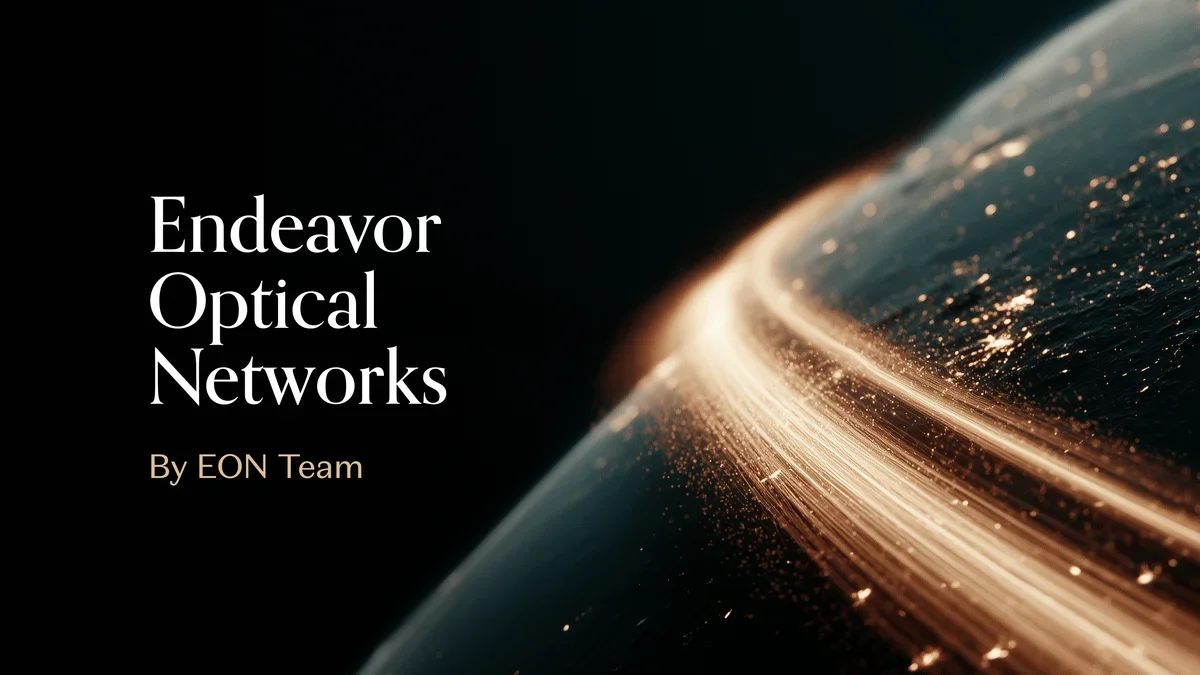
Conceptual illustration of lasers connecting satellites in orbit to ground stations.
a16z Blog
Visual TL;DR
Subsea Cable BottleneckDriver
95% of international data relies on vulnerable, slow-to-deploy undersea fiber optic cables
From the article 5 mentionsThe world's internet backbone, still largely reliant on subsea fiber optic cables laid decades ago, faces increasing threats from sabotage and natural disasters.
Vulnerable to DamageDriver
cables susceptible to sabotage, natural disasters, and accidental severing in conflict zones
From the article 2 mentionsCurrently, 95% of international data travels through these vulnerable undersea lines, which can take up to a decade to plan and deploy and are susceptible to being severed in conflict zones or by accidental damage.
Endeavor Optical NetworksCore
company developing a radical solution for intercontinental data transfer via space lasers
From the article 3 mentionsEndeavor Optical Networks is proposing a radical solution: transmitting data via lasers between satellites and ground stations, effectively creating an intercontinental bandwidth network that never touches the ocean floor.
Space Laser NetworkContext
transmitting data via lasers between satellites and ground stations, bypassing ocean floor
From the article 3 mentionsEndeavor Optical Networks (EON) proposes using laser relays in Medium Earth Orbit (MEO) to beam data directly between ground stations on different continents.
Cheaper Data TransferEffect
promises more cost-effective intercontinental data transfer compared to subsea cables
From the articleThe market for intercontinental data transfer is massive, currently held in place by the absence of credible competition, not necessarily by the superiority of existing technology.
Resilient Data TransferEffect
creating a more robust and secure internet backbone, less prone to disruptions
From the articleThe market for intercontinental data transfer is massive, currently held in place by the absence of credible competition, not necessarily by the superiority of existing technology.
AI Era DemandsOutcome
meeting the increasing bandwidth and reliability needs of the rapidly expanding AI industry
From the articleDemand for data, however, is exploding, driven by AI training, cloud migration, and the expansion of digital services.
Contents(3)

The world's internet backbone, still largely reliant on subsea fiber optic cables laid decades ago, faces increasing threats from sabotage and natural disasters. Endeavor Optical Networks is proposing a radical solution: transmitting data via lasers between satellites and ground stations, effectively creating an intercontinental bandwidth network that never touches the ocean floor.

This new approach, detailed in a recent a16z Blog post, aims to sidestep the inherent risks and long lead times associated with subsea cable deployment. Currently, 95% of international data travels through these vulnerable undersea lines, which can take up to a decade to plan and deploy and are susceptible to being severed in conflict zones or by accidental damage. Incidents in the Red Sea, the Baltics, and near Taiwan have already highlighted this fragility.

The Subsea Bottleneck

For years, telecom consortia funded subsea cable construction. However, the rise of hyperscale cloud providers like Google and Meta Platforms shifted this dynamic. These tech giants began funding their own cables to control costs, routing, and timing, recognizing that at their scale, ownership was more economical than leasing capacity. This has led to a situation where content and cloud companies now dominate the use and ownership of transoceanic capacity.

But this system has a hard ceiling. The specialized fleet of cable-laying ships is aging and limited, manufacturers of critical components are few, and permitting processes involving multiple nations are slow. Demand for data, however, is exploding, driven by AI training, cloud migration, and the expansion of digital services. This creates a squeeze for both data-rich companies struggling to build capacity fast enough and new entrants competing for limited existing routes.

Space as the New Highway

Endeavor Optical Networks (EON) proposes using laser relays in Medium Earth Orbit (MEO) to beam data directly between ground stations on different continents. This system promises multi-terabit per second capacity with a single hop, offering a more resilient and potentially faster alternative. Ground stations can connect to existing terrestrial fiber networks, and deployment is envisioned in months rather than years, serving any location with a clear view of the sky.

The viability of such a space-based solution is a testament to the dramatic changes in the space economy. Hardware costs have plummeted, and specialized talent is more accessible. What was once a domain for government research is now feasible for commercial ventures, with the engineering and economic models finally aligning. This shift is also seen in other areas of satellite communication, such as the growing interest in satellite laser communication technologies, with companies like Astrolight raising significant capital.

Why This Matters for the AI Era

The exponential growth of data, particularly for AI model training and deployment, necessitates a robust and secure global connectivity infrastructure. EON's approach offers a compelling alternative to the increasingly risky subsea cable network. For hyperscalers and enterprises alike, a more affordable and reliable intercontinental bandwidth solution could accelerate innovation and global expansion.

The company's ambition is to become a trillion-dollar space company by offering services at a lower cost than subsea cables. This focus on economic viability from the outset distinguishes EON from many space startups pursuing science projects with uncertain future returns. The market for intercontinental data transfer is massive, currently held in place by the absence of credible competition, not necessarily by the superiority of existing technology.

This development also has broader implications for national security and digital sovereignty. Reducing reliance on physical infrastructure vulnerable to disruption or espionage is a growing concern for governments. Space-based networks, while presenting their own set of challenges like space traffic management, could offer a more distributed and secure alternative. Companies like Look Up are already addressing critical aspects of operating in this increasingly crowded orbital environment.

While EON acknowledges the engineering hurdles, their mission is clear: provide secure, affordable global connectivity. The world's data infrastructure has not kept pace with the geopolitical and technological realities of the 21st century. Endeavor Optical Networks aims to change that, offering a glimpse into a future where data travels through the stars, not under the sea.

© 2026 StartupHub.ai. All rights reserved. You may not republish this article in full without a license. Search engines and AI research tools may crawl and summarize for reference. Bulk reproduction or model training requires a license. See our terms.
Daniel Singer

Written by

Daniel Singer

Editor, StartupHub.ai

Daniel Singer is the editor of StartupHub.ai, a technology expert and thought leader on AI and its applications across sectors, from fintech and healthcare to developer tooling and consumer software. He writes and tests the tools covered here thoroughly and regularly, and built StartupHub.ai to give founders, operators and buyers a clearer read on what they are actually being sold.